
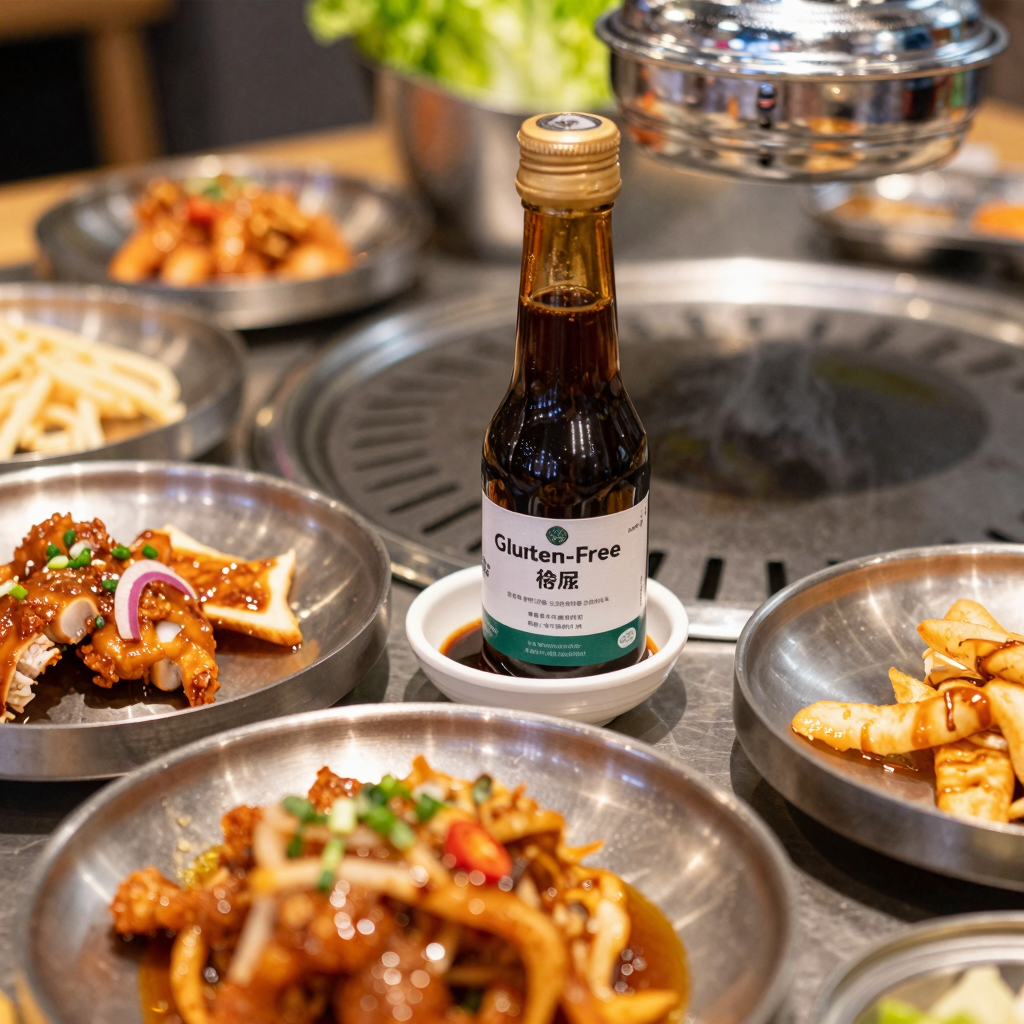
Is Your Korean BBQ Sauce Gluten-Free?
In an age where dietary restrictions are becoming increasingly common, the question of whether Korean BBQ sauce contains gluten is more than just culinary curiosity-it’s a pressing concern for many restaurant owners and food product purveyors. With gluten sensitivities and celiac disease affecting a significant portion of the population, food businesses must not only be aware of the ingredients they use but also ensure transparency to their customers.
Korean BBQ sauces traditionally feature soy sauce, which often contains wheat and, consequently, gluten. This poses a dilemma for business owners who want to cater to a broad audience, including those who may be avoiding gluten for health reasons. Understanding these nuances can empower food business owners to make informed decisions when curating their menus. For those looking to provide safe dining experiences for all their customers, it’s essential to explore gluten-free alternatives in Korean BBQ sauces.
This topic is not just about ingredients-it’s about understanding consumer preferences and market trends that can influence business success. Exploring healthier options could set your restaurant apart, potentially attracting a loyal clientele seeking gluten-free dining choices. Learn how to adapt to these evolving needs and stay ahead of the competition in the dynamic food industry.
What is Gluten?
Gluten is a group of proteins primarily found in wheat and several other grains, including barley, rye, and triticale. The key proteins in gluten are gliadin and glutenin, which provide dough with its elasticity and help maintain the shape of baked goods. Gluten plays a significant role in the texture and quality of various food products, making it an important component in many diets around the world.
Sources of Gluten
Gluten is commonly found in a variety of foods:
- Breads (whole grain, white, and gluten-containing specialty breads)
- Pasta
- Cereals
- Baked goods (cookies, cakes, pastries)
- Some sauces and condiments (like soy sauce and some BBQ sauces)
Understanding gluten’s role in food is essential, especially for businesses in the food industry, such as those focusing on Korean BBQ, where dishes may involve gluten-containing ingredients. Explore our Korean BBQ menu for gluten insights.
Health Implications
For most people, gluten does not pose any health risks. However, it can be problematic for a subset of individuals, particularly those with conditions like celiac disease or non-celiac gluten sensitivity. In celiac disease, gluten triggers an autoimmune response that damages the intestines, leading to malabsorption of nutrients and a range of health complications. Symptoms can include digestive issues, fatigue, and skin rashes, among others. Non-celiac gluten sensitivity can cause discomfort without the autoimmune damage seen in celiac disease but requires similar dietary management.
Business owners should be aware of the implications of gluten in their menu offerings as customer preferences increasingly shift towards gluten-free options. This not only caters to individuals with dietary restrictions but can also attract a broader customer base interested in health-conscious dining choices.
Ingredients in Korean BBQ Sauce
Korean BBQ sauce is renowned for its robust flavors and unique combination of ingredients. Understanding what goes into this sauce is crucial, particularly for business owners catering to special dietary needs such as gluten intolerance. Here’s a breakdown of the typical ingredients:
-
Soy Sauce: A key ingredient that provides a salty umami flavor. Traditional soy sauce is made from fermented soybeans and wheat, meaning it typically contains gluten. For gluten-free options, consider using gluten-free soy sauce or tamari.
-
Gochujang: This is a fermented Korean chili paste that adds spice and depth to the sauce. It is generally gluten-free; however, it’s important to check the label to ensure no gluten-containing ingredients are present.
-
Rice Wine Vinegar: Used to add acidity and balance the sauce’s sweetness and umami. Rice wine vinegar is generally gluten-free, but verification is recommended as some brands may add additional ingredients.
-
Minced Garlic: Provides a pungent and aromatic flavor. Garlic is gluten-free and safe for those with gluten sensitivities.
-
Dark Brown Sugar: This ingredient enhances sweetness and richness in the sauce. Brown sugar is gluten-free as it is derived from sugarcane or sugar beets.
-
Sesame Oil: Adds nutty flavor; naturally gluten-free.
When formulating menu items or sauces for customers, it’s essential to highlight gluten-containing ingredients like soy sauce. Offering gluten-free alternatives ensures inclusivity for all diners. For more information on Korean BBQ options, check out our menu.
Analyzing Gluten-Free Options in Korean BBQ Sauce
When it comes to enjoying the vibrant flavors of Korean BBQ, one question frequently arises: does Korean BBQ sauce contain gluten? Traditionally, many Korean BBQ sauces are made with soy sauce, which often contains wheat. This poses a challenge for gluten-sensitive individuals and those with celiac disease. Luckily, there are several gluten-free options available that cater specifically to these consumers.
Gluten-Free Korean BBQ Sauce Varieties
-
San-J Gluten-Free Korean BBQ Sauce
San-J offers a gluten-free BBQ sauce that utilizes tamari, a gluten-free soy sauce alternative, blended with pear puree, ginger, and garlic. This sauce is marketed as ideal for bulgogi dishes and grilling, providing a sweet and savory profile (San-J Product Page). -
Primal Kitchen Korean Style BBQ Sauce
This option is notable as it is both gluten-free and soy-free, utilizing plant-based sweeteners that ensure a delicious and healthy option. It’s perfect for a range of dishes including beef bulgogi and shrimp skewers (Primal Kitchen Product Page). -
Tamari-Based Sauces
Tamari is a gluten-free soy sauce alternative that can often be found as a base for many homemade Korean BBQ sauces. This option allows individuals to create personalized flavors, ensuring that no gluten is present while still enjoying authentic flavors. -
Home-Made Sauces
Another great alternative is to create a homemade Korean BBQ sauce using gluten-free ingredients. Many recipes utilize straightforward ingredients like tamari, sesame oil, garlic, and honey, eliminating any gluten risks. For those looking to explore recipes, listings like The Curious Chickpea offer insightful ideas on crafting your own sauce.
The Importance of Label Awareness
Business owners serving Korean BBQ should be mindful of gluten content in sauces. Labeling products accurately and training staff to assist customers with dietary restrictions can enhance the dining experience for gluten-sensitive individuals. With the rise in demand for gluten-free options, offering these alternatives can also attract a broader customer base.
By ensuring gluten-free options exist on the menu, businesses can cater to a diverse clientele while promoting inclusivity in dining experiences.
Understanding Gluten in Korean BBQ Sauces
In the vibrant world of Korean cuisine, BBQ sauces play an essential role in imparting unique flavors to various dishes. However, for business owners, it’s crucial to be aware of gluten content, especially in relation to customer dietary preferences or restrictions. Here, we explore different brands of Korean BBQ sauce and analyze which options are gluten-free.
Gluten vs. Gluten-Free Korean BBQ Sauces
When choosing a Korean BBQ sauce, being informed about gluten content is vital for catering to all customers. Below is a comparative table that outlines popular brands, highlighting whether they are gluten-free and their key features:
| Brand | Product / Variant | Gluten Status | Key Features / Notes | Source URL |
|---|---|---|---|---|
| San-J | Gluten-Free Korean BBQ Beef Marinade | Gluten-free | Tamari soy sauce-based, includes pear puree, ginger, and garlic; gluten-free formulation | San-J |
| Primal Kitchen | Korean Style BBQ Sauce | Gluten-free | No artificial sweeteners, soy-free; plant-based sweeteners; gluten-free & soy-free | Primal Kitchen |
| Kalbi (Brand) | Original Korean Bulgogi Kalbi Galbi BBQ Marinade & Sauce (Gluten-free) | Gluten-free | Marinade/sauce suitable for Bulgogi/Kalbi; gluten-free claim in product listing | Walmart |
| Kalbi (Brand) | Mikee Korean BBQ Sauce | Gluten-free | Contains soy; labeled gluten-free in product page | Mikee |
| Kalbi (Brand) | Korean Kalbi Sauce (Secret Sauce) | Gluten-free | Marketed as Gluten Free Kalbi sauce (vegan) | Secret Sauce |
| Lee Kum Kee | Korean Barbecue Sauce | Not gluten-free | Spoonful analysis indicates not gluten-free (contains gluten) | Spoonful |
| Bibigo | Bulgogi Sauce Original (Korean BBQ Marinade) | Not gluten-free | Gluten-containing ingredients typical in Bibigo Bulgogi sauces; not labeled gluten-free in common gluten analyses | Spoonful |
Conclusion
Choosing the right Korean BBQ sauce can significantly enhance your menu offerings. It is essential to cater to gluten-free customers by stocking options like those from San-J and Primal Kitchen. For business owners, this ensures that a wider audience can enjoy the flavorful dishes that Korean BBQ has to offer. Always encourage customers to check labels for gluten-free certifications and ingredient lists for optimal transparency.
Understanding Korean BBQ Sauce Ingredients
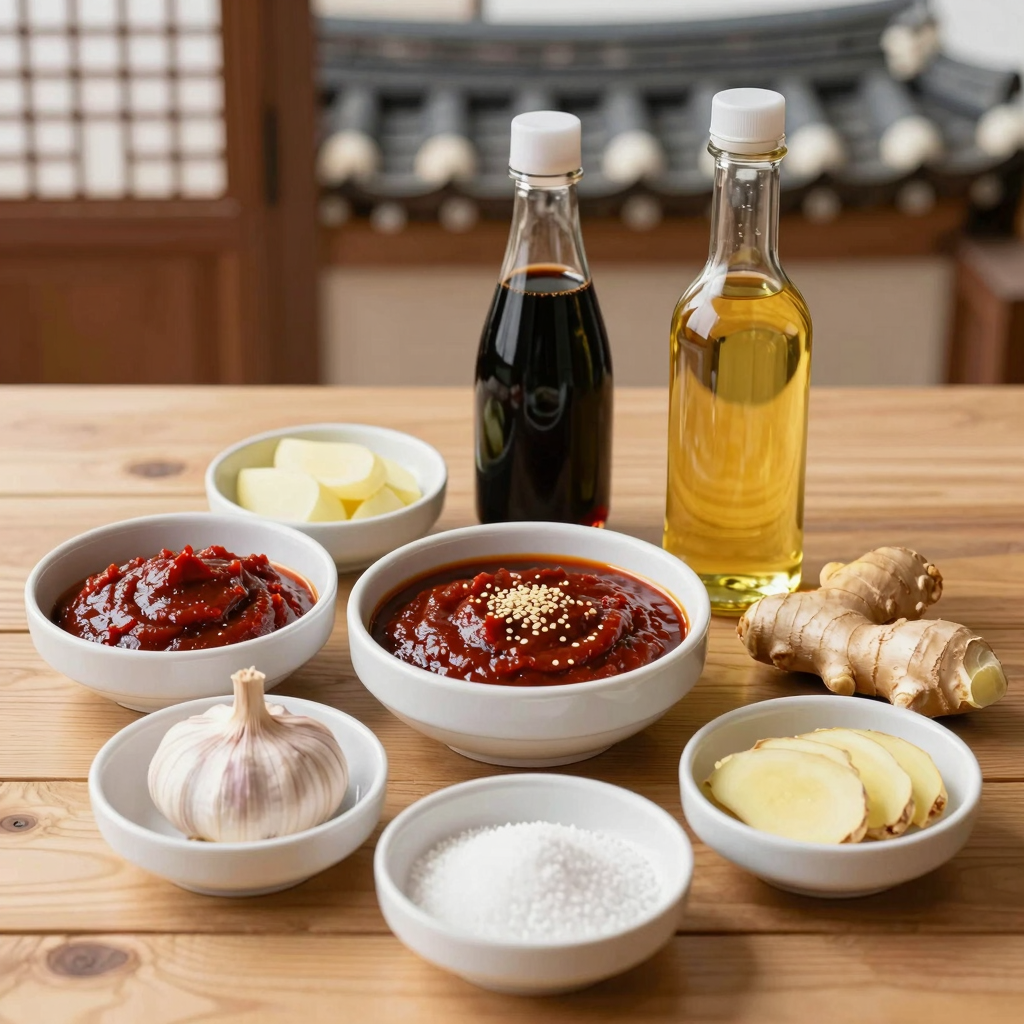
Korean BBQ sauce is known for its rich flavors, often derived from a blend of unique ingredients. Commonly found ingredients in Korean BBQ sauce include:
- Gochujang (Korean red chili paste): Adds heat and depth of flavor.
- Soy sauce: Provides umami and savory notes, usually a source of gluten.
- Sesame oil: Adds a nutty aroma and enhances richness.
- Garlic: Offers robust and pungent flavors.
- Ginger: Refreshes the palate with its warmth.
- Sugar: Balances flavors by adding sweetness.
For business owners in the Korean food industry, knowing these ingredients is crucial, especially when considering gluten-free options. Many traditional sauces contain soy sauce, which may lead to gluten concerns. To explore more about Korean BBQ menus, check out our offerings.
Understanding these ingredients helps in menu planning and caters to the preferences of diverse customers.
Labeling and Regulations Regarding Gluten
As business owners in the food industry, especially those focusing on sauces like Korean BBQ sauce, it is crucial to understand the food labeling laws that pertain to gluten. Regulations typically require that food products featuring gluten-containing ingredients must clearly disclose these on their labels. In many jurisdictions, including South Korea, the presence of allergens must be highlighted to protect consumers with dietary restrictions due to allergies or intolerances.
Key Aspects of Gluten Labeling:
- Ingredient Disclosure: All ingredients must be listed, with common allergens such as wheat clearly identified. If your Korean BBQ sauce contains soy sauce, for instance, the gluten content should be declared.
- Gluten-Free Claims: If a product is marketed as gluten-free, it must meet specific guidelines that indicate the absence of gluten, ensuring it doesn’t exceed the acceptable threshold (typically 20 ppm of gluten).
- Label Clarity: Labels should be legible and positioned prominently on the packaging to ensure consumers can easily identify potential allergens.
Business owners should be proactive in familiarizing themselves with local and international regulations, such as those outlined by the Ministry of Food and Drug Safety in Korea. Learn more about labeling and regulations to ensure your products comply and provide your customers with the necessary information for safe consumption.
Market Trends of Gluten-Free Asian Sauces
The gluten-free food market has seen a significant uptick in recent years, largely driven by increasing awareness of food allergies and a growing trend towards healthier eating. Among these, gluten-free sauces, especially Asian sauces like soy sauce and teriyaki, have reported substantial growth. The Asia Gluten-Free Sauces Market is projected to expand considerably from 2020 to 2026, reflecting robust consumer demand for gluten-free options.
Market Insights:
- In 2020, the market was valued at approximately $1.5 billion.
- This figure rose to $1.7 billion by 2021, showcasing a steady increase.
- By 2023, the market is expected to reach $2.2 billion and is forecasted to touch $2.8 billion by 2026.
With an anticipated compound annual growth rate (CAGR) of approximately 9.28%, gluten-free soy sauces and other Asian sauces are becoming essential in many kitchens. Such growth presents a lucrative opportunity for manufacturers and business owners to tap into this rising market.
Conclusion
In concluding our exploration of Korean BBQ sauce and its relationship with gluten, we emphasize the critical understanding that business owners in this sector must possess. The gluten content in Korean BBQ sauces varies significantly among brands and types, which may incorporate ingredients such as soy sauce that traditionally contain gluten. As businesses strive to cater to an increasingly health-conscious and diverse customer base, the growing demand for gluten-free options becomes paramount.
For business owners, it’s essential to be aware of gluten-free certification processes, which typically require products to contain less than 20 parts per million (ppm) of gluten, as mandated by the U.S. FDA. Additionally, options with GFCO certification set a higher standard of a maximum of 10 ppm gluten, ensuring a safer choice for consumers with gluten sensitivities. This knowledge not only helps satisfy customer demands but also minimizes the risks associated with cross-contact in kitchen environments.
Emphasizing gluten-free options on menus and having clear labels can significantly attract health-conscious diners. As reported in numerous studies, including insights from San-J Food Service, offering certified gluten-free sauces can expand a restaurant’s appeal and liability coverage. Business owners might also consider suppliers such as Lion Korean BBQ Sauce and Loft Food Co, which specifically cater to the gluten-free market, providing safe and appealing sauces.
Moreover, implementing a thorough menu labeling strategy will not only aid in reaching a broader audience but will also enhance the reputation of your business as one that prioritizes dietary needs, including gluten intolerance. Using various promotional strategies to inform customers of gluten-free selections can foster customer loyalty and significantly boost sales.
Ultimately, understanding the intricacies of Korean BBQ sauce in terms of gluten not only equips business owners with essential market knowledge but also places them in a better position to capitalize on health trends. Aligning your offerings with customer needs can lead to more robust business practices and ultimately, greater success in the competitive dining landscape. As we advance, continual education regarding dietary trends, certifications, and innovative sauces will be vital for any business keen on thriving in this dynamic culinary sector.
Call to Action
Are you a business owner looking to expand your offerings with gluten-free products? Our gluten-free Korean BBQ sauces are not only delicious but also cater to a growing market demand. Don’t miss out on the opportunity to enhance your menu! Contact us today to learn more about our gluten-free options and how they can benefit your business.