
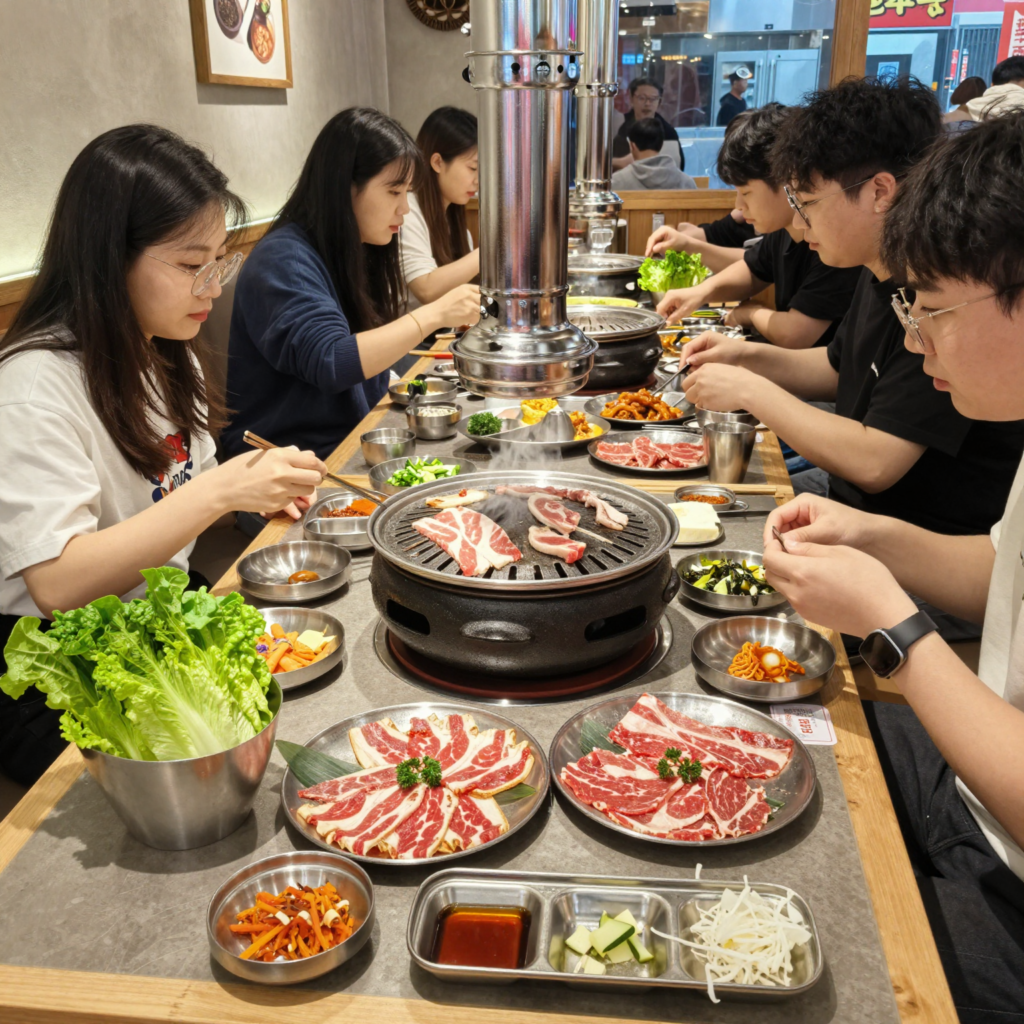
Introduction to Korean BBQ
In recent years, Korean BBQ has surged in popularity, transforming the dining landscape and appealing to adventurous eaters around the globe. This unique culinary experience not only tantalizes the taste buds but also fosters an engaging atmosphere where diners can grill their meals right at the table. For business owners, embracing the trend of Korean BBQ offers an opportunity to captivate customers with a memorable dining experience. The interactive nature of Korean BBQ encourages socialization and communal dining, making it an excellent choice for gatherings, celebrations, and business events.
Moreover, the diversity in menu options, from tender marinated meats to fresh vegetables and unique side dishes, ensures that there is something for everyone. By adding Korean BBQ to your offerings, you can attract a wider clientele and stand out in the competitive food industry. For further insights, you can explore the Korean BBQ and sushi menu or learn about various all-you-can-eat options available at Kogi Korean BBQ.
Historical Background of Korean BBQ
Korean BBQ, known as gogi-gui, is a unique culinary tradition in South Korea that can be traced back to the ancient Goryeo Dynasty (918-1392). Originally, this method of cooking was influenced by various factors, including the need to preserve meat during harsh winters and the introduction of grilling techniques from neighboring cultures. In its early forms, meats were typically cooked over open flames in various communal settings, as described in historical texts.
The Evolution of Korean BBQ
Over the centuries, Korean BBQ evolved significantly. By the time of the Joseon Dynasty (1392-1910), it became a staple in Korean culture, characterized by marinated grilled meats, particularly bulgogi (thinly sliced, marinated beef) and galbi (marinated beef short ribs). The introduction of soy sauce and sugar for marination during this period marked a turning point in enhancing flavors and preserving freshness. As the tradition continued through the decades, particularly after the Korean War, BBQ gained popularity among locals and eventually evolved into a sign of hospitality and communal dining.
Cultural Significance
Korean BBQ is more than just a meal; it’s deeply woven into the fabric of social interaction in South Korea. The experience of cooking at the table fosters connection and family bonding, vital elements of Korean culture. It’s common for families and friends to gather around a grill, sharing laughter and conversation while cooking together. Korean BBQ places are often lively with conversation, representing a celebration of togetherness and hospitality. Learn more about Korean BBQ.
Global Influence
In recent years, Korean BBQ has transcended its roots, becoming a global phenomenon. As Korean culture has gained popularity worldwide, many cities have witnessed a surge in Korean BBQ restaurants, particularly in the United States and other Western countries. This growth reflects not only the rising interest in Korean cuisine but also the universal appeal of communal cooking and dining experiences. The ability to customize meals by choosing various meats and side dishes has attracted a diverse clientele, leading to innovations within the traditional concept of Korean BBQ. Discover the heart of Korean culture through BBQ dining.
Setting up a Korean BBQ restaurant requires careful selection of equipment to create an authentic and enjoyable dining experience. Here’s a comprehensive list of essential tools and appliances to consider:
1. Grills
- Tabletop Grills: These can be gas, electric, or charcoal. They are typically embedded into restaurant tables for customer use.
- Charcoal Grills: Important for an authentic experience, these grills should have adequate ventilation to manage smoke effectively.
2. Ventilation Systems
- Exhaust Hoods: These are critical for removing smoke and odors generated during cooking, helping maintain air quality within the restaurant.
- Air Purifiers: Optional but beneficial for improving the air conditions post-cooking.
3. Cooking Utensils
- Specialized Tongs: To handle both raw and cooked meats safely.
- Spatulas: For flipping and serving food items on the grill.
- Food Safety Thermometers: Essential for ensuring meats and dishes are cooked to proper temperatures.
4. Serving Dishes
- Divided Platters: For serving different types of meats and sides separately.
- Small Condiment Bowls: Typically used for sauces and marinades that accompany the grilled items.
5. Other Kitchen Equipment
- Stainless Steel Griddles: Used for grilling items that may fall through the grill grate.
- Food Warmers: To keep already grilled items at a safe serving temperature.
- Cooling Equipment: Refrigerators and freezers for raw ingredients and prepared sides.
Considerations
When setting up your restaurant, ensure that the materials used are durable and easy to clean to maintain hygiene standards. It’s also wise to invest in high-quality products to provide a premium dining experience that can lead to repeat customers.
For more about Korean BBQ shops, you can learn more about specific styles and menus.
By investing in the right equipment, you can enhance both the cooking process and customer satisfaction, ultimately leading to a successful Korean BBQ restaurant.
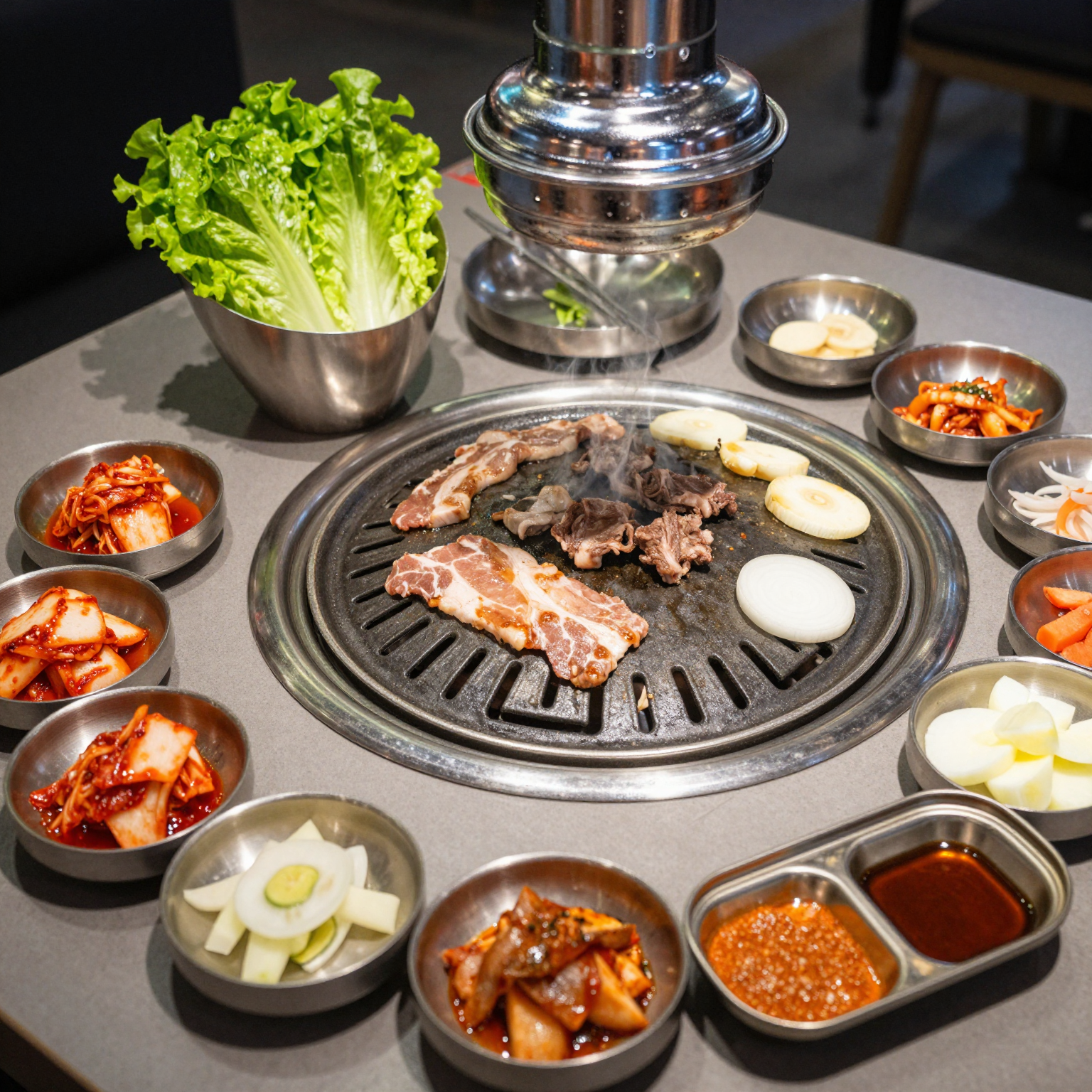
This image captures the essence of a traditional Korean BBQ setup, featuring a grill with delicious marinated meats, fresh vegetables, and an array of side dishes that are essential for an authentic dining experience.
Menu Options in Korean BBQ
Korean BBQ is celebrated not just for its interactive cooking style but also for its rich, diverse menu options that cater to various palates. The cornerstone of this dining experience is the variety of meats, accompanied by an array of flavorful side dishes known as banchan, and a selection of savory sauces.
Popular Meats Served
Korean BBQ restaurants typically offer several types of marinated and unmarinated meats, including:
- Bulgogi: Thinly sliced marinated beef, often prepared with soy sauce, sugar, garlic, and sesame oil, giving it a sweet, savory flavor.
- Galbi: Marinated beef short ribs that are grilled to perfection and packed with flavor from a marinade that often includes gochujang (Korean chili paste) and ginger.
- Samgyeopsal: This pork belly dish is usually served unmarinated, allowing the natural flavors to shine through as it’s grilled.
- Dakgalbi: Spicy stir-fried chicken marinated in a mix of gochujang, vinegar, and honey.
- Seafood: Options often include squid, octopus, and shrimp, usually grilled at the table for a fresh experience.
These meats can be customized and enhanced using various sauces that complement their flavors.
Banchan (Side Dishes)
Banchan plays a crucial role in a Korean BBQ meal, providing balance and variety to the dining experience. Some common banchan options include:
- Kimchi: Fermented vegetables, typically napa cabbage, provides a tangy and spicy counterpoint to the grilled meats.
- Kongnamul: Seasoned soybean sprouts that add a crunchy texture and mild flavor.
- Danmuji: Sweet yellow pickled radish, which offers a refreshing palate cleanser.
- Cheongpomuk: Mung bean jelly, often served cold and seasoned for a soft texture that contrasts nicely with grilled foods.
These small dishes enhance the overall meal, making it more enjoyable and satisfying.
Sauces
In Korean BBQ, sauces add depth and richness to both the meats and the side dishes. Some popular Korean BBQ sauces include:
- Ssamjang: A thick, savory mix of fermented soybean paste and gochujang, served as a dip or marinade.
- Bulgogi Marinade: A sweet and aromatic sauce used primarily for marinating beef, featuring soy sauce, pear or apple, and garlic.
- Gochujang-based Sauces: Spicy and flavorful, enhancing the taste of grilled meats.
- Sesame Oil & Soy Glaze: Used to brush on meats or for dipping, adding a nutty aroma.
Conclusion
Korean BBQ offers a vibrant menu that invites collaboration and personalization at the grill. With an abundance of meat options, delightful banchan, and various sauces, every BBQ session can result in a unique culinary experience. For more insights about specific menu offerings, you can explore our Korean BBQ menu.
Whether you are a restaurant owner looking to implement a Korean BBQ concept or just a curious foodie, understanding these key components can greatly enhance the dining experience.
Comparison of Popular Meat Options Used in Korean BBQ
Korean BBQ offers a rich palette of meat options that vary in taste, cooking time, and price. Here’s a comparative overview of some popular selections:
| Meat/Cut | Taste Profile | Cooking Time (Minutes) | Price Range (USD per lb) | Notes |
|---|---|---|---|---|
| Beef Galbi (Ribs) | Rich, savory with a slightly sweet glaze from marinade; tender and juicy when cooked properly. | 8-12 | $15-$25 | Marinated in soy sauce, sugar, garlic, and sesame oil; popular for its balanced flavor and tenderness. |
| Beef Bulgogi (Thinly sliced beef) | Sweet and savory with a glossy finish; marinated in a mixture of soy sauce, pear, sesame oil, and sugar. | 3-5 | $14-$22 | Known for its quick cooking time and rich umami flavor; often served with rice and vegetables. |
| Beef Seobok (Short Ribs, Boneless) | Hearty, robust beef flavor with a satisfying chew; less marinated than galbi but still flavorful. | 10-15 | $16-$28 | Offers a more natural beef taste; ideal for those who prefer less sweetness. |
| Pork Samgyeopsal (Pork Belly) | Unmarinated, rich, fatty, and savory with a crispy exterior and soft interior when grilled. | 10-15 | $10-$18 | The most iconic Korean BBQ cut; typically eaten fresh, wrapped in lettuce with ssamjang. |
| Chicken (Hunjae Ori Gui – Smoked Duck) | Smoky, aromatic, and tender with a deep, complex flavor; often marinated or smoked before grilling. | 8-12 | $12-$20 | Less common than chicken breast or thigh, but highly prized for its unique taste. |
| Shrimp | Sweet, delicate, and slightly briny; turns opaque and pink when fully cooked. | 2-4 | $16-$25 | Often lightly marinated; cooks quickly and pairs well with spicy sauces. |
| Squid (Ojingeo) | Firm, slightly chewy texture with a mild oceanic flavor; becomes tender when grilled. | 3-5 | $14-$22 | Frequently marinated to enhance flavor and prevent drying out. |
Note: Prices are approximate and based on current market trends (2025-2026) in major U.S. cities (e.g., New York, Los Angeles) and Seoul, South Korea. Cooking times may vary slightly depending on grill temperature and thickness of the cut.
For more insights into various Korean BBQ meat options, you might also want to check our Korean BBQ and Sushi Menu.
Additionally, explore our All-You-Can-Eat Korean BBQ Oakland for more dining options.
Market Trends for Korean BBQ Restaurants: Growth and Consumer Preferences
As the popularity of Korean cuisine continues to rise globally, the market for Korean BBQ restaurants, in particular, is showing significant growth potential. This trend is fueled by various factors including consumer preferences that lean towards fresh ingredients and interactive dining experiences.
Growth Potential
Research indicates that the Korean BBQ grill market was valued at approximately $8.75 billion in 2025, with expectations to grow at a compound annual growth rate (CAGR) of 6.6% from 2026 to 2033. This growth is largely driven by increased domestic demand for home cooking and the global popularity of Korean BBQ cuisine, supported by innovations in grill technology and design.
A breakdown of market trends is highlighted in the following table:
| Market Segment | Market Size (2023/2025) | Projected Market Size (2033) | CAGR (2026-2033) | Source |
|---|---|---|---|---|
| South Korea BBQ Sauce Market | $11.66 billion (2025) | Not specified | 12.39% | Grand View Research |
| South Korea Barbecue Devices Market | $1.2 billion (2023) | Not specified | ~4.5% | Market Research Future |
| North America Korean BBQ Sauce Market | $1.2 billion (2023) | Not specified | Not specified | Statista |
| South Korea Foodservice Market | $156.51 billion (2026) | $293.14 billion (2031) | 13.37% | Fortune Business Insights |
| South Korea BBQ Seasoning Market | Not specified | $820.5 million (2030) | 6.3% (2024-2030) | Future Market Insights |
Consumer Preferences
A recent consumer survey revealed that diners prioritize ingredient freshness, meat quality, and authenticity. These preferences are changing the landscape of restaurant offerings where consumers are increasingly willing to pay premium prices for high-quality, traceable ingredients.
Innovations in dining experiences, such as live grilling and interactive seating, cater particularly to younger consumers aged 18-35 who favor experiential dining. This demographic not only seeks quality but also a connection with their food, prompting restaurant owners to adopt farm-to-table concepts and transparent sourcing practices.
The significant insights gathered from these trends point towards a favorable outlook for Korean BBQ restaurants, suggesting that business owners who adapt to these consumer demands will likely thrive in the competitive market.
You can check out more about our menu options here or explore our location for all-you-can-eat options here.
Conclusion
In summary, the Korean BBQ restaurant sector is not just expanding but also evolving to meet the sophisticated palates of today’s diners. By focusing on quality and unique dining experiences, restaurant owners can tap into this lucrative market as it continues to grow in the coming years.
Location Considerations for a Korean BBQ Restaurant
Choosing the right location for a Korean BBQ restaurant is critical for its success. Various factors must be considered, including demographics and competition analysis.
Demographics
Understanding the demographics of the area is essential. Based on recent studies, Korean BBQ restaurants are primarily thriving in urban centers with high concentrations of Asian-American populations. Areas like Los Angeles, New York City, and San Francisco represent about 65% of these establishments. Key demographic insights include:
- Age & Income: 48% of consumers are aged between 25-44, with a significant representation of millennials and Gen Z, who prefer experiential dining. Additionally, about 70% of patrons come from households earning over $75,000 annually, indicating the potential for a more premium dining experience.
- Education: Research shows that 58% of Korean BBQ diners hold a bachelor’s degree or higher, pointing toward a well-educated customer base that is likely to appreciate quality and authenticity in dining.
- Cultural Trends: The rise in popularity of Korean culture, especially through the Hallyu wave (Korean pop culture), hints at a growing audience willing to explore Korean cuisine beyond traditional settings.
Competition Analysis
Conducting a thorough competition analysis is equally crucial. The landscape for Korean BBQ restaurants is becoming increasingly competitive, particularly in urban and suburban areas where dining options are plentiful. Key points include:
- Market Presence: In recent years, many successful chains have targeted locations that are not traditionally known for Korean BBQ. A significant 60% of new restaurant openings are now in mixed-income and non-Asian-majority neighborhoods, indicating an expanding market.
- Customer Preferences: Modern diners value authenticity, interactive experiences, and unique dining atmospheres. Research shows that 68% of visitors under 35 are influenced by online reviews and social media, indicating that a strong digital presence and customer engagement strategy is necessary for attracting younger patrons.
- Brand Strategy: Notable brands like BBQ are strategically placing locations in tech-driven cities to capitalize on affluent young professionals. This trend suggests examining both the physical setup (like social media-friendly aesthetics) and menu offerings that appeal to health-conscious and experience-driven customers.Learn more about popular Korean BBQ locations or explore current Korean BBQ and sushi trends.
Conclusion
When considering a location for a Korean BBQ restaurant, it’s vital to look beyond just foot traffic and rental costs. A deeper analysis of demographics and competition will provide critical insights that can lead to informed, strategic decisions, ultimately enhancing the restaurant’s chances of success in a competitive market.
“The Korean cuisine industry is undergoing profound transformation, exhibiting immense business potential. As consumer demand for emotional value and cultural experience rises, Korean dining designs are evolving to create quiet and healing social spaces, integrating global flavors while breaking traditional stereotypes. Such innovative and culturally blended Korean brands have vast developmental prospects in the future.”
- Source: 中研网 (2026)
For more insights on Korean BBQ, you can explore our menu options to understand how you can capitalize on this thriving cuisine.
Conclusion and Call to Action
Launching a Korean BBQ business can be both an exciting and rewarding venture. As outlined throughout this article, it’s essential to start with a thorough understanding of the market landscape. The growing interest in fusion cuisines and the increasing demand for interactive dining experiences are significant trends that can work in your favor. Investing in high-quality ingredients, such as Galbi and marinated meats, along with establishing a welcoming atmosphere will set the foundation for your restaurant’s success.
Be mindful of the startup requirements, which include acquiring licenses, ensuring adequate ventilation systems, and providing skilled staff trained in both culinary techniques and customer service. It’s also crucial to engage in market research, allowing you to tailor your offerings to meet the preferences of your target demographic.
If you’re ready to turn your dream of starting a Korean BBQ restaurant into a reality, we at Kogi Korean BBQ are here to support you every step of the way. Whether you need guidance on menu development, sourcing ingredients, or operational best practices, our expertise can help pave the way for your success. Don’t hesitate to contact us for personalized support and insights.