
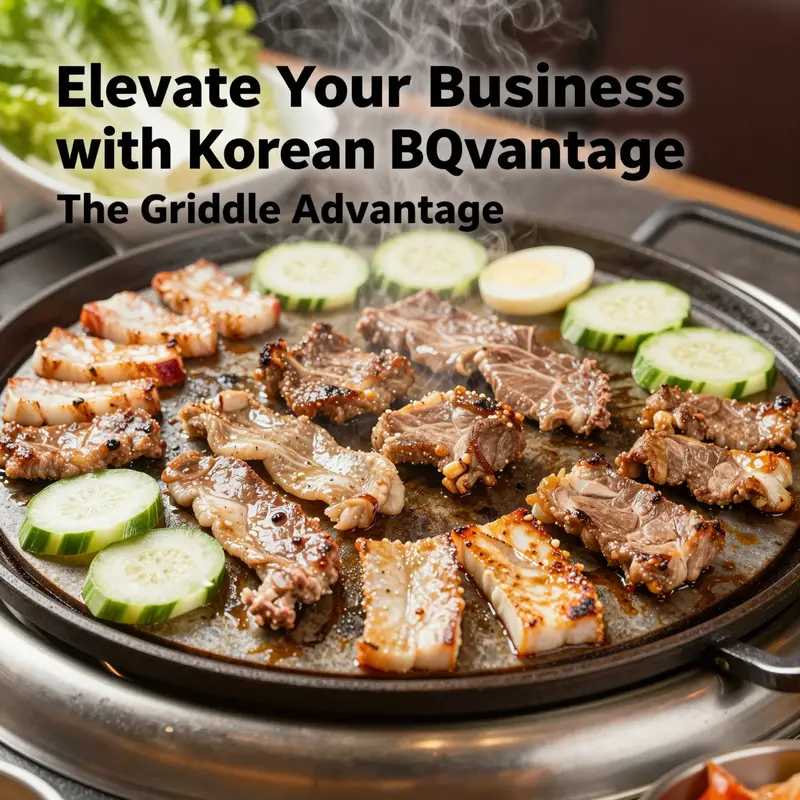
As the culinary world continuously evolves, it’s vital for business owners in the food service industry to adapt and innovate. Korean BBQ has gained immense popularity, promising customers an engaging dining experience filled with interactive cooking. Utilizing a griddle in this setting not only enriches the flavor profile of dishes but also simplifies the cooking process, making it a fantastic choice for restaurants and catering businesses alike. The following chapters will explore why griddles are ideal for Korean BBQ cooking and how to select the right griddle to meet your specific business needs.
The Flat-Top Feast: Mastering Korean BBQ at Home with a Griddle

Recreating Korean BBQ on a flat griddle begins with understanding that a high-heat, even surface can substitute for a dedicated grill. A carbon steel griddle heats quickly, stores heat well, and develops a crust that echoes the restaurant experience. You can sear bulgogi and galbi on the same surface, then push finished pieces to a cooler area to rest while you finish others. This approach gives you control over doneness and smoke, which matters when cooking indoors.
The appeal lies in the crust and the fast sear that seals in juices. The griddle’s flat surface lets you lay slices in quick succession, monitoring color changes and caramelization. Move pieces to hotter edges to finish or to a cooler zone to rest. The result is a crust with depth and a juicy interior, not a dull fry.
Fat management and ventilation become part of the discipline. Even a lightly greased surface can shed fat in a controlled way. If your griddle has grooves, rendered fat channels away from the searing zone, reducing flare-ups and keeping smoke levels manageable. If not, tilt the pan slightly toward a drip tray or use a two-pan setup to catch drippings. This design keeps the cooking environment calmer and more predictable indoors.
Seasoning and maintenance are ongoing parts of the process. Start with a well-seasoned surface and re-season as needed to maintain the patina. After cooking, while the surface is still warm, wipe away residue and apply a thin layer of oil. Let it cool in a dry place and store with a light coat of oil to preserve the patina. Between batches, a quick wipe and re-oil helps prevent flavors from crossing between cooks or courses.
Equipment choices matter too. Carbon steel griddles heat and respond faster than cast iron, which can be a benefit for the quick, dynamic needs of Korean BBQ. Lighter weight means easier handling, quicker preheating, and better compatibility with various cooktops. Pair the pan with sturdy spatulas and long-tipped tongs that let you flip and move slices across the surface with confidence.
What to cook on the griddle ranges from the core bulgogi and galbi to pork belly, chicken, and even beef tongue. Thinly sliced marinated meats sear fast and stay juicy; pork belly can render beautifully, becoming crisp at the edges while remaining tender inside. Vegetables like mushrooms, onions, peppers, and scallions caramelize and provide balance to the richness of the meats.
The social dimension is a centerpiece of this approach. A griddle supports a slow, participatory dining style where guests build their own bites and customize doneness, sauces, and contrasts. The cook becomes a facilitator and guide, not just a turner of meat, inviting conversation as crust forms and aromas rise.
Practical tips keep everything smooth: preheat to a steady high heat, use a light touch of oil on the surface, avoid overcrowding the pan, and work in batches. Rest pieces briefly after searing so juices redistribute and flavors settle. With care, the griddle delivers a restaurant-like crust, juicy interiors, and a hospitality-filled experience right at home.
From Sizzle to Social: Choosing the Right Griddle for Korean BBQ at Home
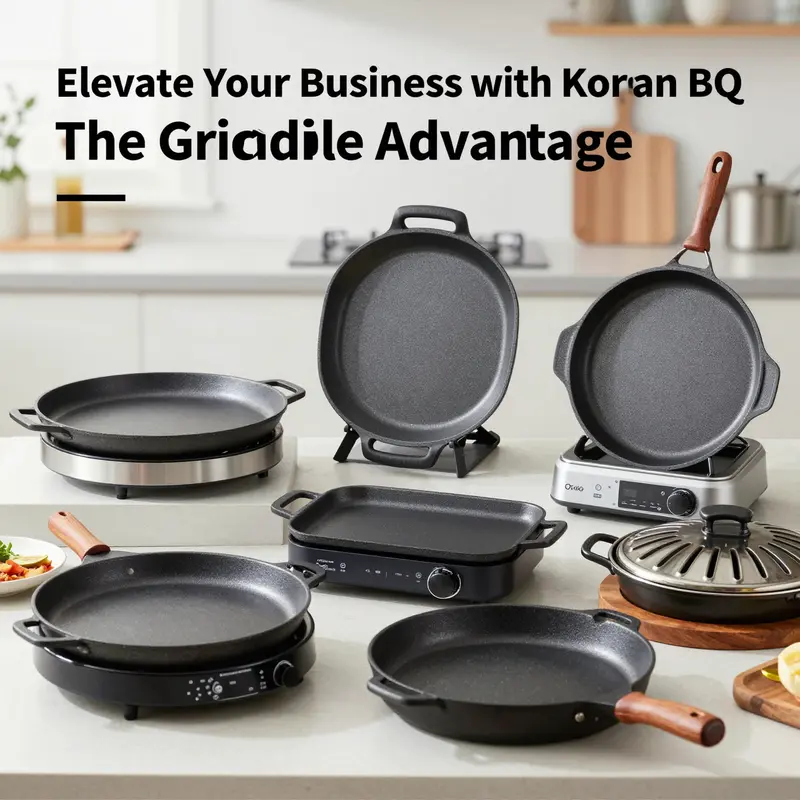
On a quiet weekend, the kitchen becomes a theater, and the question isn’t whether you should grill, but which flat surface will translate the bold, bright flavors of Korean BBQ into a home kitchen without losing the restaurant sizzle. A griddle, in its many forms, offers a surprisingly versatile path to that goal. It is not merely a tool for burgers or eggs; it is a stage where bulgogi marinated beef caramelizes in a rush of heat, where galbi ribs blister with a smoky kiss, and where the rhythm of guests hovering over the center of the table becomes part of the meal itself. The choice you make about your griddle will shape the entire cooking experience, from heat distribution and flavor development to ease of use, safety, and the social magic that makes Korean BBQ at home feel almost like dining at a dedicated grill room.
A griddle’s appeal for Korean cooking comes down to its primary virtue: a large, flat surface that can sear and caramelize quickly while maintaining consistent contact with the meat. Korean barbecue hinges on high heat and rapid browning. A well-seasoned carbon steel griddle pan delivers both, heating up swiftly and holding onto that heat through the sizzle of meat meeting iron. When seasoned properly, the surface becomes almost non-stick, but more importantly it develops a patina that adds flavor as you cook. This is the kind of practical seasoning that converts a simple pan into a functional work of culinary equipment, capable of turning a midweek dinner into a memorable, restaurant-like experience. The kind of experience where diners sear, flip, and douse with a few drops of sesame oil or a fleck of garlic, all while congregating around the pan in conversation rather than watching from a distance.
Before choosing, it helps to map your cooking environment and your desired level of authenticity against the griddle types available. The first option to consider is the round tabletop griddle. This is the closest you get to a traditional Korean BBQ table at home, with a central grilling surface surrounded by seating. The geometry of a round surface promotes even heat distribution and egalitarian access for every guest, so no one is left waiting in line for the next turn. Many tabletop models also feature rotating condiment trays or built-in compartments for sauces and banchan, which keeps the table tidy and the flow uninterrupted. But the social magic comes with a trade-off: round tabletop grills demand space, strong ventilation, and a dedicated area where the device can stay stable and safe while flames and sparks are actively present. If you’re furnishing a room or a dedicated dining area, this can be a dramatic and satisfying centerpiece. If space is tight or if you’re primarily cooking solo or with a small group, a tabletop model may feel less practical than it looks dramatic.
The second path is the portable electric grill, a compact, flexible solution especially friendly to kitchens with limited venting or those who move between spaces. Modern versions often rely on infrared technology to cook quickly with minimal smoke, a boon for indoor use where smoke alarms are never welcome guests. The upside is undeniable: quick heat-up, simple cleanup, and a setup that can be broken down after a meal to reclaim your counter space. The downside, though, is the degree of sear and the depth of flavor you can coax from a higher-heat, direct-grill method. The grills can still deliver a satisfying browning and the characteristic bite of well-seared bulgogi, but many purists will tell you you’re trading some of the smoky complexity and the dramatic grill marks you get from a traditional charcoal or high-heat cast iron surface.
That brings us to the carbon steel griddle pan—a lean, nimble performer that often lands in the sweet spot for many home cooks pursuing authentic Korean BBQ results. Carbon steel heats quickly, distributes heat evenly, and responds with alacrity to changes in flame or temperature. It’s lighter than cast iron yet durable enough to withstand the heating and cooling cycles of a busy kitchen. The surface, if properly seasoned, becomes a natural non-stick surface that supports high-heat searing without sticking and without resorting to heavy oils that can overwhelm delicate marinades. Seasoning is not a one-and-done ritual; it is an ongoing relationship between pan and cook. With regular maintenance, you’ll notice the patina deepen, bringing a touch more flavor to the surface with every use. Of course, carbon steel requires care: avoid sudden temperature shocks that can warp the pan, and keep the surface dry and oiled to prevent rust when not in use. The payoff is a tool lean enough to maneuver easily, yet capable of delivering the furious heat necessary to coax the deepest caramelization on bulgogi and the crisp, lacquered edges on galbi.
In practical terms, many cooks arrive at a simple, effective configuration by marrying the carbon steel griddle with proper technique and a thoughtful kitchen layout. Preheating is essential; give the pan a generous head start so that when you lay down meat, the surface pounces with heat rather than sipping at it. The marinade benefits from that initial contact—dang, the surface browns the sugars and amino acids, creating a flame-kissed crust that locks in moisture and flavor. You’ll often hear the advice to avoid overcrowding; the crowding creates steam and dulls browning. In Korean BBQ, where you’re often searing thin slices or small chunks of marinated beef or pork, keeping the surface in generous contact with the meat is vital. A quick, confident flip is the norm; the goal is to achieve a blissful contrast: a deeply browned, slightly blistered crust on the outside while the inside remains juicy and tender.
By focusing on the cooking surface itself, you begin to understand how the griddle becomes more than a tool. It is a partner in the dining experience, one that shapes both flavor and social interaction. The design of the circle’s heated ring on a tabletop model can democratize the cooking process, enabling multiple guests to participate in the searing ritual at once. A carbon steel pan, on the other hand, invites you to bring a restaurant-like workflow into the kitchen: you control the pace, you learn how to manage fat and juices, and you cultivate a sense of technique that translates across many Korean dishes beyond bulgogi and galbi. The key is balance. If you prioritize authenticity and sociability, a round tabletop unit can be irresistible; if you’re after flexibility and space-efficient performance, a portable electric grill or a carbon steel skillet can be more practical. Each choice carries a philosophy about how you want to cook and how you want to share the meal.
If you’re leaning toward a carbon steel path, there are specific maintenance rituals that pay long-term dividends. Start with seasoning: a light coating of high-smoke-point oil, heated until it forms a slight varnish on the surface. Repeat periodically, especially after you notice any sticking or if the patina looks uneven. Clean with warm water and a stiff brush—no harsh detergents that can strip away seasoning—and wipe dry promptly to prevent rust. A thin film of oil after cleaning seals the surface and maintains the patina. With proper care, the pan becomes less prone to sticking and more forgiving as oils and marinades accumulate a touch of extra flavor. It’s also worth noting heat management. Carbon steel loves high heat, but you’ll get the best results by preheating gradually and then adjusting the flame to keep a steady but intense sear. A roaring blaze can still burn marinade sugars if you’re not careful, and a quick, hot flip is often the best way to achieve a restaurant-like crust without overcooking. In a way, the pan teaches you restraint; too much heat, too much oil, or too much time on the surface can dull the desired texture and balance of flavors.
Beyond the physics of heat and the chemistry of browning, there is a cultural and social dimension to choosing the right griddle. Round tabletop devices can create a shared dining experience that mirrors the communal ethos of Korean meals. The cook becomes the host, and the guests become participants, a dynamic that enhances the perception of authenticity. Yet the kitchen layout, ventilation, and the homeowner’s tolerance for table-centered cooking must be weighed. If you live in an apartment or a space with limited ventilation, the portable electric option or a carbon steel pan on a regular stove can offer a more practical solution while still delivering the lusty sear and the savory aroma that define the meal.
All of this is a reminder that the best griddle for Korean BBQ is not a single perfect object but a set of choices aligned with your space, your cooking style, and your appetite for interaction. For many households, the simplest and most reliable route is a well-seasoned carbon steel griddle pan because it marries high-heat performance with manageable maintenance and the ability to flavor the food through technique and timing. If you crave the theater of a round table and the camaraderie that comes with it, invest in a model that can safely accommodate guests, ensure proper ventilation, and hold up under regular use. If your priority is flexibility—small kitchens, indoor use, and quick cleanup—a portable electric grill can be the star of a compact system that still produces satisfying sear and a reasonable smoke profile. In every case, the core principle remains: heat the surface properly, respect the marination, and let the surface do the work of browning, caramelizing, and shaping the flavors you want to deliver to your guests.
For readers seeking a deeper dive into how to align equipment with specific Korean dishes and serving styles, you can explore a related route that delves into the practicalities of traditional and modern griddle surfaces. If you want to see how a particular setup looks in practice, consider exploring a kitchen that embraces a dedicated grill area as part of the dining experience—you can find more on a related venue and its approach to Korean grilling at Korean Grill Kensington. This example helps illustrate how a surface choice interacts with room layout, airflow, and the social dynamics of a Korean BBQ night. While your own home won’t replicate every element of a restaurant, studying how others integrate a specific griddle choice into their space can help you design a setup that feels right for you and your guests.
In the end, the question isn’t simply which griddle will give you the best char; it’s how you want to cook and dine. Do you want the drama of a communal round-table experience that invites conversation and shared flipping rituals? Do you want a compact, smoke-minimized system that fits into a city apartment without sacrificing flavor? Or do you want to cultivate a long-term, high-heat tool that you can use for a suite of techniques—from stir-fries to quick pan-fried banchan alongside bulgogi? Each path offers a different set of rewards, and each can bring you closer to a home kitchen that feels authentically Korean in both technique and conviviality. The right griddle is less about chasing one perfect piece and more about curating a setup that matches how you cook, entertain, and savor that distinctive, bright, sizzling flavor that characterizes Korean BBQ.
As you move from selection to practice, remember that the most satisfying results often come from starting with a plan that prioritizes heat management, a well-seasoned surface, and an understanding of how you’ll balance marinated meat with the table’s side dishes. Bulgogi and galbi cook quickly; a hot, well-seasoned surface helps lock in juices and create that lacquered crust that signals a successful sear. Pair the surface with the right tools—spatulas and tongs with a comfortable grip, a small oil brush for even distribution, and a wire rack or clean towel to help manage drippings and keep the surface from overheating in unintended ways. The journey toward authentic home Korean BBQ isn’t a leap; it’s a careful, enjoyable progression from surface selection to technique to the shared meal at the end. And with a well-chosen griddle—the one that fits your space and your style—you’ll find that the sizzle is not merely a sound but a sign of a meal well-made, one that invites conversation, laughter, and a sense of togetherness that makes Korean BBQ at home feel genuinely special.
External resource: For a broader, technique-oriented overview of griddle choices and how to optimize heat, browning, and maintenance, see this detailed guide: https://www.seriouseats.com/korean-bbq-griddle-guide.
Final thoughts
Incorporating a griddle into your Korean BBQ operations can significantly elevate the dining experience you provide. Not only does it enhance the authentic flavors that guests expect, but it also streamlines the cooking process, allowing for quicker service and greater customer satisfaction. By investing time in selecting the right griddle for your establishment, you’ll ensure that your business stands out in the competitive food industry, attracting more customers eager to enjoy the delicious and interactive experience of Korean BBQ.