
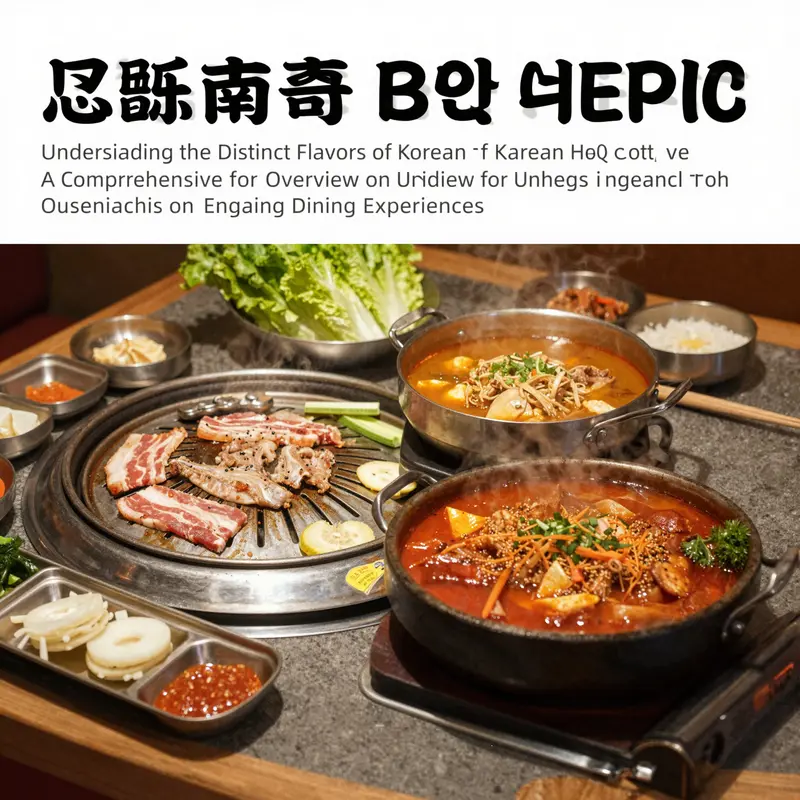
In the culinary world, Korean BBQ and hot pot present unique dining experiences that appeal to diverse clientele. Understanding the nuances between these two popular cuisines is critical for business owners looking to enhance their restaurant offerings. This article delves into the primary differences between Korean BBQ and hot pot, starting with their vastly different cooking methods, then exploring their core ingredients and flavor focuses, and finally examining the distinct dining experiences and social interactions they facilitate. By understanding these aspects, restaurateurs can better position themselves in the competitive dining market.
From Sizzle to Simmer: How Cooking Method Defines Korean BBQ and Hot Pot
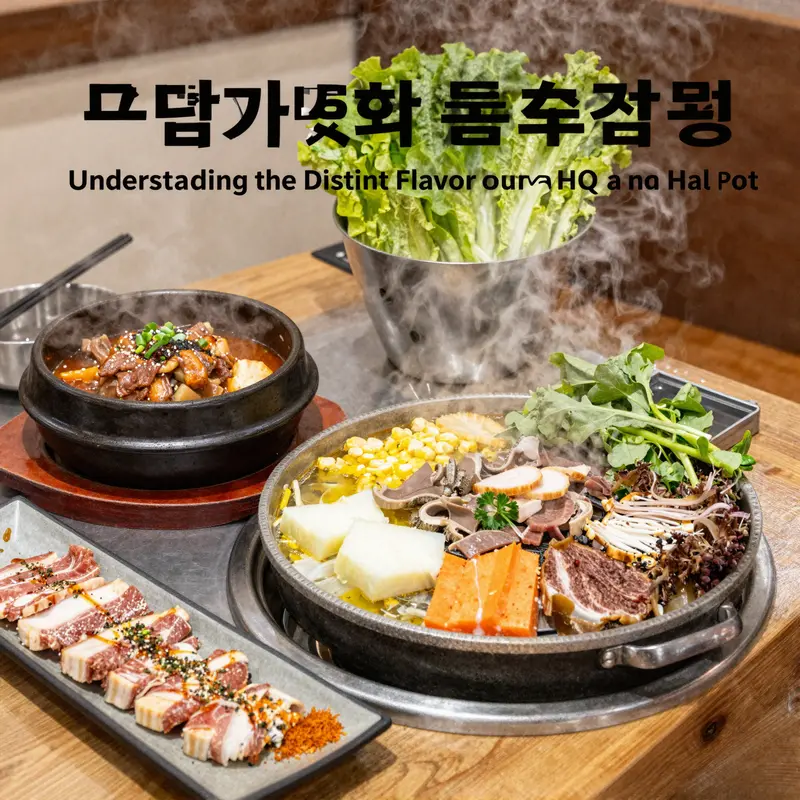
The table is the stage, and the heat is the director. In conversations about Korean BBQ and hot pot, people often gloss over mechanics and focus on taste, but the real distinction starts with how heat to transforms ingredients. The difference in cooking method—grill versus simmer—shapes texture, aroma, pacing, and social rhythm. When you watch a plate of marinated meat hit a hot grill, you hear a telltale sizzle, see fat render and edges caramelize, and feel the ritual of turning and tasting as you go. In a hot pot, the scene centers on a bubbling broth at the center of the table while a chorus of chopsticks and dipping sauces weaves a shared culinary conversation. The method is not merely technique; it sets the mood, expectations, and the way flavors echo through the dining room.
Korean BBQ is built around direct, high-heat grilling. Think of thinly sliced beef, pork belly, and other cuts that can absorb heat quickly and respond with a crisp crust. The process depends on a continuous, near-blinding flame or a hot griddle that sears the surface in seconds. Marinades contribute depth, but the core reward comes from the surface chemistry—the Maillard reaction that creates char, caramel, and a smoky aroma. The diner becomes an active participant: meat is laid down, flipped, watched for the exact moment of doneness, and then wrapped in lettuce with a dab of ssamjang or a dab of sesame oil and salt. The focus is on the bite, the contrast between a slightly crisp exterior and a tender interior, and the sensory satisfaction of a hot, aromatic mouthful.
Hot pot, by contrast, choreographs flavor through liquid. A broth—spicy, clear, herbal, or rich—sits at the center, kept at a steady boil or simmer. Raw ingredients—slender beef or pork slices, shrimp, fish cakes, leafy greens, mushrooms, and noodles—are plunged into the broth for a brief immersion. The cook time is short: a few seconds for delicate proteins, a minute or two for vegetables, longer for starches. The broth absorbs the essence of every addition, and the pot becomes a living flavor map. Unlike grilling, where texture and surface flavor take the lead, hot pot elevates the broth as a canvas and the ingredients as color and texture swatches. Dipping sauces run as a companion narrative—rice vinegar bite, sesame paste smoothness, chili heat—yet the primary taste you chase is the evolving broth itself, enriched with the collective ingredients.
The core ingredients and their focal points reflect this divergence. In Korean BBQ, the star is undoubtedly the meat. Marinades—soy-sweet, peppery, or pepper-kaste marinade profiles—accent the meat’s natural tenderness, and the table’s alchemy comes from shimmering fats and scorching edges. Side dishes, or banchan, supply bright contrasts: pickled vegetables, light salads, and fermented flavors that clean the palate between bites. Wraps of fresh lettuce or perilla leaf create a handheld parcel—meat, a dot of paste, a crunch from a crisp vegetable—culminating in a compact, intensely flavored mouthful. In hot pot, the broth takes center stage. The spectrum of broths—from clear and delicate to intensely spicy—provides the baseline flavor across the meal. The raw ingredients act as flavor vehicles, their quality and freshness determining how well they carry their share of broth notes into each bite. Sauces become amplifiers, but the anchor remains the liquid, the way it stews and sings with every simmering drop.
The dining experience mirrors these culinary mechanics. Korean BBQ emphasizes live cooking, shared attention to heat control, and the social dance of timing—when to flip, when to rest, when to pull a piece for a quick, hot finish. It is kinetic, tactile, and relational; diners negotiate heat, manage grills, and savor the chase between flame and bite. Hot pot, meanwhile, unfolds as a collaborative ritual built around the shared pot. The conversation shifts to ingredient selection, broth customization, and the interplay of flavors as each participant adds items, tastes, and dips. The action is slower, more contemplative in some ways, even as the broth boils with energy. Both experiences are communal, but they cultivate different kinds of togetherness: one through the intensity of a grill-side performance, the other through the patient, communal evolution of a bubbling broth.
Texture and texture transformation further distinguish the methods. Grilling fuses aroma and crust in a rush; the outside of a bite can be charred and crisp while the inside remains juicy. In hot pot, the texture evolves with immersion: a seared-looking edge can become delicate after brief contact with broth, and noodles soften in the simmering liquid. The sensory journey, therefore, is not just about taste but about how heat guides the bite—from the crackle of char to the yielding pull of well-cooked noodles. The differences extend to bodily pacing: grill-time is a series of quick decisions, while hot pot encourages a slower, shared pace, with conversations punctuating the simmering horizon.
For readers exploring both experiences, a practical note emerges: choose a setting that foregrounds the cooking method you crave. If you want to master a quick, dramatic flavor with a caramelized crust in every bite, Korean BBQ delivers. If you want to savor a long, evolving conversation of flavors in a single pot, hot pot offers a meditative, interactive experience. Even within a single restaurant concept, the marriage of these approaches can illuminate the contrasts side by side—how a single table can transform depending on whether heat is delivering a sear or a simmer. A helpful example of this integrative potential can be found in, for instance, venues that blend both styles in a single space, inviting guests to compare the two methods in one evening. For those curious to see a practical illustration of how these methods contribute to dining texture and tempo, the Moon Korean BBQ and Hot Pot offers a concrete reference to this kind of cross-style experience. While technique explains much, the story of Korean BBQ versus hot pot ultimately unfolds at the table, where sizzle and simmer each write their own chapter into the meal. To broaden the context beyond the dinner table, an external overview of hot pot as a culinary form can be found here: https://en.wikipedia.org/wiki/Hot_pot
Sizzle and Steam: Core Differences Between Korean BBQ and Hot Pot
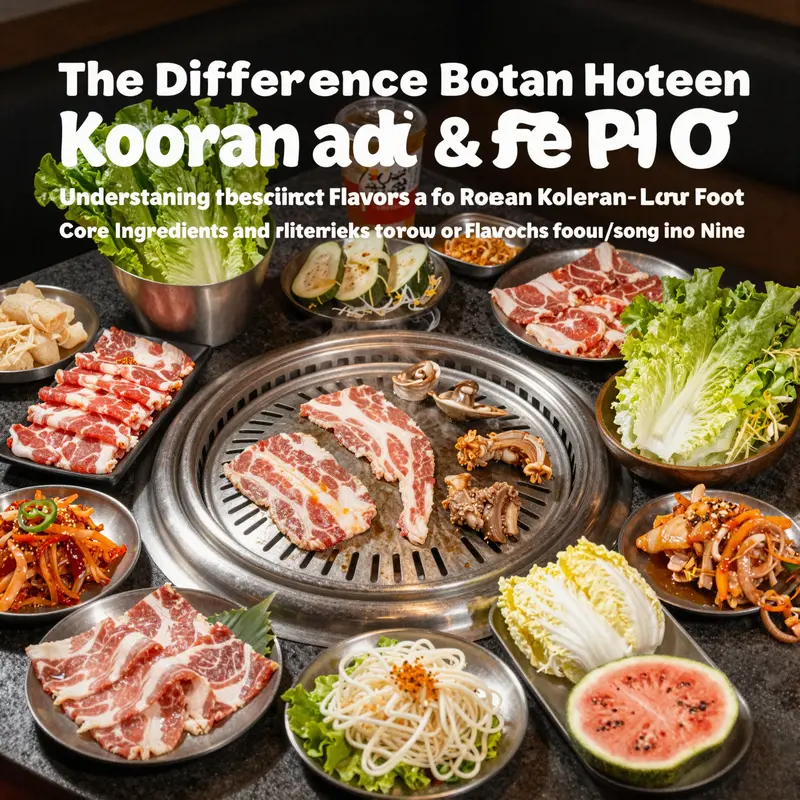
Two ancient appetites share a modern stage: the brisk, social thrill of Korean BBQ and the comforting, communal ritual of hot pot. Yet they stage different conversations about fire, broth, and flavor. Reading them side by side reveals how cooking method shapes not just what ends up on the plate, but how people interact with food, each other, and the idea of shared nourishment. Korean BBQ centers on the grill, the quick dance between meat and flame, the audible hiss as fat meets hot metal, and the moment of decision when a piece is flipped, rested, and wrapped in greens with a dab of sauce. The core spectacle is the meat itself: thin slices of beef, pork belly, or sometimes chicken, brought to the table already marinated and ready to sizzle. The grill acts as an entertainer and a crucible, concentrating flavor through direct heat and caramelization. Fresh vegetables join the cast, providing crisp contrast and balance. The dining ritual honors the immediacy of taste: you watch the color change, you hear the sear, you bite into something that carries the aroma of sesame oil, garlic, and pear sweetness. What makes the experience distinctive is not only the technique but the invitation to personalize. Diners curate wraps with lettuce and perilla leaves, layering marinated meat, fresh greens, and a gochujang-tinged dip. The plate becomes a small stage where restraint and abundance share the spotlight, and the act of wrapping one bite feels like composing a tiny, savory envelope for your next mouthful. In this world, flavor emerges through a blend of marinade, smoke, and the textural contrast between crisp-edged meat and tender interior. The sauces, though varied, are often designed to complement rather than overwhelm, letting the true character of the meat—its fat, its marbling, its subtle sweetness—shine through the kiss of heat. The effect is bright, lively, and immediate: a chorus of sizzling sounds, the aroma of sesame and garlic, and the communal sense that everyone contributes to the meal by taking turns at the grill.
Hot pot, by contrast, invites a slower, more contemplative immersion. The centerpiece is a bubbling pot of broth, simmering with herbs, bones, spices, or a hint of chili heat. The broth is the real protagonist here, a living canvas that informs every bite. As it simmers, it gathers the flavors of its components—beef or pork slices, delicate seafood, leafy greens, mushrooms, noodles, and dumplings—so that each piece absorbs a portion of the pot’s character. The table crowd co-creates the meal by selecting ingredients in turn and dropping them into the pot, a ritual that feels less like presenting a final product and more like composing a shared, evolving soup. The broad variety of ingredients is not merely filler; it is a kind of edible alphabet through which diners communicate preferences, memories, and curiosity. The emphasis is on balance within the broth, allowing it to meld with the added ingredients until a harmonious, layered taste emerges. The broth’s flavor can range from clear and soothing to richly spiced, even startlingly numbing in the presence of chili and Sichuan pepper. What binds the experience is the sense of patience and teamwork: everyone contributes to the broth’s evolution, and each person influences the final flavor by choosing a different combination of ingredients to mingle in the pot.
The flavor logic in Korean BBQ and hot pot diverges at a fundamental level. In the former, marinade plays a starring role. Soy, sugar, sesame oil, garlic, and fruit like pear or apple juice are common, creating a sweet-savory profile that deepens with the grill’s char. The sauces work as a counterpoint to the meat’s brightness—ssamjang or similar blends deliver warmth and a touch of heat without masking the meat’s natural notes. The wrap in lettuce or perilla leaves provides a fresh, herbal counterpoint and helps lift the richness of the meat to a more balanced plane. In hot pot, the broth is the chorus. Meat and vegetables absorb and reflect its essence, turning a simple ingredient into a participant in a larger symphony of taste. The broth can be aligned with regional traditions—clear, peppery, or deeply umami—each choice steering the meal in a distinct direction. Rather than chasing a single flavor profile, hot pot invites a mosaic of textures and flavors that evolve with each new dip into the pot. The social dynamic mirrors this difference: Korean BBQ emphasizes the skill and rhythm of grilling, inviting spectators and performers to engage with heat, timing, and wrapping techniques. Hot pot emphasizes shared pacing and collective listening to the bubbling pot, a ritual where the group co-authors the final taste by selecting what to cook and when to add it.
To glimpse a blend of these ideas in a single dining concept, consider a restaurant experience that foregrounds both sizzle and simmer, letting guests switch between a metal grill and a communal pot. The juxtaposition makes clear how versatile these formats can be, while also clarifying why many diners gravitate toward one over the other on any given night. For readers curious about how these two formats connect in a broader culinary landscape, a thoughtful exploration can be found here: Moon Korean BBQ and Hot Pot.
Ultimately, choosing between Korean BBQ and hot pot often comes down to mood and company. If you crave the immediacy of texture, the crisp bite of seared meat, and the playful act of wrapping a perfect bite, BBQ offers a high-energy, performance-driven dining experience. If you long for a slower, more communal meal where every person contributes to a living broth, letting the group savor a evolving map of flavors, hot pot provides a comforting, inclusive atmosphere. Both meals honor the social dimension of eating and reward curiosity about how heat and liquid can transform ingredients. In each case, the core ingredients and their treatment reveal a culture’s approach to time, cooperation, and flavor: one through direct fire and bold marinades that celebrate the shine of freshly cut meat, the other through patient simmering and the shared genius of a pot that welcomes every guest to add their voice to the broth. For those who study the culinary crossroads of East Asian dining, these differences are not barriers but invitations to understand how cooks convert simple ingredients into communal, memorable meals.
External resource: https://en.wikipedia.org/wiki/Korean_barbecue
Grill, Broth, and Bond: The Social Flavor of Korean BBQ vs Hot Pot
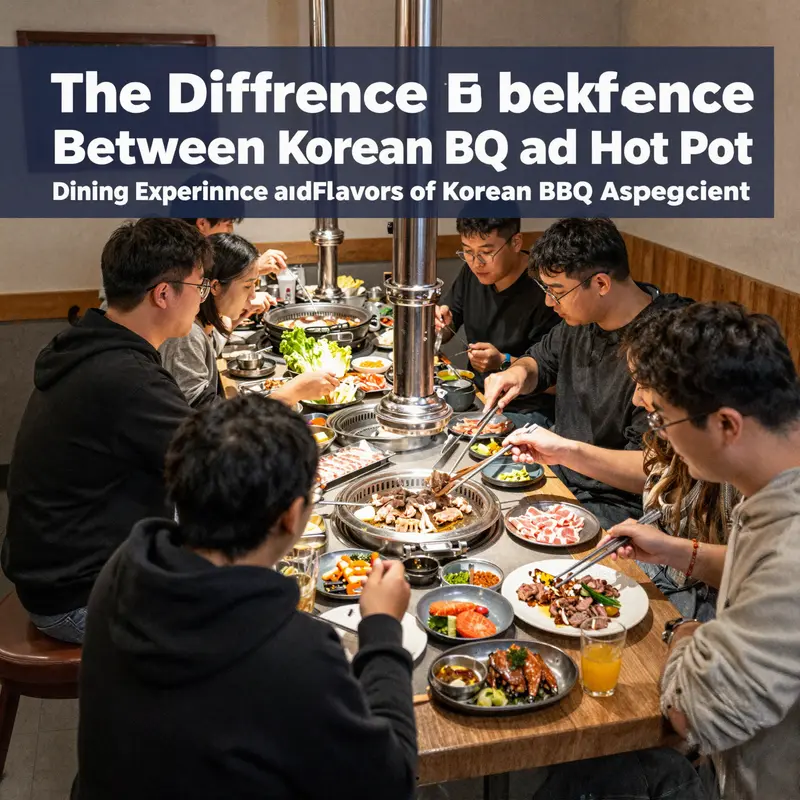
At the table, heat becomes a language and scent a memory. Korean BBQ and hot pot share a table, shared anticipation, and the simple idea that food is a collective act. Yet their rhythms diverge enough to shape two distinct dining moods. Korean BBQ presents itself as a stage for quick decisions, visible progress, and lively exchange. The grill sits at the center, and guests coax slim slices of meat onto the hot surface, watching fat glisten and edges char. The room fills with the crackle of fat, a smoke-tinged aroma, and a chorus of chatter as conversations ricochet between bites. Side dishes arrive in abundance, adding color and brightness to each plate. Wrapping a bite in a crisp lettuce leaf with a dab of sauce becomes a small ritual—an interactive moment that invites both a smile and a story to begin. In many venues, the ambience crackles with energy, the background music tuned to feel contemporary and convivial. A 2025 review of a popular Korean BBQ restaurant notes the draw for casual, friends-and-family gatherings, where the social texture around the grill matters as much as the flavors. The seating is arranged to encourage cross-table conversation, the lighting glows warm rather than clinical, and the soundscape blends sizzling sound with easy laughter. This is not merely about eating; it is about participating in a sensory ritual that makes time feel flexible and conversation easy. Within this setup, the meal often stretches beyond the plate into shared memories that shape expectations for future visits. Hot pot shifts the axis toward a slower, more intimate form of collaboration. The center of gravity is the simmering pot, a shared vessel inviting everyone to contribute, taste, and adjust as the broth evolves. Diners select raw ingredients—beef or other meats, seafood, vegetables, mushrooms, and noodles—and slide them into the bubbling liquid. Cooking becomes a patient ritual: wait for the moment a morsel is ready, fish it out, and let the flavors mingle. The broth itself can be delicate or assertive, clear or richly seasoned, and it often dictates the mood of the table more than the meat does. In this setting, the pace slows and conversations take on a more contemplative tone. People speak in shorter, thoughtful bursts as they gauge the broth’s character and discuss how much pepper or spice to introduce. The act of sharing a pot fosters closeness; it invites quieter listening, mutual care, and a sense of communal nourishment. The ingredients themselves can pick up garlic, herbs, and salt in evolving ways. Because the pot remains the focal point, diners are drawn into a collaborative awareness—who adds what, when to pull something out, and how long to let it simmer. This atmosphere leans toward calm and connection, a counterpoint to the brisk energy of grilling. It is not slower for the sake of slowness but slower because flavor deepens as time passes and every participant contributes to the evolving palate. Even large groups gain intimacy around the pot, and the shared center invites careful observation, patience, and mutual satisfaction rather than a race to finish. In both cuisines, hospitality is expressed through shared food, but hot pot makes hospitality a practice of co-creation, while barbecue celebrates hospitality as a communal performance around heat. Within these tempos lies a broader cultural logic about nourishment and social life. Korean BBQ treats food as a lively spectacle of flavor, technique, and camaraderie, where cooking together reinforces bonds and signals belonging. The sizzle and the choreography of wrapping bites become a language of connection. Hot pot, by contrast, treats nourishment as a collaborative craft where patience and empathy shape the meal. The broth binds the group through shared taste, and the slower pace allows more deliberate listening and conversation. The environments reflect those values: many BBQ spaces aim for dynamism, while hot pot rooms favor a softer, more intimate ambiance that invites extended dialogue. The 2025 review hints at these dynamics in a modern BBQ setting, where lingering laughter and participation in a ritual blend cooking with conversation. Yet both formats honor a central truth of communal eating: food tastes better when people feel involved, seen, and purposeful in their shared creation. The differences illuminate how dining spaces educate our senses and shape our relationships as much as our menus do. Choosing between them often comes down to mood as much as appetite. If you crave a kinetic, social dance around fire—where the focus is on searing and savoring a succession of bites—Korean BBQ offers a vivid, energetic experience that rewards quick decisions, playful experimentation, and a sense of shared performance. If you seek a more reflective, collaborative experience where flavor deepens through slower simmering and careful tasting, hot pot provides a calm, inclusive space for conversation and mutual discovery. Restaurants typically curate these atmospheres through seating, lighting, and the way cooks interact with the table. A single visit can reveal a spectrum: a moment of boisterous grilling followed by quiet, aromatic broth-sampling. The difference also informs what the staff emphasize—heat management and timing for grilling, versus broth selection and ingredient pacing for hot pot. In both cases, the social contract remains clear: these meals invite you to participate, listen, and share. Hospitality here is less about serving food and more about coordinating a communal experience where each person contributes to the collective flavor. For readers curious to explore venues that reflect this duality, consider the Moon Korean BBQ and Hot Pot page, which frames a space designed to harmonize both cooking styles under one roof. For broader context on how these methods relate to related barbecue traditions, see the external reference that examines flavor and technique across similar styles: Korean BBQ vs Japanese BBQ: main difference in flavor and style.
Final thoughts
Recognizing the core distinctions between Korean BBQ and hot pot not only enhances a restaurateur’s menu offerings but also shapes the overall dining experience provided to guests. By implementing elements from both dining styles, restaurant owners can attract a broader audience and encourage repeat visits. The interactive, communal nature of both Korean BBQ and hot pot invites diners to engage meaningfully with their meals, emphasizing the importance of experience in today’s dining landscape.