
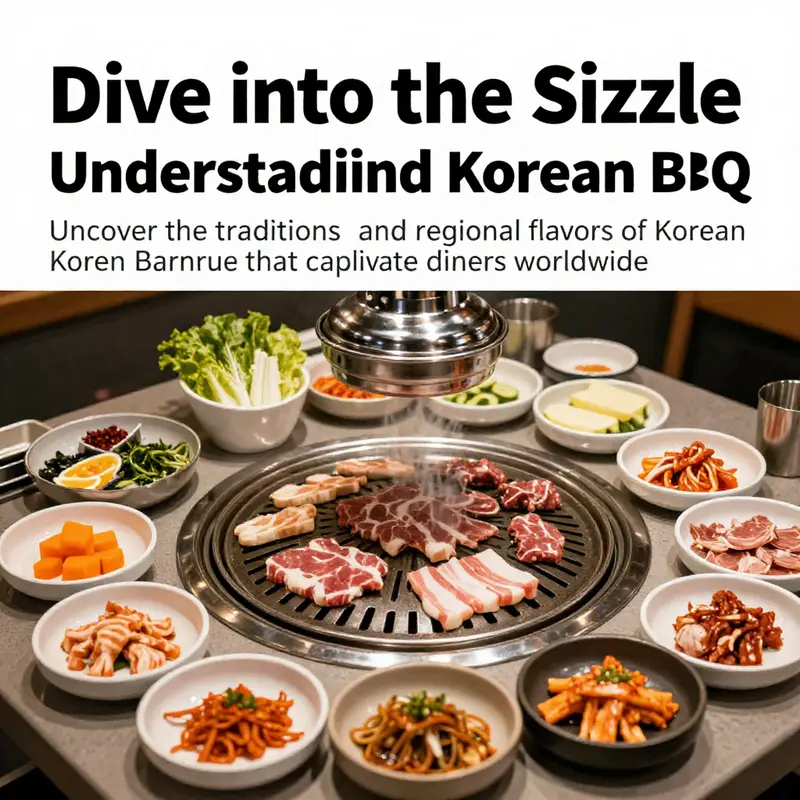
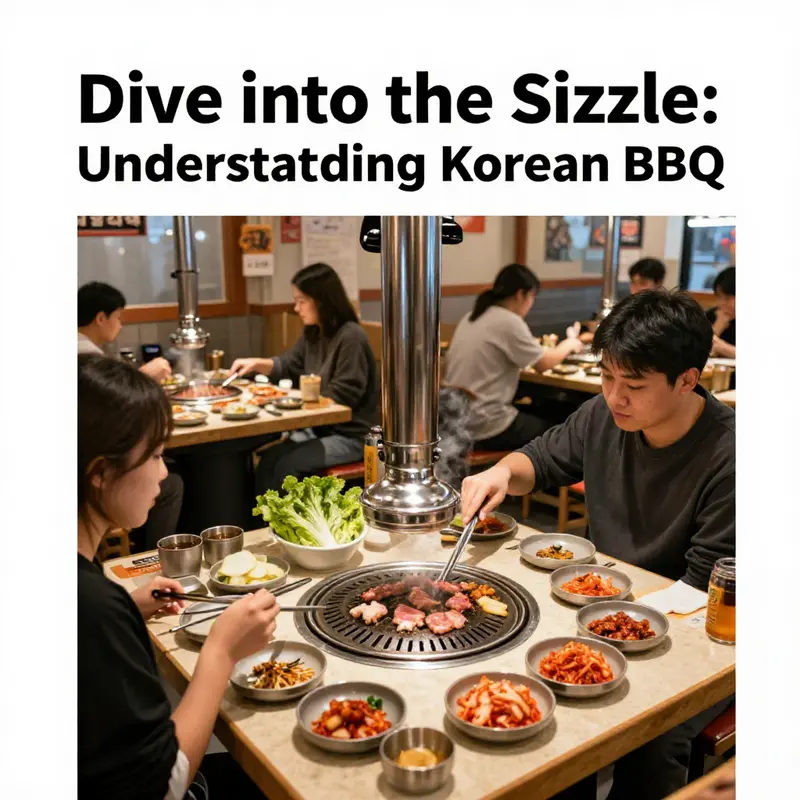
Korean BBQ has grown from local roots to a global phenomenon, inviting food lovers to explore its grilling rituals, shared plates, and social dining experience. This article breaks down the defining elements of Korean BBQ for both enthusiasts and business owners looking to capitalize on this distinctive format.
null
null
Culinary Variations of Korean BBQ: Exploring What’s Korean BBQ in Different Regions
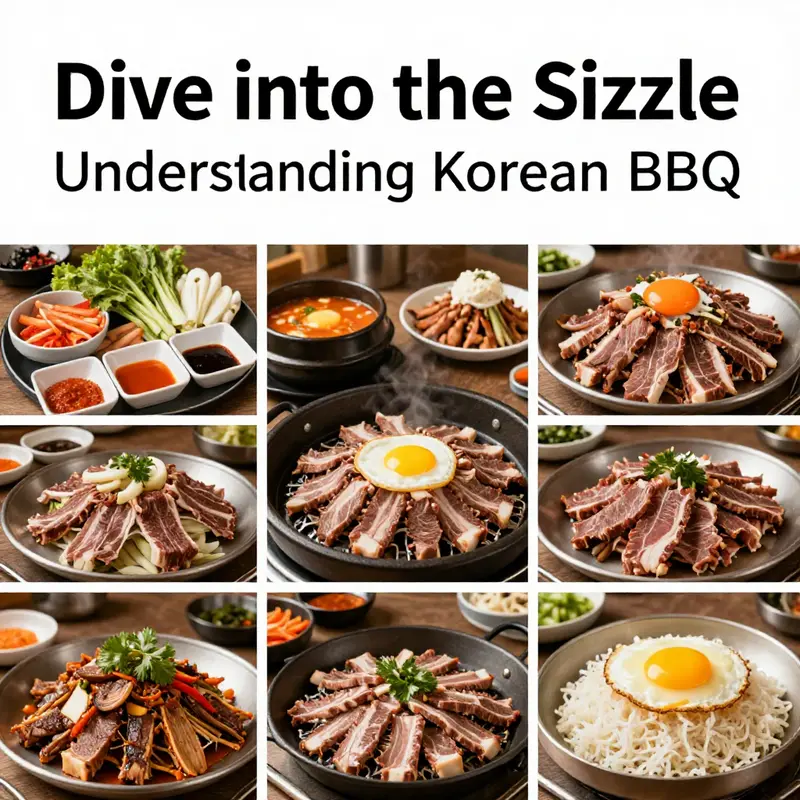
Across the map of Korean barbecue, the core ritual remains the same: marinated meat lands on a hot grill at the table, friends swap tips, and lettuce leaves appear with ssamjang and pickled vegetables. Yet the flavors do not follow a single script. They drift with city winds, local markets, and the kitchens that have perfected this method for generations. The chapter on culinary variations invites us into the heart of Korea’s two most influential hubs–Seoul in the north and Busan on the southern coast–and uses them as a lens to show how regional tastes reshape the same act of grilling into distinct mouthfuls of memory.
In Seoul, culinary innovation rides on balance. The dominant style leans toward a refined, slightly sweet note that still carries the savory depth of soy and sesame. Bulgogi, or ‘fire meat’, becomes a showcase for this balance. The marinade typically features a generous touch of sugar or honey, brightened by soy sauce and sesame oil. Garlic and grated Asian pear do more than flavor; they tenderize and lift the meat with a fruity acidity that keeps the dish from cloying. Even the aroma carries a whisper of Jungshik, the royal court cuisine, updated for modern urban life. It’s not a single sweetness, but a layered sweetness that supports the marbled texture of the meat and the smoky finish of the grill. The result is a dish that reads as sophisticated town-silk rather than rustic street-food, while still delivering the comfort that makes Korean barbecue a social ritual.
Busan, by contrast, asserts its maritime pride with bolder, more assertive heat. Dwaeji Bulgogi, the spicy pork interpretation, leans into gochujang and gochugaru with a confidence born of the coast. The sauce often carries a higher concentration of chili paste, pepper paste, and heat that lingers on the palate. Deep umami comes from fermented seasoning, but the heat is the star, tuned to be bright rather than overwhelming. The pork belly in Busan versions is sliced a touch thicker or treated with a brisk, fiery bath that helps the meat absorb the spice without losing its juiciness. The result is a dish that feels regional in the most literal sense–sunlit by sea air, sharpened by trade, and tempered by a community that respects robust flavors as much as the refined sweetness of the capital.
And yet the differences are not just about heat and sweetness. The grilling rhythm itself tells a story. Seoul’s cooks often emphasize even, controlled flames, letting the marinade melt slowly into the meat as it cooks. There is a patience that mirrors the city’s appetite for nuance–an interplay of sweetness that flares briefly and then settles into a complex glaze. Busan’s approach can feel more brisk and bold, with higher heat and quicker cooking that preserves a crisp edge and a sizzle that speaks of harbor nights and market stalls. The bite-sized pieces shared around a table serve a purpose beyond sustenance; they create a rhythm for conversation, a tempo for laughter, a way to balance the intense flavors with the cool, crisp greens and rice that accompany the meal.
The accompaniments reinforce the regional flavors. In Seoul, banchan are often a study in restraint–mild kimchi, light pickled radish, delicate steamed vegetables–that provide texture and contrast without stealing the show from the meat. In Busan, banchan can mirror the main dish’s intensity: sharper kimchi, spicier pickles, and occasionally more fermented depth that echoes the gochujang backbone. The lettuce wraps and ssamjang act as a stage for customization, inviting diners to build their bite by bite. A single leaf becomes a canvas for the meat, a dab of sauce, and a spoonful of rice. It’s this modular, hands-on nature that makes Korean barbecue a social experience rather than a straightforward meal.
Regional variations also evolve with the ingredients at hand and the voices that populate the kitchens. Seoul’s markets pull in an international pantry with equal comfort, inviting influences that subtly brighten the profile without overpowering the core character of the marinated meats. The pear or apple tenderizes, but the marinade remains anchored by soy, sesame, and garlic–a triad that travels well when a dish is plated in a modern, cosmopolitan setting. Busan’s supply chains are anchored in the coast, where fresh seafood appears on every stall and where heat and smoke mingle with sea salt and fermented seasonings. The resulting Dwaeji Bulgogi borrows a coastal confidence–spice-forward, deeply savory, and always ready to spring a pungent finish that lingers in memory.
Viewed together, these regional expressions reveal something essential about Korean barbecue: it is not a fixed menu but a conversation. The core technique—tableside grilling, rapid searing, and a chorus of side dishes—remains constant, while the flavor vocabulary shifts with geography, history, and taste. The practice travels well, of course, and as it travels, cooks and diners adapt. The same simple act of arranging meat on a hot grate becomes a vehicle for storytelling–a way to remember harvests, trade routes, and neighborhood identities. That is why, even when menus around the world label dishes as Korean BBQ, the plate in a Seoul restaurant and the plate in a Busan joint tell different stories through a shared method.
For readers who are curious about tracing these threads beyond Korea, a taste for regional nuance can be satisfied by exploring menus that foreground spice, sweetness, and balance in equal measure. The same principle of sharing food at a communal table translates across continents, even as the sauces and techniques borrow from local markets and personal memories. A traveler might notice how a dish labeled bulgogi adapts to a city’s climate and palate–thin sheets in warmer months to keep the meat tender and accessible, thicker cuts when the air grows cooler and the appetite grows bolder. And in the way that diners assemble a wrap, with lettuce, a smear of ssamjang, rice, and kimchi, the experience becomes a personal sculpture of flavor, texture, and time.
If you want a concrete waypoint to imagine regional variation in a modern, accessible setting, you can look to places that curate the concept for travelers and locals alike, such as korean-bbq-las-vegas-near-me. This link, while geographically distant, echoes the same principle: the same technique, adapted to place, invites diners to discover what the region has to say through smoke, heat, and glaze. The global reach of Korean barbecue means that the heart of Seoul’s elegant restraint and Busan’s bold heat travels far beyond the peninsula, shaping menus, attitudes, and rituals wherever the grill is lit.
External resources offer a broader panorama of the technique and its regional inflections, providing a useful companion to any deeper dive into this cuisine. For a concise, cross-cultural overview of Korean barbecue, see the external resource: https://en.wikipedia.org/wiki/Korean_barbecue
In the end, the variations across regions illuminate a larger truth: Korean barbecue is a living tradition, continuously rewritten by cooks, markets, and mouths. It travels through cities and continents, yet it keeps returning to the table as a shared ritual. The flames that mark the moment of cooking become the punctuation of friendship, memory, and appetite. And within that shared ritual, Seoul’s refined sweetness and Busan’s fierce heat stand not in opposition but as complements–two arrows in the same quiver aimed at delivering a memorable bite and a longer, warmer conversation.
Counting the mile markers of this culinary journey, we see how nearby traditions and distant influences shape the flavors that reach the grill. The next chapters will extend this map, tracing how other regional voices add their own textures to a dish that is at once simple and endlessly complex.
Final thoughts
Korean BBQ offers a rich cultural and culinary landscape for restaurants, emphasizing shared dining, interactive grilling, and regional diversity to inspire menus and attract a broad audience.