
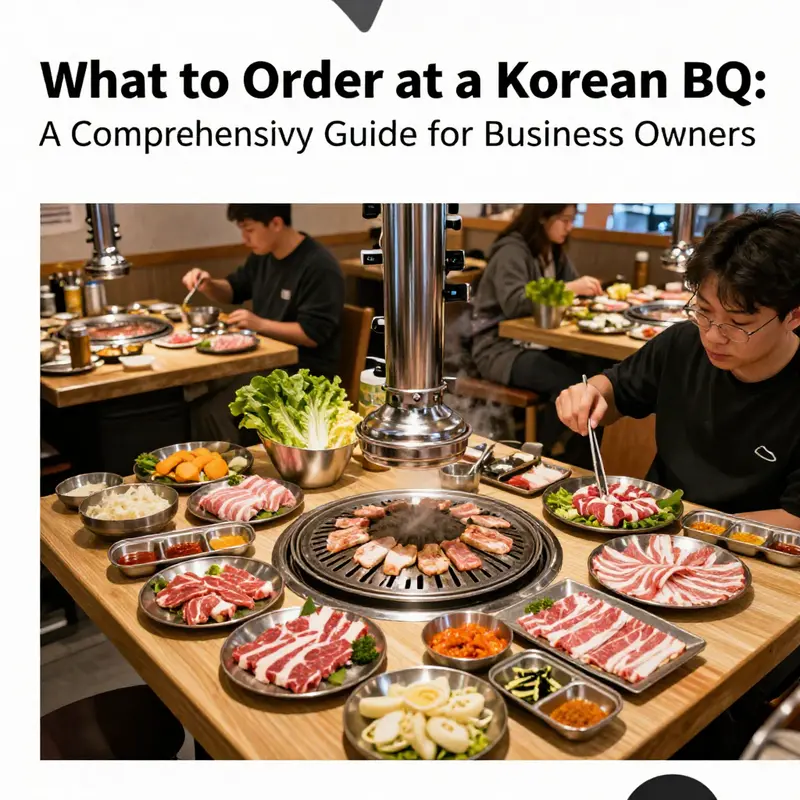
Korean BBQ isn’t just a meal; it’s a cultural experience that combines flavorful meats with refreshing sides and beverages. For business owners looking to impress clients or boost team morale, knowing what to order can significantly enhance the dining experience. This guide dives deep into must-order meats, key sides and condiments, and perfect beverage pairings at a Korean BBQ, helping you create a memorable outing that balances richness with refreshing flavors.
Fire on the Table: Essential Meats that Define a Korean BBQ Experience
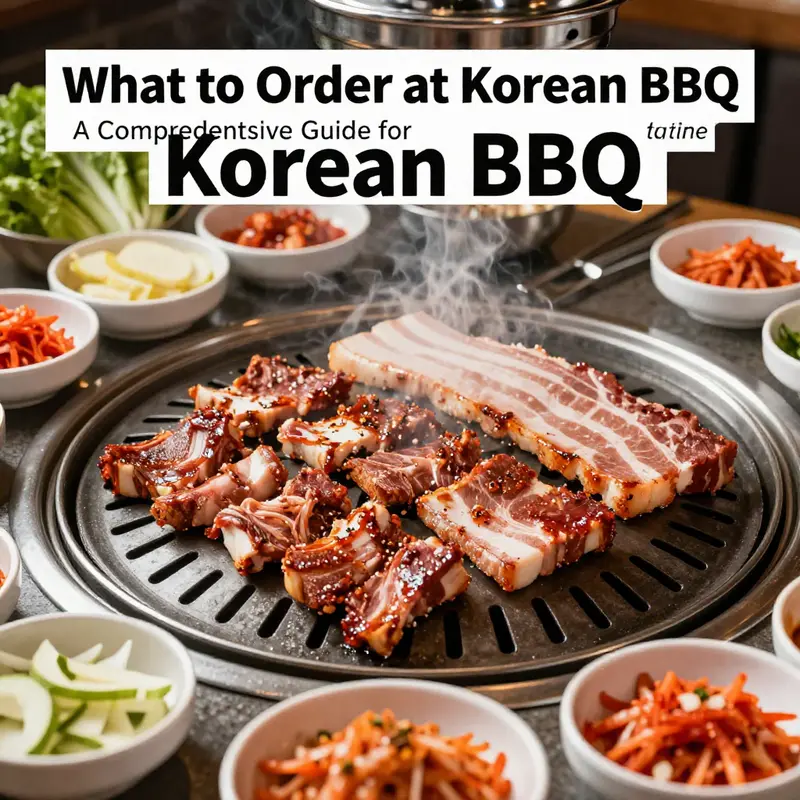
When you sit down to a Korean barbecue, the table becomes a small stage for flavor, heat, and shared ritual. The meats you choose set the tone for the whole meal, guiding the rhythm of grilling, wrapping, and tasting. The most essential picks showcase the cuisine’s core techniques: fast, high-heat searing, precise marination, and a balance of sweet, salty, and savory notes. A well-rounded order usually threads three pillars—a tender beef, a richly marbled pork, and a distinctive, punchy option that pops with spice or caramelized sweetness. The goal is not to overwhelm the palate but to create a spectrum of textures and flavors that your table can explore together, bite by bite.
Begin with bulgogi, the iconic marinated beef that often serves as a gateway to Korean barbecue for first-timers. The beef is sliced thinly to maximize surface area, allowing the marinade to cling and caramelize quickly on the ripping-hot grill. The sauce typically blends soy, sesame oil, sugar, garlic, and a fruit juice such as pear or kiwi to tenderize. The result is meat that exhales umami on every bite, balanced by a gentle sweetness that intensifies as the edges char. When you plate bulgogi, listen for that soft crackle as the meat meets the iron, and savor the way the slices curl at the edges, catching a kiss of smoke. A practical trick is to let the first few minutes of grilling lay down a light crust, then flip once for a glossy finish that remains juicy inside. For a deeper dive into bulgogi’s classic preparation, you can explore bul-gogi-korean-bbq.
Next comes galbi, the grilled short rib that often earns “showpiece” status on a shared table. The cut’s natural fat pairs with a marinade that leans into sweetness and a deeper color from a longer sugar exposure. The result is a crust with a lacquered sheen, a testament to attentive heat control. When galbi hits the grill, it sizzles with a confident aroma that signals a richer bite than beef alone typically offers. As it cooks, you’ll notice the meat becoming tender yet resilient, each bite offering a kiss of soy-sugar balance and a subtle caramel edge. The grill line leaves a pleasing pattern, and the fat renders to give the rib a luxurious mouthfeel that cuts through robust banchan and rice. The goal with galbi is to achieve a glaze that clings rather than pools, so you can fold a slick of meat into a lettuce wrap with the crisp crunch of raw garlic and a dab of ssamjang for contrast.
Then there is samgyeopsal, the pork belly that fans crave for its texture range and social appeal. These thick slices, often unmarinated, render their fat as they cook, evolving from pale to a crisp, almost crackling edge while the center remains juicy and deeply flavorful. Samgyeopsal is almost always enjoyed wrapped in a lettuce leaf, with garlic, a sliver of onion, a dab of spicy paste, and a piece of rice to anchor the bite. The fat’s melt creates a luxurious mouthfeel, while the leaner pockets provide the bite that keeps the meal balanced. This dish invites a tactile ritual: you stack the meat, fold it into a leaf with your chosen condiments, and then savor the combination of smoky pork, cool lettuce, and a hit of gochujang or ssamjang. It is a social dish by design, designed to be shared and mastered through timing and texture.
A modern counterpoint to these table-ready favorites is a honey-glazed or honey-soy variation of beef belly. This cut is not purely traditional, but its glossy, caramelized finish adds a seductive contrast to the leaner meats. The glaze emphasizes sweetness with a restrained savoriness, producing a sticky crust that clings to the meat but still lets the natural beef flavor speak. It’s a tempting option when you crave a dessert-like crust that does not overwhelm the meat’s intrinsic umami. Pair this with crisp banchan and a cool rice base to keep the palate refreshed as you progress through the grill. The best approach is to treat it as a loud exclamation point at the end of a sequence, letting its sticky glaze linger on the tongue as other cuts wind down.
Beyond these anchors, the meal often unfolds with complementary dishes that cleanse the palate and balance richness. Pickled vegetables bring crunch and brightness to cut through fat, while kimchi adds a tangy counterpoint that wakes the mouth between bites. A thick, spicy-sweet ssamjang serves as the connective glue for wraps, marrying bean paste depth with chili warmth. The lettuce or sesame leaves act as a fresh vehicle for the meat, rice, and condiments, transforming every bite into a small, personal sandwich of texture and flavor. The rice serves as a blank canvas to absorb sauces and temper heat, providing a neutral stage for the more assertive meats to shine.
When thinking about order and pacing, a practical rhythm emerges. Start with bulgogi to ease the table into grilling with a familiar, approachable profile. Move to galbi next, letting the beef’s deeper sweetness accumulate over the flames. Then bring in samgyeopsal for texture variety and a pronounced savory richness from the rendered fat. If you choose to include the honey-glazed beef belly, place it toward the middle or near the end of the grilling session, so its glaze can cling to the meat without overcooking. The final course can be a small plate of jeyuk bbang—spicy pork stir-fry served over rice or as a sharing dish—offering a bold finish that complements the rice and wraps rather than competing with the grilled meats. Jeyuk bbang is not typically grilled at the table; it arrives as a flavorful, satisfying accompaniment that echoes the gochujang heat found in other elements of the meal.
A well-curated selection also invites a gentle balance of textures—tender, chewy, crisp, and velvety. The interaction between protein and sauce is where the magic happens: the bulgogi carries sweetness that the ssamjang and kimchi offset with acidity, while galbi’s stronger sweetness becomes a counterpoint to the crisp lettuce and rice. The pork belly’s fat renders into a juicy, indulgent bite that can be tempered by the sour crunch of pickled vegetables and the brightness of fresh herbs. In this way, the table becomes a living map of contrasts, each bite teaching the palate how heat, fat, salt, and sweetness interact under a quick, fearless flame.
As the meal nears its close, the experience lingers in memory not just for the flavors but for the communal rhythm—the shared grill, the laughter around the sizzling meat, the careful assembly of wraps, and the way sauces travel from plate to lettuce to mouth with effortless ease. If you crave a deeper dive into one of these core meats, you can explore related content that expands on preparation styles and variations. For a broader overview of Korean BBQ traditions, see https://en.wikipedia.org/wiki/Korean_barbecue.
Beyond the Grill: How Sides, Condiments, and Wraps Shape Your Korean BBQ Order
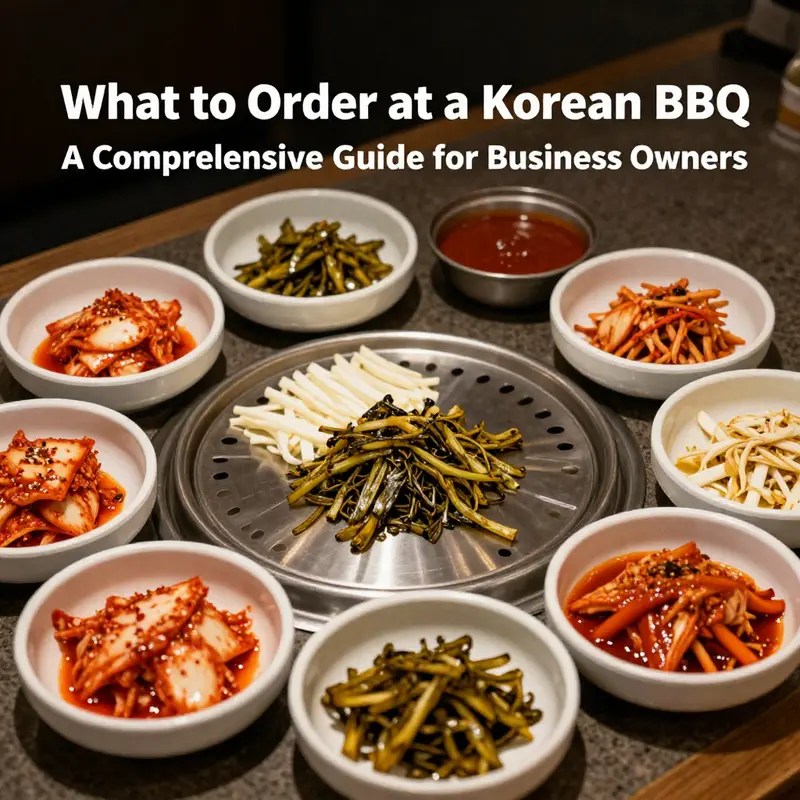
At a Korean barbecue, the drama of the meal unfolds on the table as much as on the grill. The meat sizzling over charcoal is the headline, but the supporting cast of sides and condiments carries the plot. A thoughtful order balances richness with brightness, fat with crunch, and heat with cool, crisp textures. This is where many diners shape a memorable meal: not by chasing the hottest pepper, but by orchestrating a chorus of flavors that lift the main stars without overpowering them. The most satisfying tables treat the side dishes not as afterthoughts but as essential partners, guiding the pace and texture of every bite. When you order with this mindset, you can taste the careful craft behind each plate rather than simply tasting meat in isolation. The goal is harmony: a little of everything that highlights the marinated meat and makes the whole experience feel bigger than the sum of its parts.
First consider the wraps. Lettuce and fresh perilla leaves provide a crisp, cool stage for the grill. The leaves blunt the heat and offer a clean counterpoint to the meat’s deep flavors. The ssam ritual—lay a leaf on the plate, add a thin slice of meat, top with a smear of condiments, drop in a couple of pickles, and fold—transforms a simple bite into a crafted moment. This is where timing matters: not too much sauce, not too much rice, just enough to bind flavors without drowning them. The perilla leaves flirt with citrus and mint notes that awaken the senses as the meat threads through a peppery gochujang edge. A well balanced plate invites you to adjust bite size, to slow down, and to savor how heat, sweetness, and acidity echo across each mouthful.
Next arrive the bright accompaniments. Pickled radish or mu cuts through richness with a crisp snap and a gentle tang. Its sweetness softens the punch of the centerpiece and helps keep the palate refreshed for the next round. A small dish of kimchi adds depth and brightness, offering a sour, spicy kick that lingers but never overwhelms. Think of these items as a palate reset between bites, not a distraction from the main event. The best tables spread a spectrum rather than a single dominant flavor, inviting you to experiment with which combination of meat, leaf, and paste creates the most satisfying bite.
Of all condiments, ssamjang sits at the center. A thick paste that blends chili paste with a fermented soybean base, it often carries sesame oil and garlic for body and warmth. Dipping or dabbing a touch onto the leaf before wrapping builds a deep, savory layer that punctuates the meat with a savory heat. When you want a lighter touch, you can mix a little ssamjang with a hint of rice to modulate the intensity while keeping the signature complexity. The act of applying ssamjang and then wrapping invites a ritual rhythm: each bite becomes a small course, a story that cycles between charcoal aroma, crisp leaf, and a fresh crunch from the veg on the plate.
Raw accents are also part of the performance. Slices of garlic and shards of green onion arrive to punctuate the sweetness with a sharp bite. They are best used sparingly, so they punctuate rather than dominate. A sliver of garlic tucked into a wrap with a rib of fatty meat and a dab of paste can light up the palate, making the next bite feel more precise rather than overloaded. The balance lies in restraint: a little bite, then a little cooling leaf, then another bite of the glossy meat coated with sauce, followed by a crisp vegetable bite to reset the mouth.
Beyond the core elements, a well rounded spread includes a small library of banchan that guests can dip into at their leisure. Bean sprout salads bring a light, nutty spark, with sesame oil and a hint of salt. Japchae offers a sweet, savory silkiness from glass noodles and vegetables that contrasts with the charcoal note of the grill. Kimchi varieties provide the signature tang, heat, and age of fermentation, which add depth after multiple rounds of grilling. Each dish has a purpose: to distribute flavor, to modulate fat, and to invite a new texture into the same table story. When you rotate between wraps and sides, your meal remains dynamic rather than repetitive, and the table feels endlessly engaging rather than routine.
With this approach in mind, you can map a balanced order without guesswork. Start with a few lighter cuts that respond to greens and mild sauces, then allow stronger, fattier pieces to follow. A scheme that works often includes a short stack of marinated beef, a portion of pork belly, and a few slices of leaner beef to provide contrast. The lettuce leaves serve as a flexible platform for stretching the meal across time, letting you pace your appetite while exploring different taste pairings. If you want a broader view of complementary plates and wraps, you can explore related options on our hub page, linked here as korean-bbq-mall.
Finally, beverages anchor the experience. A cold, clear drink helps cleanse the palate between richer bites, and the rhythm of rounds becomes more relaxed. The goal is to keep your mouth refreshed enough to enjoy the next layer of flavor without dulled perception. In the end, the best orders reflect your taste and the dining tempo you want to set: a spectrum of meats, a palette of banchan, and a few condiments that you weave together across multiple wraps.
These choices deliver not just nourishment but a story of your table. The plates tell you when to lean into the heat and when to lean back into sweetness. They remind you that Korean barbecue is less about winning a flavor war and more about orchestrating a shared experience where each bite reinforces the idea that the table is one communal, evolving course. For a deeper dive into the roles of banchan and condiments, see the external resource linked at the end of this chapter: Korean BBQ sides and condiments guide.
Sip by Sizzle: Thoughtful Beverage Pairings for a Korean BBQ Experience
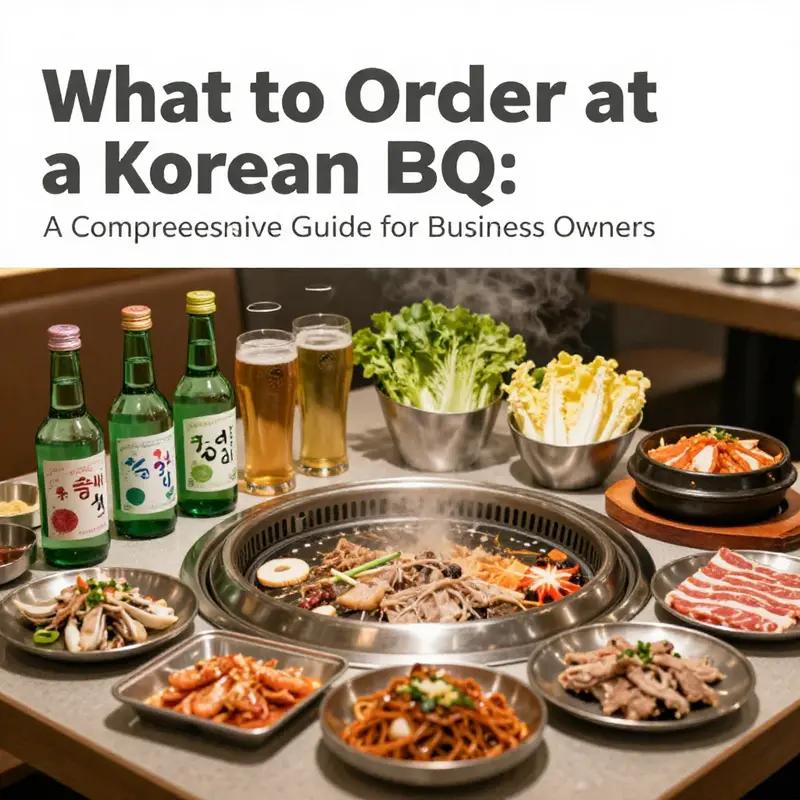
Pairing drinks with Korean barbecue is not merely an afterthought but an essential part of the table’s choreography. The hiss of the grill, the glisten of sesame oil, and the brightness of kimchi all press for balance. A well-chosen beverage doesn’t simply accompany the meat; it negotiates the heat, thick richness, and tang from banchan, guiding the palate from one bite to the next. The goal is to support the grill’s rhythm with a sequence of sips that sharpen sweetness, temper spice, and keep the conversation flowing. In practice, a few guiding ideas help: light, clean finishes that carve through fat; a touch of acidity to refresh; and a modest bitterness or mineral note to anchor the deeper sauces like ssamjang and gochujang without competing with the meat’s character.
Soju sits at the heart of traditional pairing. Its clean, crisp finish refreshes the mouth between bites and cleanly slices through the gloss of pork belly’s fat or the sesame oil on a well-seared bulgogi. When samgyeopsal arrives in thick, lacquered slices, soju acts as a palate reset, preserving the meat’s delicate sweetness while preventing any one element from overwhelming the others. For thinner beef slices, such as woosamgyeop, the same logic applies, with soju’s quiet bite lifting the caramelized edges and highlighting the subtle hints of garlic and pepper in the marinade. Gopchang, with its rich, slightly rubbery texture, benefits even more from a steady, cleansing partner; soju’s light alcohol and clean finish keep the palate ready for the next bite rather than weighed down by lingering fat. The truth is simple: with meat this bold, the drink should illuminate, not drown, the flavor story you’re telling on the grill.
Korean beer offers a different kind of balance. A cold lager provides a refreshing counterpoint to the meat’s density, while the bubbles act as a gentle scrub that clears the tongue of lingering fat between fatty morsels. The malt sweetness mirrors the caramel notes that appear in grilled bulgogi and some galbi marinades, creating a harmony rather than a competing flavor. The effect is particularly satisfying when a round of spicy banchan arrives; beer cools the heat, letting you return to the grill with a refreshed sense of pace. In a long, social meal, beer serves as a practical palate reset—easy to sip, easy to share, and reliably approachable for guests new to the table ritual.
Soju-based cocktails bring a contemporary twist to a time-honored table. A soju highball, light and effervescent, stretches the meal without heaviness. The extra fizz offers a refreshing lift that pairs nicely with crisp lettuce wraps, fresh kimchi, and the brightness of cucumber pickles. A highball also helps extend the sense of occasion as you move from bolder, marinated cuts to lighter toppings and wraps. The intention isn’t to overshadow the grill’s smoke but to compliment it with a clean, citrus-driven note that makes a late round feel lively rather than heavy. This approach works particularly well when the table leans into a mixed assortment of proteins and vegetables, allowing a beverage that is bright, not overpowering, to accompany the play of textures and sauces.
In practice, the table’s choreography benefits from simple, repeatable patterns. Start with a crisp, refreshing drink to set the tone as meats start hitting the grill. Let the second round feature a more savory or slightly sweeter note that mirrors the meat’s glaze, perhaps a soju-based cocktail or a beer with a touch more malt. By the time you reach for spicier gochujang-driven dishes, a reliable beverage choice—whether beer or soju—should feel like a steadying presence, cooling the palate enough to savor the heat without stifling it. The aim is pace and balance: a rhythm of bites and sips that lets the table breathe and the conversation flow.
To connect these ideas to the broader dining experience, consider how drinks fit into the table’s overall strategy. The lettuce wraps, rice, and banchan set a soft, textural counterpoint to the meats; the beverage should align with that texture profile—something light enough to glide across the tongue yet flavorful enough to hold its own against the sauces. If you want to explore a broader Korean dining context that includes drinks alongside grilled favorites, the Korean BBQ and Sushi Menu offers a sense of how drinks and dishes can cohabit a single menu. Korean BBQ and Sushi Menu.
In keeping with the etiquette that frames a thoughtful pairing, it helps to pace introductions to new tastes. Start with the familiar, then branch into cocktails or beer variations as the meat lineup grows. Keep a mindful eye on how the sauces layer, and let your chosen beverages adjust with the plate—from a smooth soju to a brisk beer or a bright highball. The table becomes a small theater where fat, spice, and smoke perform a changing duet with carbonation, acidity, and sweetness. And though the specifics of individual pairings vary by region and personal taste, the underlying principle remains universal: drinks should extend the meal’s natural rhythm, enhancing the savor of each bite without crowding it.
For readers seeking deeper reading on etiquette and the philosophy of pairing, broader guides offer valuable context about how beverages can elevate a shared meal and how the social dynamic at the grill informs drinking pace and choice. The conversation about etiquette, shared plates, and respectful hosting complements the practical tasting notes, turning a meal into a culturally rich experience rather than a simple transaction.
External resource: https://www.koreatour.org/food-and-drink/korean-bbq-and-soju-etiquette-best-pairings/}
Final thoughts
To maximize your Korean BBQ outing, focus on a balanced selection of meats, essential sides, and complementary beverages. By prioritizing these elements, you’ll ensure a satisfying experience that not only pleases the palate but also impresses your guests. Elevate your dining experience and forge stronger connections with your clients or colleagues through the art of Korean BBQ.