
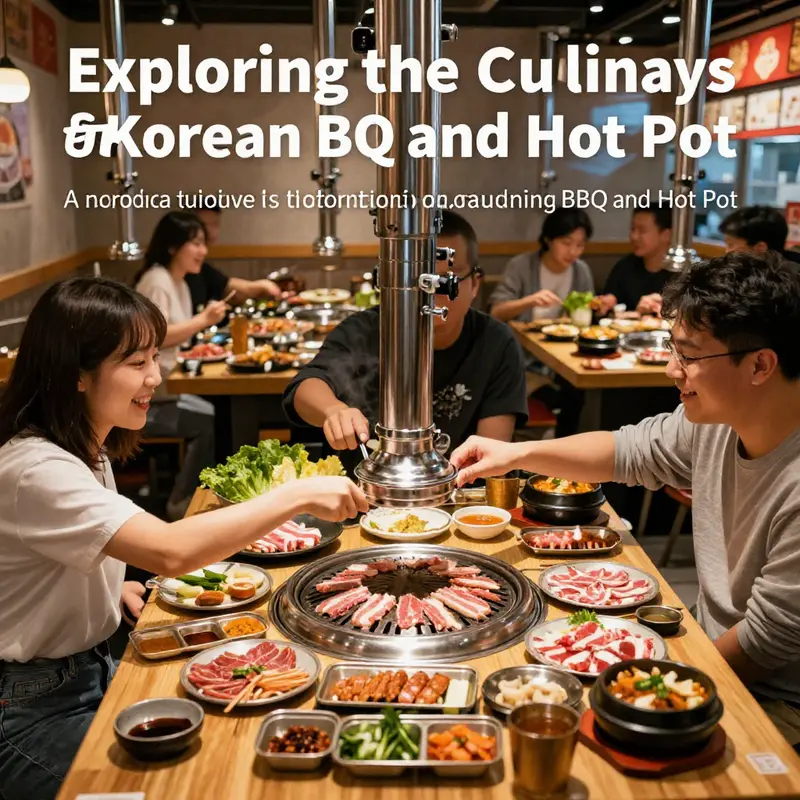
Korean BBQ and Hot Pot represent not just meals but vibrant culinary experiences that foster community and connection. Each dining style brings a distinct method of cooking and rich cultural background, making them popular choices for gatherings and celebrations. This article delves into the essence of Korean BBQ, highlighting its grilling techniques and the cultural significance that makes it a unique dining experience. Additionally, we will explore Hot Pot, its various broths, and the communal cooking experience it offers. Understanding these popular dining styles can enhance a business’s appeal and attract a diverse clientele seeking authentic Asian culinary experiences.
Grill, Simmer, Gather: An In-Depth Journey into Korean BBQ and Hot Pot
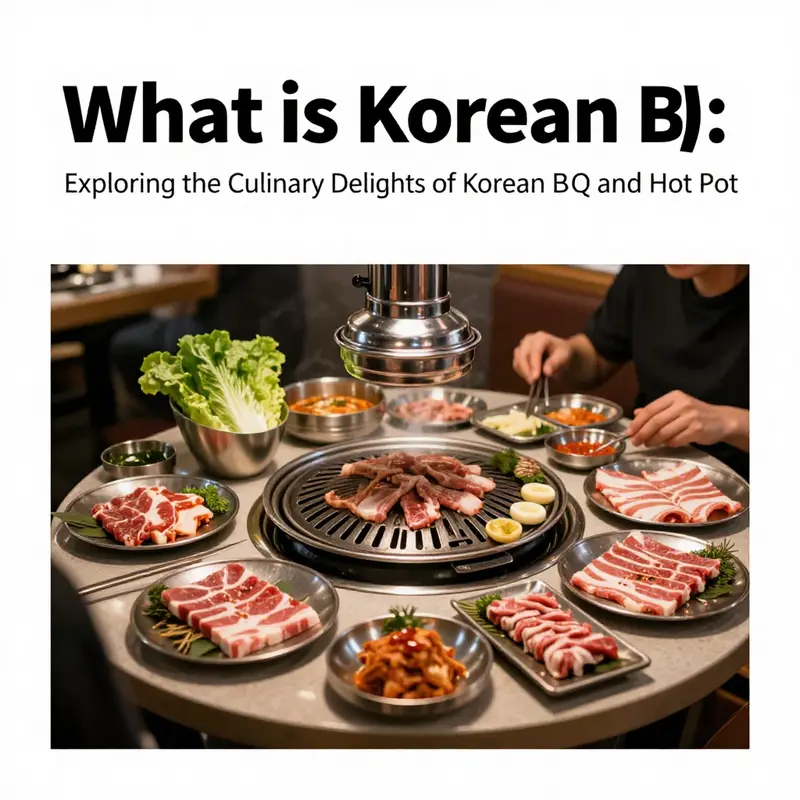
Korean BBQ and hot pot share a common heartbeat: they invite people to participate in the meal not as passive observers but as co creators, moving from the first sizzle to the final chopstick swap of stories. In the case of Korean BBQ, the centerpiece is a tabletop grill that transforms the moment of cooking into a social ritual. Raw, often marinated meat arrives at the table in thin slices or generous slabs, and diners take active roles in searing, turning, and judging how much char is optimal. The heat—whether charcoal, gas, or electric—sears fat rapidly, producing a crust that locks in juices and delivers a smoky aroma that signals the start of the feast. This is not mere cooking; it is a choreography. Guests learn the rhythm of the grill: a quick sear to seal in flavor, a pause to rest the meat while other items cook, and a final bite that arrives wrapped in crisp lettuce or perilla leaves, often with ssamjang for dipping and a whisper of garlic. The flavor architecture relies on a balance of sweetness, salt, heat, and acidity, and it is achieved through a carefully crafted set of marinades and sauces that feel familiar yet complex to the palate. The hallmark marinades often blend soy sauce, sesame oil, garlic, sugar, and a sweet fruit note—typically Asian pear or even kiwi—that acts as a natural tenderizer. The pear offers enzymes that help loosen tight muscle fibers, while fermentation in the sauces, whether gochujang based or doenjang inflected, adds layers of sweetness, depth, and a touch of tang. The result is not just a taste but a textural journey: the moment when a thin, marinated slice hits the hot surface and caramelizes, creating a glossy lacquer that crackles against the grill, and the moment when you fold that piece into a leaf, add a dab of ssamjang, a sliver of garlic, a scoop of rice, and perhaps a tangy kimchi bite to wake the palate. Within this framework, there are a few signature cuts that anchor the dining experience. Bulgogi, a wine dark beef that has soaked up garlic, sesame, and pear, becomes a sweet savory thread that melts almost instantly on a hot surface. Galbi, or short ribs, often share the same sauce family but invite longer grilling to render fat and develop a deeper caramelization. Samgyeopsal, the beloved pork belly, is typically left unmarinated to let the meat’s own fat mingle with the seasonings from the dipping sauces and the greens, turning every bite into a balance of crisp edges and luscious centers. Then there is dwaeji bulgogi, a spicy cousin that uses gochujang to awaken the taste buds with a peppery, slightly smoky heat. These dishes reflect a philosophy of seasoning that favors bright harmonies rather than heavy smoke and smokehouse intensity, a characteristic that distinguishes Korean BBQ from some other barbecue traditions. Beyond the meat, the table is crowded with banchan—kimchi, pickled vegetables, and an assortment of small, vinegared delights—that provide counterpoints of acidity, crunch, and heat. Fresh lettuce leaves, rice, and a few dipping sauces complete the ensemble, giving diners a flexible platform to build flavors that suit their own tastes. The social dimension is essential: the act of cooking, the shared sauces, the laughter that accompanies the flip of a chopstick, and the sense that the meal is co authored by a circle of companions rather than delivered as a singular chef’s creation. It is a philosophy of eating that invites conversation, collaboration, and a relaxed pace that lets everyone participate in the experience. Hot pot, while conceptually distinct from tabletop grilling, shares this communal spirit and amplifies it through a simmering, center stage broth. A pot of broth sits at the center of the table, kept at a lively boil, and diners drop in a wide array of ingredients—thin slices of beef, ribbons of lamb, succulent seafood, firm tofu, mushrooms, leafy greens, and noodles—cooked to personal preference in the moment. The broth itself is a canvas, offering a spectrum from bright and herbal to deeply spicy and numbing. A mala broth, for instance, hums with Sichuan peppercorns and chiles, delivering a tingling heat that makes the palate crave another dip into the stock after each bite. Other options lean toward the gentle and restorative, like a mushroom forward clear broth, a bone deep stock, or a light chicken infusion. The act of cooking in hot pot is patient and deliberate; ingredients are lowered into the simmering liquid and coaxed to tenderness over minutes, not seconds, with the broth modifying textures and intensities in real time. Once cooked, the morsels are dipped into an array of sauces that combine chili oil, sesame paste, soy, vinegar, herbs, and aromatics, allowing diners to craft a personal finish for each bite and to shift the balance with every change in the lineup. This is not just a meal but a practice in shared pacing: the broth remains simmering as conversation flows, and the table becomes a calendar of small moments—each person adding ingredients at a pace that suits the room, each verdict on doneness shaping the next round of cooking, each plate a new canvas of color and aroma. What emerges from pairing these two dining experiences is less a comparison and more a spectrum of social food culture. Korean BBQ foregrounds speed and immediacy, using high heat to craft a crust and a bright, immediate savor that rewards quick bites and short waiting times between sizzle and swallow. Hot pot valorizes patience, allowing flavors to build through broth and the gentle simmer of a diverse cast of ingredients. Yet both modes elevate the table into a cooperative stage where everyone has a share in the process and in the texture of the meal. The ingredients themselves speak a language of balance: lean cuts counterpointed by fat in the same dish, citrusy brightness balancing richness, and sizzling crusts shaded by the aromatic lift of sesame, garlic, and pepper. The sauces are not afterthoughts but essential connectors—ssamjang and kimchi paste in one corner, a palette of chili oil and sesame dressed dips in another—each enabling a personalized finish and a broader story about how people assemble flavors around a common plate. The cultural significance extends beyond taste: it is in the ritual of wrapping, in the choreography of turning meat and fish balls on a shared grate, in the way diners negotiate heat and doneness, and in the sense that food becomes a language for hospitality, relationship, and shared memory. Historically, Korean BBQ and hot pot each trace a path through different soils of Asia, with Korean grilling receiving refinement through centuries of agricultural and culinary exchange and hot pot evolving through Chinese culinary practice into a flexible, regional tradition that embraces local ingredients and regional broths. In Korea, grilling at the table evolved alongside social dining cultures that prize closeness and inclusivity, a shift that helped transform meat into a centerpiece accessible to many households, restaurants, and street settings alike. In hot pot’s story, the central pot has long carried the aroma of family meals and festive gatherings; it remains a universal invitation to slow down, share, and watch a diverse cast of ingredients become something greater than the sum of its parts. The modern global palate has embraced both experiences for similar reasons: they are adaptable, celebratory, and inherently customizable, offering a way to explore regionally sourced ingredients while maintaining a sense of play and communal belonging. For readers who want to see how these ideas translate into actual meals at the table, consider a venue that blends both formats, Moon Korean BBQ and Hot Pot, which offers an integrated approach to grilling and simmering in a single setting, inviting guests to explore contrasts of texture and technique within a shared dining ecosystem. In this sense, the culinary conversation becomes a map of tastes rather than a fixed destination, and it continues to evolve as chefs experiment with marinades, broths, ingredient pairings, and the social choreography of the table. Those who approach Korean BBQ and hot pot with curiosity will discover how each method reveals something about a culture’s relationship to fire, water, and community, and how the simplest ingredients—thin slices of meat, fresh greens, a handful of mushrooms, and a few spoonfuls of broth—can become the starting point for a larger narrative about tradition, innovation, and shared experience. The final takeaway is not a verdict on which is better, but an invitation to readers to approach both with patience, attentiveness, and joy, letting the grill and the pot become a dialogue between taste and time. External reference: https://www.kfsea.or.kr/eng/koreanbbq/
Boil, Grill, Gather: The Communal Core of Hot Pot and Its Kinship with Korean BBQ
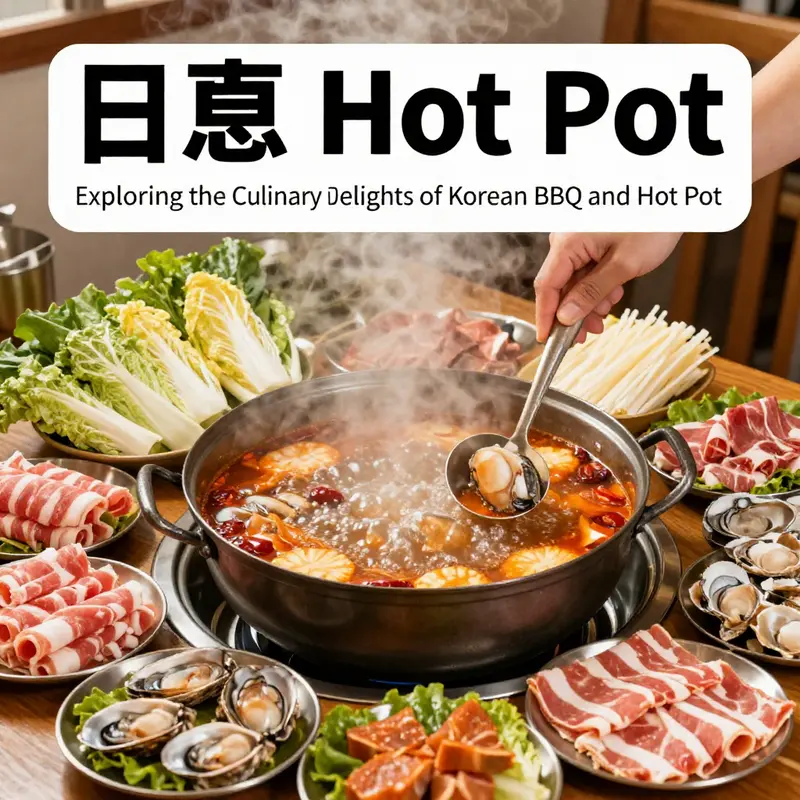
Hot pot is less a single dish than a social ritual, a collective ritual of simmering, tasting, adjusting, and sharing that turns eating into an event rather than a transaction. At its heart lies a round or rectangular pot kept hot at the center of the table, a stage where diners become participants in a shared culinary performance. The broth itself is a living thing, evolving with each addition of meat, vegetables, and noodles. In a single meal, a group negotiates heat, flavor, texture, and timing—the pace of the pot becoming their tempo. This is not merely cooking; it is a choreography of presence, a moment where companionship and appetite fuse, and where every bite is seasoned by conversation as much as by chili oil or sesame paste. The experience is deeply rooted in regional traditions, yet its appeal travels across borders, turning dining into a communal craft that invites everyone to contribute to the broth’s evolving personality.
Variety is the soul of hot pot, and the repertoire is astonishingly adaptable. The broths themselves range from a fiery Sichuan mala base, where numbing peppercorns mingle with chili oil to create a bold, lingering heat, to clear, simple mushroom stocks that let the ingredients shine. Then there are more herbal or bone-based foundations, pale as tea yet powerful in their undertone, offering a gentler, more meditative flavor profile. Regional variations bring distinct textures and memories to the pot. Sichuan-style hot pot is celebrated for its audacious spice and complexity, a fearless parade of tastes that awakens the palate in waves. In the Taiwanese tradition, lighter broths and specific ingredient pairings emphasize a balance of sweetness, salt, and a subtle, comforting warmth. Within these broad families, countless households and eateries add their own twists—ingredients like delicate noodles, fresh tofu, leafy greens, and a spectrum of mushrooms that soak up the broth while contributing their own textures.
The menu of raw ingredients is as varied as the broths. Tableside cooks gather ultra-thin slices of beef and lamb, slices of poultry, and a mosaic of seafood items—shrimp, fish balls, scallops—alongside vegetables, baby corn, lotus roots, enoki mushrooms, and generous heaps of leafy greens. Tofu, whether silken or extra-firm, absorbs the surrounding flavors and provides a satisfying counterpoint to meat and chili oil. Dumplings and handmade noodles drift in and out of the steaming liquid, their starches swelling with the broth and offering a comforting chew that anchors the meal. Dipping sauces—often a mosaic of chili oil, sesame paste, soy, and vinegar—become a personal signature at the table. Diners tailor each bite by dipping their cooked morsels into their chosen blend, a ritual that heightens the sense of control and personal flavor preference at the heart of the dining experience.
This is more than a matter of taste; it is a social dynamic. The broth’s simmering is a visible indicator of the group’s rhythm, a shared tempo that grows as conversations meander through topics, stories, and laughter. The act of cooking together—stirring the pot, skimming impurities, adjusting the heat, and sliding ingredients in and out—transforms dining into participatory theater. The pot becomes a communal calendar of moments: the first bite after the pot has reached a boil, the careful retrieval of a stubborn piece of noodle, the way sauces are blended to suit the mood of the group. In this way, hot pot functions as a mentalistic tool for group bonding, as noted in explorations of Chinese food culture. It is a setting where people are welcomed to contribute their preferences, negotiate heat levels, and savor the changes that each ingredient brings to the collective broth.
When we consider hot pot alongside Korean BBQ, a surprisingly intimate continuity emerges. Korean BBQ emphasizes the grill at the center of the table, inviting diners to sear and wrap their own morsels in lettuce leaves with rice, ssamjang, and a chorus of banchan to compliment the meat. Both experiences place cooking into the hands of diners, both celebrate freshness and customization, and both cultivate a sense of shared ownership over the meal. The grill versus the pot offers different sensory cues: the sizzle and smoke of grilling meat versus the bubbling, aromatic glow of the simmering broth. Yet the underlying principle remains the same—the meal is not a passive consumption but a collaborative act. In both settings, the table becomes a theater of social interaction, a space where the culinary and the conversational meet in equal measure.
The appeal of hot pot also rests in its openness to adaptation. A family can tailor the experience to accommodate dietary needs, spice tolerance, or adventurous cravings. The broth can be adjusted by adding more chilies for heat, more garlic for aroma, or a dash of vinegar or citrus to brighten the tang. The ingredients can be swapped to reflect seasonality or preference, turning a dinner into a dynamic tasting menu. Even the dipping sauces, often assembled from a few pantry staples, invite personal expression. This level of customization turns a meal into a yearly ritual that can accommodate the changing rhythms of life—festivals, work schedules, and family gatherings—yet remains anchored in the same joyful practice of cooking together. It is, in many ways, a culinary passport to shared experiences, offering both comfort and novelty in a single pot.
Culturally, hot pot embodies a philosophy of hospitality and reciprocity. The act of gathering around a pot, selecting one’s share, and passing the broth or sauces across the table reinforces a social contract: the group sustains itself through cooperation, conversation, and care for one another’s needs. The practice has traveled well beyond its origin, sparking adaptations that honor regional ingredients while preserving the core idea of togetherness. Even in urban centers where restaurants bustle with the clatter of chopsticks and the hum of conversation, hot pot remains a reminder that nourishment, at its best, is a communal act. It is not merely about filling one’s stomach; it is about filling the moment with texture, aroma, and a sense of belonging.
For readers curious about the broader landscape of hot pot varieties, TasteAtlas offers a catalog of the world’s favorite styles. While Sichuan hot pot is celebrated for its bold, numbing heat and layered spice, other regional expressions—such as Taiwanese hot pot and specialized beef preparations—highlight how different cultures approach the same shared principle in unique ways. This diversity underscores hot pot’s universal appeal: a simple idea, a bubbling pot, and a room full of people who know that dining is best when everyone contributes a little flavor and a lot of conversation. If you’d like to explore specific regional variants and their distinctive profiles, a broader resource on hot pot varieties provides a useful map of taste and technique. External resource: https://www.tasteatlas.com/12-hot-pot-varieties-ranked-from-the-best-to-the-worst
The intertwining of boiling broth and social warmth makes hot pot more than a meal; it is a ritual of gathering, a way to mark occasions and everyday meals alike. The shared pot invites a playful curiosity—what happens when you add a new ingredient, how does the broth evolve as the meal progresses, and which sauces best echo the mood of the moment? In this sense, hot pot mirrors the social essence of Korean BBQ, where communal preparation and participation elevate eating from a routine habit to a memorable, relational experience. Both practices celebrate the democratization of flavor, the joy of improvisation, and the comforting belief that great meals happen when people come together, take part, and savor the common thread of warmth that runs through the pot and the grill alike.
To readers who want a tangible sense of how these experiences feel on a single table, imagine the clinking of bowls, the soft steam rising from a shared cauldron, and the satisfying pause as a diner decides the perfect moment to lower a piece of meat or a nest of noodles into the simmering liquid. The kitchen leaks into the dining room, and the line between cook and guest blurs in the most delightful way. The result is not just a feast of flavors but a feast of connection, where every bite carries a memory of the moment when friends and family gathered, chose their ingredients, and trusted the pot to deliver warmth, comfort, and a little spark of adventure. And as the last morsels disappear from the surface of the broth, the group is left not only satisfied but also closer, the shared experience lingering longer than the last drop of soup.
For readers seeking related discussions or a complementary view on these experiences, you can visit a page that explores the intersection of hot pot and Korean-style grilling to glimpse how these distinct formats can coexist at the same table. the-moon-korean-bbq-and-hot-pot.
Final thoughts
Korean BBQ and Hot Pot not only showcase unique cooking techniques but also emphasize communal dining experiences that bring people together. Understanding these dining styles offers businesses a valuable opportunity to align their offerings with the culinary preferences of a diverse clientele, making dining out a social and enjoyable experience. By incorporating these rich traditions into your business model, you can engage customers in a way that fosters loyalty and enhances their dining experience.