
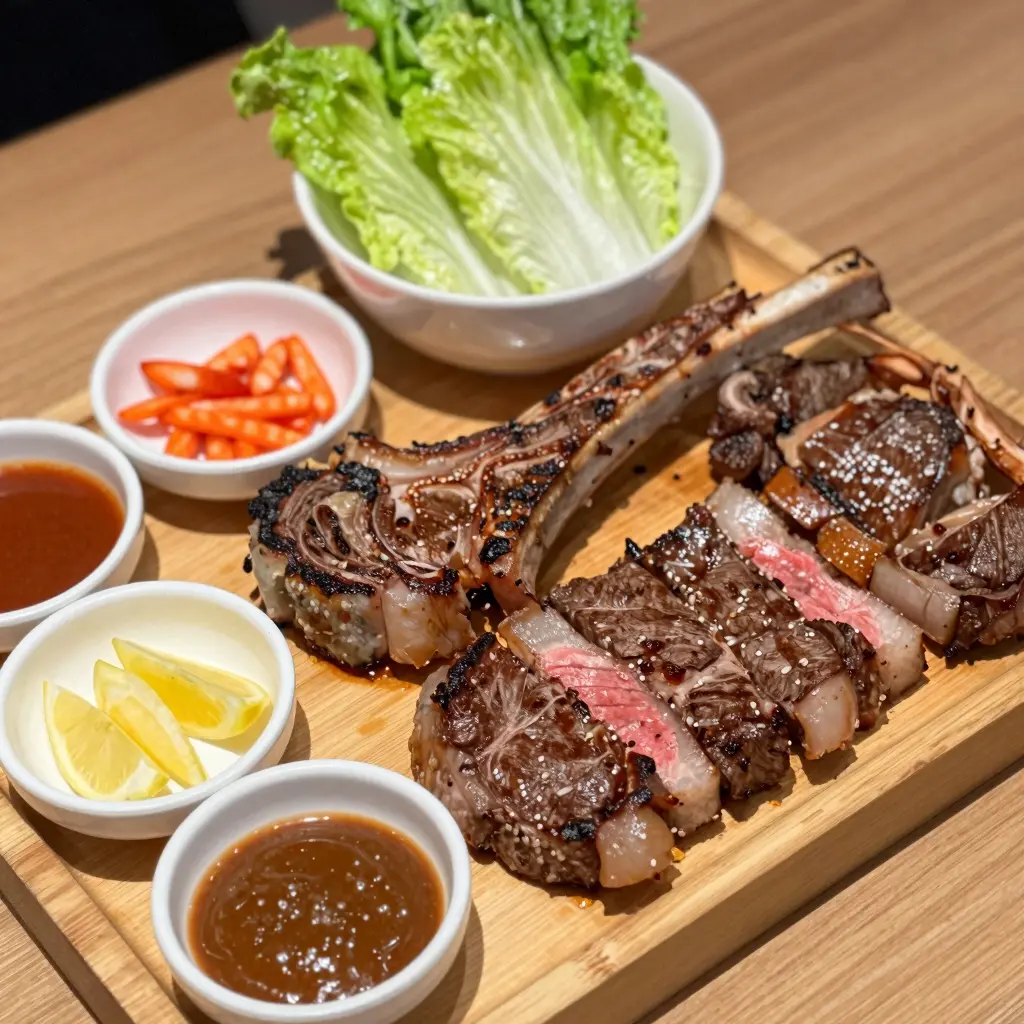
Introduction to Korean BBQ Steak
The savory and mouth-watering appeal of Korean BBQ steak has made it a culinary gem in the dining world, captivating food enthusiasts and business owners alike. Rooted in Korea’s rich cultural heritage, this grilling tradition not only showcases tender cuts of meat but embodies the communal spirit of sharing a meal. The interactive experience of grilling steaks at the table adds a unique social aspect that sets Korean BBQ apart from other dining options. For restaurant owners, incorporating Korean BBQ steak into their menus can offer an enticing and memorable dining experience that draws customers in, making them feel connected to the flavors of Korea. As you explore this informative guide, you’ll learn about the nuances of preparing and presenting Korean BBQ steak, helping you elevate your restaurant’s offerings and attract a wider audience. Discover how to optimize your menu with this culturally significant dish, appealing to both Korean food aficionados and newcomers alike.
Ingredients for Korean BBQ Steak
-
Types of Steak:
-
Ribeye: Known for its marbling and rich flavor, making it a favorite for Korean BBQ. Learn more about the popular cuts here.
-
Brisket: Tender when cooked properly, this cut absorbs marinades well.
-
Flank Steak: Lean and flavorful, ideal for quick cooking.
-
Marinades:
-
Soy Sauce: A base for most Korean marinades, providing saltiness and umami.
-
Sesame Oil: Adds richness and depth of flavor.
-
Garlic: Freshly minced for a strong flavor.
-
Ginger: Adds a zesty kick to the marinade.
-
Sugar or Honey: Balances the saltiness of soy sauce, enhancing caramelization.
-
Pear or Apple: Asian pear is traditional, adding sweetness and tenderness to the meat.
-
Cola: Used for its sweetness and caramelizing properties.
-
Side Dishes:
-
Kimchi: A fermented vegetable dish, providing a tangy contrast.
-
Pickled Vegetables: Typically cucumber or radish, for crunch and acidity.
-
Rice: Often served steamed, as a balanced side to the meat.
-
Lettuce Wraps: For wrapping the grilled meat and sides.
This combination of ingredients not only creates a delicious experience but also offers a balanced, fulfilling meal that guests can enjoy in a Korean BBQ setting. For more insights on Korean BBQ offerings, check out our menu options.
If you’re interested in recipe variations, including different marinades, resources such as Kimchimari offer a variety of easy-to-make marinade recipes suitable for various palates.
These ingredients lay a robust foundation for offering an authentic Korean BBQ experience at your establishment!
How to Cook Korean BBQ Steak: A Step-by-Step Guide
Korean BBQ steak is renowned for its rich flavors and tender texture. Cooking this delectable dish efficiently in a restaurant setting requires a systematic approach. Below is a clear, step-by-step method tailored for restaurant staff, ensuring both quality and efficiency.
Step 1: Selecting the Right Cut of Steak
- Choose high-quality beef cuts such as Ribeye, Sirloin, Brisket, Flank, or Rump. These are popular choices for Korean BBQ due to their marbling and flavor. For more information on steak variations, you can check out this Korean BBQ Steak Cuts Chart.
Step 2: Marinate the Steak
- Prepare Marinade: Combine soy sauce, sugar, garlic, sesame oil, and pear juice (or apple juice), and add black pepper for seasoning.
- Marinate: Place the steak in a bowl and pour the marinade over it. Ensure that every piece is well-coated.
- Time: Allow the steak to marinate for at least 30 minutes. For a richer flavor, marinate for up to 2 hours or overnight in the refrigerator.
Step 3: Prepare the Grill
- Heat the Grill: Preheat the grill to medium-high heat. Make sure the grill grates are clean to prevent the steak from sticking. If using charcoal, let the coals ash over to a consistent heat level.
Step 4: Cooking the Steak
- Placement: Place the marinated steak on the grill.
- Timing: Cook each side for about 2-3 minutes depending on the thickness of the steak. Aim for medium rare to maintain juiciness, adjusting cooking times based on requested doneness.
- Turning: Flip the steak only once to achieve nice grill marks and avoid losing juices.
Step 5: Serving the Steak
- Once cooked, remove the steak from the grill and let it rest for a few minutes. This allows juices to redistribute, enhancing flavor and tenderness.
- Slice: Cut the steak against the grain into thin strips for easy serving.
- Accompaniments: Serve with lettuce leaves, sliced garlic, and ssamjang (spicy dipping sauce) for an authentic Korean experience. For additional guidance on side dishes, feel free to explore our Korea BBQ Menu.
Conclusion
Cooking Korean BBQ steak is straightforward when following these steps. With the right preparation and attention to detail, restaurant staff can deliver consistently high-quality dishes. Enjoy the process and the delightful flavors of Korean cuisine!

This stunning visual captures the essence of a traditional Korean BBQ steak setup, showcasing the grill, utensils, and the array of raw ingredients that make this culinary experience irresistible. From marinated meats to fresh vegetables, each element plays a significant role in crafting a delicious BBQ meal.
The Benefits of Offering Korean BBQ Steak on Your Menu
Including Korean BBQ steak on a restaurant menu presents several compelling benefits that can enhance both customer satisfaction and restaurant attractiveness.
1. Culinary Appeal
Korean BBQ steak is renowned for its unique taste profiles, which are often enhanced through marinades that include ingredients like soy sauce, sesame oil, garlic, and sugar. This blend of flavors carves out a niche that draws diners looking for new and exciting culinary experiences. Serving dishes with distinctive flavors can significantly elevate the dining experience, making it memorable for patrons and encouraging repeat visits.
2. Eye-Catching Presentation
Korean BBQ steak is not just about taste; it’s also about presentation. The visual allure of beautifully grilled, marinated steak displayed alongside a variety of colorful side dishes such as pickled vegetables and rice creates an inviting dining atmosphere. Restaurants can showcase their culinary artistry by presenting the steak hot off the grill, allowing customers to appreciate both the aroma and sight of the dish, which is ideal for social media sharing.
3. Enhanced Customer Engagement
Korean BBQ is famously known for its interactive dining experience. Customers have the opportunity to cook their meat right at their table, fostering a lively and engaging atmosphere. This aspect of the dining experience not only makes meals fun but also encourages group gatherings and social interactions. Such camaraderie can lead to larger parties and increased bookings, ultimately benefiting restaurant sales. Furthermore, the enticing experience of dining at a Korean BBQ can attract customers who are seeking a unique night out.
4. Attraction of New Customer Segments
By offering Korean BBQ steak, restaurants can tap into diverse customer segments, including younger diners and food enthusiasts eager to try novel cuisines. According to recent trends, customers are increasingly interested in experiential dining, making Korean BBQ a perfect fit. Furthermore, promoting special deals or themed nights focusing on Korean cuisine can draw in crowds, thus elevating foot traffic and boosting overall profitability.
To explore more about Korean BBQ offerings, check out our extensive menu options. For those interested in all-you-can-eat selections, you can delve into our various dining formats.
| Beef Cut | Flavor Profile | Cooking Time | Cost Considerations |
|---|---|---|---|
| Ribeye | Rich and marbled, very tender | 5-7 minutes per side | Higher cost, popular choice |
| Chuck | Good balance of flavor & tenderness | 10-15 minutes per side | More affordable |
| Brisket | Made tender by marbling, unique flavor | 1-2 hours | Mid-range cost, slow cooking required |
| Flank Steak | Leaner, best when marinated | 5-10 minutes per side | Budget-friendly |
| Short Ribs | Incredibly fatty, flavor-packed | 10-15 minutes per side | Generally expensive due to popularity |
| Beef Tongue | Unique texture, rich flavor | 8-10 minutes per side | Mid to high cost, specialty |
Preparation Tips for Cooking Korean BBQ Steak
Cooking Korean BBQ steak is not just about grilling meat; it’s an art that combines flavor, presentation, and the right techniques. Here are some essential tips and techniques tailored for business owners looking to enhance their offerings:
1. Choosing the Right Cut of Steak
Selecting high-quality cuts is crucial. Popular choices for Korean BBQ include:
- Ribeye: Known for its marbling and tenderness.
- Sirloin: Offers a bit more chew with great flavor.
- Flank Steak: Lean and flavorful, perfect for marinating.
2. Marination Techniques
A flavorful marinade is fundamental in Korean BBQ. A classic marinade typically includes:
- Soy Sauce: Acts as a base to impart saltiness and umami.
- Sweeteners: Brown sugar or honey balance flavor and caramelize beautifully on the grill.
- Sesame Oil: Adds a rich, nutty flavor.
- Garlic and Ginger: Minced for extra aroma and tenderness.
- Acid: Rice vinegar or fruit juices, like pear or apple, can be added for flavor enhancement and moisture retention.
Marination Time: Allow the steak to marinate for at least 30 minutes, though longer (up to overnight) allows for deeper flavor penetration and a more tender texture.
3. Grilling Best Practices
- Preheat Your Grill: Get the grill hot before placing the steak-this helps achieve a nice sear.
- Cooking Technique: Grill the steak quickly over high heat for about 2-3 minutes per side for medium-rare, adjusting times for thickness.
- Resting Period: After grilling, let the steak rest for 5-10 minutes to allow juices to redistribute, preventing them from spilling out when sliced.
4. Presentation and Serving Suggestions
Cut the steak against the grain into thin slices. For a complete Korean BBQ experience, serve alongside traditional sides like kimchi, rice, and a flavorful dipping sauce such as ssamjang. A variety of sides will not only enhance the meal but also improve the overall dining experience, making it appealing for customers.
By utilizing these preparation tips and techniques, business owners can deliver an unforgettable Korean BBQ steak experience to their customers. For additional insights into Korean cuisine, consider exploring the Kogi Korean BBQ menu or checking out our all-you-can-eat options for inspiration.
Customer Preferences for Different Types of Steak
Understanding customer preferences is essential for any restaurant, especially for those focusing on unique offerings like Korean BBQ. A recent survey indicates distinct preferences among customers for various steak types, crucial for menu planning. Below is a chart representing customer preferences based on a survey.
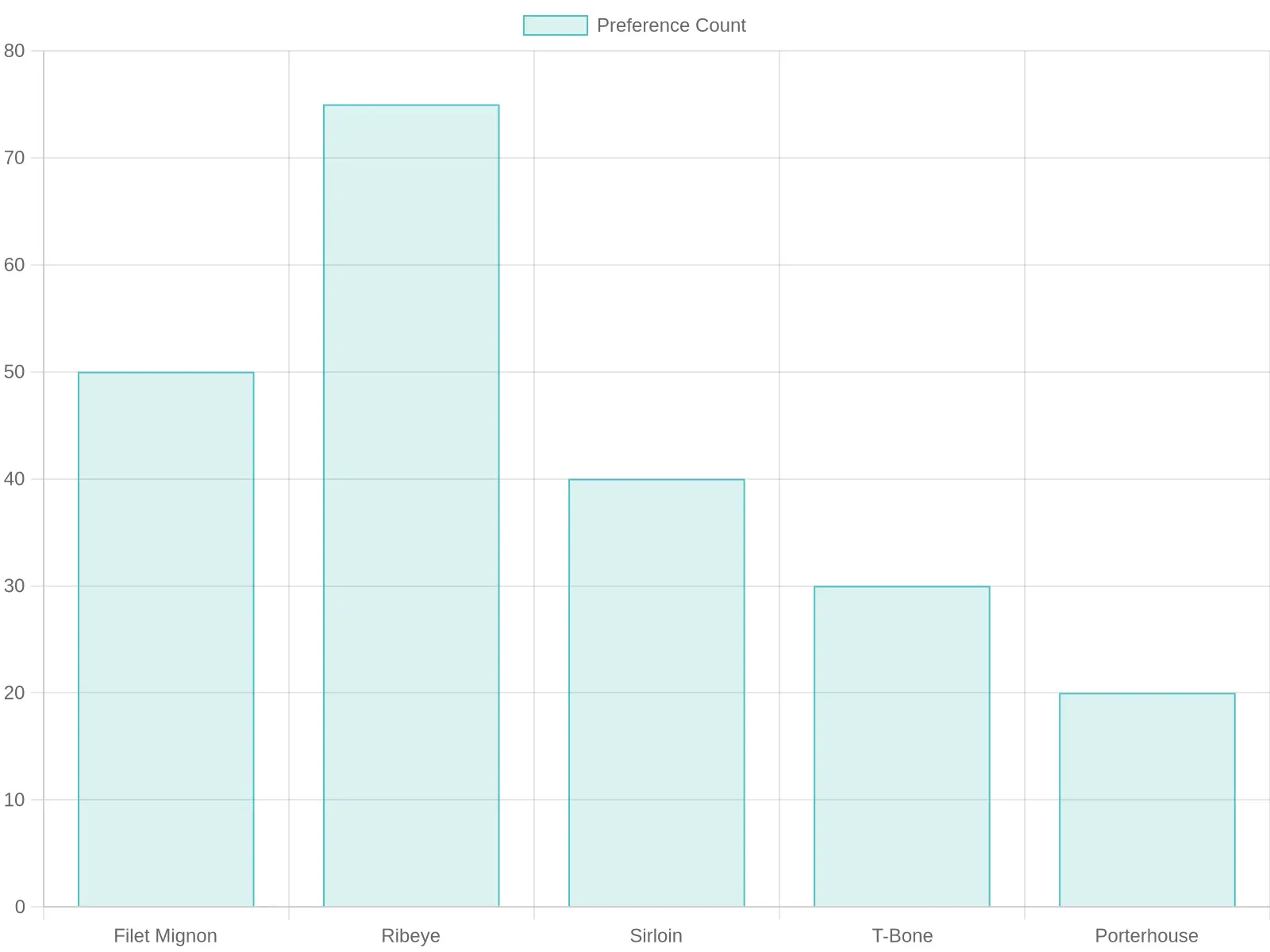
Chart Insights:
- Filet Mignon: 50 preferences
- Ribeye: 75 preferences
- Sirloin: 40 preferences
- T-Bone: 30 preferences
- Porterhouse: 20 preferences
The survey results indicate that Ribeye is currently the most favored option,
followed closely by Filet Mignon. Notably, the demand for Korean BBQ steak continues to rise in popularity, especially in restaurants focusing on Korean cuisine. For more information on menu options, check out our Korean BBQ and Sushi Menu.
“Korean BBQ is not just a meal-it’s an experience. The blend of marinated meats and the joy of cooking together at the table creates a unique, communal dining experience that keeps people coming back for more.” – Culinary Expert
This quote effectively highlights the appeal of Korean BBQ and can add credibility to your article targeted at business owners in the Korean BBQ sector.
Conclusion
In conclusion, Korean BBQ steak is not just a meal; it’s an experience that brings people together around the table. The interactive dining style, fresh ingredients, and depth of flavor offered by Korean BBQ are powerful reasons for its growing popularity in the food industry. As business owners, investing in Korean BBQ can differentiate your restaurant in a competitive market. Providing customers with an authentic and engaging experience can lead to higher satisfaction and repeat visits.
If you’re looking to enhance your menu and bring the joy of Korean BBQ steak to your establishment, we at Kogi Korean BBQ are here to help. Contact us today for tailored support and quotes that suit your business needs. Let’s work together to create a memorable dining experience that keeps your customers coming back for more!