
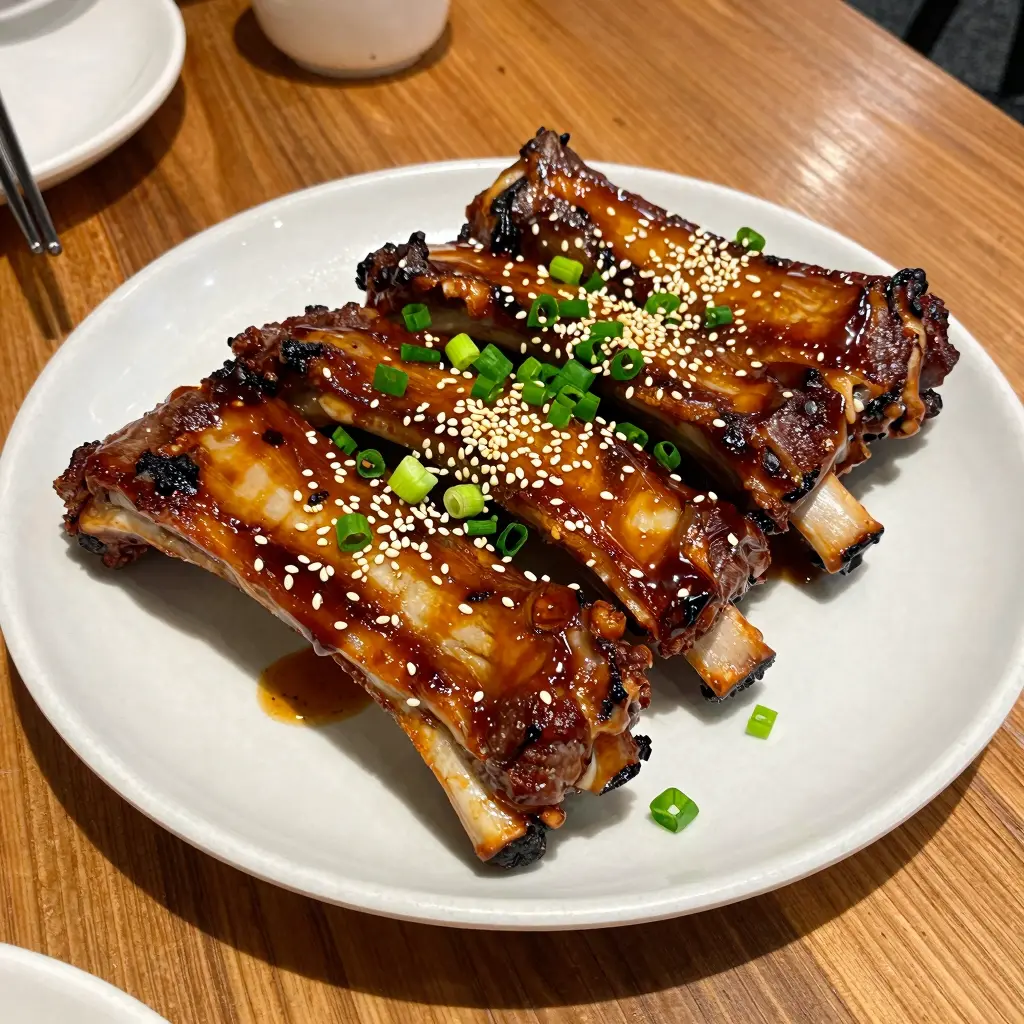
Introduction to Cooking Korean BBQ Ribs
If you’re looking to captivate your customers with a dish that embodies flavor, texture, and cultural richness, look no further than Korean BBQ ribs. This tantalizing dish has gained immense popularity not just for its irresistible taste but also for the unique dining experience it offers. Korean BBQ is more than just a meal; it’s a social event that brings people together, making it an ideal choice for restaurants aiming to provide a memorable experience.
As a business owner, understanding the appeal of Korean BBQ can give you a competitive edge. With their sweet and savory marination and the option for diners to grill their own meat, Korean BBQ ribs add an interactive element to dining that today’s customers crave. They are also well-suited for various audiences-from families looking to bond over food to millennials eager for Insta-worthy dining experiences. Moreover, the rise of food culture has made dishes like Korean BBQ ribs a trendy addition to any menu, appealing to a diverse clientele who appreciate authentic and bold flavors.
In this article, we will explore step-by-step guidance on how to cook Korean BBQ ribs that will impress your guests and potentially boost your business. Whether you are experimenting in your own kitchen or aiming to enhance your restaurant menu, mastering this dish will elevate your culinary repertoire. Learn more about our BBQ offerings and discover how Korean BBQ can transform your dining experience.
Essential Ingredients for Korean BBQ Ribs
If you are a business owner looking to prepare Korean BBQ ribs, having the right ingredients is crucial. Here’s a comprehensive list of essential ingredients that you will need:
- Pork Ribs or Beef Short Ribs: Choose between pork spare ribs or beef short ribs (galbi).
- Soy Sauce: This serves as the base of the marinade, providing umami flavor.
- Brown Sugar: Adds sweetness and helps in caramelizing the meat.
- Honey: Enhances sweetness and adds a glaze finish.
- Garlic: Freshly minced or pureed garlic for aromatic flavor.
- Ginger: Fresh ginger adds a zesty kick.
- Sesame Oil: Provides a nutty flavor and richness.
- Rice Vinegar: For a tangy note that balances the sweetness.
- Black Pepper: Freshly ground for an extra layer of flavor.
- Green Onions (Scallions): Chopped, used for garnish and extra taste.
- Sesame Seeds: Toasted seeds for garnish.
- Chili Paste or Gochujang (optional): For those who like it spicy.
Before cooking, marinate the ribs for several hours or overnight to ensure maximum flavor absorption. For detailed cooking instructions, check out this Korean BBQ ribs recipe.
For a delightful dining experience, serve with side dishes like kimchi and pickled vegetables. If you’re interested in expanding your menu, consider exploring our Korea BBQ and Sushi Menu for additional ideas!
Step-by-Step Guide to Cooking Korean BBQ Ribs
Korean BBQ ribs are a delightful and flavorful dish that can bring the taste of Korean cuisine to your restaurant or kitchen. This guide will help business owners replicate the process efficiently, ensuring consistently delicious outcomes.
Ingredients Needed
-
For the Marinade:
-
1 cup soy sauce
-
1/2 cup brown sugar
-
1/4 cup sesame oil
-
1/4 cup rice vinegar
-
5 cloves garlic, minced
-
1 teaspoon ginger, minced
-
1 tablespoon gochujang (Korean chili paste)
-
1 pear, grated (for sweetness and tenderness)
-
1 teaspoon sesame seeds
-
For the Ribs:
-
2-3 pounds of pork ribs (baby back or spare ribs)
Equipment Required
- Grill (charcoal or gas) or oven
- Large mixing bowl
- Plastic wrap or a large freezer bag for marinating
- Cooking tongs
- Meat thermometer
Step 1: Prepare the Marinade
- In a large mixing bowl, combine soy sauce, brown sugar, sesame oil, rice vinegar, garlic, ginger, gochujang, grated pear, and sesame seeds. Stir well until the sugar is dissolved and all ingredients are properly mixed.
- Taste the marinade; adjust sweetness and heat based on preference by adding more sugar or gochujang.
Step 2: Marinate the Ribs
- Place the pork ribs in a large freezer bag or a container with a lid.
- Pour the marinade over the ribs, ensuring they are well-coated.
- Seal the bag or cover the container and refrigerate for at least 4 hours, preferably overnight, to allow flavors to penetrate the meat.
Step 3: Prepare the Grill or Oven
- For Grilling: Preheat the grill to medium-high heat. If using charcoal, ensure the briquettes are hot and ashed over.
- For Baking in Oven: Preheat the oven to 300°F (150°C).
Step 4: Cooking the Ribs
Grilling Method
- Remove the ribs from the marinade, letting the excess drip off.
- Place the ribs on the grill, bone-side down.
- Grill for 3-4 minutes per side, turning occasionally, until the ribs are nicely charred and caramelized, about 20-25 minutes.
- Optional: You can baste the ribs with the leftover marinade during the last few minutes of grilling for extra flavor.
Baking Method
- Place the marinated ribs on a baking sheet lined with aluminum foil.
- Cover the ribs with a layer of foil to retain moisture.
- Bake for 2.5 to 3 hours, or until the ribs are tender.
- For the last 30 minutes, remove the foil and turn the oven to broil for added char and crispiness.
Step 5: Serve and Enjoy
- Let the ribs rest for about 5-10 minutes after cooking to allow juices to redistribute.
- Cut the ribs between the bones to serve.
- Offer traditional sides such as pickled vegetables and rice to complete the meal.
Additional Tips
- Quality of Meat: Choose high-quality pork ribs for the best flavor and tenderness.
- Storage: Leftover ribs can be stored in an airtight container in the refrigerator for up to 3 days. Reheat in the oven or grill to retain flavor.
- Internal Temperature: Aim for an internal temperature of at least 145°F (63°C) for pork ribs, but cooking to 190°F (88°C) will render them more tender.
Conclusion
By following this step-by-step guide, business owners can replicate the delicious experience of Korean BBQ ribs with ease. This dish is not only a crowd-pleaser but also a great way to introduce more Korean flavors into your menu. For inspiration on complementary dishes or further information, check out our Korean BBQ menu options.

The History and Cultural Significance of Korean BBQ
Korean BBQ, known for its interactive and savory dining experience, has roots that trace back thousands of years to the Goguryeo Dynasty (37 BC). Initially, grilled meats were a staple in royal court cuisine, enjoyed only by the elites. The method of grilling meat over open flames showcased not just culinary skill but also the social status of diners. As time passed, especially during the Joseon Dynasty, grilling techniques evolved, and the consumption of meat dishes spread beyond the aristocracy, becoming a staple in Korean culture.
Korean BBQ is characterized by its unique cooking styles and flavors, derived from marinated meats such as bulgogi (marinated beef) and galbi (marinated ribs). These dishes are not merely food but narratives of history and identity. The openness of this cooking style has fostered communal dining experiences, making Korean BBQ a central part of social and family gatherings, often enjoyed during special occasions and celebrations. It symbolizes togetherness, prosperity, and cultural heritage.
The significance of Korean BBQ transcends mere nourishment; it also entails an array of side dishes, known as banchan, which enhance the experience. Dishes like kimchi and pickled vegetables accompany grilled meats, providing both flavor contrast and a reminder of farm-to-table freshness intrinsic to Korean culinary values.
With globalization, Korean BBQ has garnered international attention. It has become a culinary phenomenon in various countries, especially in the United States and other Western nations. Restaurants across major cities now offer all-you-can-eat Korean BBQ options, making it more accessible to diverse audiences. The interactive dining experience, where guests can cook their food at the table, has resonated particularly well with younger generations seeking are more immersive eating experience.
In recent years, the integration of Korean BBQ with other culinary traditions has further popularized it. For instance, fusion dishes combining Korean BBQ with sushi or tacos have emerged, appealing to adventurous eaters and enhancing the visibility of Korean cuisine on the global stage. Cultural festivals and food expos have also featured Korean BBQ, showcasing not only its gastronomic appeal but also its role in cultural exchange.
Moreover, the rise of social media platforms has played a pivotal role in spreading the word about Korean BBQ, with countless food bloggers and enthusiasts sharing their experiences, recipes, and beautiful presentations of grilled meat. This digital storytelling has transformed Korean BBQ from a regional delicacy to a global trend, making it continually relevant in today’s culinary landscape.
For business owners, understanding the cultural significance of Korean BBQ can be a key strategy. Establishing restaurants that pay homage to traditional dishes while embracing globalization can create a unique dining experience that attracts a variety of customers. Furthermore, focusing on quality ingredients and superb service can enhance customer loyalty, encouraging repeat visits to experience not only the food but the communal atmosphere that Korean BBQ promotes.
In summary, the history and cultural significance of Korean BBQ are deeply rooted in Korea’s evolution, offering insights into the nation’s values, traditions, and communal spirit. As it continues to gain popularity globally, it stands as a representative of cultural exchange and culinary innovation, inviting everyone to partake in a rich tapestry of flavor and fellowship.
For those interested in experiencing Korean BBQ firsthand, explore our Korean BBQ menu and discover the variety of flavors we offer!
Incorporating the interactive elements of Korean BBQ into your dining establishment not only enriches customer experience but also fortifies the cultural identity of this culinary art.
Popular Korean BBQ Side Dishes
Korean BBQ is known for its rich flavors, and side dishes, or banchan, play a crucial role in complementing the main meal. Here’s a table of popular side dishes served with Korean BBQ ribs, including brief descriptions and useful links to recipes for further exploration.
| Side Dish | Description | Recipe Link |
|---|---|---|
| Kimchi | Fermented vegetables, usually napa cabbage or radishes, with spices. A staple of Korean cuisine. | Learn more about Kimchi |
| Pickled Radish | Crunchy and tangy pickled radishes that help balance the richness of BBQ meats. | See Pickled Radish Recipes |
| Spicy Cucumber Salad | A refreshing salad made with cucumbers, chili flakes, and sesame oil. | Cucumber Salad Recipe |
| Scallion Pancakes | Crispy pancakes made with green onions, often served with a dipping sauce. | Discover Scallion Pancakes |
| Soybean Paste Soup | A hearty soup made with fermented soybean paste, often including tofu and vegetables. | Explore Doenjang Jjigae |
| Kimchi Stew | A flavorful stew made with kimchi, tofu, and pork or beef, perfect for complementing BBQ. | Learn about Kimchi Stew |
| Cold Noodle Salad | Chilled noodles tossed in a tangy sesame dressing, offering a refreshing contrast. | Cold Noodle Recipe |
These side dishes enhance the overall dining experience when enjoying Korean BBQ ribs. Each dish adds unique flavors and textures, making your meal even more enjoyable. For more options, be sure to check out our Korean BBQ Menu for a complete culinary experience!
Common Mistakes When Cooking Korean BBQ Ribs
Cooking Korean BBQ ribs is a delightful experience, but it can also lead to some common pitfalls. Whether you’re a home cook or a business owner looking to serve authentic dishes, avoiding these mistakes is key to achieving delicious results. Here, we’ll discuss frequent errors people make when preparing Korean BBQ ribs and provide effective tips to sidestep these missteps.
1. Overcooking the Ribs
Overcooking can be one of the most significant issues when grilling Korean BBQ ribs. The high temperatures required often lead to burnt exteriors while leaving the inside undercooked.
Tip: Utilize a meat thermometer to ensure that the ribs are cooked to the perfect internal temperature. The ideal temperature range is between 190°F to 203°F for ribs, which allows for optimal tenderness without sacrificing flavor.
2. Not Marinating Long Enough
Korean BBQ ribs thrive on flavor, and marination is crucial. Insufficient marinating time can leave the meat dry and lacking in depth.
Tip: For the best flavor and tenderness, marinate the ribs for at least 4-6 hours, or overnight if possible. A marinade that includes soy sauce, garlic, ginger, and sesame oil will infuse the meat beautifully.
3. Using Low-Quality Meat
The quality of the meat directly impacts the final dish. Using lower-quality cuts can mar the overall taste and texture of your ribs.
Tip: Always choose well-marbled ribs, such as pork belly or beef short ribs. The fat content not only enhances the flavor but also maintains moisture during cooking.
4. Cooking at Too High a Temperature
While grilling gives a great char, extreme temperatures can lead to unevenly cooked ribs. Burning the outer layer while leaving the inside raw is common if the temperature is not controlled.
Tip: Maintain a steady medium heat for grilling. This approach ensures that the ribs cook evenly and develop a beautiful crust without burning.
5. Skipping the Rest Period After Cooking
After the ribs are finished cooking, many people cut immediately. This practice can lead to lost juices and dry meat.
Tip: Allow the ribs to rest for 10-15 minutes post-grilling. This resting time lets the juices redistribute within the meat, making them more tender and flavorful.
Impact and Recap
Understanding and avoiding these common pitfalls leads to a significant improvement in taste and texture. Here’s a brief recap:
| Common Mistake | Tip to Avoid It | Impact on Final Product |
|---|---|---|
| Overcooking the ribs | Use a meat thermometer to check doneness | Can lead to dry and tough meat |
| Not marinating long enough | Marinate for at least 4-6 hours or overnight | Ribs may lack flavor and tenderness |
| Using low-quality meat | Choose well-marbled ribs | Affects juiciness and flavor |
| Cooking at too high a temperature | Maintain a steady medium heat | Can cause burnt outside and raw inside |
| Skipping the rest period after cooking | Let the ribs rest for 10-15 minutes | Juices redistribute, improving tenderness |
Adhering to these guidelines will ensure that your Korean BBQ ribs impress diners with their rich flavors and tender texture. For more insight on traditional methods and recipes, you can explore our detailed menu options or consider trying an all-you-can-eat experience for a taste of variety.
Happy grilling!
Notable Insight on Korean BBQ
Korean BBQ has gained tremendous popularity globally, attributed to its unique flavors, communal dinings experience, and the joy it brings people as they cook together. Famous chefs often emphasize:
“Cooking is not just about the food, it’s about the people you share it with.”
This sentiment resonates well with the experience of Korean BBQ, where the act of grilling and sharing creates a joyful atmosphere. Additionally, chefs might discuss the significance of using authentic ingredients and traditional methods, which highlight the cultural richness of the cuisine.
Incorporating Korean BBQ in Business
For entrepreneurs in the restaurant industry, embracing the elements of Korean BBQ can be a successful business venture. By providing an authentic experience, welcoming ambiance, and high-quality ingredients, business owners can capture the heart of diners looking to explore this flavorful cuisine.
Feel free to explore more about Korean BBQ and menu ideas through our Korean BBQ and Sushi Menu or our All-You-Can-Eat Korean BBQ options.
Cooking Times for Korean BBQ Ribs
When it comes to Korean BBQ, knowing the right cooking times for different cuts of ribs can enhance your dining experience and meal planning. Below is a chart comparing the grilling times for various cuts of ribs that are popular in Korean BBQ:
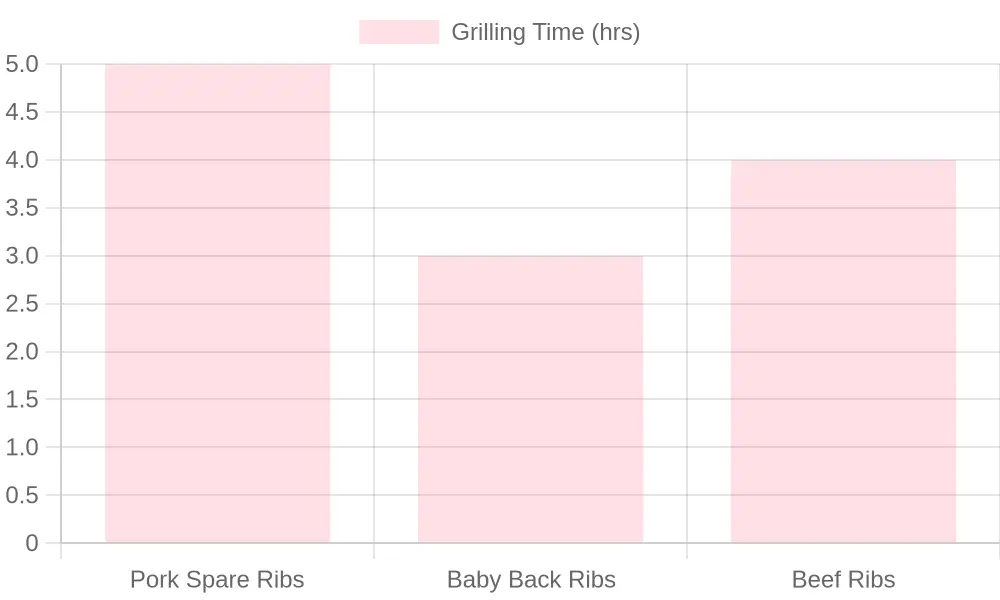
Grilling Time Comparison Chart
| Cut of Ribs | Direct Grilling Time (hrs) | Indirect Grilling Time (hrs) |
|---|---|---|
| Pork Spare Ribs | 2.5 | 3 |
| Baby Back Ribs | 1.5 | 2 |
| Beef Ribs | 3 | 4-6 |
- Pork Ribs: Cook for about 1.5 to 2 hours over direct heat or 2 to 2.5 hours using indirect heat methods. Wrapping in foil during the last hour can help retain moisture.
- Beef Ribs: For more substantial cuts, indirect grilling or smoking will take about 4 to 6 hours at lower temperatures.
Planning your cooking times wisely can make a significant difference in ensuring that your ribs are juicy and flavorful. For more tips on Korean BBQ techniques, check out our Korean BBQ menu or explore our all-you-can-eat options.
Conclusion
Cooking Korean BBQ ribs is not just a culinary experience; it’s an invitation to create memorable moments around the grill, fostering camaraderie and enjoyment among friends and colleagues. For business owners looking to stand out in the competitive food industry, offering a unique Korean BBQ experience can captivate customers and deepen their loyalty. The mouthwatering flavors and aromas of Korean BBQ ribs will not only enhance your menu but can also transform an ordinary dining occasion into an extraordinary feast.
Embracing this vibrant cooking style can elevate your restaurant’s reputation and attract diverse clientele. Whether you’re venturing into Korean cuisine or enhancing your existing offerings, the potential for increased customer engagement and satisfaction is significant. Don’t let the opportunity pass you by to bring this delectable tradition to your patrons.
Don’t wait – contact us today to discuss your needs, request a quote, or learn more about how we can support your mission to protect lives and property. Let’s make your cooking adventure as unforgettable as the flavors of Korean BBQ!