
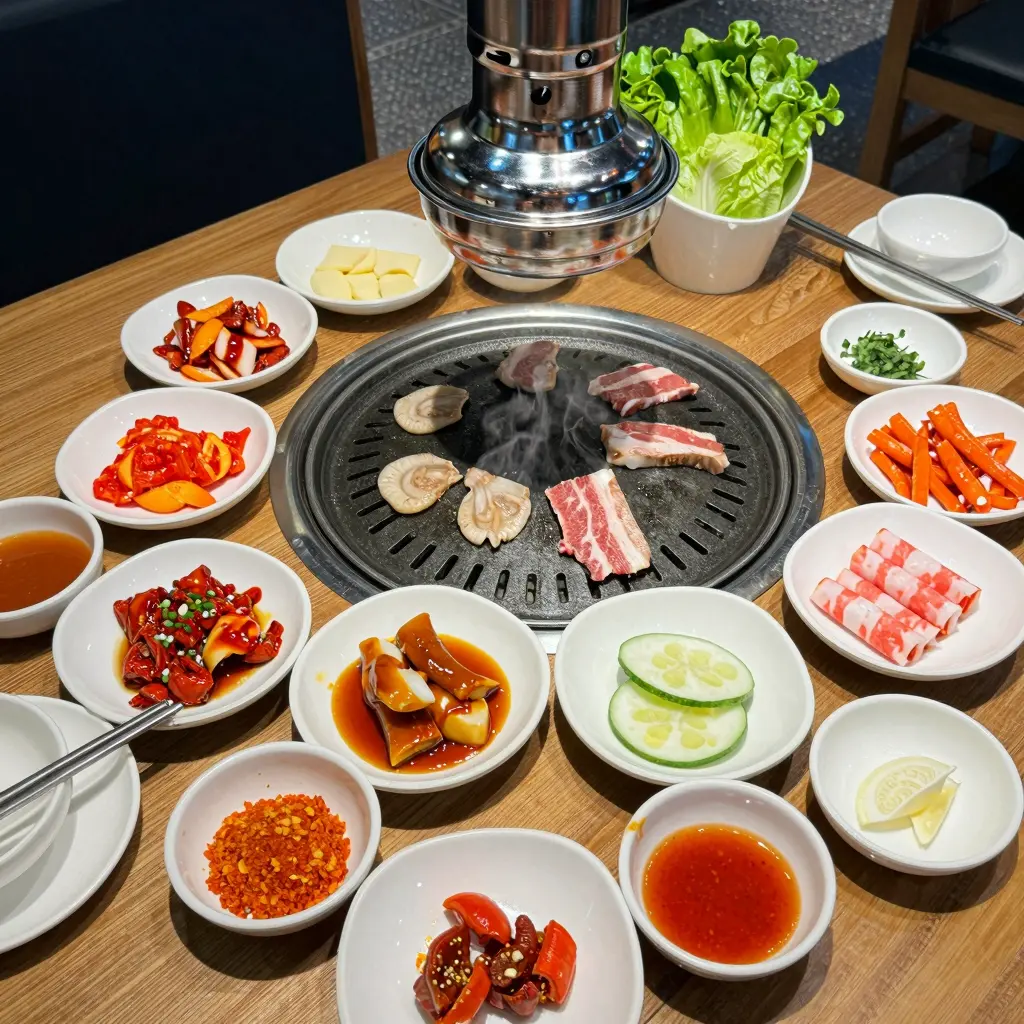
Embracing the Sizzle: The Allure of Korean BBQ for Business Owners
In recent years, Korean BBQ has surged in popularity across culinary landscapes, transforming the way we interact with food and each other. The communal aspect of grilling your own meats right at the table is not just a meal; it’s an experience. This dining style invites patrons to engage, share stories, and create memories, all while savoring delicious flavors. For business owners in the food industry, capitalizing on the love for Korean BBQ presents a unique opportunity to attract a steady stream of enthusiastic customers, eager for a taste of Korea’s rich culinary heritage.
In this article, we will delve into the intricacies of operating a successful Korean BBQ restaurant. We’ll explore essential techniques for preparing ingredients that centralize around high-quality meats, vibrant sides, and the all-important grilling experience. Furthermore, we will discuss marketing strategies tailored specifically for the Korean BBQ niche, reinforcing the value of ambiance and customer engagement in fostering loyalty. Whether you’re contemplating opening a new establishment or looking to enhance your existing menu, understanding the dynamics of Korean BBQ can lead to substantial growth and success. By the end, you will be equipped with insights into the operational mechanics and creative concepts that can take your venture to new heights. Join us as we uncover the delightful world of Korean BBQ and its endless possibilities for your food business!
The History of Korean BBQ: Origins, Evolution, and Cultural Significance
Korean BBQ, or 'Gogi-gui' (고기구이), is a beloved culinary tradition rooted deeply in the history and culture of Korea. Its origins can be traced back to the Goryeo Dynasty (918-1392) and the Joseon Dynasty (1392-1910), during which various methods of grilling meats were developed and refined. The practice encompasses a vast range of techniques that evolved with the introduction of charcoal grilling, creating the delicious flavors and aromas that characterize Korean BBQ today.
Historical Development
The earliest forms of Korean BBQ involved grilling meats over open flames, which was prevalent in households. One pivotal moment in Korean BBQ history was the introduction of marinated meats, particularly bulgogi (불고기), which translates to "fire meat". The marination process typically included soy sauce, sugar, sesame oil, garlic, and other ingredients, enhancing the flavors and tenderizing the meat. Galbi (갈비), or marinated short ribs, emerged as another favorite, establishing a foundation for the diverse menu options in Korean BBQ restaurants.
Cultural Significance
Korean BBQ is not merely a meal; it embodies the cultural ethos of sharing and togetherness. Traditionally, families and friends gather around the grill, cooking and communing, reflecting the Confucian ideals of harmony and respect within social relationships. This practice fosters a sense of community and allows diners to engage directly with their food, cultivating both connection and culinary appreciation. The act of eating together is significant in Korean culture, symbolizing warmth and unity.
The Rise of Korean BBQ Restaurants
In recent years, Korean BBQ has gained remarkable popularity worldwide, influencing the dining landscape significantly. The emergence of Korean BBQ restaurants in urban areas across the globe showcases the increasing acceptance and demand for Korean cuisine. Notably, chains like Gen Korean BBQ have demonstrated rapid growth, with an expansion to 37 locations, marking a 19.4% increase in their footprint. Their success story underlines a burgeoning interest among consumers, as restaurants adapt their offerings to local tastes while preserving authentic grilling techniques.
Recent statistics reveal that the Korean restaurant market has seen a 15.3% increase in revenue from online deliveries, reaching approximately 8.2 trillion KRW. This shift indicates not only a surge in popularity but also showcases the ability of Korean BBQ to adapt to contemporary dining trends, reinforcing its place in the restaurant industry. In the U.S. alone, there has been a 10% rise in Korean restaurant locations, attesting to the growing consumer appetite for Korean BBQ dishes and experiences.
Conclusion
The journey of Korean BBQ from its historical roots to modern-day global fame exemplifies the resilience and adaptability of Korean culture. For business owners in the restaurant industry, harnessing this cultural narrative and expanding Korean BBQ offerings can provide a unique competitive edge. By catering to a diverse clientele and enhancing the communal experience inherent in Korean BBQ dining, businesses can further tap into the thriving market inspired by this traditional yet evolving cuisine.
To explore traditional dishes and understand the diverse Korean BBQ offerings available, check out the Korean BBQ and Sushi menu or learn more about all-you-can-eat Korean BBQ options available at Kogi Korean BBQ.
References
- Gen Korean BBQ Outperforms Revenue Targets
- Gen Korean BBQ Accelerates Growth
- Korean Restaurant Industry Statistics
- Growth of South Korean Restaurants in the U.S.
Essential BBQ Equipment for Running a Korean BBQ Restaurant
If you’re considering opening a Korean BBQ restaurant, having the right equipment and tools is essential for both operational efficiency and creating a delightful dining experience for your customers. Here’s a bulleted list of essential Korean BBQ equipment and tools:
- Grill/Hot Plate: Essential for cooking meats at the table. Typically, a gas or electric grill is used.
- Ventilation System: A good extraction system to remove smoke and odors ensures a pleasant atmosphere.
- Tables and Chairs: Custom furnishings that allow for easy access to grills and enhance customer comfort.
- Cooking Utensils: Tongs, spatulas, and chopsticks for safe handling of grilled items.
- Serving Dishes: Plates and bowls for serving meats, side dishes (ban-chan), and sauces.
- Storage Solutions: Refrigerators and freezers for safe storage of marinades and raw ingredients.
- Dishwashing Equipment: Commercial dishwashers to maintain hygiene and efficiency in a busy restaurant environment.
By ensuring you have quality equipment, you can create a seamless and enjoyable Korean BBQ dining experience. For more insight into menu options, check out our Korean BBQ and Sushi Menu.
Want to see dishes in action? Explore our Kogi Grill Largo for inspiration!
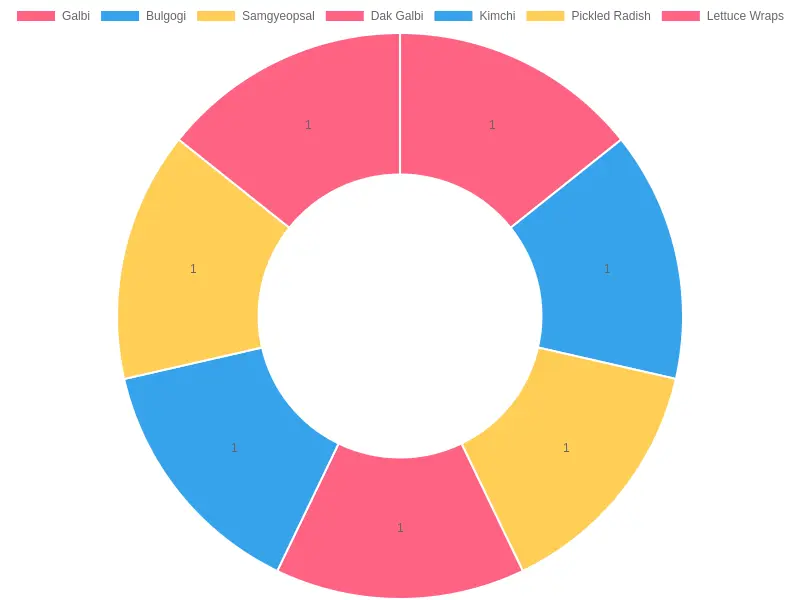
Popular Korean BBQ Dishes
- Galbi: Marinated short ribs.
- Bulgogi: Marinated beef.
- Samgyeopsal: Pork belly.
- Dak Galbi: Spicy chicken.
- Kimchi: Fermented vegetable side dish.
- Pickled Radish: Tangy and crunchy side dish.
- Lettuce Wraps: Fresh lettuce wraps for BBQ.
For more information on Korean BBQ menus, check out our Korean BBQ and Sushi menu or learn about our all-you-can-eat options.
Creating an inviting and efficient restaurant environment is crucial for the success of any dining establishment, especially for a niche cuisine like Korean BBQ. Business owners must consider several elements such as seating arrangements, ventilation, and ambiance to enhance the dining experience. Below are actionable insights that can help in preparing your Korean BBQ restaurant to welcome and impress customers.
1. Seating Arrangements
Flexibility and Comfort:
The seating arrangement in a Korean BBQ restaurant should prioritize comfort and flexibility. Customers often enjoy group dining, so having tables that can accommodate various group sizes is essential. Consider:
- Large Tables: Opt for communal tables that can host multiple diners. A circular or oval shape encourages conversation and interaction.
- Individual Grills: Each table should feature its own grill. This not only elevates the dining experience but also ensures that guests can cook their food to their liking without bothering other tables.
Accessibility:
Ensure that pathways between tables are wide enough for easy movement. Avoid overcrowding the space to provide diners with a sense of privacy while still encouraging a lively atmosphere.
Booths vs. Open Seating:
While booths can provide a cozy, intimate dining experience, ensure to mix this with open seating arrangements to capture a variety of customers looking for different dining experiences.
2. Ventilation
Importance of Good Ventilation:
Ventilation is key in Korean BBQ restaurants mainly due to the grilling and cooking that occurs at the tables. Poor ventilation can lead to smoke accumulation, unpleasant odors, and discomfort for customers. Here’s how to address it:
- Exhaust Hoods: Install high-capacity exhaust hoods above each grill to effectively remove smoke and odors from the dining area. Ensure they are regularly maintained for optimal performance.
- Air Purifiers: Consider adding air purifiers throughout the restaurant to help maintain fresh air quality.
- Windows and Natural Ventilation: If possible, incorporate windows that can open or use fans to encourage natural airflow.
3. Ambiance
Creating the Right Atmosphere:
Ambiance plays a significant role in enhancing the dining experience. For a Korean BBQ restaurant, consider:
- Lighting: Use warm, soft lighting to make the space feel inviting. Adjustable lighting can create different moods during different times of the day.
- Decor: Incorporate traditional Korean elements, such as wooden furniture, Korean calligraphy, and artwork. This not only enhances the visual appeal but also immerses customers in Korean culture.
- Music: Select background music that complements the dining experience without overwhelming conversation. Traditional Korean music or modern K-pop can help set the tone.
Temperature Control:
Lastly, ensure the restaurant maintains a comfortable temperature for your customers. The grilling process can heat up the environment, so having a functioning HVAC system is essential.
Conclusion
Business owners must give considerable thought to the preparation of their restaurant environment to ensure an enjoyable experience for their customers. From thoughtful seating arrangements and adequate ventilation to the right ambiance, every detail can contribute to the overall satisfaction of diners in a Korean BBQ restaurant. By implementing these elements effectively, you can not only enhance the dining experience but also encourage repeat visits.
For further insight into menu offerings that can complement your restaurant environment, explore our Korean BBQ and sushi menu.
By putting these strategies into practice, you can create a welcoming space that invites customers to immerse themselves in the vibrant culture of Korean cuisine.
In recent years, Korean BBQ has been experiencing a significant surge in popularity, creating lucrative opportunities for restaurant owners and aspiring entrepreneurs. Here, we delve into current trends and user adoption rates, substantiating the relevance of entering the Korean BBQ market.
Market Growth and Demand
-
Global Expansion: The global market for Korean BBQ is expected to grow at a compound annual growth rate (CAGR) of 8.3%. This trend is driven by the increasing popularity of Korean cuisine and the unique dining experience that BBQ offers. As more consumers look for interactive dining experiences, Korean BBQ has captured their attention.
-
Increased Restaurant Count: In the U.S., the number of Korean restaurant locations surged by 10% over the last year. This reflects a growing consumer interest in Korean cuisine, presenting a positive outlook for new business ventures in this space. The demand continues to rise, particularly in diverse urban areas where Korean BBQ restaurants can thrive.
Consumer Preferences
-
Younger Demographics: A notable trend is the increasing attraction of Korean BBQ among younger generations, particularly millennials and Gen Z. These age groups are drawn to the hands-on dining experience that Korean BBQ offers, often characterized by grilling their food at the table.
-
Health-Conscious Choices: Another pivotal trend in 2023 is the rise of health-conscious dining. Consumers are now more interested in organic options and plant-based alternatives at Korean BBQ restaurants. This shift indicates an essential consideration for business owners looking to capture this segment of the market. Incorporating these options can enhance consumer appeal.
Integration of Technology
- Digital Orders and Reservations: Many establishments are starting to use mobile apps for orders and reservations, enhancing customer convenience and improving the overall dining experience. This digital integration not only streamlines operations but also aligns with the preferences of tech-savvy consumers.
Social Media Influence
- Visual Engagement: Social media platforms, particularly Instagram, have significantly influenced dining choices. The aesthetic presentation of food, vibrant ambiance, and interactive grilling experience are often highlighted in posts. This social media engagement can serve as free advertising and encourage more patrons to explore Korean BBQ.
Market Conclusion
The Korean BBQ market presents observable opportunities for business owners aiming to innovate within the dining industry. With increasing consumer engagement, particularly among younger demographics, coupled with technological integration and health trends, now is a propitious time to venture into this growing marketplace.
Entrepreneurs can explore our diverse offerings and menus to capture this vibrant audience. For instance, you can learn more about our all-you-can-eat Korean BBQ options to appeal to families and large groups seeking value and variety.
As the market continues to evolve, staying attuned to trends and consumer preferences will be critical for success in the competitive Korean BBQ landscape.
Vendor Comparison for Korean BBQ Restaurant Equipment
When starting a Korean BBQ restaurant, selecting the right suppliers for equipment can significantly impact your operations. Below is a comparative table featuring prominent suppliers focusing on their pricing, reputation, and product selection.
Table: Vendor Comparison
| Vendor | Pricing Range (USD) | Reputation | Product Selection |
|---|---|---|---|
| WebstaurantStore | $500 – $10,000 | High, positive reviews | Grills, tables, chairs, kitchen equipment |
| KaTom Restaurant Supply | $600 – $8,000 | High, trusted | Grills, cooking tools, dining sets |
| Alibaba | Variable, typically lower | Mixed, varies by seller | Wholesale kitchen equipment, various manufacturers |
| Restaurant Depot | $300 – $7,500 | Generally trusted | Grills, fryers, refrigeration options |
| Central Restaurant Products | $400 – $9,000 | Good, reliable | Full range from cooking to serving equipment |
Key Considerations:
- Pricing: Depending on the needed equipment, costs can range widely. Commercial-grade grills may set you back anywhere from $2,000 to $10,000.
- Reputation: Always check customer reviews on platforms like Yelp and Google Reviews to assess a supplier’s reliability and service quality.
- Product Selection: Ensure that the vendor carries a full range of necessary equipment for your needs, from cooking appliances to tableware.
For more detailed insights about starting your restaurant, consider exploring our menu offerings or learning about popular dining concepts.
Choosing the right equipment supplier will lay the groundwork for your success in the bustling world of Korean BBQ dining!
Conclusion
In conclusion, operating a Korean BBQ restaurant presents a unique and thriving opportunity for business owners in today’s culinary landscape. As a popular dining concept known for its interactive grilling experience, it attracts a wide range of customers looking for an engaging meal that combines essential social dynamics with culinary delight. The ability to offer a diverse menu that caters to various dietary needs not only enhances customer satisfaction but also fosters loyalty among patrons.
While there are inherent challenges, such as managing operational complexities, navigating health regulations, and addressing supply chain issues, the overall benefits often outweigh these hurdles. The increasing demand for authentic dining experiences creates a promising market for those willing to invest and innovate.
Ultimately, investors willing to leverage this trend can benefit from higher profit margins due to the unique nature of Korean BBQ and increased community engagement, making it a worthwhile business venture. Don’t wait – contact us today to discuss your needs and take the first step towards establishing your own Korean BBQ restaurant!
“Food is the ingredient that binds us together.” – Anonymous
This quote emphasizes the communal aspect of dining and the emotional connections that shared meals create, which is particularly relevant for the engaging and interactive experience of Korean BBQ dining.
Effective Marketing Strategies for Korean BBQ Restaurants
In the competitive realm of the restaurant industry, especially for Korean BBQ establishments, implementing innovative marketing strategies is essential to attract and retain customers. Below, we outline some effective practices, focusing on digital marketing, social media engagement, and community interaction, aimed at bolstering the visibility and appeal of your Korean BBQ restaurant.
1. Digital Marketing
In today’s digital age, a robust online presence is central to any successful marketing strategy. Here are key components to consider:
-
Website Optimization: Ensure your restaurant’s website is user-friendly, mobile-responsive, and optimized for search engines (SEO). Optimize for local search by including keywords like “Korean BBQ near me” or “all-you-can-eat Korean BBQ”. Incorporate an integrated online reservation and ordering system to streamline the customer experience.
-
Email Marketing: Build an email list and engage with customers through newsletters featuring special promotions, events, and menu updates. According to recent statistics, email marketing yields an average ROI of $42 for every dollar spent, making it a powerful tool in your marketing arsenal.
-
Online Reviews and Reputation Management: Actively manage online reviews on platforms like Yelp and Google My Business. Responding to reviews, both positive and negative, demonstrates your commitment to customer satisfaction and can enhance your restaurant’s reputation.
2. Social Media Marketing
Social media platforms are vital for engaging with potential customers and showcasing your offerings:
-
Visual Content: Invest in high-quality photography of your dishes and dining experience. Platforms like Instagram and Facebook thrive on vibrant visuals. Sharing enticing images of your marinated meats, sizzling BBQ setups, and communal dining experiences can attract food enthusiasts.
-
User-Generated Content: Encourage customers to share their dining experiences on social media and tag your restaurant. Consider running a photo contest or hashtag campaign to reward the best posts, thereby increasing your visibility and customer engagement.
-
Engagement Campaigns: Use polls, questions, and giveaways on your social media stories to interact with followers. Engaging content fosters community and enhances customer loyalty.
3. Community Engagement
Building a loyal customer base extends beyond digital efforts; engaging with your local community can drive traffic to your restaurant:
-
Local Sponsorships and Events: Sponsor local events, participate in food festivals, or collaborate with nearby businesses for joint promotions. For instance, hosting a “Korean BBQ Night” can bring awareness to your restaurant while supporting the community.
-
Classes and Workshops: Consider hosting cooking classes or culinary workshops where participants can learn about Korean BBQ techniques. This not only promotes your cuisine but also positions your restaurant as a hub for culinary education.
-
Promote Local Partnerships: Collaborate with local farms or suppliers to source ingredients. Promoting these partnerships on your website and social media can enhance your brand’s image as a supporter of local businesses and sustainable practices.
Conclusion
By focusing on these strategies-effective digital marketing, engaging social media practices, and active community involvement-Korean BBQ restaurants can create a vibrant atmosphere that continuously attracts new customers while retaining existing ones. Embracing these practices can not only enhance your restaurant’s visibility but also foster a sense of community and brand loyalty.
To explore more about menus that can attract customers, visit our Korean BBQ and Sushi Menu and find the best offerings for your patrons!