The Allure of All You Can Eat Korean BBQ: Why It’s a Game Changer for Restaurateurs
In the ever-evolving landscape of dining, All You Can Eat (AYCE) Korean BBQ has carved a niche that not only enthralls food lovers but also opens up lucrative avenues for business owners. This culinary trend has skyrocketed in popularity, thanks to its unique value proposition which combines an immersive dining experience with the joy of sharing meals. Recent industry reports indicate that AYCE Korean BBQ establishments have experienced a 32% surge in customer traffic year-over-year, especially among millennials and Gen Z, who crave vibrant and social dining environments.
The charm of AYCE Korean BBQ lies in its interactive nature-dinners are not just meals; they become culinary events where patrons grill their own meats, experiment with an array of sauces, and enjoy an extensive selection of banchan (side dishes). This format boosts customer satisfaction and repeat visits, making it a goldmine for revenue. Unique to this model is the ability to upsell beverages and premium cuts, combining high-margin sales with an affordable dining experience that customers love. For entrepreneurs looking to capitalize on this trend, mastering speed of service and quality offerings in an inviting atmosphere can significantly enhance word-of-mouth marketing and online reviews, ultimately driving foot traffic and increasing profitability. For more insights, check out our guide on Korean BBQ and sushi menu offerings to elevate your concept.
Pricing Structures in All-You-Can-Eat Korean BBQ Restaurants
Pricing structures in All-You-Can-Eat (AYCE) Korean BBQ restaurants are primarily determined by a fixed-price menu system, which invites diners to pay a set fee for unlimited access to various meats, side dishes (banchan), and sauces. Understanding the varying factors that influence the pricing helps business owners create competitive strategies and improve profitability. Here are the common pricing structures and the variables that affect costs:
Common Pricing Models
- Fixed Pricing: Most AYCE Korean BBQ establishments have a fixed price ranging from $25 to $50 per person, depending on the quality and type of meats offered. This can vary significantly by location and the restaurant’s reputation:
- Mid-Tier Restaurants: In urban areas like Seoul, mid-tier restaurants typically charge between $25 to $40 per person.
- Premium Locations: High-end restaurants featuring specialty meats like wagyu can exceed $50 per person.
- Lunch Specials: Many places offer discounted prices during lunch hours, generally around $20 to $30.
- Tiered Pricing: Some restaurants have adopted a tiered pricing structure, offering basic, premium, and luxury options depending on the quality of meat and included services.
Factors Influencing Pricing
- Location: Restaurants situated in metropolitan areas tend to charge higher prices due to increased operational costs and demand.
- Quality of Ingredients: High-quality ingredients, including marbled meats and fresh seafood, can significantly increase costs. For instance, establishments that focus on authentic Korean BBQ experiences might charge more for specialty sauces and ingredients.
- Dining Experience: The setup of the restaurant can also play a role. Modern, electric grill tables, which enhance the dining experience, may incur higher costs, impacting overall pricing.
- Promotions and Discounts: Offering promotional rates, like late-night discounts or holiday deals, can attract more customers while balancing inventory and operational expenses.
Conclusion
Incorporating these considerations will help business owners like those at Kogi Korean BBQ understand pricing dynamics better. By adapting their pricing strategies based on location, quality, and unique offers, they can position themselves effectively in the competitive Korean BBQ market.
Comparing Popular AYCE Korean BBQ Restaurants
When considering an All You Can Eat (AYCE) Korean BBQ restaurant, various factors come into play, such as the price range, menu variety, and customer reviews. Below is a comparison of popular AYCE Korean BBQ restaurants to help guide your choices:
| Restaurant Name | Price Range | Menu Variety | Customer Reviews |
|---|---|---|---|
| KPOT Korean BBQ & Hot Pot | $$$$ | Korean BBQ & Hot Pot | Rated 3.5, good variety |
| Kooky Korean BBQ Restaurant | $$ – $$$ | Beef Tongue, Ribs, and various side dishes | Excellent service |
| Eight Korean BBQ | $$ – $$$ | Korean BBQ and Asian dishes | 3.8 stars on TripAdvisor |
| BullPan Korean BBQ | $$ – $$$ | Specializes in Korean BBQ | Family-friendly |
| 356 Korean BBQ & Bar | $$$$ | High-end AYCE with Wagyu and sushi options | Unique dining experience |
You can explore additional details like Kogi Korean BBQ Shabu Shabu for specific menu insights. Each restaurant offers its unique flavor and dining atmosphere, so consider your own preferences when choosing the perfect spot!
Exploring the Target Audience for AYCE Korean BBQ
All-You-Can-Eat (AYCE) Korean BBQ has gained significant popularity over the years, drawing a diverse range of demographics who are attracted to both the culinary experience and the unique social atmosphere it offers. Understanding the target audience for AYCE Korean BBQ can provide insights for business owners looking to engage this market effectively.
Demographics
The primary consumers of AYCE Korean BBQ are young adults, particularly from the Millennial and Generation Z cohorts. According to a 2024 article from Eater, about 65% of those dining at AYCE Korean BBQ restaurants are aged between 18 and 35. This age group finds enjoyment in the interactive, shareable dining experience that these establishments provide, often viewing them as venues for social gatherings, celebrations, or casual outings with friends. The report highlighted that this audience enjoys documenting their dining experiences on social media, further underscoring the visual appeal these restaurants possess.
Notably, 58% of customers in the AYCE Korean BBQ segment are professionals aged 25 to 40, as mentioned in Statista’s 2024 market report. This demographic is typically characterized by dual-income households seeking value and quality in dining options. Simultaneously, the under-25 crowd constitutes approximately 28% of the customer base, indicating a strong trend among younger consumers who are influenced by pop culture, social media, and a desire for unique dining experiences. This suggests that AYCE Korean BBQ venues that also cater to dietary preferences and cultural openness can capitalize on their popularity among diverse food enthusiasts.
Cultural Influences
The popularity of Korean BBQ extends beyond just age groups; cultural factors also play a significant role in attracting diners. The rise of the Hallyu Wave (Korean Wave) has made Korean cuisine, particularly BBQ, a popular choice among consumers globally. According to a research proposal documented in Scribd, this phenomenon has led to a notable increase in the consumption of Korean BBQ amongst young people in countries like Malaysia, driven by the influence of K-pop and Korean dramas.
Businesses looking to engage the AYCE Korean BBQ market should consider the following:
- Diverse Menus: Offering a variety of meats, vegetarian options, and culturally specific dishes can attract a wider range of customers.
- Social Media Engagement: Implementing social media campaigns and influencer collaborations can help reach younger demographics effectively.
- Experiential Dining: Creating a vibrant atmosphere that encourages social interaction can enhance the overall dining experience, appealing to the target market’s preference for sharing meals.
This audience’s emphasis on social dining experiences, combined with the diversity of culture and age within this demographic, highlights the potential for growth.
To explore more about the unique options and offerings in the realm of Korean BBQ, visit Kogi Korean BBQ for insights on menu selections and dining experiences.
Business Implications of Opening an All You Can Eat Korean BBQ Restaurant
Opening an All You Can Eat (AYCE) Korean BBQ restaurant can be a lucrative venture, especially in areas with a high demand for unique dining experiences. However, potential business owners must carefully analyze the startup costs, operating expenses, and revenue potential to ensure profitability.
Startup Costs
Based on various market analyses, the startup costs for an AYCE Korean BBQ restaurant in the United States typically range from $450,000 to $900,000. The costs can vary significantly based on location, size, and operational complexity. Here is a breakdown of estimated startup costs:
| Category | Low Range (USD) | Medium Range (USD) | High Range (USD) |
|---|---|---|---|
| Leasehold Improvements | $50,000 | $100,000 | $200,000 |
| Kitchen Equipment | $80,000 | $150,000 | $300,000 |
| Initial Inventory | $15,000 | $30,000 | $60,000 |
| Licensing | $5,000 | $10,000 | $20,000 |
| Marketing | $10,000 | $25,000 | $50,000 |
| Staffing (First 3 months) | $40,000 | $75,000 | $120,000 |
| Total Startup Cost | $200,000 | $400,000 | $800,000 |
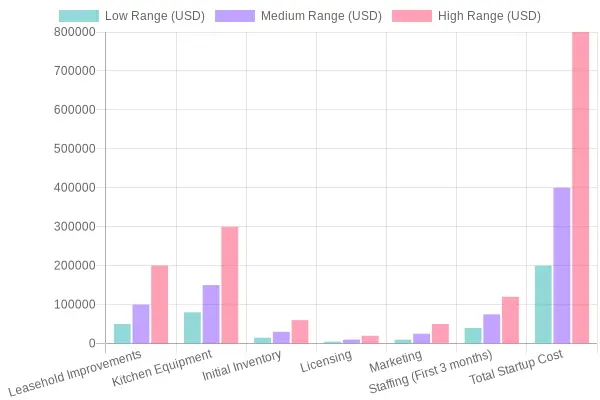
Estimated startup costs provide an overview necessary for planning and investment decisions.
(Source: RestaurantOwner.com)
Operating Expenses
The ongoing operating expenses of an AYCE Korean BBQ restaurant will also play a significant role in determining profitability. Annual costs can vary widely depending on the location and management efficiency. Here’s a general estimate of the key operating costs:
| Category | Annual Cost (USD) | Notes |
|---|---|---|
| Rent | $80,000 – $150,000 | Varies significantly between urban and suburban areas. |
| Labor (Salaries & Benefits) | $200,000 – $350,000 | Includes all staff members; costs vary with staffing levels and local wages. |
| Food Cost (Ingredients) | $120,000 – $250,000 | Includes main ingredients like meat, vegetables, sauces; fluctuates with market prices. |
| Utilities | $40,000 – $70,000 | High usage costs due to HVAC systems, grills, etc. |
| Miscellaneous | $30,000 – $60,000 | Covers maintenance, cleaning, marketing, and insurance. |
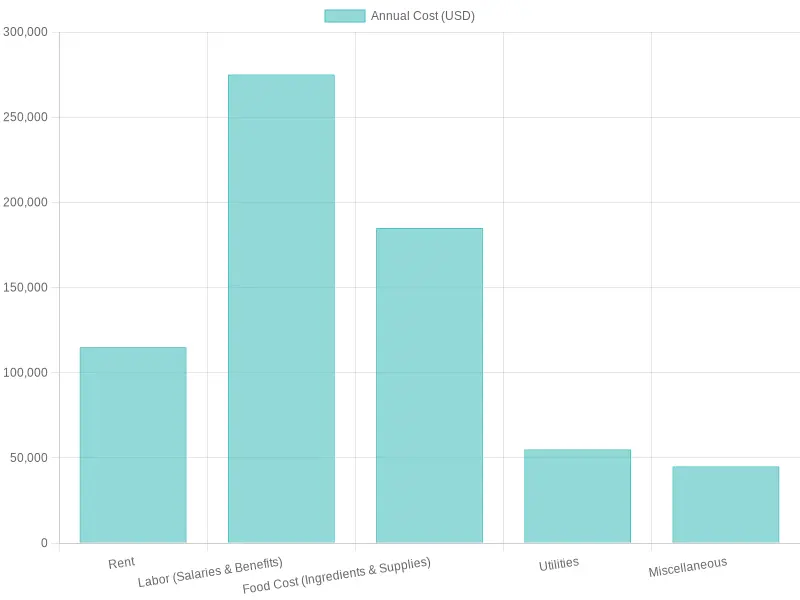
Understanding these annual expenses is crucial for effective budgeting and financial planning.
(Source: Statista)
Revenue Potential
Revenue potential for an AYCE Korean BBQ restaurant is generally favorable, especially with successful management strategies. For instance, an AYCE Korean BBQ in Chicago reported annual revenues exceeding $2.5 million. Average prices for AYCE meals range from $25 to $50 per person, depending on the menu and location, which can lead to significant revenue, particularly during peak dining times.
Additionally, utilizing promotion tactics, such as loyalty programs or value deals, can enhance customer retention rates and maximize profits. According to industry reports, AYCE concepts often achieve higher profit margins (40%-60%) compared to traditional restaurants due to high customer turnover and the ability to control food costs through buffet-style service.
In conclusion, while the initial financial investment for an AYCE Korean BBQ restaurant is substantial, the potential profitability is significant if managed effectively. Business owners must pay careful attention to cost management and customer service to ensure long-term success.
Key Considerations for Business Owners Entering the AYCE Korean BBQ Market
Entering the All-You-Can-Eat (AYCE) Korean BBQ restaurant market can be enticing due to its growing popularity, especially in urban areas. However, business owners must evaluate several critical factors to ensure their venture’s success. Here are the key considerations:
1. Competition Analysis
The AYCE Korean BBQ market is highly competitive. It’s essential to conduct a thorough analysis of existing competitors in the area. Key points to focus on include:
- Menu variety: Identify gaps in the local offerings, like unique meat options or side dishes. For example, premium ingredients such as certified Wagyu beef or interactive options like Shabu Shabu can set your restaurant apart.
- Pricing strategy: Competitors often have various pricing tiers, so ensuring that you maintain a balance between affordability and perceived luxury is crucial. Typical price ranges for lunch are around $25.99, while premium dinner combos can go higher.
- Customer experience: Emphasize freshness and customization options, such as sauce bars, which enhance customer satisfaction.
2. Strategic Location Selection
Location plays a crucial role in a restaurant’s success. Here are some tips:
- High traffic areas: Consider locations near business parks, shopping centers, or entertainment districts, where foot traffic is consistent. For instance, regions like Southern California present higher demand for AYCE options.
- Parking and accessibility: Ensure that your restaurant has easy access and ample parking, as these factors can influence customers’ dining decisions.
- Demographics: Target areas with young professionals and families who seek quality dining experiences that provide great value.
3. Effective Marketing Strategies
Marketing is essential to standing out in a crowded market. Here are proven strategies:
- Social Media Engagement: Utilize platforms like Instagram and TikTok to share visually appealing content that showcases your dining experience. Highlight special offers or events to attract new patrons.
- Influencer Collaborations: Partner with food influencers to reach a larger audience and drive engagement through authentic reviews and recommendations.
- Loyalty Programs and Promotions: Consider creating limited-time combo deals to attract customers, such as a Wagyu + Shabu Shabu special. Loyalty programs can keep your customer base returning.
By addressing these key considerations, business owners can better navigate the complexities of establishing a successful AYCE Korean BBQ restaurant. For example, check out this menu for AYCE Korean BBQ in Oakland for inspiration.
In conclusion, thorough research and strategic planning in competition, location, and marketing will significantly enhance the likelihood of success in this vibrant culinary niche. As the AYCE Korean BBQ market evolves, staying informed about trends and customer preferences is essential to remain competitive.
Trends in the All You Can Eat Korean BBQ Industry
As the All You Can Eat (AYCE) restaurant market evolves, it’s crucial to pay attention to emerging trends and strategies that have proven successful. According to industry experts, there are significant shifts occurring that business owners should be aware of:
“The All You Can Eat model continues to attract consumers, but restaurants must adapt by focusing on sustainable dining experiences. By optimizing food costs, improving supply chain efficiency, and exploring limited menu offerings, operators can enhance profitability while satisfying customer preferences.”
Key Strategies for Success
- Sustainable Practices: Moving towards sustainable dining can differentiate your establishment. This includes sourcing ingredients more responsibly and minimizing waste through better inventory management.
- Supply Chain Efficiency: Developing a strong supply chain network is essential. This can include partnerships with local farms and suppliers to maintain quality while keeping costs down.
- Customer Experience: Leveraging technology for personalized service through AI can also enhance customer experiences, thus increasing repeat business.
To learn more about enhancing your Korean BBQ offerings, check out Kogi Korean BBQ’s comprehensive menu.
Recent Trends in Customer Experience with All You Can Eat Korean BBQ
The landscape of All You Can Eat (AYCE) Korean BBQ is evolving as restaurant owners strive to elevate the customer experience. Recent trends indicate a significant focus on service quality, ambiance, and menu diversity, driven largely by customer expectations and preferences.
Service Quality
Customers have high expectations for the quality of service in AYCE Korean BBQ restaurants. Prompt table setup and quick replenishment of meats are crucial. A 2023 survey by the National Restaurant Association showed that 78% of diners rated “friendly and attentive staff” as a top factor in their overall satisfaction at buffet-style restaurants.
Ambiance
The ambiance is not just about aesthetics; it plays a vital role in customer satisfaction. Diners favor settings that are comfortable yet lively, combining modern comfort with traditional Korean elements. According to a 2024 study by MarketResearch.com, 65% of customers prefer venues offering a “cozy yet vibrant” atmosphere, conducive to conversation and shared experiences. Creating an environment that caters to social gatherings enhances the overall dining experience.
Menu Options
Diversity in the menu is critical. Customers increasingly expect a wide range of meat options, seafood, and various side dishes. A 2023 report from YP Local Insights indicates that 82% of diners at AYCE Korean BBQs value menu diversity, viewing it as a key driver of satisfaction. Incorporating unique fusion items or healthy choices can also attract a broader customer base, from those seeking traditional tastes to modern dietary options.
Communal Dining Experience
The communal aspect of grilling together is a core appeal of AYCE Korean BBQ. Diners appreciate the interactive nature of the meal, which fosters a social environment. Customer reviews on platforms like Yelp commonly highlight this dining experience as a joyful feature, contributing to an average rating of 4.6 out of 5 stars specifically for the “communal dining feel.”
Service Friendliness
Lastly, the role of staff friendliness cannot be underestimated. Data from a 2024 consumer satisfaction index reveals that restaurants with top-rated staff friendliness experience a 40% higher retention rate among customers compared to those with less friendly service. Friendly and engaging staff can significantly enhance perceived value and improve overall customer experiences.
To explore the diverse menu options available at Kogi Korean BBQ, check our detailed offerings. For further insights into the ambiance and experiences at specific locations, visit our Kogi Grill Largo page.
Consumer Trends Chart

This chart highlights the importance of service quality, ambiance, menu options, communal dining experience, and service friendliness in shaping customer preferences.
Conclusion and Call to Action
The AYCE (All You Can Eat) Korean BBQ market is witnessing remarkable growth, driven by an increase in consumer interest in diverse culinary experiences and the influence of Korean culture globally. As highlighted throughout this article, the transformative shift in dining preferences-from traditional fixed-menu offerings to interactive dining experiences-positions AYCE Korean BBQ venues at the forefront of the food service industry. The unique selling points include high-quality ingredients, engaging customer experiences, and an inviting atmosphere, which can significantly boost customer retention and satisfaction.
Recent data indicates that the Korean food service market is set to reach $156.5 billion by 2026, with a projected growth rate of 13.37% CAGR until 2031. This statistic underscores the immense opportunities available for businesses looking to enter or expand in this lucrative segment. Additionally, factors such as localization and innovative fusion dishes can attract a broader audience to AYCE establishments, further enhancing their appeal.
For those considering expanding their business or exploring investments in the AYCE Korean BBQ market, now is the time to act. With a blend of responsible sourcing, intricate flavors, and a commitment to exceptional service, entrepreneurs can captivate the ever-growing demographic of Korean food enthusiasts.
If you’re interested in further insights or a tailored quote regarding your business needs, don’t hesitate to reach out to us today! Embrace the opportunity to be part of a thriving culinary scene where flavor meets experience.