
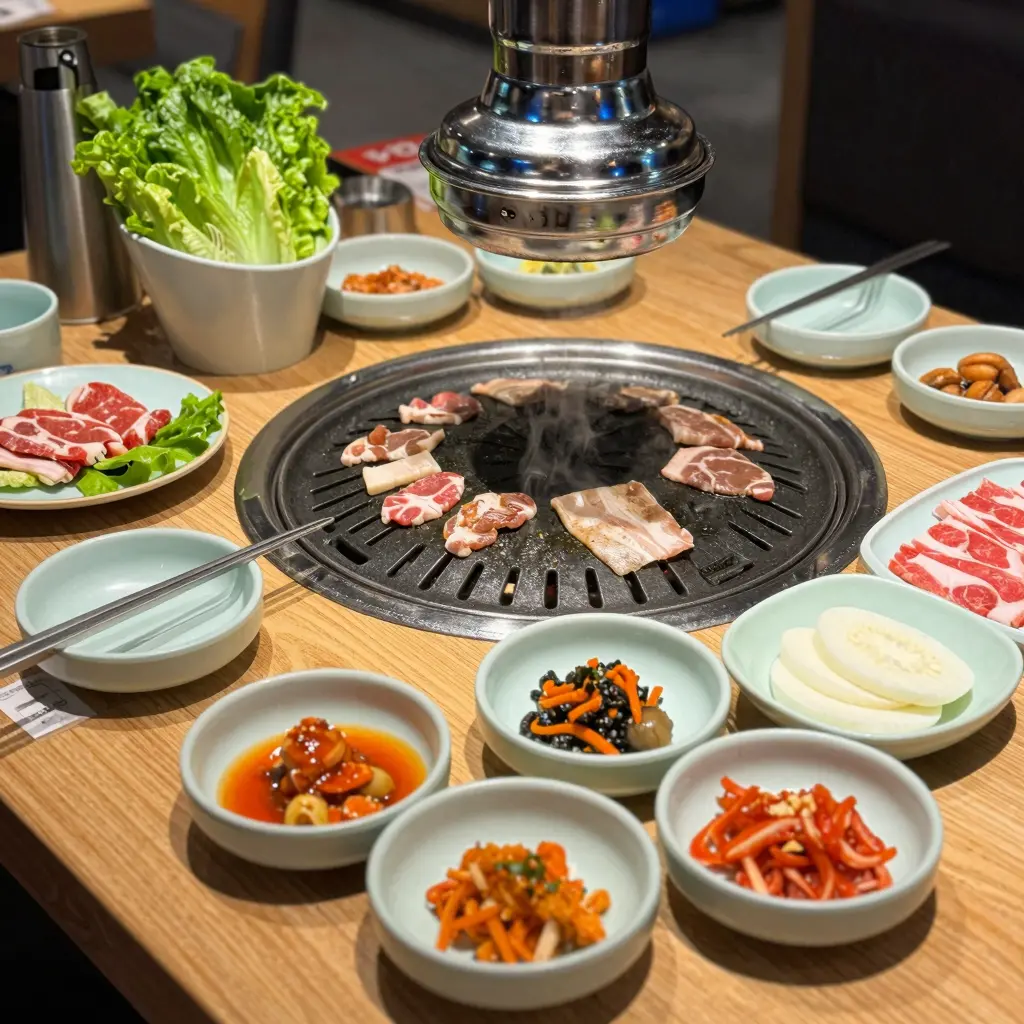
Introduction to All You Can Eat Korean BBQ: A Culinary Delight
All You Can Eat (AYCE) Korean BBQ has swiftly captured the hearts and appetites of diners across the globe. This unique dining experience not only offers a plethora of options to satisfy every palate but also invites diners to engage in a fun, interactive cooking process right at their table. But the allure of Korean BBQ goes beyond the delicious marinated meats and tantalizing side dishes-it also comes with a hefty calorie count that can surprise many first-timers. According to consumer reports, a typical AYCE Korean BBQ meal can rack up an average of 1,200 calories depending on the choices made. Rich cuts of meat, such as fatty pork belly and marinated beef, dominate the calorie intake, while sides like rice and sauces can add even more to the total. Whether it’s an indulgent night out or a celebratory gathering, diners often find themselves inadvertently exceeding their daily caloric needs, especially when faced with unlimited options.
The popularity of AYCE Korean BBQ has surged in recent years, particularly among young adults and families. Noteworthy establishments, like Hae Jang Chon, are often fully booked during peak hours, illustrating the high demand for this interactive dining style. The concept not only appeals to consumers looking for value but also presents a lucrative opportunity for restaurant owners. Potential business operators are tapping into this trend with various offerings that appeal to a diverse clientele, from families to food enthusiasts, providing them with an unmatched dining experience. Learn more about Korean BBQ’s irresistible allure and its economic impact on restaurant profitability as we explore the calorie dynamics in this popular cuisine.
| Dish | Average Calories (per serving) |
|---|---|
| Grilled Bulgolgi | 300 – 400 |
| Short Rib (Galbi) | 400 – 600 |
| Chicken Bulgogi | 250 – 350 |
| Steamed Vegetables | 15 – 20 (per half cup) |
| Kimchi | 15 – 20 (per half cup) |
| Rice | 200 – 250 (per cup) |
A traditional Korean BBQ can vary significantly in calorie content depending on portion sizes and accompanying dishes. For example, a meal including meats, rice, and multiple side dishes can easily add up to 800-1,200 calories. To manage calorie intake, consider selecting leaner meat options, controlling the portion sizes, and limiting sauces. You can learn more about specific menu options at Kogi Korean BBQ and All You Can Eat Korean BBQ in Oakland.
Customer Perceptions About Calorie Counts in All You Can Eat Korean BBQ Restaurants
The rise of All You Can Eat (AYCE) Korean BBQ restaurants has not only created a dynamic dining experience but also elicited varied perceptions among consumers regarding calorie consumption. Understanding these perceptions is crucial for restaurant owners looking to meet customer expectations while managing health considerations.
Misconceptions About Calories
A 2025 survey published in the Journal of Nutrition & Food Studies indicated that 67% of U.S. consumers believed they could indulge in unlimited Korean BBQ without exceeding 1,500 calories per visit. However, the actual calorie intake averages between 1,800 to 2,500 calories, with some diners reported to have consumed upwards of 3,000 calories in one sitting. This discrepancy arises primarily from the “all you can eat” model, which psychologically conditions diners to expect that they can eat a large volume of food without concern for caloric intake.
Factors Influencing Perception
Many guests often perceive AYCE Korean BBQ as a value proposition, especially among younger demographics, including college students. Given the variety and abundance of food, they consider it to be an economical option.
“I didn’t think I’d eat this much, but it just kept coming,” noted a diner who frequents AYCE establishments, emphasizing the tendency to prioritize quantity over quality.
Additionally, a common trend surfaces where customers frequently do not check calorie counts or nutritional labels, with 54% admitting to avoiding such information entirely. Instead, taste and variety reign supreme, which aligns with a broader consumer tendency to overlook health and caloric content in favor of the social experience and culinary variety these restaurants provide.
Many AYCE Korean BBQ restaurants often utilize cheaper, lower-quality meats and processed ingredients to manage costs while boosting portion sizes, consequently raising the average caloric content. This factor further complicates perceptions, as diners may leave satisfied yet guilty, reflecting a disconnect between perceived value and actual health costs.
Influence of Marketing and Social Media
Compounding this issue is the influence of social media. Many customers find themselves lured by posts from influencers who promote these dining experiences as fun outings rather than opportunities to turn a profit with their health. As revealed in a TripAdvisor Insights Report from 2025, while 82% of diners praised the variety and value of AYCE restaurants, only 19% expressed concern for calorie counts.
Conclusion
For restaurant owners, understanding these customer perceptions is essential for developing marketing strategies that cater to consumer psychology. Highlights of value and quality, as well as educating diners on caloric content without diminishing the dining experience, may help bridge the gap between perceived value and nutritional awareness.
For those interested in expanding their knowledge about the menu offerings at AYCE Korean BBQ restaurants, consider checking out our all-you-can-eat Korean BBQ menu for more insights.
Understanding the Nutritional Content of All-You-Can-Eat Korean BBQ
Korean BBQ is a popular dining option in many restaurants, particularly those offering all-you-can-eat (AYCE) formats. However, understanding the nutritional content, especially calories, is crucial for business owners looking to provide healthy dining options.
General Caloric Overview
The caloric intake from an all-you-can-eat Korean BBQ meal can vary significantly. Factors such as meat choices, portion sizes, and accompanying side dishes contribute to the total calorie count. A typical meal can range from 800 to over 1,500 calories. Notably:
- High-fat cuts like bulgogi (marinated beef) or galbi (short ribs) can contain 450-500 calories per serving (300g).
- A combination meal featuring grilled beef short ribs, pork belly, and various side dishes (kimchi, rice) may exceed 1,200 calories easily. Furthermore, portioning and the addition of unlimited rice and sugary sauces can push the meal up to 1,500 calories or more.
Key Nutritional Components
| Meat Type | Serving Size | Calories | Protein (g) | Fat (g) | Carbohydrates (g) | Sodium (mg) | Source |
|---|---|---|---|---|---|---|---|
| Korean BBQ Pork Jerky | 1 oz (28 g) | 90 kcal | 7.00 | 2.00 | 10.00 | 310 | Nutritionix |
| Beef Bulgogi | 4 oz (113 g) | 180 kcal | 16.5 | 9.0 | 2.3 | Not specified | Eat This Much |
| Pork Belly | 3 oz (85 g) | 280-320 kcal | 18-20 | 24-28 | 0 | 600-800 | USDA |
| Chicken | 3 oz (85 g) | 140-160 kcal | 26-28 | 5-7 | 0 | 600-700 | USDA |
| Beef Ribs | 3 oz (85 g) | 260-300 kcal | 25-27 | 18-22 | 0 | 500-700 | USDA |
Note: The calorie values may vary based on cooking method and sauce preparation.
Factors Influencing Caloric Intake
In addition to the types of meat, various side dishes and sauces greatly influence the overall calorie content:
- Choice of Meat: Leaner meats like chicken generally have fewer calories compared to pork belly or fatty cuts of beef.
- Side Dishes: Common sides such as kimchi and pickled vegetables are relatively low in calories but can be overshadowed by heavier accompaniments like rice (approximately 200 calories per cup) and higher calorie sauces (like sweet BBQ sauces adding about 50 calories per tablespoon).
To better manage caloric consumption, it’s advisable to provide information about portion sizes and healthier options, encouraging patrons to select lean meats and be mindful of the sauces used. This approach can help diners enjoy Korean BBQ while remaining health-conscious.
For more insights into popular Korean BBQ selections, you can explore our menu or check out dining options in your area.
Business Implications of Calorie Counting in Korean BBQ Restaurants
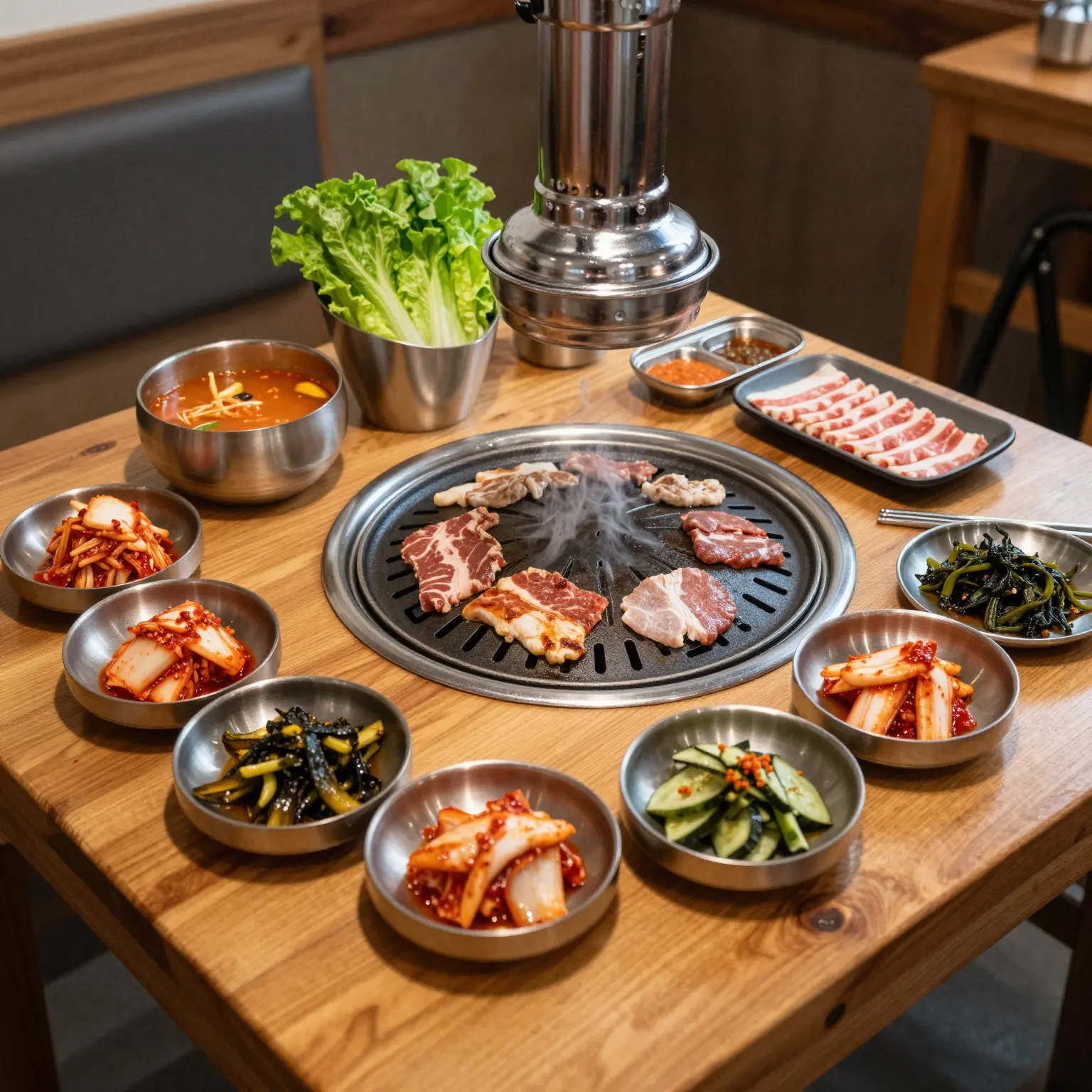
Calorie counting in Korean BBQ establishments has significant implications for business owners, influencing menu offerings, marketing strategies, and customer engagement. As health consciousness among consumers rises, many restaurants are beginning to adopt calorie labeling to meet customer expectations and regulatory requirements. Here are some crucial considerations for business owners:
Potential Menu Adjustments
- Health-Conscious Options: Owners can introduce lower-calorie menu items, such as leaner meats, plant-based alternatives, or vegetable-rich dishes, appealing to health-conscious customers. Unique items like plant-based bulgogi or low-sodium kimchi can also broaden the target audience to vegetarians and those with dietary restrictions.
- Customization: Offering customization options allows customers to control their ingredient choices, fostering an environment where they feel empowered about their eating habits and caloric intake.
Marketing Strategies
- Transparency: Clearly displaying calorie counts on menus can enhance customer trust and loyalty. Studies suggest that knowing caloric content can guide guests toward healthier choices, thus improving their dining experience while driving repeat business (Columbia Business School).
- Experiential Marketing: Creating immersive experiences around calorie-conscious dining, like DIY marinade bars or cooking classes, could attract customers interested in engaging with their food journey. Events themed around popular Korean culture or interactive cooking could increase dwell time and customer retention (Marketing Week).
- Social Media Engagement: Leverage platforms like Instagram to showcase visually appealing low-calorie dishes. Collaborating with food influencers can further enhance visibility and attract a younger demographic who values both health and aesthetics.
In conclusion, while calorie counting may seem daunting, it aligns well with emerging consumer trends towards transparency and health. By strategically adjusting menus and embracing innovative marketing strategies, Korean BBQ establishments can enhance their appeal, foster customer loyalty, and potentially boost profitability.
Calorie Consumption Trends at Korean BBQ
In recent years, the trend of calorie consumption at Korean BBQ restaurants, especially within all-you-can-eat (AYCE) formats, has seen a significant increase. According to a recent study analyzing data from the Korean National Health and Nutrition Examination Survey, there’s been a notable rise in average calorie intake during AYCE dining events compared to traditional dining options.
Key Trends:
- Increase in AYCE Restaurants: There has been a 45% increase in the number of AYCE Korean BBQ restaurants from 2014 to 2023.
- Average Meal Calories: The average meal consumed at an AYCE Korean BBQ restaurant is around 2,500-3,000 calories, which greatly exceeds the recommended daily intake for many individuals, leading to public health concerns.
- Growing Popularity: The AYCE format appeals primarily to young adults who value the perceived cost-efficiency, contributing to the rising calorie trends.
Chart: Calorie Intake Trends
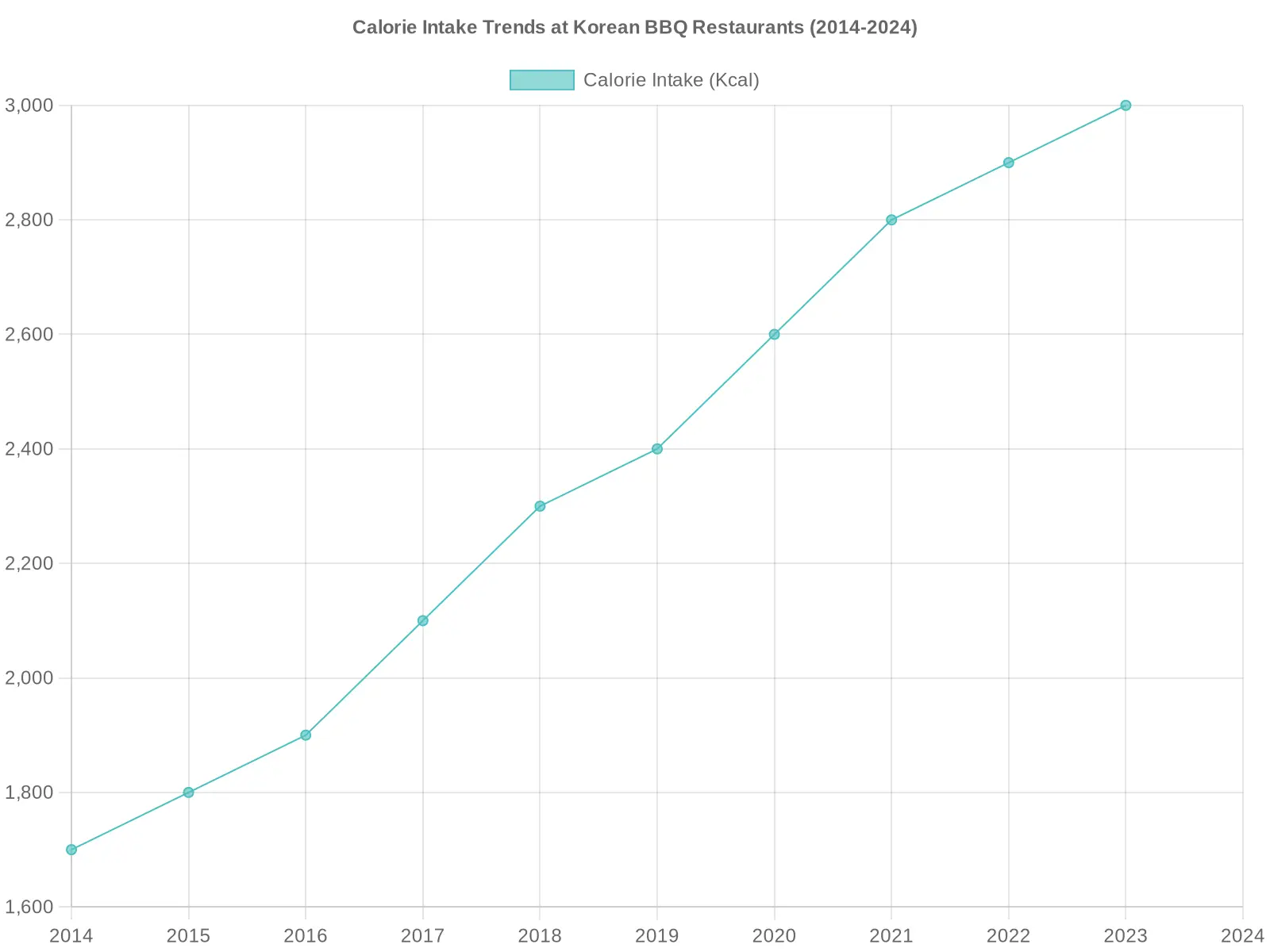
Chart depicting the rise in calorie intake per meal from AYCE Korean BBQ restaurants over the past decade.
For more insights on AYCE offerings in the Korean BBQ landscape, check our menu options.
Explore how you can tap into these trends effectively to grow your business.
Strategies for Managing Calories at All You Can Eat Korean BBQ
Enjoying an All You Can Eat (AYCE) Korean BBQ can be a delightful experience, but it can also lead to unintentional calorie overload if you aren’t careful. Here are actionable strategies to help you manage your calorie intake while savoring delicious grilled meats and accompaniments:
-
Start with Vegetables: Begin your meal by filling your plate with a variety of non-starchy vegetables such as sliced mushrooms, cabbage, and bell peppers. These vegetables are low in calories but high in fiber, helping you feel full sooner and preventing excessive meat consumption.
-
Choose Lean Proteins: When selecting meats, prioritize lean options like chicken breast, turkey, or fish. Avoid high-fat cuts such as pork belly or fatty sausages. This choice alone can make a significant difference in your calorie count.
-
Control Your Portions: Instead of piling meat on your plate, take smaller portions and limit yourself to manageable servings. A good guideline is to keep your portion sizes to about 4-5 ounces of protein per round.
-
Mind Your Marinades and Sauces: Many Korean BBQ sauces can be high in sugars and calories. Limit your use of sweet sauces, and consider dipping meat in healthier alternatives like a small amount of garlic or lemon juice. This strategy helps minimize empty calories without sacrificing flavor.
-
Stay Hydrated: Drink plenty of water or zero-calorie beverages like unsweetened iced tea. Staying hydrated can help curb your appetite and reduce the urge to overeat.
-
Eat Slowly and Mindfully: Take your time to enjoy each bite. Chewing slowly not only enhances your dining experience but also allows your body to signal when it’s full, helping you avoid overeating.
-
Plan Your Next Course: If you’re tempted to go for a second round of meat, take a moment to plan instead. Consider whether you truly want more food or if you can enjoy the delightful flavors of what you’ve already eaten.
-
Take Advantage of Leftovers: If you find yourself filled before finishing your meal, consider packing leftovers. It’s a great way to enjoy the flavors of your favorite BBQ dishes without overeating at the table.
These strategies can significantly enhance your dining experience while managing calorie intake at AYCE Korean BBQ. By being mindful of portion sizes and food choices, you can enjoy a delicious feast without worrying about the calorie count. For more insights into the diverse offerings at Kogi Korean BBQ, feel free to explore our menu.
“While Korean BBQ can provide high-quality protein and plenty of vegetables, calorie awareness is crucial for making healthier choices. Many dishes, particularly when paired with rich marinades and sides, can become calorie-dense and may lead to health issues like obesity or heart disease if consumed excessively. Balancing portions and making mindful selections can help patrons enjoy their meal without compromising their health.”
- Nutrition Experts, Harvard T.H. Chan School of Public Health
Understanding the calories in all-you-can-eat Korean BBQ is vital for business owners looking to attract health-conscious customers. For more insights into calorie density in Korean BBQ, check out our menu offerings.
In today’s competitive dining landscape, particularly for all-you-can-eat Korean BBQ establishments, understanding the calorie content of your menu offerings is more critical than ever. As we explored throughout this article, options in Korean BBQ can vary significantly in their caloric values – for instance, a 3-ounce serving of Pacific Korean BBQ contains approximately 120 calories. However, when patrons indulge in an all-you-can-eat format, the total caloric intake can balloon quickly, making it essential to provide clear and transparent nutritional information.
The Benefits of Menu Labeling
Research indicates that calorie labeling on menus can lead to healthier choices among customers. A study conducted by Harvard University revealed that calorie labeling effectively reduces meal calorie intake by an average of 11 to 60 calories per meal. This trend is especially noted among higher-income individuals, suggesting that informed choices can lead to overall public health improvements by lowering obesity rates.
Moreover, restaurants that adopt calorie labeling tend to offer dishes that are lower in fat and salt content. According to a study from Cambridge University, establishments providing visible calorie information served meals with 45% less fat and salt compared to restaurants without such labeling. This not only benefits your patrons but can also lead to a favorable shift in your menu offerings toward healthier options.
Innovating Your Marketing Strategy
Incorporating calorie counts and nutritional information into your marketing strategies has multiple advantages. It can help in positioning your business as a health-conscious choice, appealing particularly to demographic groups that prioritize nutrition. When marketing your all-you-can-eat offerings, consider using tactics such as:
- Highlighting Nutritional Benefits: Promote dishes that are both delicious and nutritious alongside their calorie counts to encourage informed decisions.
- Using Technology: Consider integrating tech solutions such as calorie counting apps that can enhance the customer experience by providing personalized dietary information in real-time. This feature can enhance their dining experience and encourage repeat visits.
Take Action Today!
As a business owner in the Korean BBQ industry, now is the time to rethink your menu and marketing strategies. By considering calorie counts and making this information readily available, you can not only enhance customer trust but also contribute to healthier dining habits.
If you want to learn more about how to effectively integrate these strategies into your Korean BBQ offerings, contact us at Kogi Korean BBQ for tailored advice and support. We’re here to help you innovate your dining experience, attract more health-conscious customers, and thrive in this dynamic market.
Let’s work together to make your all-you-can-eat Korean BBQ not just a meal, but a healthier choice for everyone!