
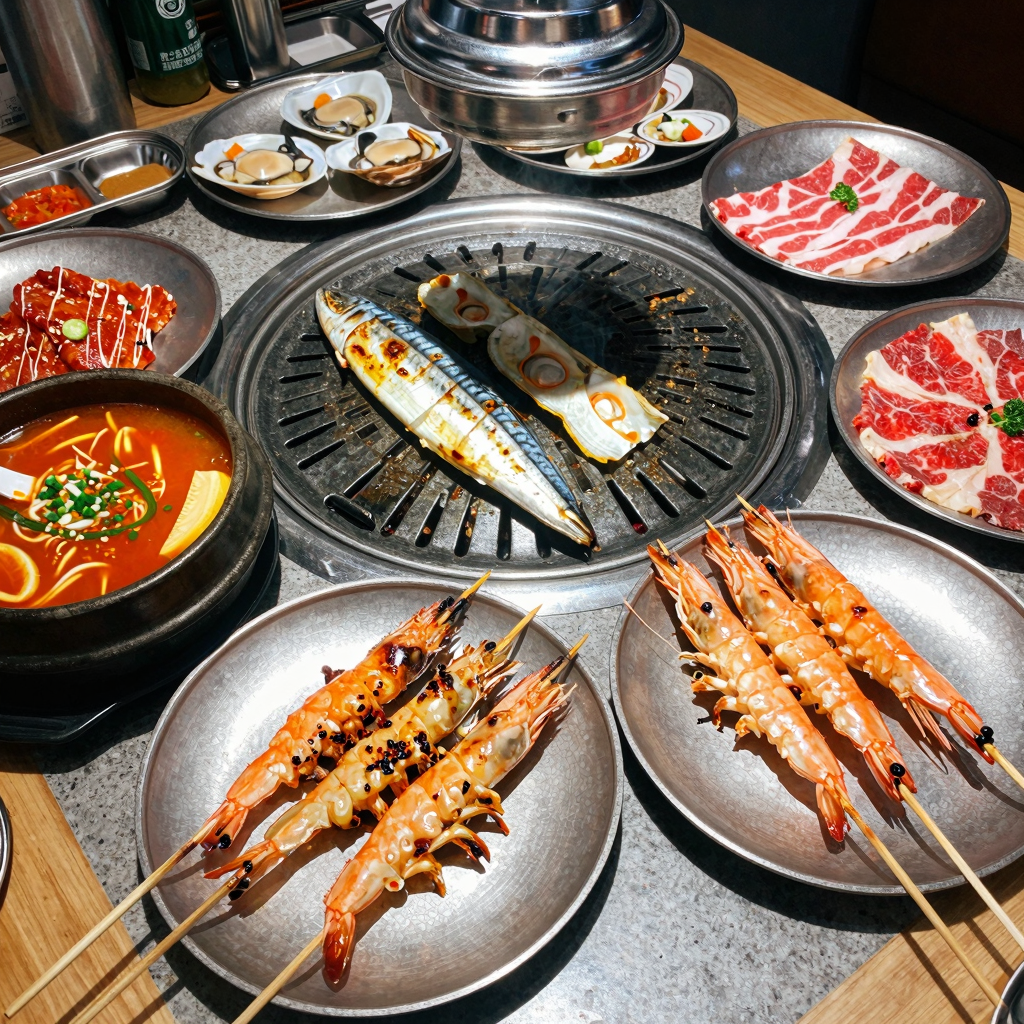
The Culinary Blend of Seafood in Korean BBQ
Have you ever wondered how seafood finds its place in the vibrant world of Korean BBQ? This intriguing question opens up a rich conversation about culinary traditions and evolving dining trends. For business owners in the restaurant industry, understanding the potential inclusion of seafood on their menus can be a game-changer. As customer preferences continuously shift towards diverse flavors and healthy options, integrating seafood could attract a broader audience and enhance customer satisfaction. Think about how specialties like grilled mackerel or shrimp skewers can complement the hearty offerings of traditional BBQ meats. By embracing the marine bounty alongside smoky grilled dishes, restaurant owners can create unique dining experiences that resonate with both Korean cuisine enthusiasts and seafood lovers alike. If you’re considering menu expansion, exploring the diverse seafood offerings within Korean BBQ can place you at the forefront of innovation in the culinary landscape. Learn more about our offerings to elevate your menu!
The Essence of Korean BBQ
Korean BBQ, known as “gogi-gui,” stands out as one of the most engaging and delicious dining experiences in Korean cuisine. Traditionally, it involves grilling various cuts of meat at the table, allowing diners to participate actively in their meal preparation. The most common meats are beef, pork, and chicken, which can be simply seasoned or marinated to enhance their flavors. Popular marinades include soy sauce, sesame oil, and garlic, often giving the meats a rich and savory profile.
A quintessential aspect of Korean BBQ is the concept of ssam, which refers to wrapping grilled meats in lettuce or perilla leaves, complemented by condiments such as garlic, chili paste, and sesame oil. This innovative way of serving meat not only showcases the diversity of flavors but also promotes sharing and interaction among diners.
The cooking methods employed in Korean BBQ often include either grilling on a charcoal burner or using gas stoves equipped at each table. Charcoal grilling is preferred for its ability to impart a unique smoky flavor that elevates the dining experience. Additionally, a variety of banchan (side dishes) accompany the meats, providing a balance of flavors and textures. These side dishes can include fermented vegetables, salads, and other small portions, enhancing the meal and making for an unforgettable feast.
For those interested in a broader culinary exploration, you can learn more about the Korean BBQ and sushi menu to understand the integration of seafood into this interactive culinary format.
| Seafood Type | Preparation Method | Typical Side Dishes |
|---|---|---|
| Shrimp | Grilled or skewered | Kimchi, pickled radish, garlic, and lettuce leaves |
| Squid | Grilled or Stir-fried | Sliced zucchini, dipping sauces, and onion pickles |
| Fish (e.g. Salmon) | Grilled fillets or whole fish | Samjang (Korean dipping sauce), pickled vegetables |
| Clams | Grilled with garlic and herbs | Seaweed soup, various banchan (small side dishes) |
| Octopus | Grilled or stir-fried | Chili sauce, sliced cucumbers, and kimchi |
| Sea Snails | Cooked in soy sauce and served warm | Vinegar dipping sauce, sliced citrus fruits |
| Cuttlefish | Grilled or pan-fried | Garlic scapes, pickled vegetables |
| Crab (e.g. Gejang) | Marinated or grilled | White rice, various banchan, and sauces |
This table summarizes the various types of seafood commonly found in Korean BBQ, illustrating their preparation methods and typical side dishes enjoyed with them. For more seafood options, check out our Kogar Korean BBQ menu.
Regional Variations of Korean BBQ: The Seafood Influence
Korean BBQ is not just about marinated meats; it’s a culinary experience that integrates regional specialties, particularly in coastal areas where seafood takes center stage. Different regions of Korea incorporate unique seafood into their BBQ menus, offering an exciting twist that complements traditional meats. Here’s an exploration of how various parts of Korea feature seafood in their BBQ styles:
1. Busan: The Coastal City
Busan, known for its rich marine resources, provides a variety of seafood BBQ options. One popular dish is godeungeo gui, or grilled mackerel, noted for its tender and flavorful profile. Another is haemuljeon, a savory seafood pancake packed with shellfish and enjoyed with soy dipping sauce. The option of sashimi (회), featuring fresh raw fish, is also common in Busan, showcasing the region’s access to quality catch. For more on raw fish and its BBQ pairing, you can learn more here.
2. Incheon: The Shellfish Haven
Incheon, another coastal city, has its seafood BBQ specialty known as 조개구이 (jogaegui), or shellfish barbecue. Here, diners often grill various types of shellfish like clams and scallops over direct heat, seasoned with salt and garlic. This dish exemplifies how local ingredients define culinary practices unique to the coast. Regions like Incheon can also serve lobster or crabs, which adds a luxurious aspect to the BBQ experience. Check out more ideas on seafood BBQ here.
3. Jeju Island: A Seafood Paradise
Known for its breathtaking landscapes and volcanic terrain, Jeju Island offers some of the most diverse seafood options in Korean BBQ. Here, you can find dishes like shrimp and octopus BBQ cooked on a grill, often enjoyed with local dipping sauces that enhance the umami flavor. The stir-fried octopus (nakji bokkeum), prepared with spicy sauces and vegetables, is also a staple dish that brings the seaside flavors inland.
4. Seoul: A Blend of Traditions
In Seoul, the BBQ scene is highly influenced by diverse regional practices, including seafood grilling. You can find menus that creatively blend traditional marinated meats with seafood hot pot dishes, often containing a mix of shellfish and fish. Restaurants may serve seafood assortments alongside their BBQ meats, making it an abundant feast.
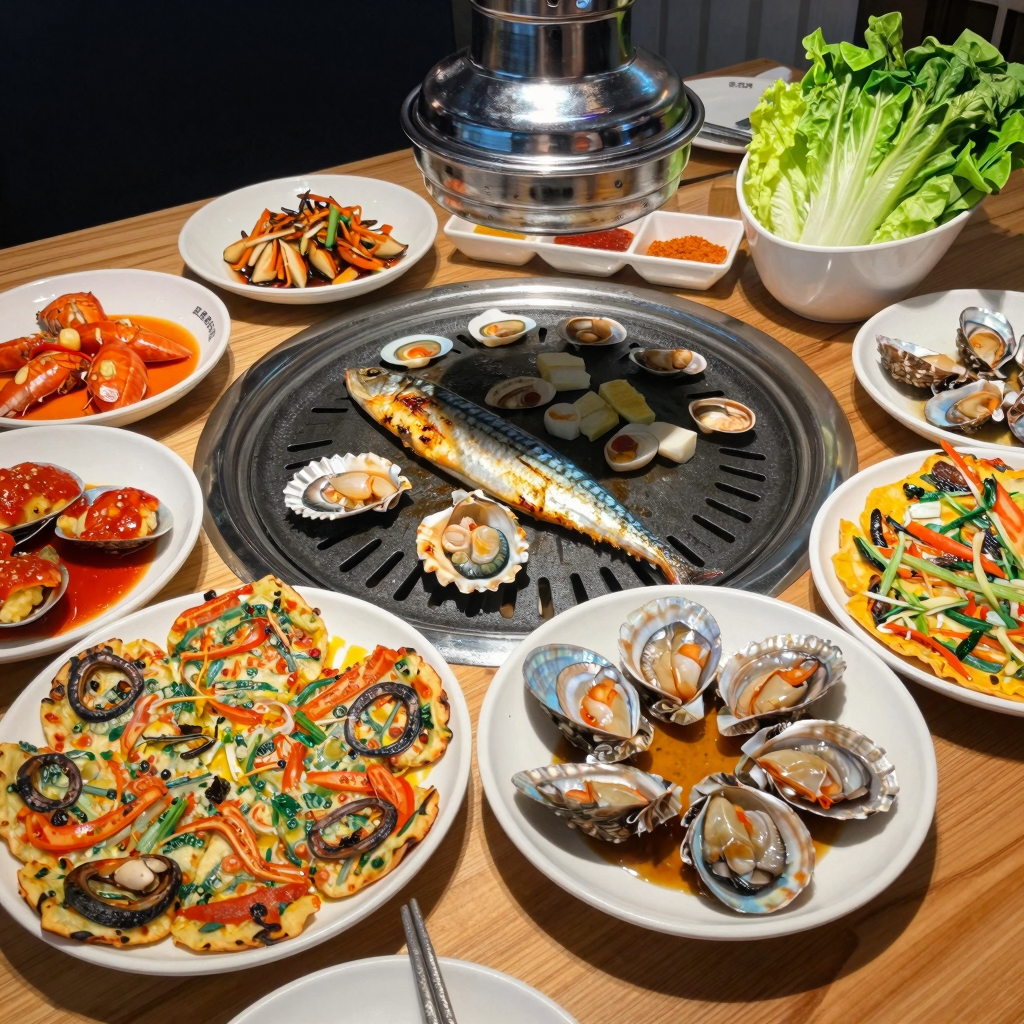
These regional highlights demonstrate that while marinated beef and pork remain at the heart of Korean BBQ, seafood provides a delicious and varied element that caters to different palates. The incorporation of seafood allows business owners in the BBQ sector to expand their menus and attract a wider clientele looking to indulge in the rich flavors of Korean cuisine.
Incorporating seafood is a strategy worth considering, especially in areas with access to quality seafood and a customer base eager for diverse dining experiences. Embracing these regional variations not only enriches the menu but also connects patrons with the cultural stories behind each dish.
Current Consumer Trends in Seafood within Korean BBQ
In recent years, the seafood segment of Korean cuisine, especially in BBQ settings, has shown significant growth and evolving consumer preferences. According to the USDA Foreign Agricultural Service, South Korea’s seafood imports reached $6.47 billion in 2022, an increase of 12.7% year-over-year. This upward trend indicates a sustained consumer appetite for seafood as part of their diets, significantly impacting Korean BBQ establishments. In particular, Asian flavors are forecasted to drive food-service trends, including Korean BBQ, as consumers exhibit a growing interest in incorporating seafood options such as grilled fish, octopus, and shrimp into their dining experiences (source: Provisioner Online).
Moreover, Innovation Opportunities abound for restaurateurs and business owners wishing to diversify their offerings. The increasing popularity of mixed seafood grill options could attract health-conscious and adventurous diners, allowing for creative menu adaptations. As evidenced by recent reports, consumers are seeking more sustainable and diverse seafood choices, which can bolster restaurant sales and enhance customer satisfaction. This suggests that businesses can thrive by innovating their seafood BBQ selections, potentially appealing to both domestic and international markets hungry for authentic Korean barbecue experiences. To learn more about expanding menu options, check out our all-you-can-eat sushi and Korean BBQ offerings!
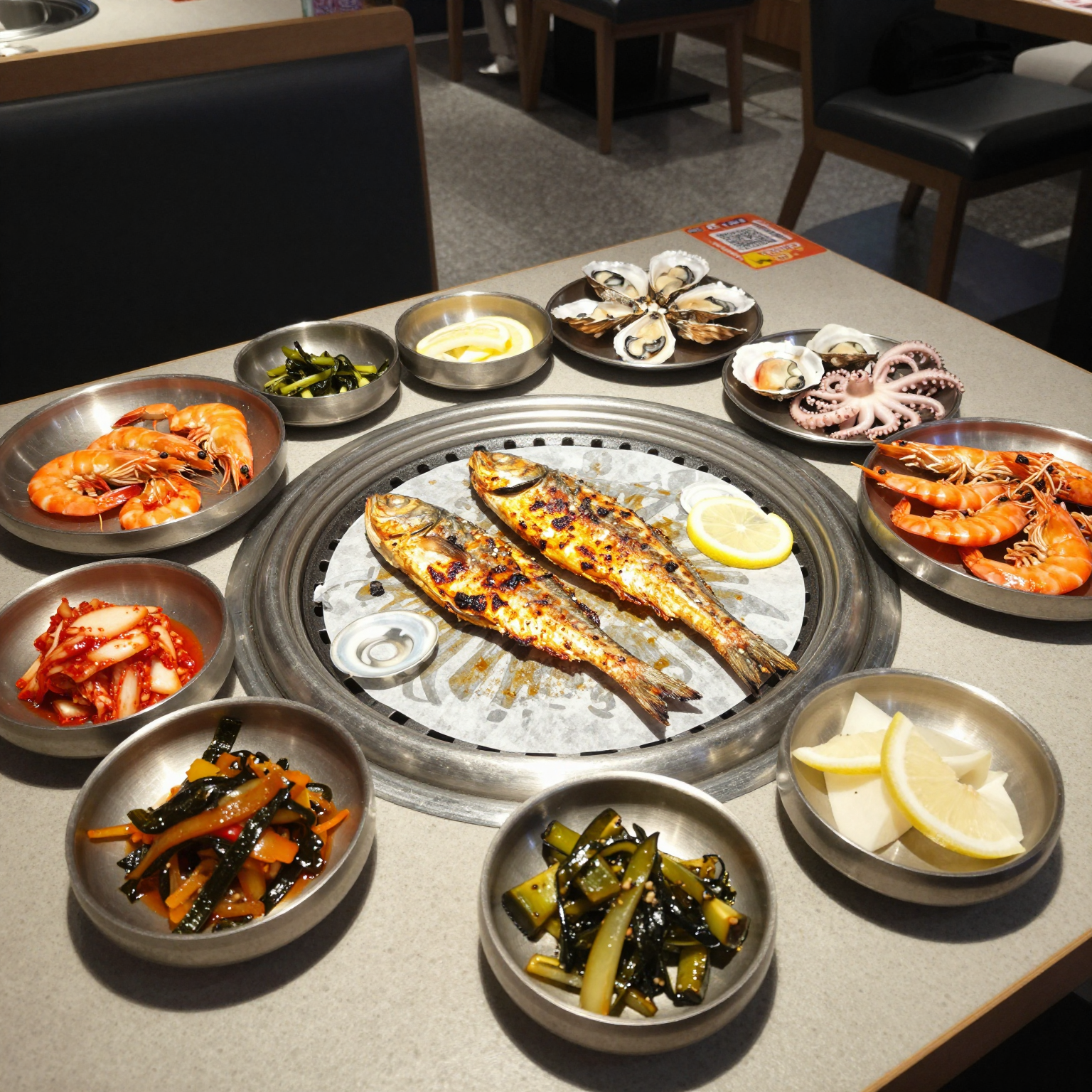
Korean BBQ is not just about grilled meats; seafood plays a significant role in the culinary culture that surrounds this dining experience. Renowned chefs emphasize the importance of seafood in enhancing the overall flavor profile and providing a more balanced meal.
“Seafood is indispensable in Korean BBQ. It brings freshness and a unique taste that complements the marinated meats. The combination is what makes the experience so special.”
Chef Edward Lee
The inclusion of various seafood options, such as grilled fish, shrimp, and octopus, creates a harmonious dining experience. Many restaurants have begun to expand their menus to feature these seafood delights along with traditional meat offerings. If you’re a business owner looking to elevate your Korean BBQ restaurant, consider introducing specialty seafood dishes into your menu. Not only does this entice seafood lovers, but it also aligns with trends in healthier dining choices.
For more information on how to incorporate different seafood options into your offerings, learn more about our menu here. Additionally, consider promoting all-you-can-eat options that include seafood and Korean BBQ for an unbeatable dining experience, check our all-you-can-eat offerings.
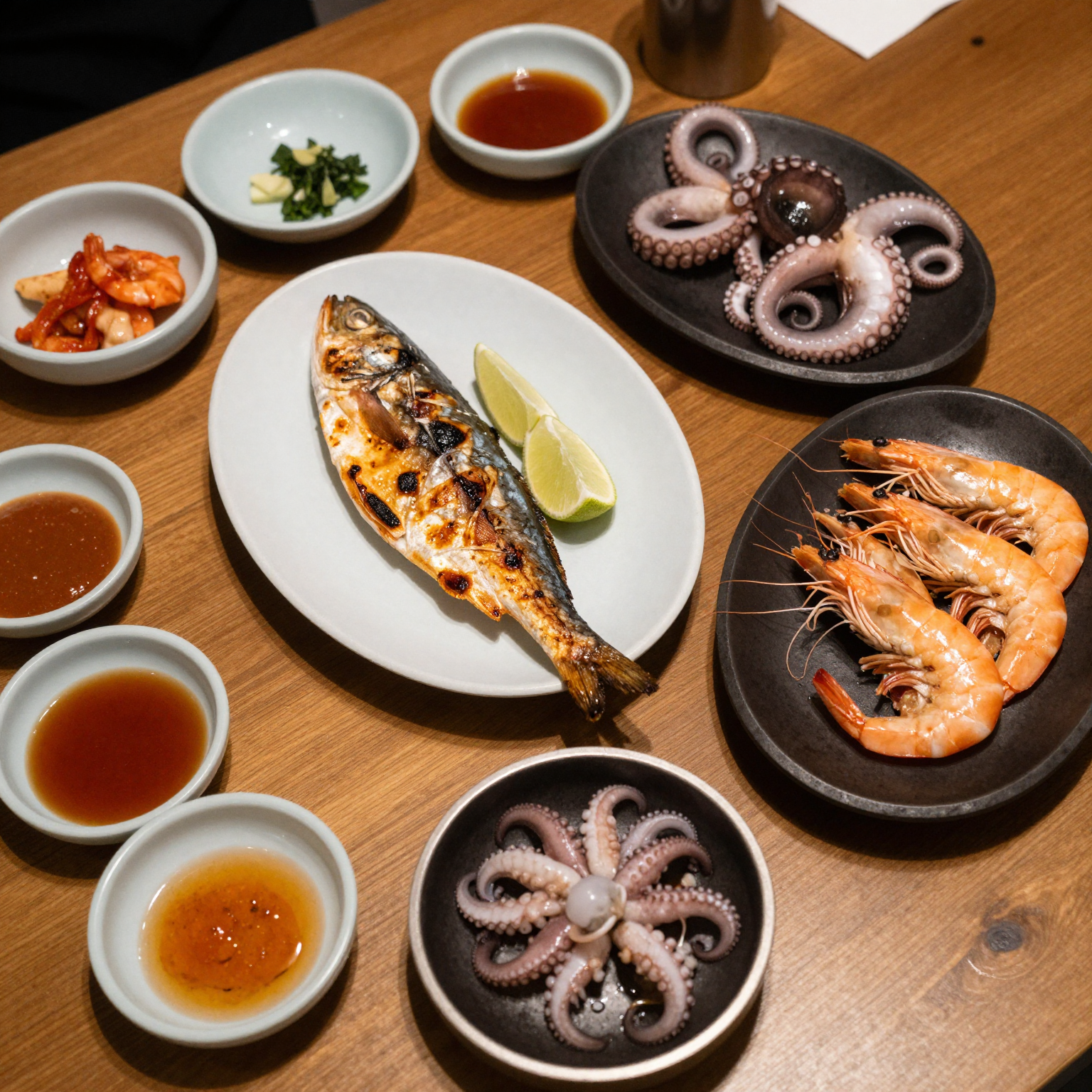
Tips for Incorporating Seafood into a Korean BBQ Menu
Incorporating seafood into a Korean BBQ menu can enhance the dining experience and attract a broader audience. Here are some actionable tips for business owners:
-
Select Fresh Seafood: Always prioritize fresh options like salmon, shrimp, or shellfish. Freshness is key for quality and flavor-avoid seafood that looks discolored or has an off smell. Learn more about seafood guidelines.
-
Experiment with Seafood Marinades: Utilize traditional Korean marinades like sesame oil, soy sauce, garlic, and ginger to infuse seafood with authentic flavors. This will help to integrate into the existing taste profiles of Korean BBQ.
-
Offer Diverse Options: Include a variety of seafood items such as grilled squid, shellfish, and fish cakes. Consider unique options like marinated octopus to entice adventurous eaters. For example, shellfish-based Korean BBQ is popular and can be prepared in different styles. See more about seafood in Korean BBQ.
-
Create Signature Dishes: Develop signature dishes featuring seafood to make your menu stand out. For instance, Korean BBQ Alaska salmon tacos can offer a fusion twist that patrons may love. Check out this recipe.
-
Use Proper Grilling Techniques: Employ grilling techniques tailored for seafood, ensuring they are cooked perfectly without drying out. Consider using grilling pans or skewers to make handling easier and more interactive for customers.
-
Pair Seafood with Appropriate Banchan: Serve complimentary side dishes (banchan) that enhance seafood flavors, such as spicy pickled vegetables or refreshing salads.
-
Educate Your Staff: Train your staff on the unique aspects of seafood grilling to enhance customer service. Knowledgeable staff can assist patrons in selecting and preparing seafood correctly, improving the overall dining experience.
These tips can help integrate seafood successfully into your Korean BBQ offerings, appealing to a range of taste preferences and enhancing your menu diversity.
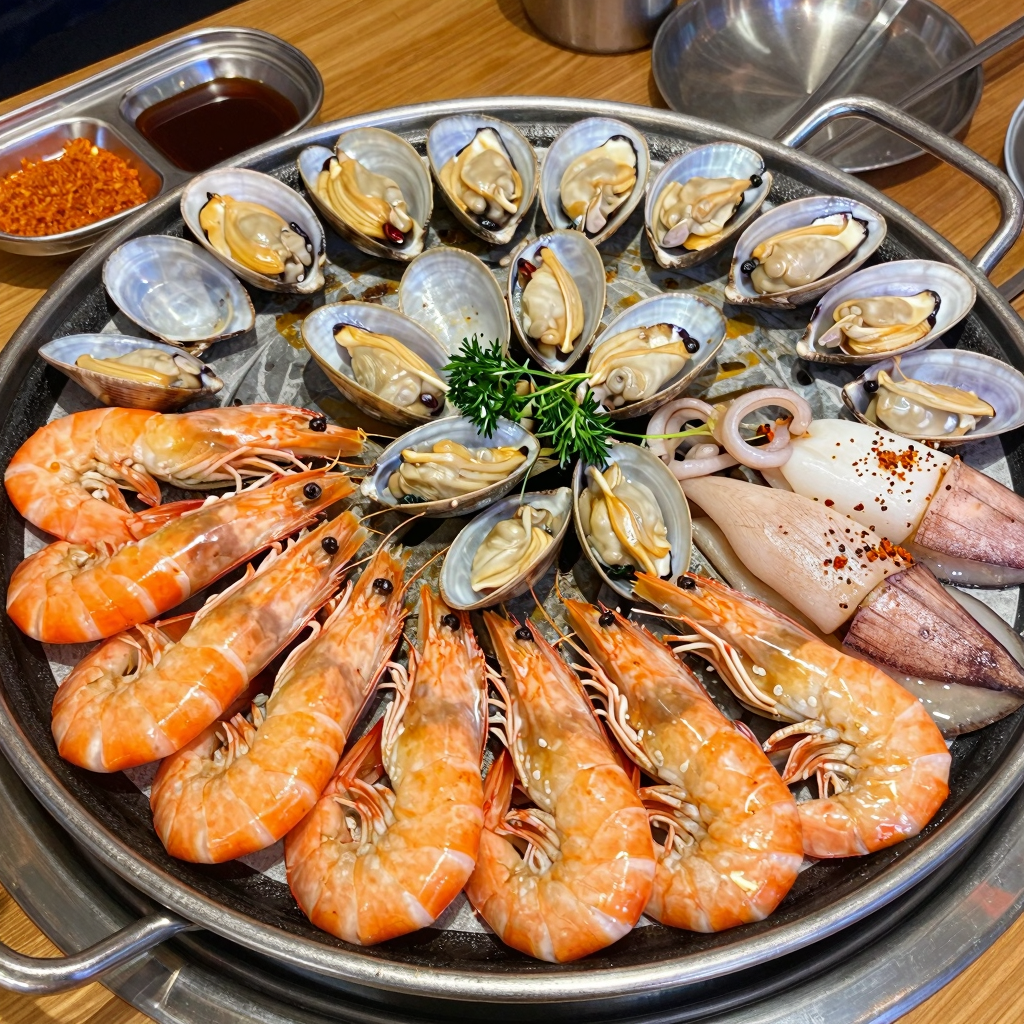
In conclusion, integrating seafood options into your Korean BBQ offerings can be a game-changer for business owners. Not only does it cater to diverse dietary preferences, but it also enhances the culinary experience by introducing unique flavors that can attract a broader customer base. By understanding the traditional aspects of Korean BBQ alongside innovative seafood choices, restaurant owners can stand out in a competitive market. Whether it’s considering popular seafood dishes like grilled mackerel or crab marinated in spicy garlic sauce, the possibilities are endless. Don’t miss the opportunity to elevate your menu and customer satisfaction. Explore the variety of options available by visiting learn more about our sushi menu and discover how you can transform your business with enticing seafood offerings. Transform your BBQ establishment into a culinary hotspot by embracing the flavorful world of Korean seafood today!
Health Benefits of Seafood in Korean BBQ
Incorporating seafood into your diet, particularly in the context of Korean cuisine, can offer numerous health benefits that complement traditional BBQ meats. Seafood is not only delicious, but it is also a powerhouse of essential nutrients, making it an excellent choice for health-conscious consumers. For those involved in the food service industry, promoting these benefits can attract a discerning clientele focused on well-being.
Nutritional Advantages
Seafood, such as fish and shellfish, is an excellent source of high-quality protein and essential nutrients. Here are some key nutritional facts:
- Protein: Seafood is rich in protein, crucial for muscle maintenance and overall body function.
- Omega-3 Fatty Acids: Fatty fish, like salmon, are high in omega-3s, which have been linked to heart health benefits, including lowering risk factors for heart disease and improving brain function. For instance, salmon contains about 2260 mg of omega-3 fatty acids per 100 grams, compared to only 150 mg in chicken and even less in lean red meats like beef and pork.
- Vitamins and Minerals: Seafood is also packed with vitamins (like Vitamin D) and minerals (such as iodine and selenium), which are essential for metabolic functions and thyroid health.
Comparison with Traditional BBQ Meats
When comparing seafood to traditional BBQ meats, the differences in nutritional profiles are notable. Seafood typically contains less saturated fat and more heart-healthy fats compared to red and processed meats.
| Nutrient | Salmon (100g) | Chicken Breast (100g) | Beef (lean, 100g) | Pork (lean, 100g) |
|---|---|---|---|---|
| Protein (g) | 25.0 | 31.0 | 26.0 | 27.0 |
| Omega-3 Fatty Acids (mg) | 2260 | 150 | 40 | 50 |
| Saturated Fat (g) | 1.8 | 1.9 | 4.5 | 3.8 |
By offering seafood options alongside traditional meats, Korean BBQ restaurants can enhance their menu’s appeal by showcasing dishes that are not only flavorful but also nutritionally superior.
Conclusion
Incorporating seafood into Korean BBQ provides a delightful opportunity to tap into the health-conscious market while enriching your menu. Using fresh seafood will not only attract customers who are mindful of their health but also offer a unique dining experience that stands apart from competitors who rely solely on conventional meats. To learn more about integrating seafood into your offerings, visit our all-you-can-eat sushi and Korean BBQ menu.
For artistic inspiration regarding seafood dishes, explore our Kogi Korean BBQ seafood hot pot photos.