
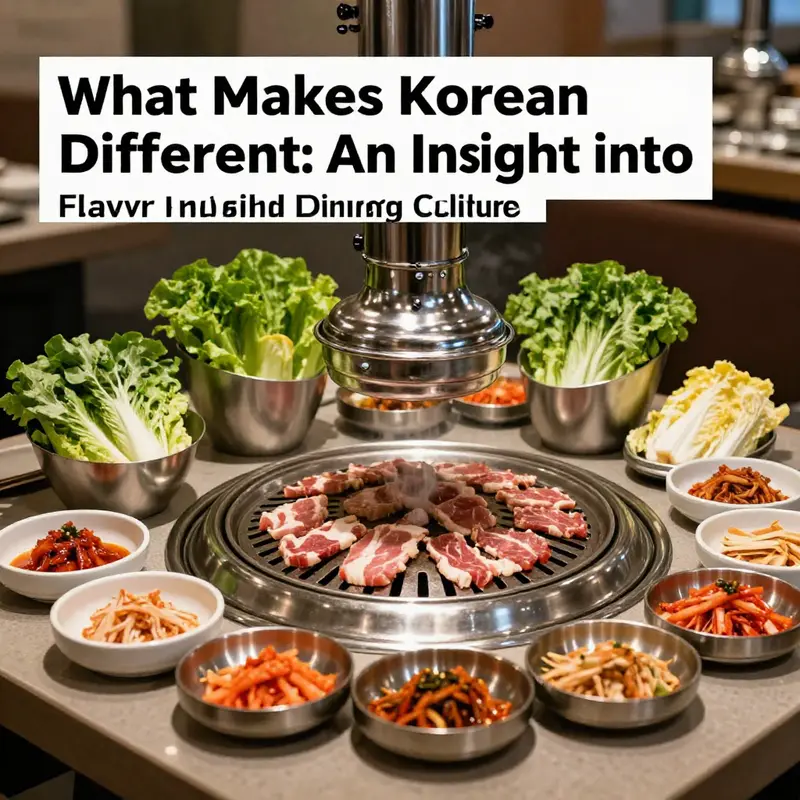
Korean BBQ stands out as a unique culinary experience, distinct from other barbecue traditions, particularly Japanese yakiniku. Its bold flavors, characterized by rich marinades and interactive dining, create a vibrant culture that resonates with food enthusiasts and business owners alike. In this exploration, we will delve into the flavor philosophy that defines this cuisine, the crucial role marinades play in its preparation, and the interactive dining experience that transforms a meal into a communal event. Understanding these elements can provide valuable insights for businesses looking to innovate and attract customers in the competitive dining landscape.
Flavor as Transformation: The Marinade-Driven Engine Behind Korean BBQ
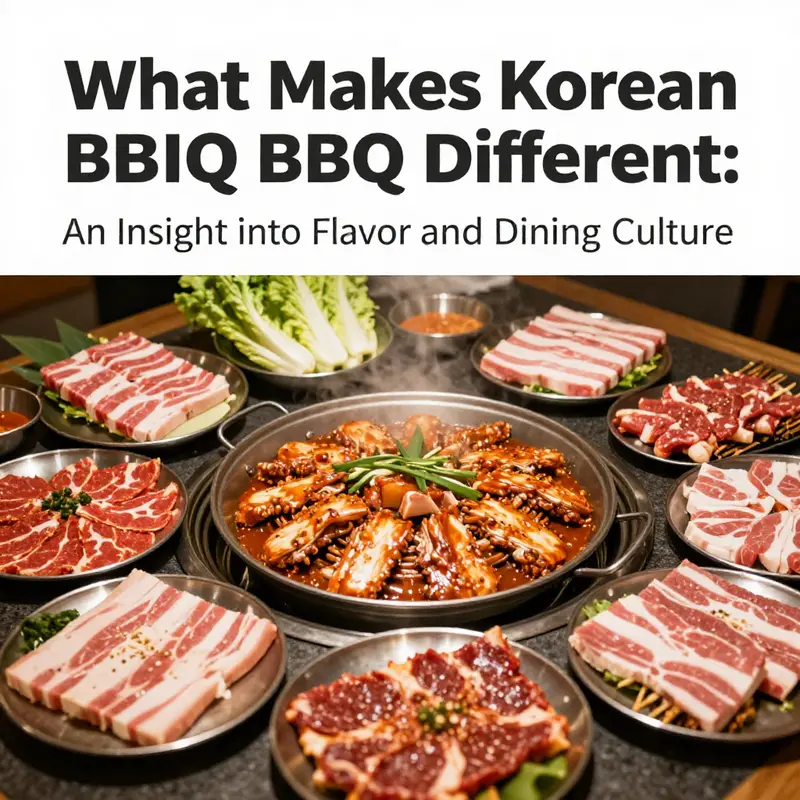
The flavors of Korean BBQ arrive with a distinct confidence, a boldness that feels both modern and rooted in long culinary memory. It isn’t merely about seasoning meat; it is about transforming it through a deliberate pattern of layering, time, and heat. In this landscape, the marinade is the whole story. It adds sweetness, deep umami, and a measured chili kick, but it also first softens and tenderizes, then seals in complexity as the surface caramelizes on a hot grill. This is flavor philosophy in motion: a sequence where every ingredient serves multiple roles, and where transformation precedes the sear rather than follows it. The result is meat that tastes resoundingly complete—savory, sweet, sharp, and gently spicy all at once—yet never overwhelmed by the very method that cooks it. The marinade is a study in alchemy, turning ordinary cuts into multifaceted bites that reveal new notes with every chew.
Central to this philosophy is the fermented paste gochujang, a cornerstone that never sits idly on the side. Its warmth comes from fermentation, a slow process that develops depth by breaking down starches into sugars and proteins into glutamic acid. This biochemical evolution yields natural sweetness and an earthier savoriness that simple chili powders and sugars cannot reproduce. When combined with soy sauce, garlic, sesame oil, and a touch of fruit-derived tenderness, the paste becomes a catalyst for complexity. The fruit, typically pear or kiwi, isn’t merely for sweetness; its enzymes help break down tougher fibers, allowing the meat to drink up flavors more readily. The outcome is a glaze that clings and caramelizes in the high heat, creating a lacquered surface that is as aromatic as it is flavorful. The experience is not about masking meat but about inviting it into a conversation with layers of taste that unfold as the grill sizzles.
This marinade-driven approach stands in deliberate contrast to the subtler, purer aims of other grill cultures. In many Japanese grilling styles, the emphasis is on highlighting the inherent quality of premium cuts with restraint—salt or a light glaze may suffice to let the meat speak for itself. Korean BBQ, by comparison, leans into transformation. The goal is to coax out a spectrum of tastes—sweetness that balances heat, a lingering umami that is both bright and earthy, and a touch of tart acidity that brightens the finish. The marinade acts as conductor, directing the tempo of flavor development from the first bite to the last.
Preparation reinforces this philosophy. Marinades are not a quick dip but a timed process that can run from half an hour to several hours. The science behind this is elegant: fruit enzymes tenderize while flavors diffuse into the meat, and the proteins and sugars begin to react under heat, building new aroma compounds. A careful balance is struck between marinade duration and the chosen cut, with thinner slices like bulgogi absorbing more rapidly and thick cuts requiring more patience. The presentation grows more than the palate; diners witness the meat’s surface darken to a glossy, inviting hue, the grill’s heat orchestrating a chorus of crackles and sizzles that signal readiness and reward. In this way, the act of cooking becomes part of the flavor story, not merely a means to an end.
The social fabric of Korean BBQ amplifies this sensory journey. Banchan, kimchi, and a vibrant array of fermented condiments accompany the main, turning a meal into a shared ceremony. Diners wrap grilled morsels in lettuce with ssamjang and garlic, a ritual that adds texture, temperature, and a fresh, aromatic counterpoint to the rich meat. The wrapping not only creates a personal bite but invites a chorus of contrasts—crisp vegetable coolness against tender, lacquered meat; raw garlic against the smoky glaze; tangy pickles that linger beneath the finish. This participatory dining makes the flavors feel bigger, as if the food itself is echoing the social warmth of the table. The culture behind these practices traces a path from nomadic pastures to bustling modern kitchens, where the act of cooking and eating together remains a defining hallmark.
For readers curious to explore a concrete example of how a soy-based marinade becomes texture and taste, the site’s discussion of bulgogi provides a clear lens into technique and interpretation. bul-gogi Korean BBQ page. The blend of soy, garlic, sesame, and fruit-derived tenderizers, paired with the gochujang-driven depth described here, illuminates why this style stands apart. A deeper, science-focused portrait of Korean BBQ flavor philosophy is also available for curious readers seeking the underlying chemistry and historical roots: https://www.seriouseats.com/korean-bbq-flavor-philosophy.
The chapter’s through line circles back to a simple but precise truth: Korean BBQ’s distinctiveness lies in its intent to transform. It is not only about what is grilled but how it is prepared, how it is shared, and how the table becomes a stage for a multifaceted feast. That transformation—engineered through bold marinades, fermented depth, and a culturally rich ritual of wrapping and dipping—defines what makes Korean BBQ different from its grill traditions and invites every diner into a more vibrant, communal taste adventure.
Marinades as the Flavor Engine: Defining Korean BBQ’s Bold Character
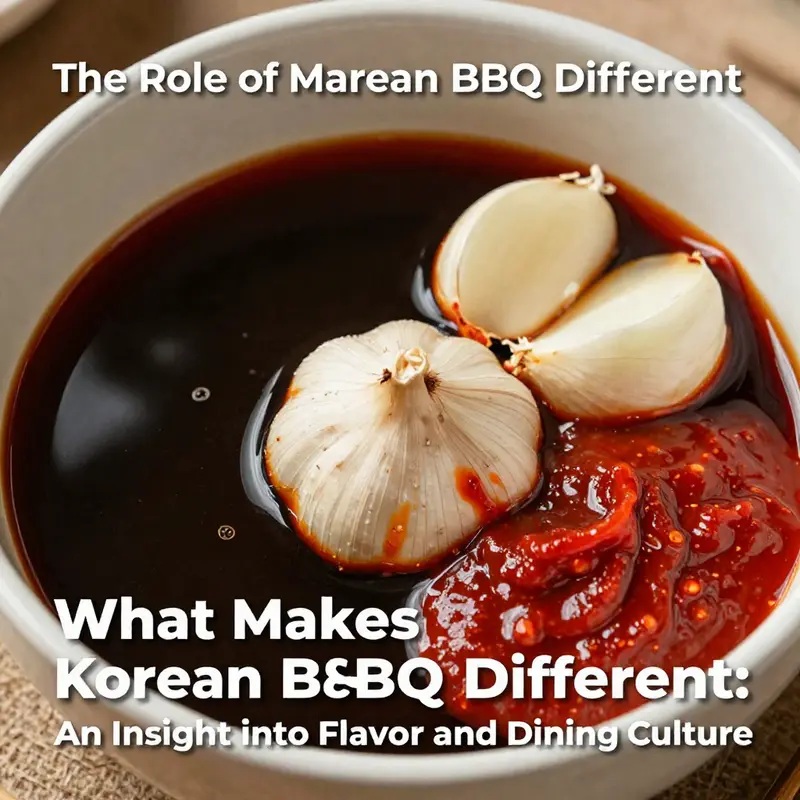
Marinades are the quiet engine of Korean BBQ, shaping flavor, texture, and the whole dining ritual. They blend soy sauce for salt and depth, gochujang for heat and umami, garlic and sesame oil for an aromatic backbone, and sweet notes from sugar or fruit. Pear and kiwi act not only as flavor agents but as tenderizers, delivering enzymatic action that softens connective tissue while preserving bite. This combination does more than coat meat; it infuses fibers with a multi-layered profile that reveals itself bite after bite. When the grill hits, the sauce caramelizes into a glossy crust, locking in moisture and creating a sizzle that announces flavor before you even taste it.
The science behind these marinades matters because it explains the texture you experience. Fruit enzymes break down proteins just enough to make some cuts supple, but not so far as to collapse their structure. The typical window—roughly 30 minutes to four hours for thin cuts like bulgogi or pork—strikes a balance. Shorter soaks keep brighter fruit notes and ensure a firm bite; longer ones coax deeper, almost savory sweetness that lingers on the palate. This timing differs from traditions that rely on heavy, long marinades or on grilling unmarinated meat to highlight natural characters. Korean marinades are designed to be flavorful yet manageable at home, giving cooks predictable results without sacrificing complexity.
Culinary technique follows flavor theory. The marinade’s salt from soy, the heat gateway of gochujang, and the aromatic punch of garlic and sesame oil intertwine with balancing elements such as sugar and rice wine. The result is a sauce that supports rather than overwhelms the meat, providing a lacquered surface that holds juices inside and invites a second chew. The marinade also interacts with the grill’s heat, creating that signature Korean BBQ aroma—the scent of sesame caramelizing, of peppery hints rising from the sizzling surface, of a bloom of steam that signals ready-to-wrap meat. In practice, slices marinated to the right degree become the anchor of a bite that you then wrap in lettuce with ssamjang and crisp banchan. The ritual of wrapping, adding a few raw garlic slivers, and enjoying the freshness of greens multiplies the experience beyond just taste.
The approach invites variety. Short ribs, pork belly, and other cuts all take to the same flavor framework but reveal different textures and moods. Marinade becomes the common thread that ties diverse meats into a cohesive dining language. Fermentation underpins much of the flavor system, giving gochujang its deep, enduring character. This is not merely a matter of technique; it reflects Korea’s broader fermentation heritage, a tradition that informs modern, global dining. The result is a profile that feels both rooted in history and widely adaptable, capable of turning everyday meals into shared experiences.
For readers seeking a deeper scientific anchor, the fermentation conversation in Korean cooking offers context for why these sauces bring such complexity. See the linked external resource for a broader explanation. To explore a specific marinated cut, consider bul-gogi, a signature example of how a single sauce can transform meat. bul-gogi-korean-bbq.
This marinade-centric approach is the essence of Korean BBQ’s bold character. It explains why the cuisine can be so expressive at the grill, how it invites communal participation, and why its flavor language travels so well across kitchens and continents.
External resource: https://www.seriouseats.com/fermentation-in-korean-cooking-5276819
Sizzle, Ssam, and Shared Plates: The Interactive Heartbeat of Korean BBQ
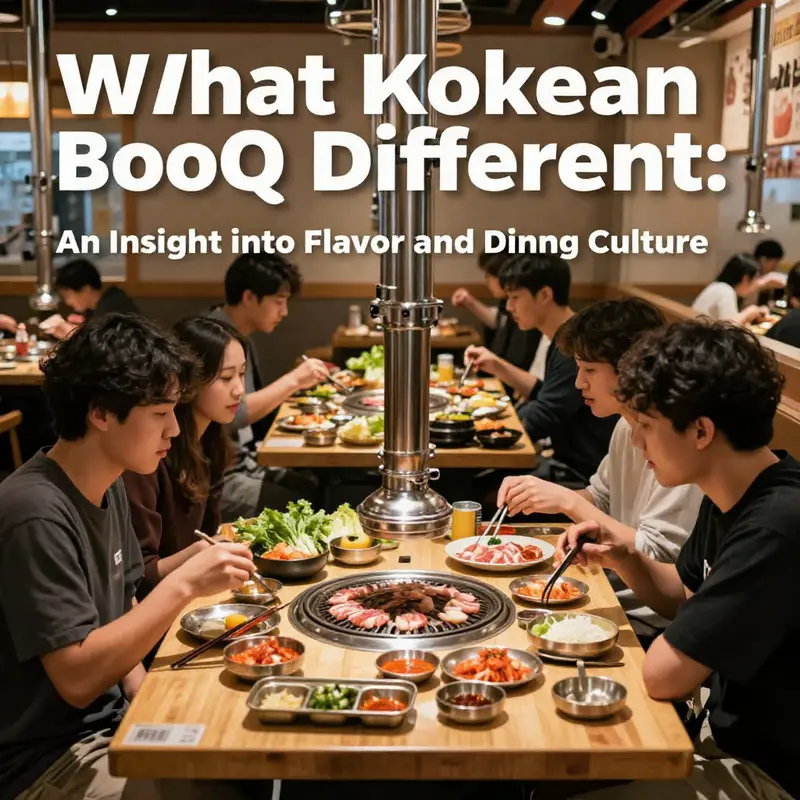
The most defining note of Korean BBQ isn’t a single ingredient or a flawless cut; it’s the living, breathing ritual of cooking together. The built-in grill at the center of the table becomes a small stage where heat, scent, and conversation co-author the meal. Diners circle the flame, watching marbled beef hiss and fat crackle, turning raw slices into caramelized edges and smoky edges of sweetness. This is where the food stops being a purely consumable object and becomes a social act. The act of grilling—the rhythm of a bite after a quick flip, the moment of restraint before a smoky char—transforms dining into an interactive performance that binds people in shared anticipation and memory.
That engagement is inseparable from the flavor philosophy that guides Korean BBQ. Flavors here are bold, layered, and assertive, built around marinades that carry a chorus of soy, garlic, sesame oil, sugar, and the gentle heat of gochujang. The marinade is not merely a coating; it is the engine of transformation. Pear or kiwi might join the mix to help tenderize, infusing the meat with subtle sweetness and a brisk, fruit-derived enzymatic action. Fermentation—embodied in ingredients like gochujang—contributes deep umami and a natural sweetness that simple spice blends cannot replicate. This creates a profile that is savory, slightly sweet, and warmly spicy, a blend designed to hold up to the smoky grill and the bright crunch of fresh herbs and vegetables.
Marination sits at the core of the experience. Cuts like bulgogi and dwaeji bulgogi are soaked from 30 minutes to several hours, giving time for enzymes to work and the meat to absorb the seasoning. The result is not merely more flavorful meat; it is meat with a history of interaction—an aromatic prelude to the sizzling moment on the grill. In contrast, some grilled meats in other traditions arrive unmarinated, inviting a spotlight on the meat’s natural character. Korean BBQ leans into the marinade as a co-star, a partner to the meat’s own texture and fat.
Once the grill comes alive, another layer of drama unfolds. The sizzle is audible, the smoke aromatic, and the air tinged with the scent of garlic, sesame, and char. Diners wrap the freshly grilled morsels in crisp lettuce leaves or perilla, add a spoonful of ssamjang—an assertive, peppery paste built from gochujang and doenjang—plus slices of garlic and a dab of kimchi if preferred. The ritual of assembly, bite by bite, invites everyone to participate in flavor construction. The leaf becomes a vessel, the paste a conductor, and the bite a compact lesson in balance: sweet, savory, spicy, and fresh all at once.
Sauces and condiments are not mere add-ons; they are tools for flavor customization. A diner’s choice of wrapping greens, a dab of kimchi, or an extra swipe of ssamjang can tilt a plate from comforting to electric in a single wrap. The banchan that accompany the table—kimchi, pickled radish, spinach, and other small dishes—are replenished as needed, ensuring the palate remains vibrant across multiple rounds. In this way, the meal becomes a gallery of textures and tastes, encouraging experimentation with combinations and cooking times. The grill is a classroom, the lettuce a canvas, and the sauce a palette of possibilities.
Culturally, the interactive format speaks to a philosophy of hospitality, balance, and togetherness that defines Korean dining. The act of cooking side by side communicates a shared respect for food and for one another. The variety of proteins—bulgogi, galbi, samgyeopsal, and even offal or seafood in some tables—offers a spectrum of textures and juiciness, inviting diners to explore contrasts in a single meal. The experience makes hospitality tangible: the lively chatter, the rapid replenishment of banchan, and the collective enjoyment of each optimistic, sizzling bite.
For readers curious to see how atmosphere and technique shape flavor in practice, regional variations and atmospheric interpretations can illuminate the same principles in different settings. A deeper look into how a bustling Korean BBQ spot communicates its culinary ethos can be found here: Korean BBQ Las Vegas Chinatown. The core lesson remains consistent: Korean BBQ differentiates itself through an interactive, marinade-driven practice that makes cooking at the table a shared, sensory journey rather than a simple act of eating. This is where flavor and community fuse, and where the distinctive Korean approach to balance, harmony, and mindfulness in eating comes to life. External resources offer a broader cultural frame for these ideas and the global appeal of the style: https://www.britishcouncil.org/voices/korean-bbq-spice-sizzle-global-tradition.
Final thoughts
Korean BBQ is a culinary art that thrives on bold flavors, intricate marinades, and rich cultural traditions. Understanding what sets it apart—such as its flavor philosophy, marinade-driven preparation, and interactive dining experience—provides valuable insights for business owners in the restaurant industry. By embracing these unique elements, dining establishments can offer customers an engaging and memorable dining experience, enhancing their appeal in a competitive market. As consumers increasingly seek authenticity and community in their dining choices, incorporating aspects of Korean BBQ could well prove to be a strategic advantage.