
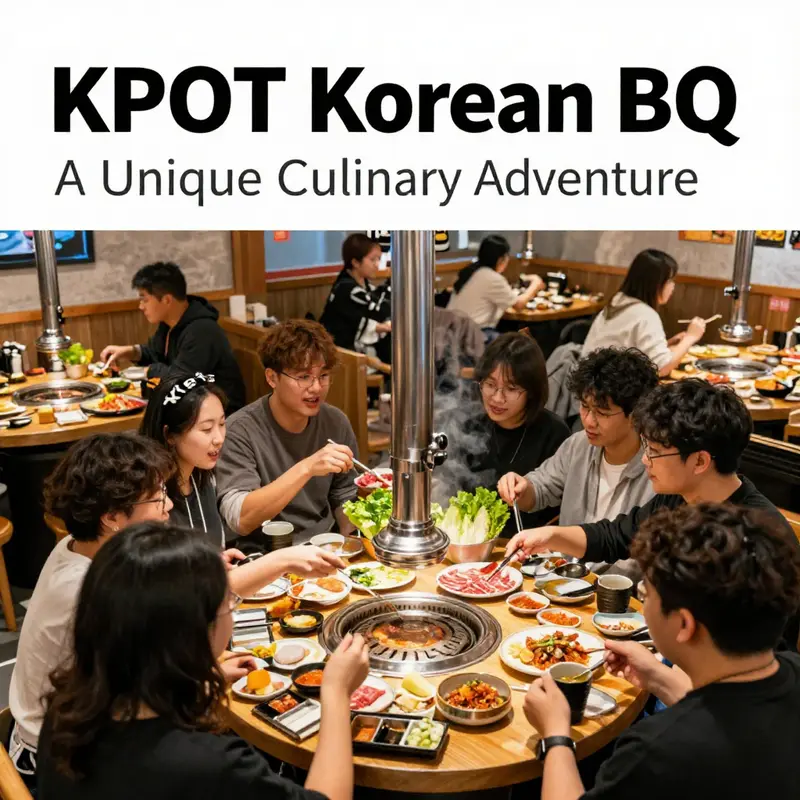
The dining landscape is rapidly evolving, with consumer preferences shifting towards interactive and immersive experiences. KPOT Korean BBQ & Hot Pot stands at the forefront of this trend, offering a unique fusion of Korean BBQ grilling and hot pot cuisine. This restaurant concept not only delivers delicious traditional flavors but also engages customers in a hands-on dining experience. Understanding the KPOT offering can provide valuable insights for business owners looking to innovate within the culinary sector. The following chapters will explore the dual dining experience KPOT offers, its diverse menu options, and the strategic pricing model that attracts a wide array of patrons.
KPOT Unfolded: The Dual-Mode Korean BBQ and Hot Pot Experience
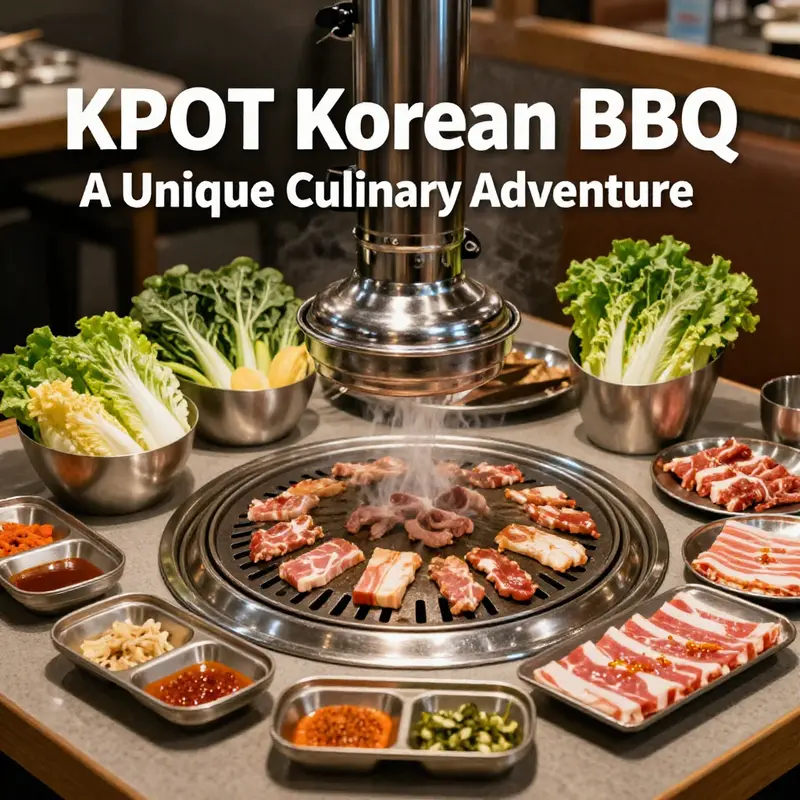
KPOT Korean BBQ & Hot Pot redefines the dining table by marrying two beloved cook-at-the-table traditions: Korean barbecue and hot pot. Guests gather around a central grill and a shared cauldron, taking charge of their own cooking journey. The format is all-you-can-eat, with a buffet-style spread surrounding the grill and pot, inviting diners to craft a rhythm of bites that ebbs and flows with taste and hunger. The result is a multi-sensory dining journey where heat, steam, and sizzle choreograph a meal that moves between individual artistry and shared abundance.
The heart of the experience is customization. Diners choose from broth bases that range from fiery kimchi to mellow milky tones or clear, noodle-friendly options, then tailor dipping sauces and seasonings to suit their palates. A few drops of sesame oil, a spoonful of garlic, a dab of chili paste, and a splash of soy can transform a bite from simple to signature. The grill side showcases proteins in a spectrum of cuts—from delicate slices of ribeye to robust pork belly—while the pot side hosts vegetables, tofu, mushrooms, and noodles that soak up the seasoning and the lingering aroma of the broth. Among the standout offerings are seafood items like prawns, scallops, or oysters, which add a celebratory note to the table and underscore the venue’s affinity for premium ingredients.
What makes KPOT feel distinct goes beyond the menu. The dining style is inherently social. People lean into conversations that ripple between the sizzle of the grill and the simmer of the pot. Tongs clang, laughter rises, and everyone contributes to the pace of the meal, deciding when a piece of meat deserves a longer sear or when a dumpling deserves a longer soak in the broth. This interactivity makes it well suited for a spectrum of occasions: a date night that benefits from shared cooking moments, a family dinner that blends children’s curiosity with adults’ preference for flavor complexity, or a lively gathering of friends celebrating a milestone or simply the joy of unlimited choices. In many urban locations, the atmosphere can tilt toward a nightlife vibe—dim lighting, contemporary design, and a full bar that complements the culinary theatrics—while other rooms offer a warmer, more relaxed setting that emphasizes conversation and comfort.
Pricing is another dimension that shapes the KPOT experience. The all-you-can-eat model invites guests to plan a meal that balances abundance with value. Prices typically vary by location and time of day, with weekday lunches often more affordable than weekend dinners. The core appeal remains clear: a single seat grants access to a wide array of proteins, broths, vegetables, and sides without the pressure of a separate bill for every dish. This structure resonates with families and groups who appreciate the ability to explore without worrying about a long, itemized tally. For diners who want to share the experience as a gift, KPOT gift cards offer a practical way to give friends and loved ones the freedom to craft their own culinary adventure at the table.
Technology also shapes the flow of service at many KPOT locations. Tablet-based ordering at the table supports quick, responsive decisions about what to cook and how much to replenish, reducing trips to a host station and keeping diners immersed in the cooking and conversation. Still, some guests report brief delays when the system processes requests, a reminder that efficiency in a high-energy kitchen must balance speed with accuracy. The overall effect is a modern dining cadence that honors the communal nature of the meal while delivering the convenience of self-serve customization. In this context, the best approach is to treat the table as a stage for collaboration: coordinate grill times with companions, share tasting notes, and let the broth do the talking as the flavors deepen with each passing minute.
For readers seeking practical guidance, visiting during off-peak hours can yield a calmer atmosphere and more attentive service, without sacrificing the generous all-you-can-eat format. The sense of seafood freedom—unlimited access to select premium items—adds a special thrill for aficionados who crave variety and novelty in their meal. The menu itself can vary by location, so it pays to check what proteins and broths are highlighted on a given day. As a culinary journey, KPOT offers a flexible framework: a person can chase the char of a perfectly seared ribeye while another savors the comforting embrace of a dumpling drifting in a spicy broth, and a third explores the last, lingering flavors of a well-seasoned sauce. The shared nature of the meal turns dining into a social ritual rather than a mere sequence of courses.
If you want to learn more about KPOT itself or verify current offerings at a specific location, the official source offers the most up-to-date details and menu options. For the official details and latest offerings, visit the external resource: https://www.kpotbbq.com
KPOT Korean BBQ Unveiled: How Menu Diversity and Pricing Shape the All-You-Can-Eat Experience
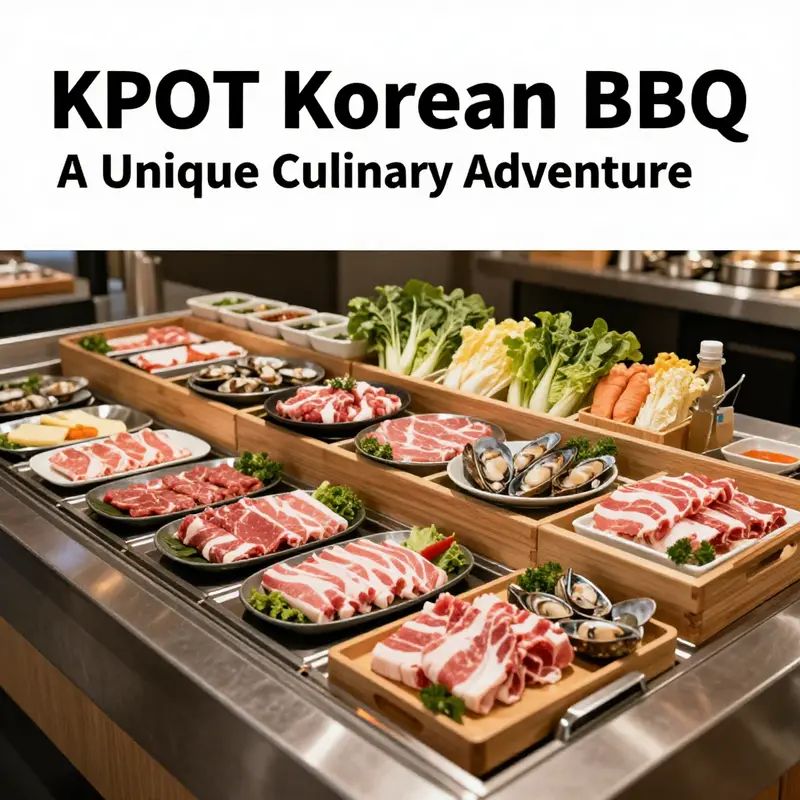
KPOT Korean BBQ reveals more than a menu; it presents a dining rhythm where grilling at the table meets simmering in a shared pot, a fusion that speaks to contemporary, social eating. The concept is not simply about food choices. It is a deliberate orchestration of flexibility, abundance, and interactive dining that aims to satisfy a wide spectrum of tastes, budgets, and occasions. In practice, this means a single visit can feel like a culinary tour that blends two beloved Korean cuisine formats into one cohesive, adjustable experience. The shift from single-cuisine meals to a one-stop format mirrors a broader consumer preference for convenience without sacrificing variety or quality. The result is a space where friends, families, and colleagues can gather with a shared plate of possibilities, moving fluidly between sizzling grills and bubbling broths as the mood dictates.
At the heart of KPOT is menu diversity designed to accommodate multiple dining intents within one setting. The self-serve station for meats, seafood, vegetables, and sides sits alongside a series of broths and dipping sauces that invite personalized flavor exploration. The emphasis on seafood, in particular, stands out. Oysters and a spicy crab offering, featured during dinner hours, elevate the experience beyond the ordinary all-you-can-eat format. These high-value items create a premium edge that complements the more abundant, everyday proteins, and they contribute to a sense of ritual and anticipation. This focus on seafood not only broadens the palate but also signals a willingness to curate experiences that reward diners who seek something a little extra on special nights. The inclusion of premium options, reserved for certain hours, also introduces a subtle scarcity dynamic that can reinforce the perception of value without compromising accessibility.
The cooking experience itself is a key element of the menu’s appeal. Each table blends two cooking modalities—grilling and hot pot—into a single, versatile station. Guests may start with marbled cuts for direct flame contact, enjoying the aroma of sizzling fat and the rhythmic sound of meat caramelizing on a hot grate. As the evening evolves, they can pivot to a shared pot where broths simmer, releasing comforting scents of seasonal vegetables and aromatic sauces. The dual-track setup cultivates social interaction, letting diners coordinate turns, trade bites, and discuss flavor ideas in a way that single-format restaurants rarely encourage. This is not just about food; it is about the social dynamic of dining, where customization and cooperation become part of the meal’s enjoyment. The ability to mix and match flavors—spicy, mild, clear, or rich tonkotsu-inspired bases—alongside an array of condiments empowers each table to craft a personal narrative for the night.
From a culinary perspective, the balance among flavor, texture, and temperature is thoughtfully managed. The dish assortment includes varied cuts of beef and pork, along with seafood, mushrooms, and a diverse array of vegetables and noodles. The kitchen team often circles back to ensure a steady stream of ingredients, supporting the sense of abundance that characterizes the concept. The broth bases are designed to offer distinct mouthfeel and aftertaste experiences, making the hot pot a vehicle for warmth and comfort as the grilling experience adds brightness and texture. The ever-present option to adjust saltiness or heat through sauces and seasonings further deepens the customization, allowing diners to tailor the dish to their own evolving preferences across the course of a meal. This level of control is a highlight for many guests who appreciate the chance to remix flavors in real time rather than commit to a fixed menu from the start.
A crucial aspect of the KPOT proposition is its pricing architecture, which combines clarity with strategic flexibility. The model operates on an all-you-can-eat principle that emphasizes value and choice. Within this framework, pricing is typically tiered by time of day, with weekday lunches priced more accessibly than dinners or weekend sessions. The specific figures cited in research materials reflect a tiered approach that aims to balance affordability with the restaurant’s ability to source premium ingredients during peak hours. For example, lunch offerings tend to be priced lower, while dinner and weekend experiences command higher prices. In some formulations, diners can opt to enjoy both grilling and hot pot at a combined rate, with a modest add-on that acknowledges the additional preparation and service required for the dual-cooking experience. This tiered structure helps spread demand more evenly across the day and week, reducing crowding during peak times and preserving the quality of ingredients and service.
The all-you-can-eat premise itself shapes how guests perceive value. When a fixed price covers an expansive lineup of meats, seafood, broths, vegetables, and sides, the perception of value is driven not only by quantity but by the mix of high-cost ingredients that are accessible within the same meal. Premium items such as oysters and spicy crab—often highlighted as dinner-only or weekend offerings—can skew the perceived value upward by delivering a sense of rarity and exclusivity at a predictable price point. The presence of these items, even intermittently, creates a dynamic where diners feel they are getting access to special flavors without paying a separate premium per item. The result is a strong psychological anchor: unlimited access to a curated set of high-quality ingredients, paired with the thrill of discovery across a broad spectrum of proteins and textures.
From a behavioral standpoint, the pricing approach also leverages the social nature of group dining. The structure invites sharing and communal tasting, as diners do not confine themselves to a single dish but instead explore a broader culinary map. The combination of a fixed price with unlimited access translates into a predictable budgeting experience for groups, making it easier to plan a night out, celebrate a milestone, or simply gather with friends. The presence of family-friendly pricing tiers further reinforces KPOT as a viable option for multi-generational meals, where adults and children alike can find items that appeal to their tastes without stretching budgets. In this sense, pricing strategies are not just about margins; they are about shaping a dining environment that supports varied social occasions and fosters repeat visits.
To illustrate the practical side of this strategy, consider the role of combo platters. These curated bundles of high-demand items—often including a mix of beef cuts, seafood, and specialty ingredients—are designed to streamline ordering while boosting perceived value. By packaging complementary items together, the restaurant can improve order efficiency, increase average check size, and reduce decision fatigue for guests who might otherwise spend too long choosing from a long a la carte list. The net effect is a more satisfying, well-paced dining experience where guests feel they are maximizing quantity and quality within a single, cohesive meal framework. The emphasis on clever packaging aligns with a broader trend in hospitality toward simplified choices that still deliver depth and customization.
For readers who want a closer look at the all-you-can-eat format that blends Korean BBQ with hot pot, see this option: all-you-can-eat Korean BBQ and hot pot. This link provides a representative sense of how diverse offerings and flexible pricing can coexist under one roof, allowing guests to navigate between grilling and simmering with ease while appreciating the value of a varied ingredient lineup. The dynamic described here aligns with the practical realities of location- and time-based pricing, as well as the opportunities for families and groups to coordinate a meal thoughtfully around shared preferences and appetites.
In the broader context of how KPOT positions itself in the crowded field of Korean dining concepts, the combination of menu diversity and pricing strategy reinforces a distinctive value proposition. The restaurant earns attention not merely for the volume of choices but for the careful curation that makes those choices feel accessible and exciting. Seafood highlights and limited-time items create a sense of eventfulness without compromising the everyday appeal of classic cuts and vegetables. The technological elements at the table—order tablets, digital menus, and real-time updates—play a supporting role by smoothing navigation through the options and reducing friction in the ordering process. While some guests report brief delays in digital ordering, the overall effect remains a more interactive, engaging dining experience than traditional all-you-can-eat formats.
In sum, the KPOT menu is a study in purposeful variety. It blends the familiar comforts of Korean grilling with the communal warmth of hot pot, all within a pricing framework designed to be inclusive, dynamic, and scalable across locations and times. The strategy rests on the premise that guests want freedom to explore, to switch between cooking modes, and to sample high-cost ingredients alongside everyday favorites, all within a transparent, predictable price. It is this balance of abundance and structure that makes the all-you-can-eat concept both approachable and aspirational for a wide audience, from families seeking value in a shared meal to food enthusiasts chasing novelty and depth in flavor. External reference: https://thekpot.com
Final thoughts
KPOT Korean BBQ & Hot Pot encapsulates the essence of modern dining by merging traditional flavors with interactive experiences. As the culinary world continues to innovate, KPOT serves as an example of how to attract and engage diverse customer bases through a unique concept. For business owners in the food industry, the insights derived from KPOT’s dining experience, menu diversity, and strategic pricing can be invaluable in creating successful and appealing dining establishments. Embrace the evolving landscape and consider how elements of KPOT can inspire your own offerings.