
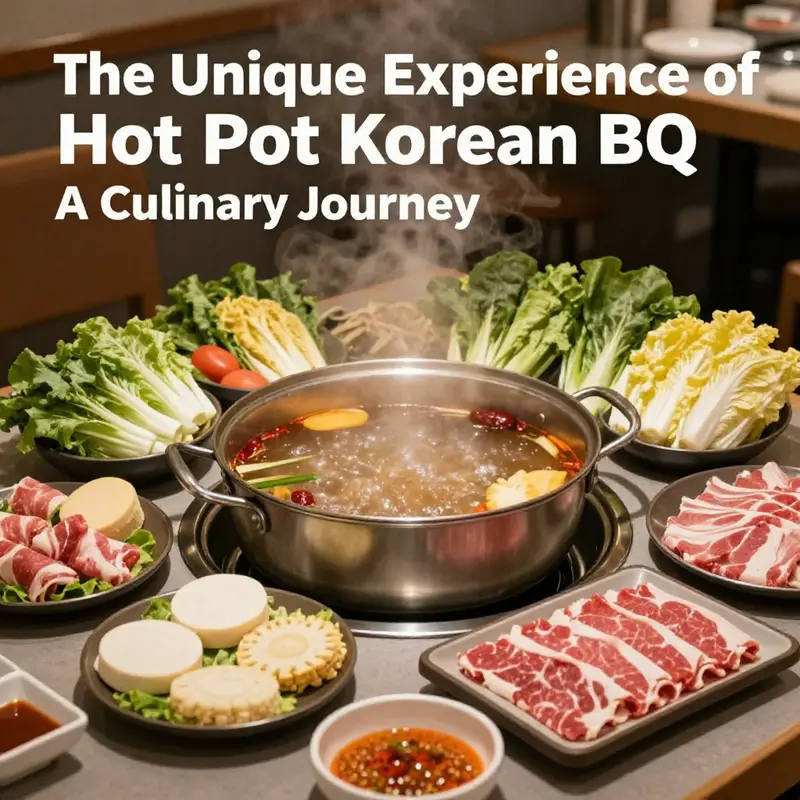
Hot Pot Korean BBQ, a delightful culinary experience that merges traditional Korean grilling with interactive hot pot dining, has rapidly become a favorite among food enthusiasts and casual diners alike. This innovative dining format offers a unique blend of cooking methods, allowing patrons to grill their choice of meats while simultaneously enjoying a vibrant hot pot filled with rich broth and fresh ingredients. As a business owner in the food industry, understanding the appeal of Hot Pot Korean BBQ can open up vast opportunities for differentiation in the competitive market. This article delves into the interactive experience it provides, the rich flavors it introduces, and the cultural significance it holds in modern dining.
null
null
Where Fire Meets Simmer: The Sensory Dialogue of Hot Pot Korean BBQ
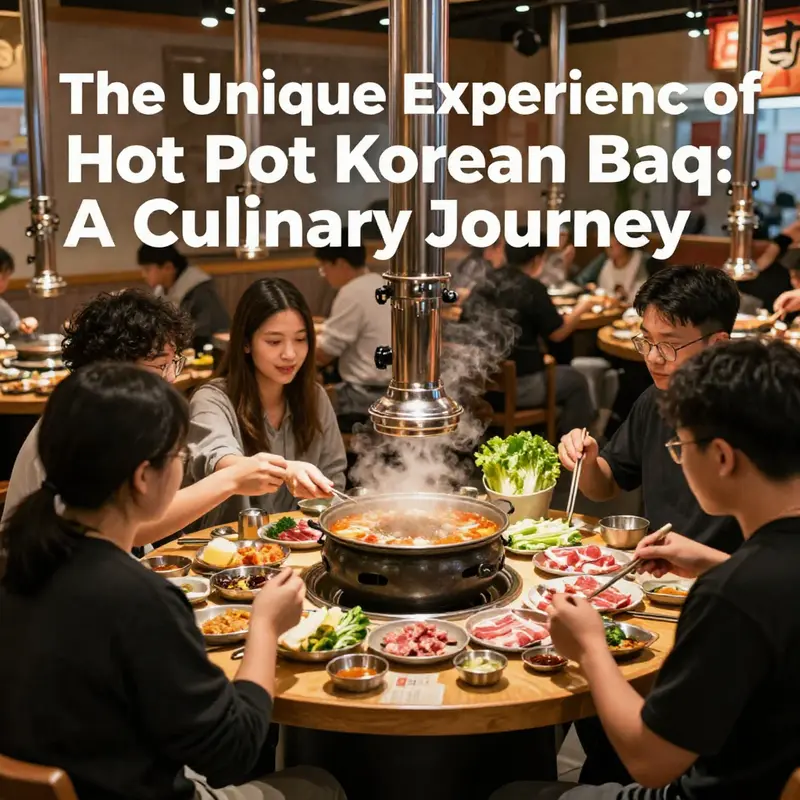
Hot Pot Korean BBQ is more than a meal; it’s a choreography of heat and steam, a tabletop theater where guests themselves become cooks, storytellers, and tasters. The dual cooking model invites diners to switch between two modes: a low, attentive grill for meats and seafood, and a simmering pot that braids together vegetables, tofu, and noodles in a broth that carries layers of flavor. The result is a dining rhythm that rewards curiosity as much as skill. In this space, the grill’s sizzling fat and the broth’s rising aroma mingle in each bite, and the act of cooking becomes part of the taste experience rather than a mere prelude to eating. The setup also shapes social dynamics: couples trade turns at the grill, friends pull ingredients from a shared tray, and newcomers watch as the cooks in the group translate raw bites into finished, aromatic mouthfuls. It is a performance with dinners as the audience, and a memory-building ritual that lingers long after the last spoonful is savored.
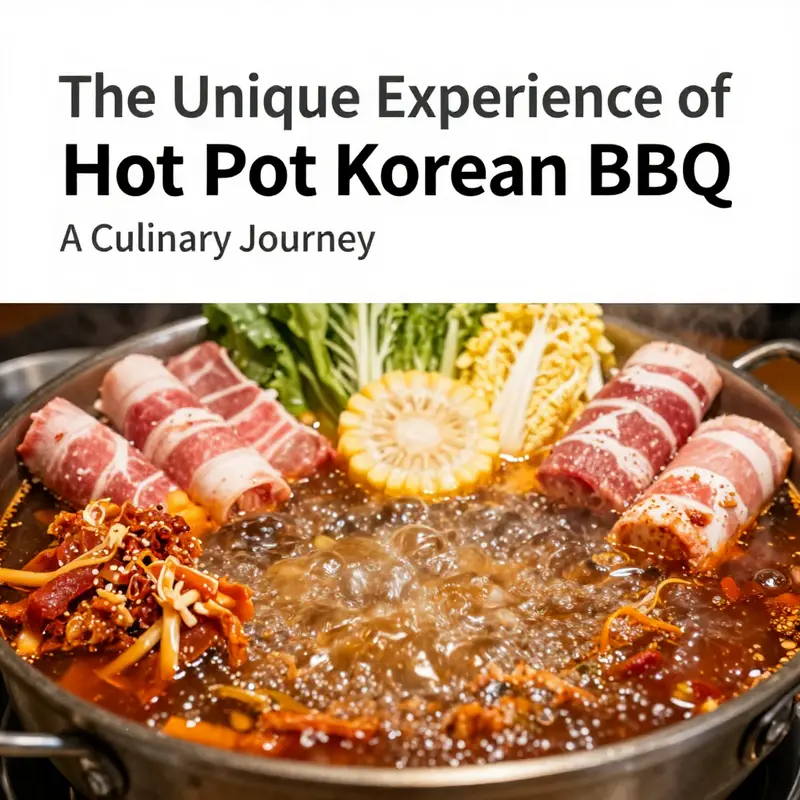
From a flavor perspective, the fusion leans into contrasts that gradually fuse. Diners often begin by searing premium cuts—marinated beef or pork belly—on the hot plate, letting the surface caramelize in a kiss of sesame oil, garlic, and soy. The grilling process concentrates the meat’s sugars and oils, creating a crust that acts like a flavor magnet when dropped into the broth. The broth itself provides a counterpoint: rich, aromatic bases such as miso, soybean paste, kimchi, or a bright mushroom stock layer umami and heat. When the grilled morsels enter the simmer, their fats mingle with the pot’s seasonings, and the result is a deeper, more rounded profile than either method would achieve alone. Seafood—shrimp, clams, or squid—adds brine and texture, while vegetables and noodles soak up the broth’s character, turning every bite into a dialogue between smoke, steam, and steam-infused aroma. The overall effect is a customizable spectrum rather than a fixed flavor.
Insights into this culinary dialogue mirror the way shared tables shape the experience. A design that invites diners to adjust portions and pace becomes central to the mood. The model balances seafood freedom with traditional beef options and an extensive condiment bar that empowers guests to customize sauces and dips. See The Moon Korean BBQ and Hot Pot for a representative version of the approach.
Ambience matters as much as technique in this fusion. The tables are laid out to encourage sharing, not just eating. Chalkboards of broth choices, bright herbs, and the scent of sesame and chili drift through the air. The temperature shifts—from heat of the grill to the simmer of the pot—create a kinetic mood that keeps conversation lively and eyes wide. Diners of all ages find their roles: some plot the flow of ingredients, others monitor the pot, and others still calculate the exact moment to pull a piece from grill into broth to finish cooking with a final swirl. The experience becomes a collective memory, a night out that feels both intimate and expansive, offering room for personal pace and communal pace in equal measure.
From a culinary education angle, the fusion teaches restraint and curiosity. The ingredients are straightforward, but the way they are combined produces surprising depth. The grill’s speed and the pot’s patience force a rhythm that mirrors modern life: we crave quick, bright flavors yet savor slow, layered notes. The dual-cooking format also lowers the barrier for experimentation. A diner can risk a bold bite on the grill, then calm the palate with a gentle, miso-based broth. The practice of dipping, simmering, tasting, and adjusting becomes a mini-workshop in flavor memory. This is how a dish becomes a shared culture rather than a single plate: it invites people to negotiate texture, heat, and aroma while building a sense of community around a table. In that sense, hot pot Korean BBQ is less a trend than a contemporary method of dining that honors tradition while inviting improvisation. The simplicity of the setup invites experimentation across cultures, as diners bring personal memories and family traditions to the pot. In this sense, the practice democratizes refinement—beginners learn quickly and seasoned eaters discover new combinations. The result is a meal that evolves from encounter to shared ritual, a small festival of taste and conversation. It invites readers to imagine their own table where heat, broth, and company combine to make food memorable.
External reference: For a broader context on how hot pot and Korean barbecue converge across cultures, see https://www.kpotbbq.com/.
The Shared Flame: How Hot Pot Korean BBQ Rewrites Modern Dining as Communal Performance
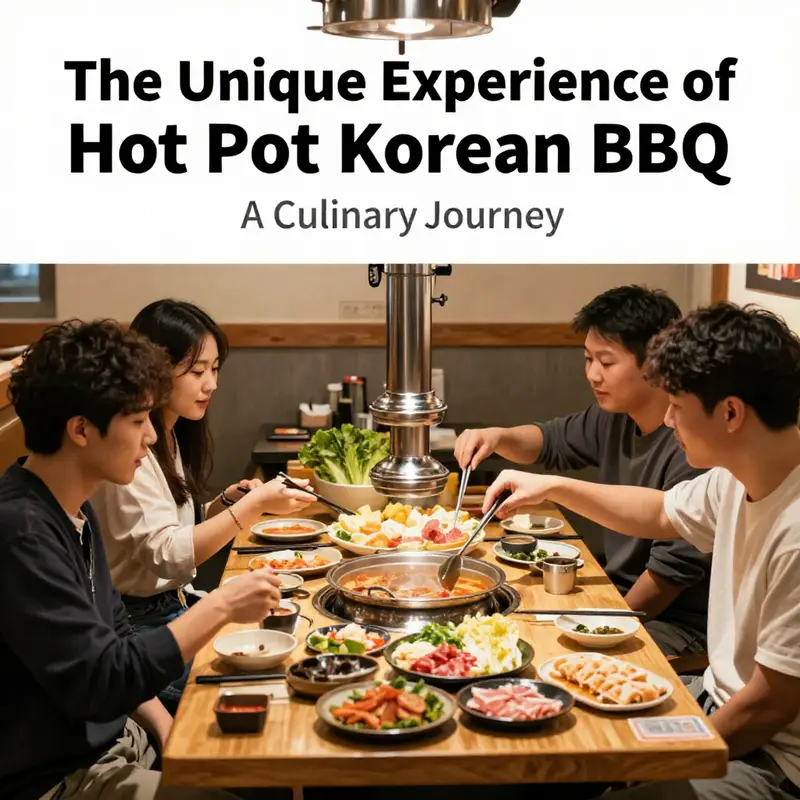
At a hot pot Korean BBQ table, heat and steam are not just culinary byproducts; they are signs of a shared moment. The experience embodies a timeless thread in Korean dining: eating together is a form of conversation, respect, and hospitality. The table becomes a stage where generations, friends, and strangers negotiate flavor, pace, and story in real time. The grill in the center invites each guest to work with intention, turning raw ingredients into a chorus of sizzle that mirrors the rhythms of a gathering. On one side the meat glows, the juices sigh, and the aroma of sesame, garlic, and chili-infused soybean paste travels with the steam. On the other side a simmering pot breathes through different broths, offering warmth and a counterpoint to the char and caramel of the grill. This dual cooking arrangement is not merely novelty; it is a deliberate design that honors both autonomy and shared ritual. Diners are free to decide the timing of each bite, to mix textures, and to modulate heat. Yet they are also part of a collective tempo. The group negotiates pace with smiles, changes the pot together, and lifts vegetables or noodles in unison as if coordinating a small orchestra. Such synchrony is more than convenience. It is a microcosm of social life, where the act of cooking becomes a gesture of care and inclusion. The ritual around this fusion reflects a broader cultural stance in which food is a medium for relationship rather than a solitary reward. The familiar elements—ssamjang, garlic, crisp lettuce leaves, and fresh greens—are not accessories but conduits for memory and belonging. Each wrap, each bite, is a reminder that flavor travels most deeply when it travels together. In modern dining rooms, hotels, and bustling cafes, the hot pot Korean BBQ table has grown into a cultural stage that travels across borders. It is both portable and adaptable, capable of fitting intimate portraits of a couple’s night out or the raucous energy of a family celebration. It invites the modern eater to slow down, to savor the process as a form of hospitality rather than a race for speed. The shared aroma and the visible act of cooking plant a sense of warmth that counteracts the anonymity of urban life, inviting conversation about origin, seasonality, and personal preference. The appeal is partly practical. The format supports diverse palates and allows for a single table to accommodate differing tastes, from a lean, clean broth to a fiery, robust one, from chewy cuts to delicate seafood. Yet the deeper allure lies in the social dimension: the table becomes a space of storytelling and mutual care, a place where elder advice is accompanied by laughter, where peers offer to pass a wrap, a dip, or a tangle of noodles, and where hospitality is expressed through shared bowls and shared decisions. Even as this hybrid dining style expanded globally, it preserves a thread of tradition rooted in communal eating and the agrarian and nomadic memories that shaped northern Korean hospitality long ago. In today’s urban settings, the experience often sits at the crossroads of comfort and spectacle—an edible performance that feels both timeless and contemporary. For diners curious to explore a locally resonant echo of this practice, some venues cultivate a similar spirit without branding or excess. For instance, a Korean BBQ in Moreno Valley has become known for its table that blends grilling and steaming, a deliberate nod to community dining rather than individual triumph. The physical design, coupled with the choreography of slicing, dipping, and dipping again, reinforces the sense that food’s purpose extends beyond taste to connection. For researchers and practitioners, this format offers a useful lens on how cuisine can serve as a social technology—how heat and aroma coax conversation, how shared timing aligns values, and how hospitality becomes the core of the meal. It is a reminder that modern dining is not just about flavor profiles but about environments that invite participation, dialogue, and belonging. For those seeking a locally resonant reference, the Moreno Valley example serves as a tangible echo of this fusion in action, illustrating how space, ritual, and taste combine to nurture community. Korean BBQ in Moreno Valley. External reference: https://www.example.com/korean-bbq-grill-hotpot-table
Final thoughts
In today’s rapidly evolving dining landscape, Hot Pot Korean BBQ stands as a dynamic offering that caters to both culinary curiosity and social interaction. By understanding its interactive nature, diverse flavor profile, and rich cultural roots, business owners can leverage this unique dining concept to attract a loyal customer base. Embracing Hot Pot Korean BBQ not only enhances the dining experience for patrons but also enriches the overall cultural tapestry of the culinary world.