

Korean BBQ chicken, known for its tantalizing flavors and unique preparation methods, is an exceptional addition to any menu. Business owners looking to diversify their offerings will find the process of creating this beloved dish both rewarding and straightforward. This guide will dissect the preparation of ingredients, the crucial marination process, and the expert cooking techniques that result in perfectly succulent chicken. Each chapter meticulously builds on the previous one, ensuring a comprehensive understanding of how to capture the authentic essence of Korean BBQ chicken in your culinary repertoire.
From Pantry to Grill: Building the Flavor Foundation for Korean Chicken BBQ
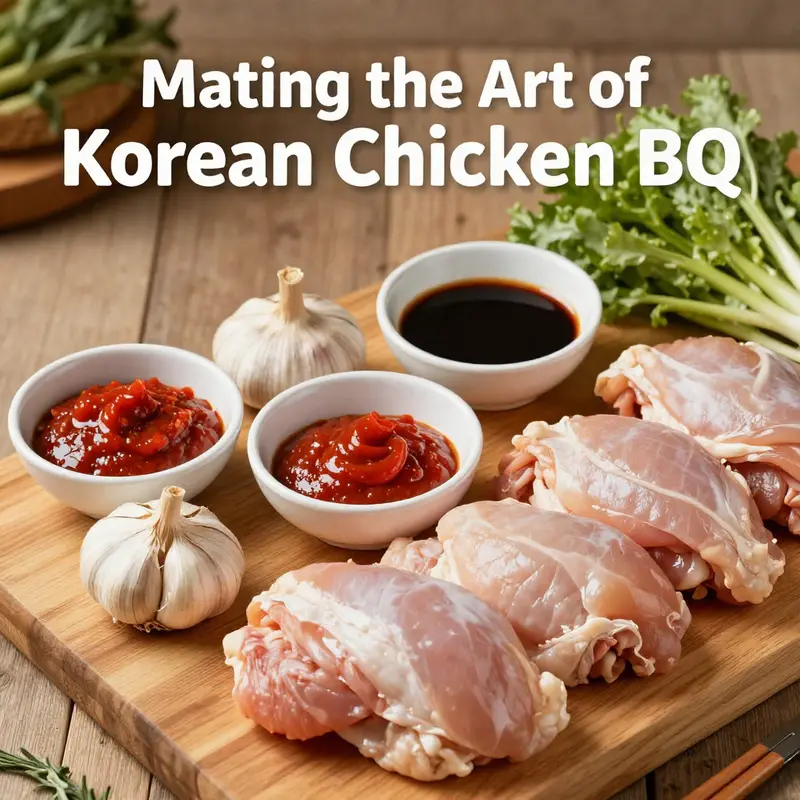
Preparing the ingredients for Korean Chicken BBQ is less about a long shopping list and more about assembling a chorus of flavors that will carry through every bite. At the heart of this chorus are elements that deliver heat, sweetness, salt, and aroma in a balanced, cohesive way. Gochujang, the signature Korean chili paste, provides a deep, fruity heat and a quiet umami that lingers on the palate. Ganjang, Korean soy sauce, contributes a savory backbone and saltiness that prevents the glaze from tasting flat. A touch of honey or brown sugar counters the spice with brightness and helps the glaze cling as the chicken cooks. Fresh garlic and ginger introduce sharp aroma and warmth, while a splash of sesame oil finishes with a nutty richness that stays with you after the first bite. For tenderness and a hint of fruitiness, many cooks incorporate grated Asian pear or kiwi into the mix, using their natural enzymes to keep meat juicy without turning it mushy.\n\nWith the base assembled, you whisk these ingredients into a smooth, cohesive marinade. If you add a splash of rice wine or dry sherry, you invite a subtle depth that echoes traditional cooking techniques. The marinade does more than season; it builds a glaze that becomes glossy as it caramelizes on the grill or in the oven. To maximize flavor penetration, consider lightly scoring or piercing the meat so the marinade can work inward, especially with bone in, skin on thighs or drumsticks. These pieces stay moist under high heat, which is essential to Korean BBQ that aims for a juicy center and a charred crust.\n\nFlavor Backbone lies in the balance of heat, sweetness, salt, and aroma. If one element seems dominant, you can adjust with another, but the core trio of gochujang, ganjang, and garlic anchors the profile. Authenticity matters here. Seek genuine gochujang and ganjang, as their fermentation and depth set Korean barbecue apart from milder, generic sauces. The fruit added to the mix should taste clean and bright rather than overwhelming, so choose ripe Asian pears or kiwis with care.\n\nMarination time matters as much as the ingredients themselves. A minimum of two hours will begin to infuse the chicken with the glaze, but overnight marination—roughly eight to twelve hours—delivers the deepest flavor and the most reliable tenderness. While the marinade does its work, high heat can work in concert with those sugars to create that quintessential caramelized crust, so plan the cooking method to suit your space. Avoid overly long marination, though, because too much acidity or fruit can begin to break down texture and muddle the mouthfeel.\n\nBeyond the core marinade, a few additional ingredients push the dish toward authenticity. Scallions or green onions add a fresh, bright finish, and a splash of extra rice wine, soju, or mirin can brighten the glaze and help it cling during cooking. These accents are optional but recommended for a more dimensional aroma that echoes traditional Korean tables. When you’re ready to cook, the same ingredients that brought brightness to the raw mix—garlic, ginger, sesame oil, and a touch of scallion—shine again as garnishes: a light brush of sesame oil for a glossy finish and a scatter of toasted sesame seeds and chopped green onions for aroma and color.\n\nAs you plan the cooking, think of the ingredient list as your toolkit for flavor evolution. The gochujang and ganjang carry the core heat and salt, while honey or sugar sets the glaze on the surface. The garlic, ginger, and optional aromatics deepen the profile, and the fruit tenderizes the meat, contributing to a forgiving cook that remains moist. The final touches—sesame oil, sesame seeds, and scallions—bring aroma, shine, and a pop of freshness that completes the dish. If you want to see these flavor choices translated into a real grill moment, you can explore the approach at a home-grill setting like the Korean Grill Kensington page, which offers a practical view of how these components come to life on a grill. Korean Grill Kensington.\n\nFor readers seeking a deeper dive into authenticity, consider the broader guidance available in established culinary resources. A detailed external reference on authentic Korean chicken bulgogi preparation provides broader context for technique and sourcing, including how to balance the marinade components and achieve a glossy, caramelized crust. External reference: https://www.thekitchn.com/how-to-make-korean-chicken-bulgogi-257431.
Marination Mastery: Unlocking Deep, Juicy Flavor in Korean Chicken BBQ
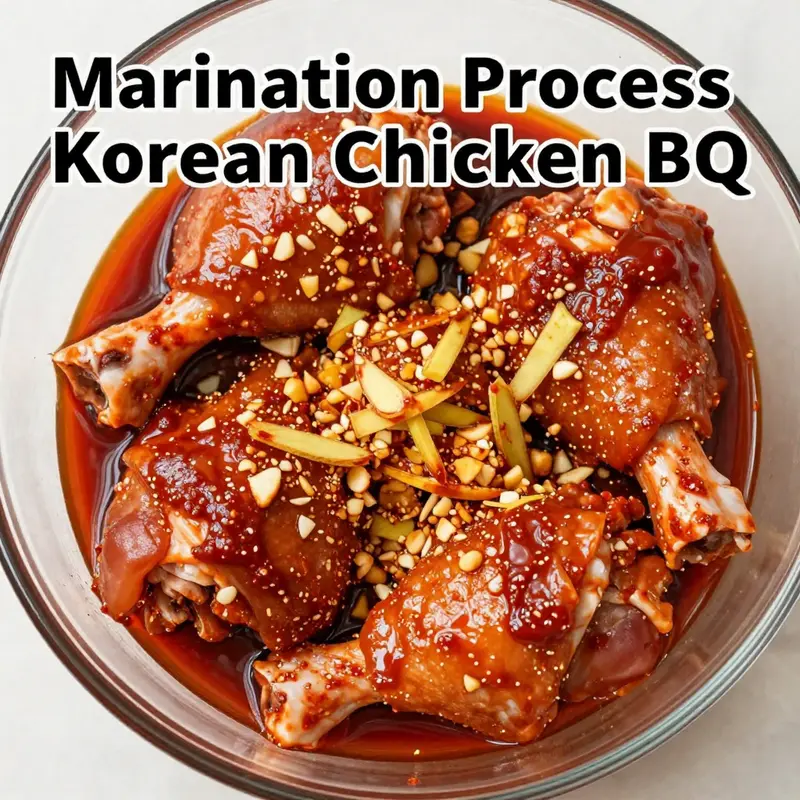
Marination is more than a flavor lift; it’s the quiet architect behind Korean chicken BBQ. The tender pieces, slick with a glossy glaze, owe their depth to a carefully balanced blend of gochujang, soy sauce, honey, garlic, sesame oil, and ginger. This is not merely salt and heat; it is a deliberate harmony of sweet, spicy, savory, and aromatic notes that work together over time to transform ordinary meat into something succulent and memorable. When you commit to a thoughtful marinade, you are giving the chicken a passport to flavor that travels far beyond the surface, seeping into every fiber so each bite carries the full spectrum of the glaze.
The core components of the marinade perform distinct, complementary roles. Soy sauce provides salt and umami, a quiet backbone that carries the more assertive elements. Gochujang adds heat and depth, its fermented sweetness rounding the bite with a gentle, lingering warmth. Honey or brown sugar brings brightness and helps the glaze cling as the surface caramelizes. Fresh garlic and ginger introduce pungent aroma and warmth, while sesame oil adds toasty richness that helps distribute the spiciness more evenly through the meat. The balance mirrors a Korean culinary principle of harmony, ensuring the glaze unifies rather than overpowering the meat.
Scientific insight helps explain why this approach works. The salt from soy and the depth of gochujang prime the proteins for better moisture retention, while the sugar begins a gentle browning as heat rises. Some marinades even envision fruit enzymes, such as pear or apple juice, to contribute a tenderizing note; these enzymes can help loosen muscle fibers without turning the meat mushy. In practice, a modest marinade time yields tenderness and a robust glaze without compromising texture. Sesame oil distributes the aroma and capsaicin more evenly, reducing hot spots and creating balance across the surface.
Timing is the second pillar of success. A well-timed marinade bridges raw ingredient and finished dish. For most home cooks, a minimum of 4 hours is ideal to let flavors penetrate; 8 to 12 hours yields deeper flavor without sacrificing texture. Overnight marination can intensify the glaze and aroma, provided acidity stays in check. Over-marinating with highly acidic components can weaken structure, so lean on fermentation-driven pastes and moderate acidity when planning longer sessions.
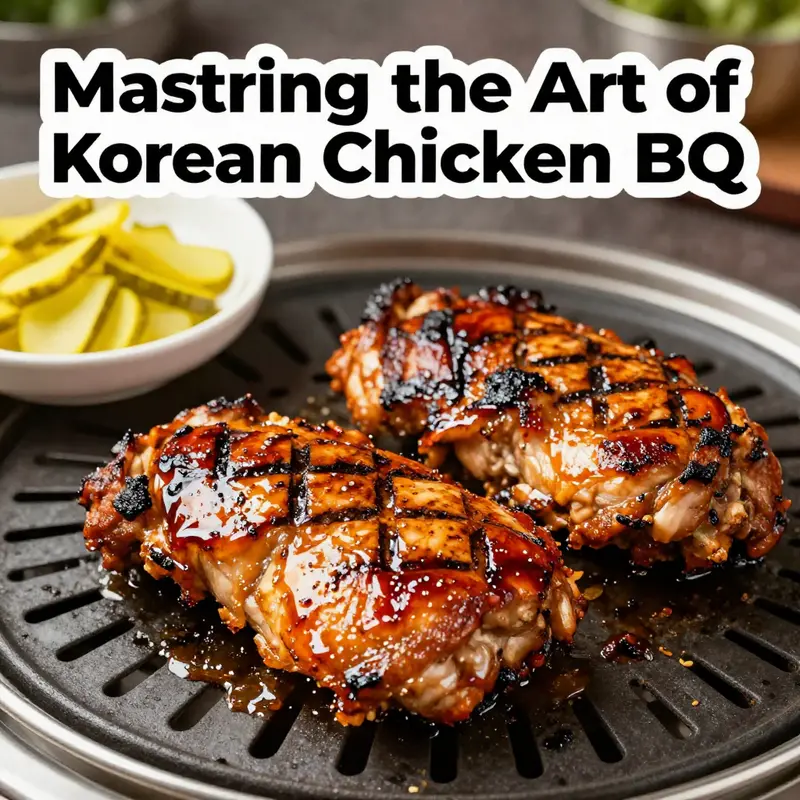
As the chicken rests in its marinade, a glaze begins to form. The sugars and amino acids mingle, creating a glossy coat that clings during cooking. Heat caramelizes the sugars, deepens color, and sets the lacquered finish. Oven roasting yields even browning, while grilling adds a smoky edge that complements the glaze’s sweetness. Both methods benefit from calm, controlled heat to keep the interior succulent and safe to eat (165 F / 74 C).
Resting after cooking is essential. Let the chicken stand a few minutes to redistribute juices, then finish with a light brush of sesame oil and a sprinkle of toasted sesame seeds and green onions for color and aroma. The result is more than a dish; it is an experience—the warmth of the glaze, the tender bite, and the inviting scent of sesame and garlic.
If you want to explore related techniques, consider other Korean preparations that echo this marinade philosophy. See resources on Korean BBQ sauces and marinades for broader context and balancing strategies.
A lacquered path to the grill: marination, high heat, and the glossy charm of Korean chicken BBQ
For further reading on authentic sauce-building that complements the glaze and deepens flavor, you can explore an external resource dedicated to Korean barbecue sauces: https://www.foodnetwork.com/recipes/korean-bbq-sauce-recipe-2196818. This reference offers additional perspectives on achieving balance in heat, sweetness, and salt, while highlighting techniques that align with the methods described here.
Final thoughts
Korean BBQ chicken is not merely a meal; it’s an experience filled with rich, vibrant flavors that appeal to a wide audience. By mastering the preparation of the ingredients, understanding the importance of marination, and perfecting cooking techniques, business owners can delight customers with this dish. Each step in crafting Korean BBQ chicken contributes to an exceptional final product that will leave a lasting impression on diners. Now is the perfect time to integrate this delightful dish into your offerings and elevate your culinary game.