
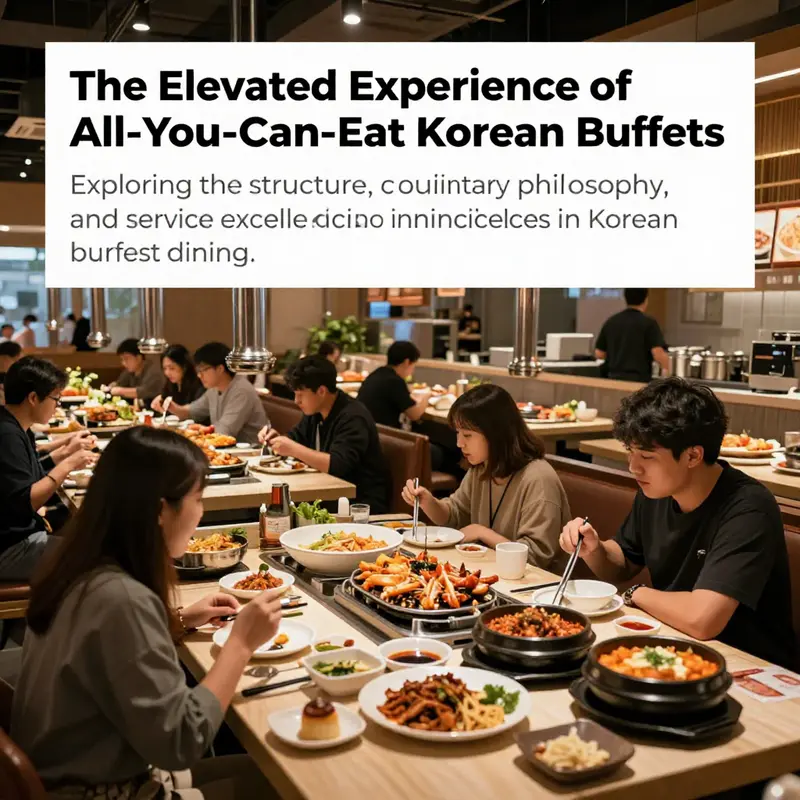
All-you-can-eat Korean buffets are more than just meal options; they are immersive culinary experiences that fuse tradition with modern elegance. Business owners in the restaurant industry can take advantage of this growing trend by understanding the core components that make these buffets successful. This article delves into the structure of the buffet experience, the culinary philosophies that underpin the delectable offerings, and the critical service delivery aspects that determine guest satisfaction. By examining these elements, business leaders can better cater to the desires of today’s diners, ultimately enhancing their buffet services and fostering loyalty within a competitive market.
Layered Feast: How an All-You-Can-Eat Korean Buffet Orchestrates Flavor, Flow, and Value
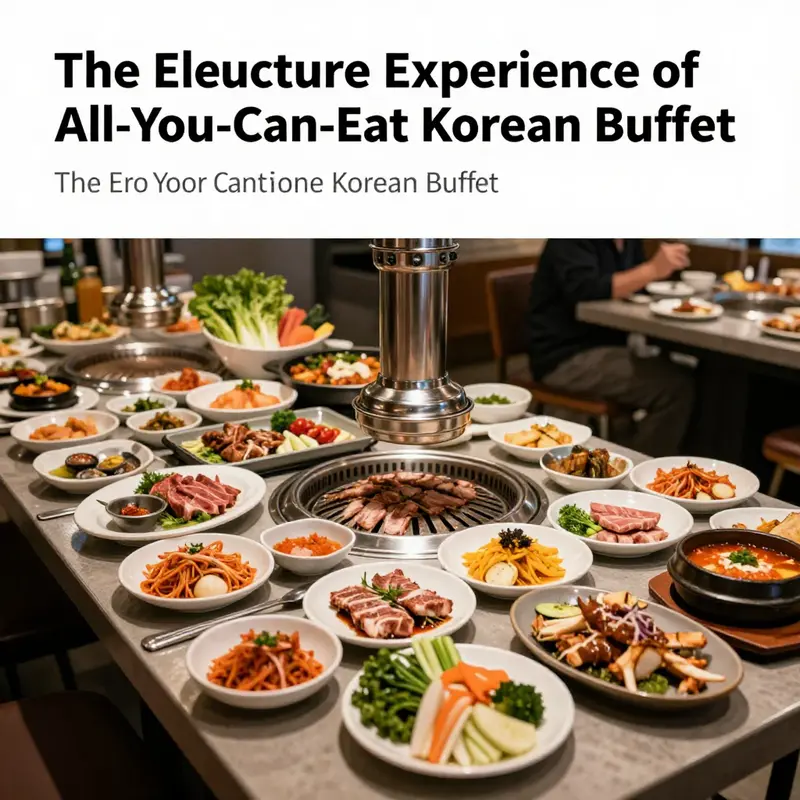
The all-you-can-eat Korean buffet is less a rush to fullness and more a curated ritual. It combines a defined meal structure, a chorus of banchan, and a clear service rhythm to create an experience that rewards pacing, discovery, and balance. Within a typical ninety-minute window, diners move through texture, temperature, and taste, sampling stews, grilled proteins, noodles, rice, and a rotating cast of small plates. That time limit shapes decisions. It encourages thoughtful rounds and layered plates rather than scattershot grabs.
At the heart of the format is a deliberate meal architecture. Restaurants present multiple course elements that mirror traditional Korean dining. A simmering stew or stew-like option anchors warmth and umami. Cold noodles or a chilled salad provide contrast. Rice and quick-cooking starches give comfort and structure. Grilled proteins arrive in waves, each cut or marinade offering its own tempo: thinly sliced marinated beef charred quickly, thicker pork belly rendered slowly, seafood that cooks almost instantly. When each element occupies its proper place, the meal feels composed and complete.
Banchan plays a central role in that composition. These small side dishes are not mere fillers. They act as palate cleansers, acidic counterpoints, and textural bridges. Fermented vegetables introduce acidity and fermentation depth. Seasoned greens add bitter or herbaceous notes. Lightly dressed salads bring crunch. Because buffets replenish banchan frequently, freshness becomes a visible quality signal. When pickles remain crisp and seasoned vegetables are bright, diners perceive higher care in kitchen standards. That perception is crucial; the buffet’s promise of abundance only satisfies when abundance equals quality.
Service design then ties food to guest experience. There are variations in operational models, but two patterns dominate. One is a hybrid selection model. Guests pick raw or pre-marinated ingredients from a display and hand them to a kitchen team for grilling on flat tops or charbroilers. This keeps the grills controlled and consistent, while still offering variety and the tactile pleasure of selecting components. The other is an order-driven approach. Diners request items from staff, and dishes are prepared and served hot. That method preserves temperature and texture and feels more personalized. Both models must manage timing, so cooks stagger output, and staff communicate clearly about replenishment.
Cleanliness, grill consistency, and staff responsiveness are not nice-to-haves. They are the backbone of satisfaction. Guests expect meat to be properly marinated and grilled at steady temperatures. They expect serving stations to look tidy and full. They expect staff to refill banchan, clear plates, and guide portions when needed. Studies using structured service-assessment tools show that aligning managerial focus with these guest priorities reduces negative gaps in perception. Where management emphasizes ingredient integrity and process control, loyalty follows.
Pacing is a subtle art. The ninety-minute constraint implicitly rewards strategy. Start with lighter bites and banchan to map the flavors. Move to grilled proteins in controlled portions to avoid palate fatigue. Interleave starchy comforts and chilled dishes to reset the mouth. Savor a small bowl of stew toward the end to round the meal. Diners who understand layering and balance often report higher enjoyment and less food waste. Staff can support that behavior with gentle signage or verbal cues, suggesting ideal pairings and portion sizes.
Beyond taste, the curated buffet educates. Short notes on marinades, fermentation steps, or recommended combinations deepen appreciation. When guests learn why a marinade is velvety or how fermentation creates acidity, they engage more intentionally. That engagement enhances perceived value and turns a single meal into a memorable culinary lesson.
Finally, the business of abundance and authenticity must be balanced. Unlimited access can degrade quality if costs and operations are not tightly managed. Successful venues balance generous portions with efficient replenishment, consistent cook times, and well-trained teams. The resulting experience is not about eating until full. It is about moving deliberately through layers of flavor, enjoying texture contrasts, and appreciating the craft behind each plate.
For practical tips on finding local options and planning visits, consult resources that compile nearby buffet listings. One helpful internal reference is the guide to finding an all-you-can-eat Korean buffet near you and what to expect when you arrive.
For a concrete example of a well-structured all-you-can-eat Korean barbecue menu, see this detailed menu overview. (https://www.mongvely.com/en/menus/all-you-can-eat-korean-bbq-myeongdong)
How Tradition and Craft Shape the All‑You‑Can‑Eat Korean Buffet Experience
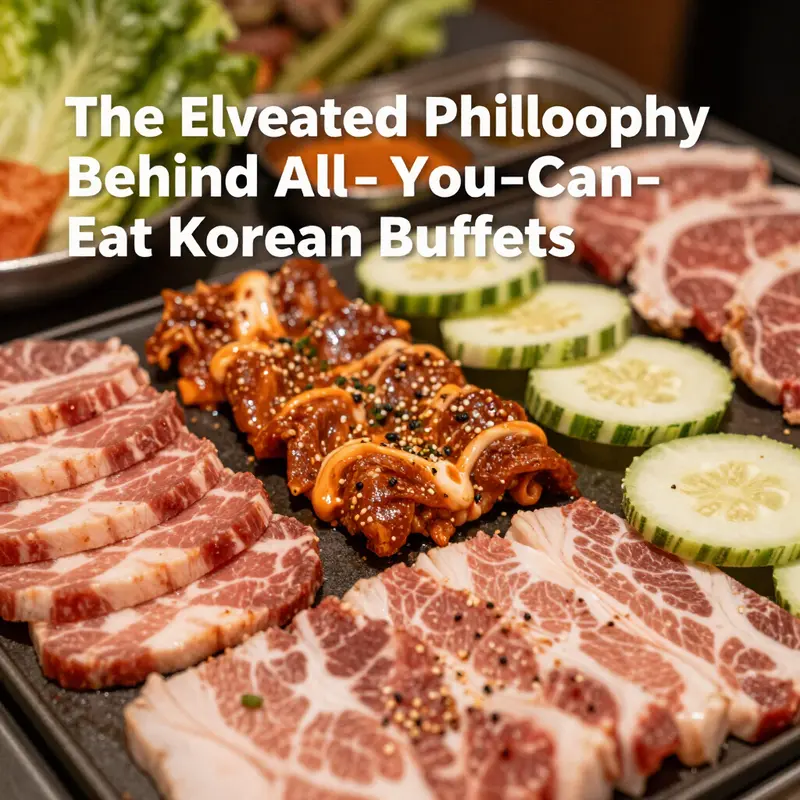
The all‑you‑can‑eat Korean buffet is a deliberate balancing act. It blends enduring culinary traditions with the efficiency of modern buffet service. Rather than equating abundance with low standards, this approach treats unlimited access as a canvas for flavor, technique, and well‑run operations. The result is less about mass consumption and more about a curated, communal event centered on grilled proteins, vibrant side dishes, and repeated opportunities to taste and refine.
At the center of the experience are the flavor building blocks of Korean cooking. Fermented chilies, aged pastes, toasted sesame oil, bright vinegars, and garlic provide a familiar language across plates. Those elements appear as marinades and sauces that define main items like marinated beef, spicy pork, and sweet soy‑glazed chicken. They also live in small plates: salty, sour, crunchy banchan that reset the palate between bites. When a buffet commits to house‑made sauces and frequent replenishment, those repeating flavor notes remain vivid, not watered down by time or low‑grade ingredients.
Technique matters as much as taste. Many successful venues use a hybrid system where guests pick proteins from a display, and trained cooks grill them to order. This preserves two crucial things: consistency and texture. Grilling at proper temperatures produces caramelized edges, quick sears, and the correct mouthfeel that raw displays cannot. Flat tops and charbroilers, managed by staff who understand marination and rest times, keep everything tasting sharp. That controlled interaction ensures diners enjoy the best expression of each cut, even during a busy service.
Side dishes are not an afterthought. Banchan—small plates of fermented, pickled, or seasoned vegetables—create dynamic contrasts. They add acidity and crunch to balance fatty grilled meats. Grilled vegetables and inventive items, like cheese‑topped corn or mushroom skewers, extend the meal’s texture and umami spectrum. Thoughtful presentation and rotation of these items prevent palate fatigue, encouraging guests to explore different combinations with each round.
The buffet’s time structure and pacing also contribute to the culinary philosophy. Time limits, usually around an hour and a half, encourage diners to plan rounds and layer flavors. Guests who pace themselves can construct sequences that build satisfaction: start with lighter proteins and banchan, move to richer cuts, then return to refreshing sides. This mindful progression rewards diners who seek variety over sheer volume, turning the meal into a sequence of discoveries rather than one continuous push for fullness.
Operational discipline underpins the entire concept. Food freshness, grill consistency, cleanliness, and staff responsiveness are not optional. Frequent replenishment and strict temperature control preserve flavor and reduce waste. Clear signage and portion guidance help guests make informed choices and reduce overordering. Kitchen staff trained to finish items with consistency—ensuring marinades are even, sears are uniform, and vegetables are properly charred—create an impression of quality that outperforms generic, quantity‑driven buffets.
Service plays a crucial role in shaping perception. Friendly, attentive staff who explain sauces, recommend pairings, and monitor grill stations elevate the visit. Education is part of the experience: short notes about traditional techniques or suggested combinations can deepen appreciation. When a venue treats guests as partners in a gastronomic event, satisfaction rises and customers return for the balance of craft and value.
This philosophy also expands accessibility. By offering a broad range of flavors and familiar elements, the buffet welcomes diverse palates. Mild or sweet options sit alongside fiery pastes and bold fermented dishes. Vegetarian and seafood choices ensure the experience appeals beyond meat lovers. The inclusive menu design aims to provide both comfort and curiosity, inviting diners to try new things without committing to a full entrée.
Finally, the buffet becomes a social ritual. Shared plates and communal grilling prompt conversation and discovery. Guests compare textures, debate favorite marinades, and trade tips on ideal grill times. That communal energy reinforces the culinary choices and operational rhythms that define a successful all‑you‑can‑eat Korean buffet.
For those exploring local options, a helpful directory is available here: All-You-Can-Eat Korean Buffet Near Me. For an example of a modern all‑you‑can‑eat menu structure and its emphasis on freshly prepared offerings, see this sample menu: https://www.gingergrill.com/menu/.
Seamless Service: How Execution Defines the All-You-Can-Eat Korean Buffet Experience
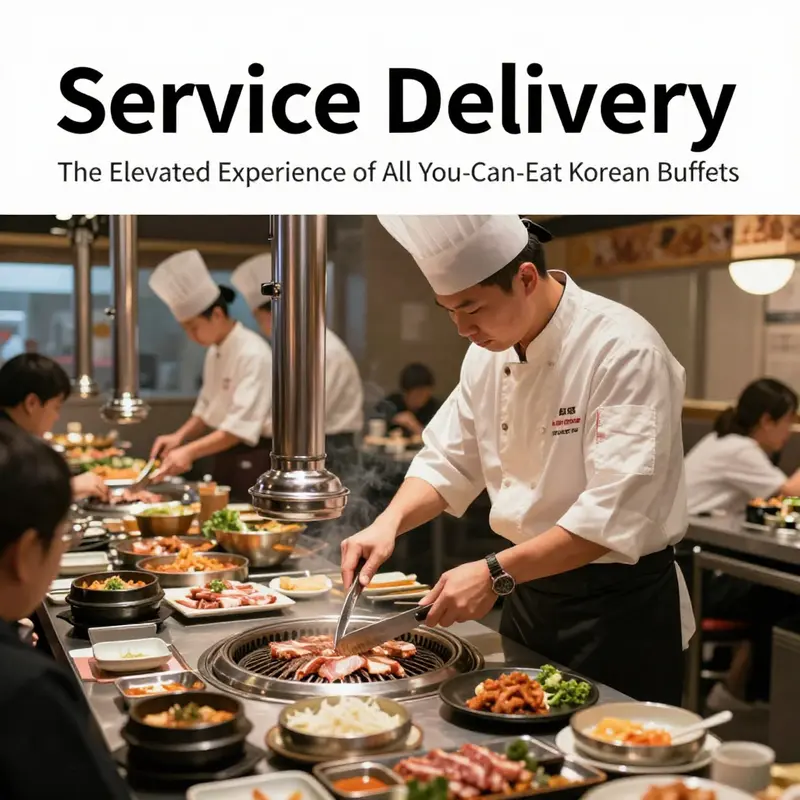
The all-you-can-eat Korean buffet promises abundance, but the real promise kept—or broken—lies in service delivery. Every choice a guest makes, from selecting marinated cuts to reaching for a banchan refill, depends on systems working in sync. In AYCE Korean buffets the food is the star, yet service is the stagecraft that shapes taste, pace, and satisfaction. When service runs smoothly, the meal feels curated. When it stumbles, even excellent flavors struggle to redeem the experience.
A successful AYCE operation often blends self-service selection with made-to-order cooking. Guests pick proteins and sides from a display, then hand slips or plates to cooks who grill items to order. This hybrid model demands tight timing. Kitchen workflows must prioritize speed without sacrificing doneness or seasoning. Front-of-house staff needs to translate guest choices into clear kitchen directives. If the gap between selection and plating widens, diners feel their time is wasted—especially within typical 90-minute windows. Good service reduces those gaps through standardized steps, predictable queueing, and simple signaling systems that flag urgent orders and popular items.
Consistency is another pillar. Patrons expect a reliable outcome: the same level of seasoning, the same char on the meat, the same crispness of grilled vegetables from first plate to last. This consistency extends to side dishes. Banchan should be fresh and replenished frequently. Tepid or sparse accompaniments undercut the perceived value of unlimited dining. A well-trained crew follows recipes, monitors grill temperatures, and refills trays before they appear empty. Visible routines—such as scheduled banchan checks or rapid swaps when a tray runs low—communicate care and generate trust.
Staff behavior strongly shapes perception. Beyond cooking competence, employees who guide guests and manage expectations elevate the experience. A brief suggestion on portion pacing helps diners pace themselves and avoid waste. Recommending flavor pairings—what to wrap in lettuce, which sauce complements a cut—turns the buffet into a guided tasting. Empowering staff to make small gestures—a complimentary sauce refill, a quick adjustment to a grill setting—creates moments that feel personal. These micro-decisions bridge the gap between management priorities and guest values, shifting the conversation from cost-control to hospitality.
Operational design choices matter. Clear signage reduces confusion and speeds ordering. Simple visual cues can indicate which meats are most popular, which are spicy, and which require extra cook time. A visible workflow layout keeps diners from clustering and slows fewer staff movements. Digital order slips or color-coded tokens can shorten handoffs and limit errors. Time limits should be displayed and handled with courtesy; reminding guests gently as their time winds down preserves atmosphere while protecting turnover goals.
Managing peak demand is a subtle skill. Buffets must plan for surges with staggered replenishment, temporary stations, and float staff who patrol high-traffic areas. During busy moments, prioritizing hot items for new arrivals and preserving delicate sides until needed keeps quality high. Metrics help: monitor plate return times, average cook-to-serve intervals, and frequency of banchan replenishment. These numbers reveal friction points and guide targeted training.
Training itself should be continuous and practical. New hires benefit from staging shifts where they rotate through selection, grilling, and service stations. Role-playing difficult interactions—like explaining a time limit or handling a plate return—builds confidence. Cross-training reduces single-point failures: a grill cook who can step onto the floor for a refill makes the whole room run smoother.
Designing for dignity and value reduces waste and increases satisfaction. Portion-control guidance—lightly worded and visually simple—lets guests sample widely without shame. Packaging small tasting portions or offering “second-pass” signifiers for repeat orders helps staff manage volume while letting guests explore. When people feel respected in their eating choices, perceived value rises even if portions are moderated.
Finally, the customer-manager perception gap often centers on priorities. Management focuses on efficiency and margins; guests prioritize freshness, attention, and the feeling they received good value. Closing that gap means translating operational necessities into visible care. Frequent, friendly check-ins, transparent replenishment practices, and empowered staff who can act on feedback turn constraints into credibility.
Service delivery is the unseen sauce that completes an AYCE Korean buffet. It coordinates fire, flavor, timing, and human attention into a single narrative. When each element aligns—clear selection processes, consistent cooking, thoughtful staff interaction, and smart operational design—the buffet stops being a race and becomes a memorable meal.
For those seeking local options while keeping service expectations in mind, see this helpful resource on finding an all-you-can-eat Korean buffet near you: All-You-Can-Eat Korean Buffet Near Me
External reference: https://www.gingergrill.com/
Final thoughts
The all-you-can-eat Korean buffet represents a rich tapestry of flavors, experiences, and cultural engagement that can significantly enhance a restaurant’s appeal. By understanding the structured format of the buffet, embracing the underlying culinary philosophy that enhances flavor and quality, and prioritizing effective service delivery, business owners can create a memorable dining experience that resonates with diverse audiences. Ultimately, this approach not only boosts customer satisfaction but also fosters loyalty, contributing to the sustained success of the dining establishment.