
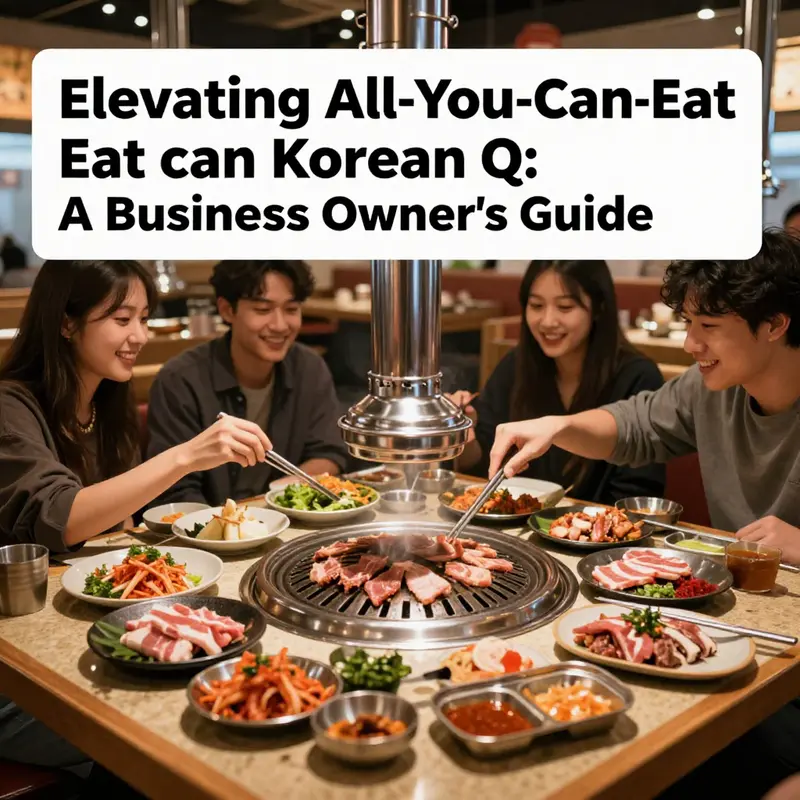
The all-you-can-eat Korean BBQ experience is transforming dining culture beyond mere quantity. It holds the potential to cultivate an engaging atmosphere where culinary integrity, interactive gaming, and unique dining environments intertwine. In this exploration, culinary professionals will gain insights into how focusing on high-quality ingredients and authentic techniques can foster customer loyalty and satisfaction. We’ll dive into the impact of digital experiences, exemplified by games like Overcooked! All You Can Eat, and examine the varying environments of dining that enhance customer engagement and enjoyment. By aligning business strategies with these trends, owners can successfully attract and retain diners in an evolving market.
Grill, Gather, and Sustain: The Integrity Behind All-You-Can-Eat Korean BBQ
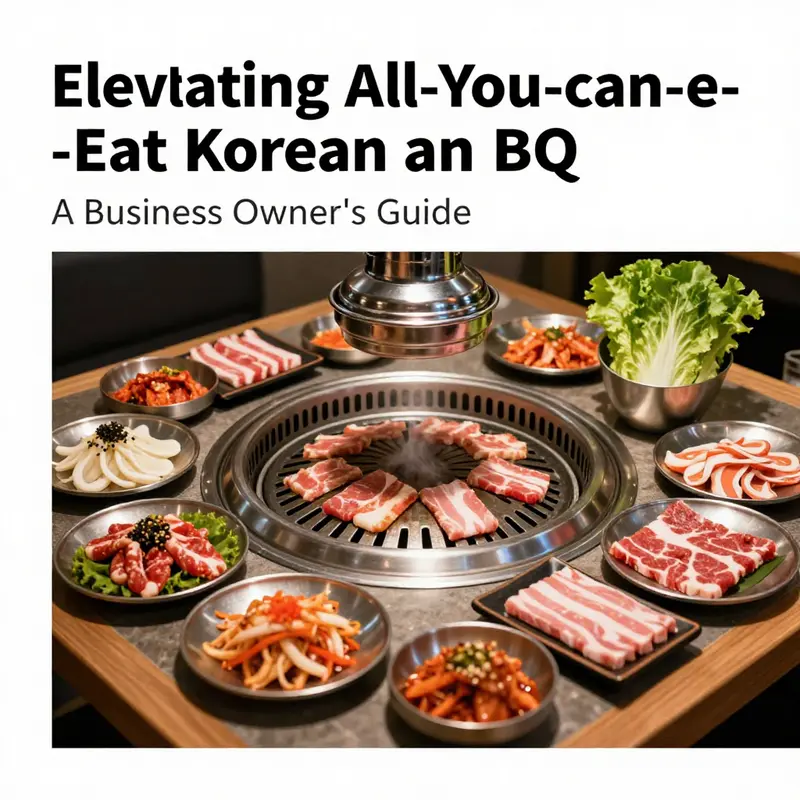
The all-you-can-eat Korean BBQ experience, when approached with culinary discipline, reveals a rare balance between abundance and authenticity. It is not merely a test of volume but a test of technique, sourcing, and hospitality. In this kind of dining, the grill at the center becomes more than a tool; it is a stage where flavors are invited to mingle, sear, and settle into a chorus of textures. The real measure of integrity lies in how a venue treats the moment: the moment when a raw cut meets a hot surface, when diners wrap meat with crisp lettuce and perilla, and when a bowl of ssamjang adds depth without overpowering the meat’s natural character. This is where the all-you-can-eat format can transcend cliché and become a gastronomic education in balance.
A cornerstone of this integrity is uncompromising sourcing. Even within a buffet framework, reputable places emphasize fresh cuts, careful marination, and consistent preparation. The best selections—thinly sliced beef for quick sear, juicy pork belly, and well-trimmed chicken thighs—arrive with a promise of uniformity. It is not about presenting a never-ending parade of options; it is about ensuring that every plate that lands on the grill or on the table carries the same standard. The ritual of rounds—meats replenished in steady, deliberate intervals—helps prevent waste and keeps occasions hot and flavorful. Diners can trust that the emphasis remains on quality over sheer quantity, a trust built through transparent practices and steady execution.
Equally vital is the role of banchan, the array of side dishes that accompanies the main meats. A well-curated spread provides balance, texture, and brightness. Crunchy kimchi, peppery greens, vinegared radishes, and soft, comforting stews all play a part in tempering richness and guiding palate transitions. The aim is harmony: a bite of fatty meat paired with a crisp leaf, cooled by a tangy pickle, followed by a touch of garlic and a dab of ssamjang. In this sense, the practice of unlimited sides becomes not a distraction from quality but a deliberate orchestration of flavor. The integrity of the meal rests on the continuity between the grill, the banchan, and the wrappers that carry everything together into a single, satisfying mouthful.
The dining experience itself is a study in cultural preservation. Tabletop grilling preserves the communal spirit of Korean barbecue—the shared responsibility of feeding the group and the intimate joy of watching meat sizzle and curl at the touch of heat. It invites diners to participate rather than observe, turning a meal into a collaborative performance. In many respected venues, this participatory character is reinforced by staff who understand the rhythms of service: timely refills, thoughtful pacing, and unobtrusive guidance on how to structure a meal from start to finish. The act of wrapping, dipping, and savoring becomes a ritual, a small ceremony that reinforces memory alongside taste. In this light, the unlimited format gains cultural depth rather than diluting it.
This integrity must also contend with sustainability and responsibility. The best operators design their program to minimize waste while maximizing freshness. Meat arrives hot and sliced for immediate cooking, with careful attention to portioning and circulation. A thoughtful beverage and salad program can complement the feast, offering hydration and brightness that keep diners from feeling overwhelmed by richness. The result is an experience that feels generous without becoming indulgent, accessible without sacrificing craft. It is the paradox that defines modern all-you-can-eat Korean BBQ: abundance governed by discipline, warmth guided by technique, and inclusivity balanced by a respect for ingredient integrity.
For readers exploring where to experience this balance, a practical marker is the consistency of the dining room experience—how swiftly chefs replenish plates, how reliably banchan and greens appear, and how the grill remains a stage for high-quality cooking rather than a test of endurance. Those who seek a model of integrity may note the quiet confidence that comes from transparent sourcing and practiced hands on the grill, rather than a simple spread of choices with little recursion. If you are curious about options that strive for this balance near you, you can explore a representative sample here: all-you-can-eat-korean-buffet-near-me.
Ultimately, the all-you-can-eat Korean BBQ experience, at its best, celebrates more than quantity. It honors the texture of each bite, the cadence of service, and the shared joy of a meal well-made. When quality, culture, and community align, unlimited dining becomes a deliberate act of culinary integrity rather than a mere buffet. It is a reminder that abundance can be crafted with care, so a feast remains memorable for its flavor, its technique, and its sense of belonging. For those seeking broader context on industry perspectives and dining trends that inform this balance, an external resource offers thoughtful observations on how culture and commerce shape Korean cuisine today: https://www.koreatimes.co.kr/www/news/food/2026/01/175.html
Digital Plates, Endless Bites: Reimagining All-You-Can-Eat Korean Through a Frantic Virtual Kitchen

The phrase all-you-can-eat has long been a passport to abundance, a lure for crowds and a test of appetite. But when that idea migrates from a buffet line into a frantic digital kitchen, the meaning expands. Here, unlimited plates become a canvas for rhythm, cooperation, and cultural nuance rather than sheer volume. The all-you-can-eat concept in a chaotic cooking game reframes indulgence as collaboration: a shared tempo where timing, communication, and every tiny decision matter as much as the final bite. In this sense, the digital interpretation of Korean dining twofold—both playful and precise—offers a fresh lens on what an endless menu can teach about taste, teamwork, and tradition. The premise, stripped of the buffet’s predictable glide, pushes players to choreograph a dance of stations, orders, and timed deliveries, turning the screen into a microcosm of a bustling, flavor-forward kitchen.
What makes the experience distinctly Korean, even in a non-koreanized format, is the way complexity and restraint coexist. Korean cuisine thrives on contrasts—sweet with spicy, raw with roasted, crisp with yielding textures—and this balance translates beautifully into the game’s mechanics. Each round forces players to switch roles, manage multiple recipes, and foresee how a single misstep at one station will ripple through the entire kitchen. The urgency is never about waste but about precision—like ensuring a tender slice of meat meets a glossy glaze and a crisp, cool bite of pickled vegetables in a single, well-timed sequence. The digital world, with its bright, saturated visuals and remastered textures, amplifies the sensory tempo without losing sight of technique. Even the most frenetic moment can feel purposeful when a well-timed move aligns a sizzling pan, a bubbling broth, and a plate that travels through the line with a satisfying clack of order slips.
This interpretation also leans into the idea of a festival rather than a mere set of rounds. The game’s updates and modes, including festival-style stages and remastered graphics, turn the kitchen into a continuous showcase rather than a one-off sprint. It is not just about serving endless dishes; it is about composing an edible score where each beat—whether a sear, a stir, or a dash of sesame oil—contributes to a unified flavor narrative. The interplay between speed and care mirrors the dining room’s real-world energy, where guests savor a spectrum of textures and sauces as part of a designed sequence, not random happenstance. The result is a compelling mirror of dining culture: a space where abundance invites exploration, but mastery comes from listening, coordinating, and honoring the integrity of each component.
In this frame, the digital kitchen becomes a bridge to tangible experiences. For readers curious about how all-you-can-eat Korean concepts manifest beyond screens, real-world venues offer a spectrum of options—variety, quality, and a sense of relaxed, social dining. These spaces balance vast ingredient lists with curated grilling standards, ensuring that abundance does not erode authenticity. The contrast between on-screen chaos and in-person calm makes the game’s appeal more intelligible: both formats promise a shared, jubilant meal where the preparation matters as much as the plate. The extended, multi-dish workflow invites players—and diners alike—to appreciate the choreography behind a mouthful of flavor, from the marbled bite of meat to the bright lift of a crisp banchan accompaniment.
The digital interpretation also invites a meta-awareness about language and experience. The title itself uses the familiar all-you-can-eat phrase to signal endless possibilities while reframing them as a cooperative puzzle rather than a queue to overindulgence. This shift aligns with contemporary dining that prizes depth over simple quantity: a plate layered with intention, texture, and cultural reference. As players navigate the virtual kitchen, they internally map the Korean culinary ethos onto a different stage, testing how far coordination can go when the clock ticks and every action counts. It is a reminder that the essence of all-you-can-eat—shared joy, abundance with restraint, and a journey through flavors—transcends the medium. It lives in the laughter of teammates, the satisfaction of a well-timed order, and the subtle, repeated nod to tradition in a modern, accessible format.
For those who want to explore the idea in a tangible way, the concept extends beyond screens to a broader curiosity about how diverse cuisines cultivate communal dining experiences. The digital frame offers a spark: a playful argument for how cultural authenticity can endure within a high-energy, screen-based setting. In both worlds, the message stays consistent—good food, shared joy, and endless flavor await, when care and cooperation steer abundance rather than sheer volume. Readers who crave a deeper dive into related culinary experiences can follow a linked exploration of regional all-you-can-eat Korean offerings. all-you-can-eat-korean-bbq-san-mateo. For a broader sense of how these ideas translate into play and culture on the digital stage, the ongoing conversation continues beyond the table with resources that chart the evolving relationship between cuisine and interactive entertainment.
External references can illuminate the game’s design and its appeal to players seeking teamwork, quick thinking, and shared accomplishment. To dive into the official exploration of the digital kitchen’s limits and its festival flavors, see the external resource here: https://store.steampowered.com/app/1398750/OvercookedAllYouCanEat/.
Tables Without Borders: The Global Tapestry of All-You-Can-Eat Korean Dining
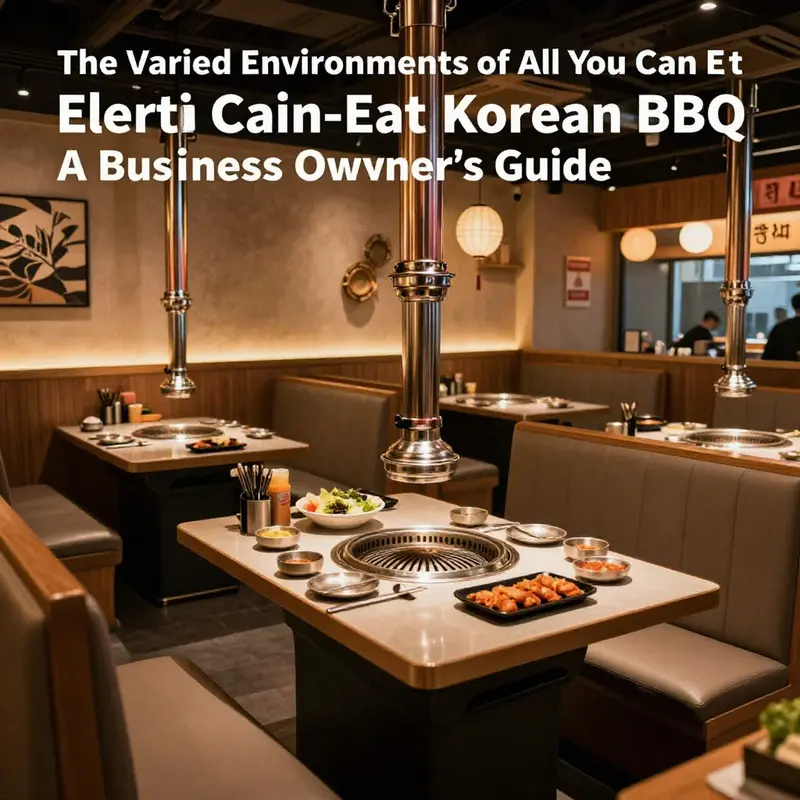
The all-you-can-eat Korean dining landscape has evolved from a stereotype of volume and hurried indulgence into a nuanced, globally attuned ritual. Across continents and cityscapes, AYCE concepts hinge on balance: abundance without waste, crowd-pleasing technique without sacrificing ingredient integrity, and the kind of communal pacing that encourages shared plates and conversation. In this sense, the AYCE model becomes less a buffet and more a culinary itinerary, where diners move through textures and flavors the way a playlist moves through moods. The environment matters as much as the grill. It shapes expectations, guides the flow of dishes, and invites a sense of belonging, whether in a bustling urban center or a spacious suburban dining hall. The heart of the experience stays constant—seasoned meats, crisp banchan, and sauces that deepen the core traits of Korean grill cuisine—but the setting can magnify those traits in surprising ways.
In Kuala Lumpur, AYCE Korean concepts lean into a social, contemporary atmosphere where Bulgogi Bibimbap and Tteokbokki anchor the menu. The emphasis isn’t simply on more food, but on more moments: the sizzle as marinated proteins touch the pan, the chorus of side dishes that balance heat and sweetness, and the shared joy of piling plates with friends and family. Fresh ingredients and house-made sauces elevate even familiar cuts, while the banchan range—from pickled vegetables to savory mash—acts as a curated palate cleanser, inviting diners to pace themselves rather than race to the finish. The space itself is designed for communal dining, with a rhythm that invites conversation, laughter, and a sense of ritual that makes a long meal feel satisfying rather than excessive.
Across the United States, AYCE Korean dining often adopts a hybrid model that blends accessibility with craft. A self-serve display of marinated proteins, vegetables, and bases meets a kitchen where experienced cooks grill items to order on flat-top surfaces. This arrangement ensures consistent heat and caramelization, preserving flavor and texture even as the bowl fills with more choices. The experience values efficiency and approachability—families, groups, and casual diners can assemble meals quickly without sacrificing the opportunity to savor expertly seasoned meats and thoughtfully prepared banchan. The pacing remains crucial: diners are reminded to savor the moment and not chase quantity, allowing the kitchen’s technique to shine through the steady rhythm of grilling, rest, and bite.
In Shanghai, the AYCE scene emphasizes value and breadth. Menus can present a wide array of marinated meats, vegetables, and side dishes at approachable prices, creating an entry point for locals and visitors alike. Large, open kitchens and a lively, almost festival-like energy mirror the fast-paced urban environment, making the meal feel like a cultural event rather than a mere dinner. The emphasis on variety meets a practical desire for affordability, yet the best venues balance this with careful sourcing and a respect for the essence of Korean flavors—glossy sesame oils, tangy gochujang, and the bright brightness of kimchi—so that quantity never overshadows quality.
In Japan, the AYCE format often blends Korean boldness with Japanese precision. Venues in major cities offer high-quality meats and inventive additions within a space that is clean, organized, and hygienic. The service tends to be meticulous, reflecting Japanese hospitality standards, while the food leans into the drama of the grill—thin slices of beef, carefully marinated offerings, and occasional house specialties that echo regional tastes. Even as the environment supports rapid dining, the emphasis remains on texture, temperature, and balance, ensuring that the meal sustains its character across long conversations and multiple rounds of grilling.
Across these environments, a common thread remains: abundance paired with culinary integrity. The best AYCE Korean experiences curate banchan—small plate accompaniments—that temper richness and invite a conversation about flavor, texture, and nostalgia. They pace service to honor both the appetite and the palate, and they design spaces that feel welcoming rather than overwhelming. For travelers and locals alike, the model offers a chance to explore regional personalities within a shared culinary framework. A concrete example of this variety in one locale can be explored here: All-You-Can-Eat Korean BBQ in San Mateo.
Ultimately, the AYCE Korean dining story is less about quantity and more about taste, texture, and culture—the way a meal can become a communal ritual rather than a solitary feast. It invites diners to move through a sequence of flavors, to share in the craft of marination and grilling, and to celebrate the social nature of Korean dining. As environments shift—from bustling city floors to more intimate rooms—the core promise persists: good food, shared joy, and endless flavor await. For a broader context on Korean barbecue traditions, see a detailed external resource on the subject: https://en.wikipedia.org/wiki/Korean_barbecue.
Final thoughts
The all-you-can-eat Korean BBQ model represents a shift towards integrating quality, engagement, and culinary excellence. An emphasis on high-quality ingredients fosters customer loyalty, while innovative digital experiences expand the potential for communal fun, as seen in games like Overcooked! The varied dining environments also play a significant role in enhancing customer experiences, further enriching the overall value proposition of owning a Korean BBQ establishment. By embracing these elements, business owners can create memorable and authentic dining experiences that resonate with patrons, ensuring success in this competitive landscape.