
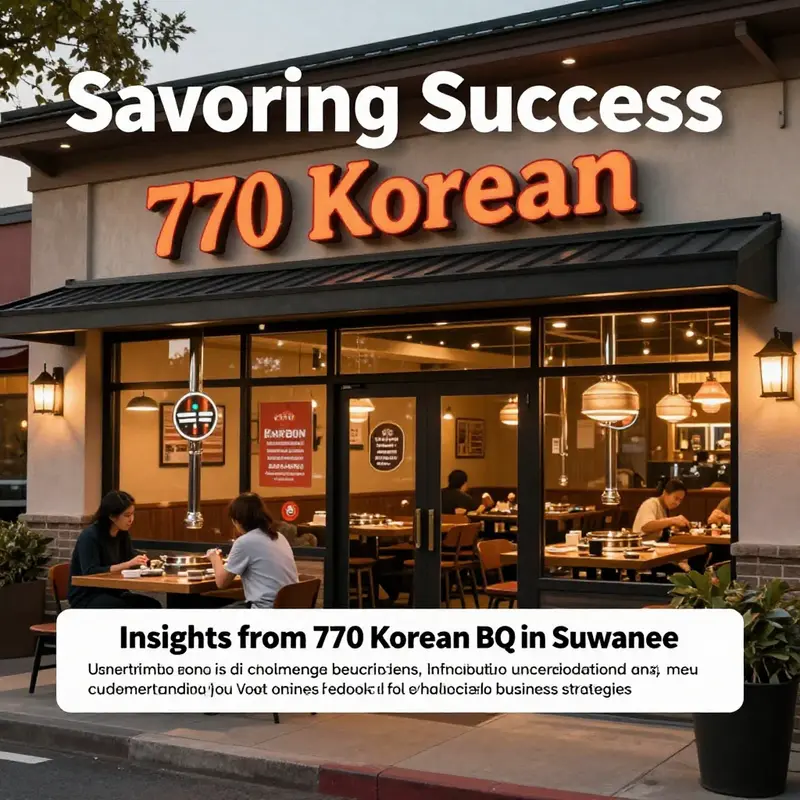
Located in Suwanee, Georgia, 770 Korean BBQ has carved a niche within the local dining scene, making its mark as a preferred destination for BBQ enthusiasts. Despite facing the challenge of being temporarily closed since May 3, 2025, the restaurant’s unique blend of flavors and culinary experiences has left a lasting impression on its patrons. Understanding the intricate details of its menu and dining experience, alongside customer service insights, can provide valuable lessons for business owners in the hospitality industry. This article delves deep into the essence of 770 Korean BBQ, sharing insights on its menu and dining ambiance, as well as the customer feedback that can guide businesses in refining their service offerings.
Flame, Flavor, and Community: A Tasting Journey at 770 Korean BBQ Suwanee
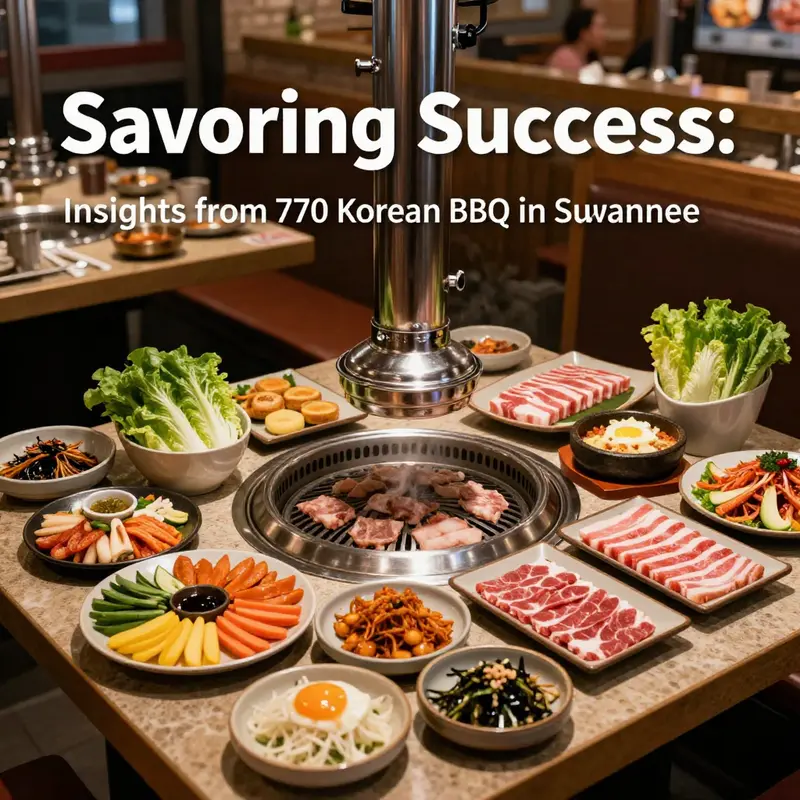
Suwanee, Georgia is a quietly busy suburb where neighborhoods spill into parks, and dinner often means a table that invites conversation as much as it invites appetite. Nestled at 80 Horizon Dr, Ste 601, 770 Korean BBQ sits in a space that feels both contemporary and welcoming, a restaurant that promises a grilling ritual as much as a meal. The moment you step inside, the open kitchen becomes a stage, the clatter of metal tins, the sizzle of a hot grate, and the soft hum of conversations turning into shared laughter. The dining room is designed for ease and endurance—the kind of place where a family gathering can stretch into a late night, and a business dinner can soften into a more relaxed, partner-friendly atmosphere. The staff moves with practiced, unhurried efficiency, guiding the table through a familiar choreography that makes the experience feel both celebratory and comfortable. This balance—between excitement around the grill and a pace that respects conversation—defines the core of what 770 Korean BBQ offers to Suwanee and its surrounding neighborhoods.
Menu alone cannot tell the whole story of the experience here, but it offers a reliable map of the journey you’re about to undertake. The restaurant’s concept centers on premium cuts of meat that guests grill at the table, allowing each person to tailor the cooking to their own preference for tenderness and sear. The ritual begins with a murmur of anticipation as the grill comes to life and the first plumes of steam lift from a plate of marinated meat. Short Rib leads many conversations with its crowd-pleasing tenderness. At $27.99, this cut arrives with a marinade that blends soy, garlic, and pear—enough sweetness to brighten the beef’s natural savoriness without overpowering it. The effect is immediate: a crust forming at the edges as juices retreat and then surge back with every flip. The Prime Ribs, priced at $31.99, appeal to diners who savor marbling and a deeper, more robust flavor profile. Their presence on the grill is a reminder that Korean barbecue is as much a celebration of fat as it is of meat, a dance between heat, time, and the attentive hand of the grill master who sits just at the edge of your table, ready to adjust flame and rhythm as needed.
For lovers of more assertive bites, the Spicy Pork Belly at $34.99 offers a bold choice. The glaze—fiery, sweet, and finished with a kiss of sesame—latches onto the pork in a way that makes each bite a tiny, flavorful revolution. It’s a dish that invites small, deliberate bites so the palate can register the smoke, the heat, and the glaze’s glossy lacquer. Meanwhile, Beef Brisket remains available upon request, a nod to those who admire a cut known for tenderness and umami. It’s a quiet reminder that the kitchen trusts its ingredients enough to let guests signal a desire for a texture that speaks to their personal preference.
What elevates the experience beyond a plate of meat is the generous array of banchan, those smaller side dishes that Korean cuisine treats as essential conversation partners to the main event. Kimchi—bright, slightly tart, and alive with peppery heat—sits alongside pickled radish that snaps cleanly with a refreshing bite. A light slate of seasoned spinach adds a counterpoint to the heavier meats, a reminder that balance is a cornerstone of good Korean dining. The banchan here are not hurriedly replenished; they are thoughtfully refreshed throughout the meal, so diners feel a sense of continuity rather than a momentary, single-service pass. The effect is cumulative: every bite of kimchi becomes a memory, every scoop of rice a small anchor, and every platter a shared canvas.
The kitchen team does not stop there. Fusion dishes surface as welcome deviations from the central program, giving the table a chance to explore textures that complement the traditional profile. A Korean-style fried chicken contributions to the table bring a crisp, peppery heat that punches through fat and smoke in a way that makes it an ideal app or a shared starter for the table. A kimchi pancake adds a savory, bronzed crescent of flavor that invites dipping and conversation, especially when paired with the lighter, more delicate sauces that sit alongside the main plates. These additions awaken the palate with contrasts—crisp versus tender, spicy versus mild, charred edges versus velvety centers—and they illustrate how 770 Korean BBQ embraces both tradition and playful interpretation.
For guests who want a shared, all-encompassing experience, family-style platters offer another path through the menu. The Bibimbap Combo and the Mixed Grill Platter arrive as a chorus of flavors that can be sampled in a single sitting. Each platter is a microcosm of the restaurant’s approach: a confident blend of meat and vegetables, a careful balance of textures, and a presentation that invites conversation as much as it invites appetite. The Bibimbap, in its own way, becomes a social ritual—a colorful bowl that invites each diner to mix, taste, and narrate their choice of toppings, a small culinary story told in bite-sized chapters. The sharedness of the dining experience is not incidental here; it is a designed feature that reinforces the sense of community that Korean barbecue often inspires.
The dining experience is as much about the service as it is about the food. Guests repeatedly report friendly and professional service, with staff members who track the flow of the meal with a sense of anticipation rather than a need to rush. Attentive and thoughtful, they check in to assist with grilling, refill drinks, and replenish banchan when needed. This level of care adds a layer of hospitality that helps transform a table of friends and family into a more intimate celebration of togetherness. In a space where the grill is a central focus, the human touch remains essential, guiding guests through etiquette that may feel unfamiliar to newcomers while presenting a steady, reassuring presence for those returning for a familiar, comforting routine.
The atmosphere aligns with the menu’s dual aim: modern comfort tempered by a sense of warmth. The interior feels modern and clean, with soft lighting and a relaxed vibe that makes it easy to linger without feeling crowded. The open kitchen is more than a design choice; it is an invitation to witness the artistry that goes into each dish. Watching chefs work the grill, flip sides, and glaze pieces of meat offers a form of theater that enriches the dining experience. It is the kind of space where families celebrate a milestone, colleagues unwind after a long week, and couples share a private moment at a table large enough to accommodate conversation while still feeling intimately close to the action on the grill.
The practical rhythm of this Suwanee destination is also worth noting. Weeknights often present a steady flow of guests, while weekends bring higher demand. The kitchen and the floor work in tandem to manage that rhythm with a calm confidence. The restaurant’s capacity is comfortable, ensuring diners do not feel rushed during peak hours, yet the energy never stalls into silence. Reservations are strongly recommended, especially on Saturdays when the calendar tends to fill with birthdays, anniversaries, and celebratory gatherings. The need for planning reflects the restaurant’s popularity, which in turn speaks to the consistency of the experience offered—an experience that keeps guests returning and bringing friends along to share the table.
An element of curiosity for visitors is the broader context of this Suwanee location within the regional dining landscape. The city’s mix of families, professionals, and students creates a demand for a dining experience that can accommodate different rhythms—an intimate dinner for two or a rowdy table of six that wants to savor a long, multi-course meal. 770 Korean BBQ manages to occupy a space that feels both premium and approachable, with prices that reflect the quality of ingredients and the level of service without becoming intimidating to newcomers. The result is a restaurant that invites first-timers to lean into the experience and encourages regulars to explore beyond their favorites, trying a new cut or a different banchan with each visit.
For readers who want to explore related menu ideas outside of the Suwanee locale, there is a broader conversation to be had about how Korean barbecue restaurants curate their offerings and how menus can pair grilled proteins with complementary dishes in creative ways. A particularly relevant resource that captures the fusion approach some menus adopt—the idea of marrying grill-driven flavor with sushi and other contemporary influences—is the Korean BBQ and Sushi Menu. This link provides a sense of how some menus expand the concept beyond the grill, offering a broader spectrum of textures, sauces, and combinations that can inspire a visit to a place like 770 Korean BBQ in Suwanee, where the focus remains on the core grill experience while still inviting curiosity about the wider Korean dining repertoire. Korean BBQ and Sushi Menu
The chapter would not be complete without acknowledging the practical realities of dining in a popular spot. The status of the business, the public’s perception, and the practicalities of hours and availability can shift, especially in a vibrant dining scene. As of May 3, 2025, the listing on a major review platform flagged the restaurant as temporarily closed. This snapshot emphasizes a simple truth in food culture: even beloved venues can experience interruptions, whether due to renovations, staffing, or other operational adjustments. The takeaway, for diners and writers alike, is to verify current hours and status before planning a visit and to appreciate a place’s resilience when it reopens and resumes its rhythm. The restaurant’s broader reputation—its ranking among hundreds of local options, and the steady stream of diners who return for the textures of marinated meat, the warmth of banchan, and the sense of communal enjoyment around the grill—remains a compelling argument for experiencing the scene firsthand when the doors are open.
In sum, 770 Korean BBQ Suwanee offers a dining experience that sits at the intersection of craft and comfort. The ingredients are chosen with care, the marinades are balanced with restraint, and the cooking is performed with a generosity that makes grilling feel like a shared ritual rather than a solitary task. The banchan and fusion options widen the narrative, inviting guests to move beyond the expectation of a single star dish and to appreciate the meal as a sequence of moments—moments of crisp, caramelized edges; moments of peppery brightness; moments of soft, steaming rice that hold it all together. The service, the setting, and the communal tables all contribute to a sense that dining here is less about a single plate and more about a memory being formed around a table where fire and friendship meet. For anyone in the Suwanee area seeking a dinner that invites conversation as much as it rewards the palate, this is a restaurant that deserves consideration, a place where the grill’s glow makes a memory worth returning to.
External reference: https://www.tripadvisor.com/RestaurantReview-g33528-d12859568-Reviews-770KoreanBarbecue-SuwaneeGeorgia.html
Smoke, Service, and Satisfaction: Reading Customer Feedback at 770 Korean BBQ Suwanee
Stepping into 770 Korean BBQ Suwanee, one encounters a dining experience that reads as much from the stickiness of the grill as from the warmth of the staff. The setting is in Suwanee, Georgia, tucked into a neighborhood where families and friends gather for long meals that stretch from midday into late evening. The address, 80 Horizon Dr, Ste 601, Suwanee, GA 30024, anchors a venue that keeps the flame alive from Monday through Sunday, 11 AM to 11 PM. In the chorus of Suwanee’s diverse dining scene, this restaurant has carved out a reputation that rests not only on the sizzle of the grill but on a consistently attentive service style that many guests describe as friendly and helpful. The feedback loop surrounding this place is far from abstract: it is a portrait painted in words by diners who linger over a plate and a moment. And while the restaurant’s digital footprint can shift—the Tripadvisor listing has marked it as temporarily closed at times, with reports as of May 3, 2025—the gist of the in-person experience remains a focal point for readers who want to understand what makes a Korean BBQ outing feel both reliable and satisfying.
The most resonant notes in the feedback center on the meat itself. Across reviews, the quality of the meat rises to the top as a defining strength. Diners frequently highlight the cuts as well-presented and consistently fresh, with descriptions that speak to a level of care in sourcing and preparation. The praise isn’t just about the raw material; it extends to the marbling, the balance of fat and tenderness, and the way each cut responds to the grill. In a dining format where guests can be overwhelmed by choice, the assurance that the meat is reliable and enjoyable becomes a quiet anchor for the entire meal. A recurring sentiment from those who visited is that there are few complaints about the meat as a whole, which, in practice, translates to a sense of trust. When a table can order a variety of meats and feel confident that each option will hold its own, the experience moves beyond simple indulgence to something more dependable and comforting.
Flavor, too, is a common thread that threads through the feedback. Diners describe the overall taste as exciting, a word that captures the immediacy of flavor when meat meets hot grill and is coaxed to the right level of sear. The immediacy of the aroma, the caramelization at the edges, and the way salt and seasonings come through in a clean, bright way create a sense that the kitchen understands balance. When a plate arrives with a spectrum of taste—beefy richness, delicate pork, perhaps a hint of char from the grill—the dining party often finds themselves savoring the moment rather than rushing forward. In a meal that moves with the pace of the grill and the diners, flavor becomes a guide, helping guests navigate the menu with confidence and curiosity. A notable attribute that mates well with the strong flavors is the absence of any persistent or unpleasant smells. Reliable aroma control is not trivial in a Korean BBQ setting, where the mingling scents of sesame oil, charcoal, and beef can easily overwhelm the senses. Diners frequently note that the meats here carry a clean profile, with little to no lingering odor after cooking. This odor control signals not just freshness but also technique—how quickly meat is seared, how carefully it is handled, and how well the grill is maintained during service. The result is a dining room where the experience feels fresh rather than heavy, allowing conversation to flow and plates to circulate without distracting sensory clutter.
Equally central to the chapter on customer perception is the service framework that supports the eating moment. Service is described as friendly and helpful, a tone that radiates through the dining room from the moment guests enter to the moment they depart. Diners notice staff attentiveness in practical terms: greetings that are warm without being performative, explanations of the process, and a pace that respects both speed and savoring. One of the more distinctive elements of the experience is efficiency—the sense that service moves with a rhythm that keeps the table energized without feeling rushed. It’s common for staff to move swiftly between the grill and the table, checking on the grill, refilling banchan and beverages, and ensuring that the cooking workflow stays smooth for the guests.
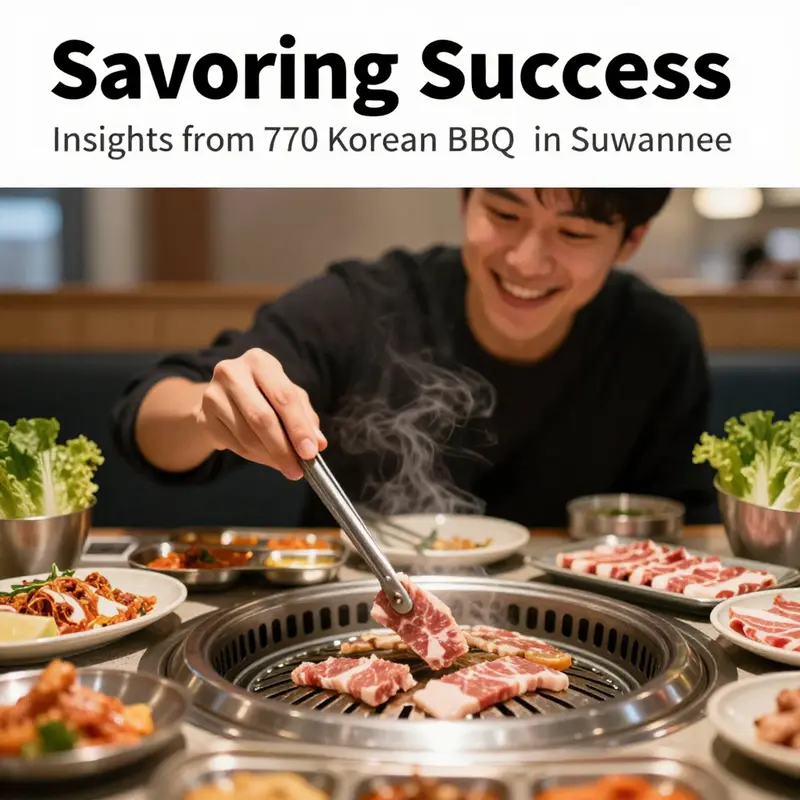
Perhaps the most unique aspect of the service model at this Suwanee location is the way cooking is orchestrated. In several accounts, the waiter takes the reins of the cooking process, leaving guests with the simple joy of selecting which meats to savor and when to savor them. The idea—simplifying decision fatigue while ensuring a high standard of cooking—appeals to guests who value both guidance and reliability. The waiter’s role in grilling elevates the experience from a casual DIY barbecue to a curated, chef-supported activity. Guests can relax as the grill becomes the locus of interaction, watching the prepared meats transform under expert timing and technique. This dynamic also reduces the risk of undercooking or overcooking, which can otherwise derail a meal in a self-service or semi-self-service format. The effect is a dining environment where conversation and companionship can flourish around the table, rather than around the grill itself. When a guest is not worried about management of heat or timing, the meal becomes more social and immersive, allowing the flavors to take center stage while the staff ensures coherence in the cooking process.
The overall impression of the restaurant, as gathered from the available feedback, is one of coherence between meat quality, flavor complexity, aroma management, and service efficiency. The numbers attached to this perception reinforce the qualitative sense: a solid 4.5 out of 5 rating based on 11 reviews suggests a certain consistency and a high level of guest satisfaction. When combined with a respectable ranking—32nd out of 217 restaurants in Suwanee on Tripadvisor—the impression is that this is not merely a place that can deliver a good meal, but a venue that earns it through steady performance across multiple dimensions. These metrics matter in a crowded market, where diners often filter choices not merely by the novelty of dishes but by the reliability of the experience. The combination of meat quality, flavors that feel alive on the palate, an odor profile that feels clean, friendly and capable service, and a cooking process that turns the grill into a performance, creates a narrative of trust. Diners carry that trust forward in their future visits, and it is precisely this trust that often converts a first-time guest into a repeat customer.
Within this context, a small but meaningful thread appears when considering how service models evolve in different markets. The approach where a waiter handles the cooking aligns with a tradition of hospitality that emphasizes guidance and assurance. It allows guests to revel in the choices before them—the assortment of meats, the timing of grilling, the pace of the meal—without needing to master the grill on their own. The experiential takeaway, then, is not simply the quality of the meat but the sense of care embedded in the service. Diners leave with the impression that the kitchen and the front of house have synchronized goals: provide excellent meat, present a flavor profile that is both approachable and exciting, and facilitate a dining rhythm that makes the meal feel like a sequence of well-timed moments rather than a single long block of eating. The effect is a setting that invites conversation and companionship, where the grilling becomes a shared adventure rather than a solitary chore.
This integrated experience resonates with readers who seek a trustworthy benchmark for what good Korean BBQ should feel like in a suburban city setting. The story of 770 Korean BBQ Suwanee is not simply about the dishes on a plate; it is about the choreography that supports those dishes—the way staff step in to manage the grill, how they anticipate needs, and how they balance efficiency with warmth. In this sense, the feedback becomes a map for understanding how service design can elevate a meal beyond the sum of its meats. A walk through the restaurant’s social signals—how staff interact with guests, how often they check on refills, how swiftly the grill is tended—offers a functional lens through which one can assess the reliability of the experience. The restaurant’s positioning within Suwanee’s bustling dining landscape depends on this reliability, and the feedback suggests a solid, if not iconic, performance.
For readers who want to place this experience in a broader frame, one can consider how service models in other markets compare to the Suwanee approach. A related exploration of Korean BBQ service dynamics in another region sheds light on how the balance between guest autonomy and guided cooking can significantly shape expectations. In particular, a comparative example from a different market illustrates how a similar model—where a server takes charge of cooking—can improve consistency and reduce friction for first-time visitors who may not be familiar with the grill choreography. This parallel helps explain why diners respond so positively to a service pattern that emphasizes attentiveness and a shared cooking journey. See for instance the discussion of Korean BBQ in Moreno Valley, where the service model similarly centers the grill as a collaborative space between guests and staff, translating into a dining experience that feels both guided and relaxed. Korean BBQ in Moreno Valley.
In the end, the chapter of feedback from Suwanee’s 770 Korean BBQ is a reminder that the simplest elements—the quality of the meat, the clarity of flavor, the absence of unwelcome aromas, the courtesy and efficiency of service, and a well-managed cooking process—can cohere into a dining experience worth seeking out. The micro-dynamics at the grill may seem small, but they accumulate into a macro impression that diners carry with them. The restaurant’s ability to deliver on several fronts—meat integrity, flavor allure, odor control, service friendliness, and cooking deftness—creates a durable, multi-layered story that resonates with customers. And while the business status on certain platforms may fluctuate, the narrative that emerges from those who have visited remains instructive: when these elements align, a meal becomes not just something to pass the time but something to remember and to share with others who value a well-executed, attentive Korean BBQ experience.
For readers exploring how a local restaurant translates feedback into practice, the Suwanee example provides a clear case of the value of consistent meat quality paired with a service model that makes cooking a shared, almost ceremonial, activity. It is a reminder that the heart of the dining experience often lies not in the novelty of the menu but in the quiet competence of the people who stand behind the grill, ready to guide, to refill, and to ensure that every bite lands with the confidence that comes from careful preparation and mindful hospitality.
Final thoughts
770 Korean BBQ in Suwanee serves as a model for restaurants wanting to thrive in a competitive market. By carefully curating their menu and focusing on the dining experience, they have garnered a loyal customer base, as evidenced by their Tripadvisor ranking. Potential business owners can glean important lessons from their successes and areas needing improvement. Emphasizing quality, ambiance, and attentive service not only captures the essence of dining out but also holds the potential for enhanced customer satisfaction and success. By engaging with patrons and actively seeking their feedback, businesses can adapt and flourish, creating experiences that resonate and encourage repeat visits.