
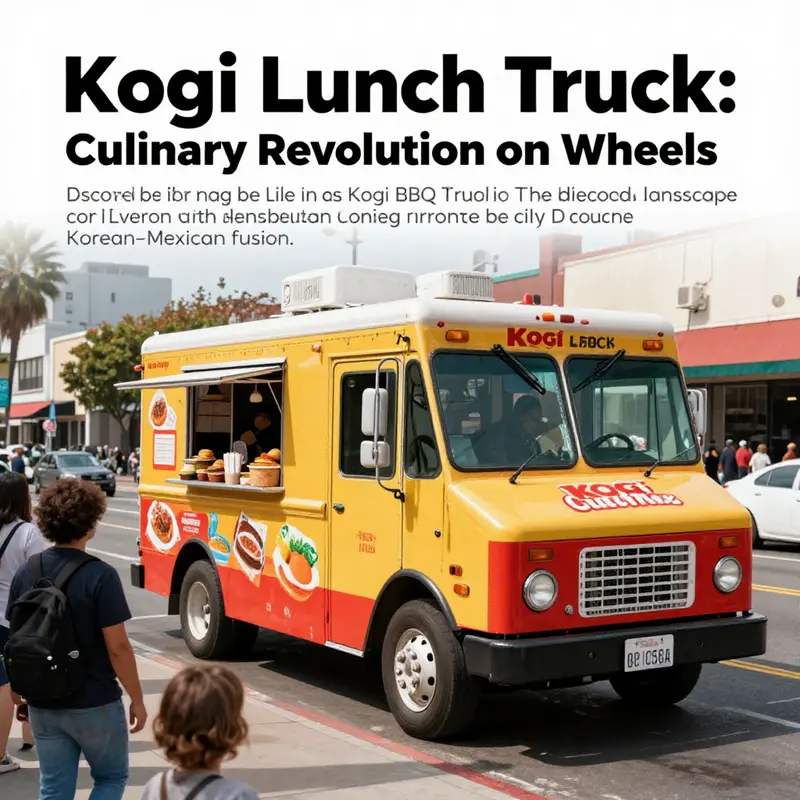
In the bustling streets of Los Angeles, a culinary phenomenon emerged that would redefine mobile dining and food trends across America. The Kogi BBQ Truck, founded by chef Roy Choi in 2008, introduced a groundbreaking fusion of Korean BBQ and Mexican flavors, captivating taste buds and reshaping perceptions of street food. This introduction sets the stage for exploring three pivotal chapters: the birth of Korean-Mexican fusion cuisine, the cultural impact of Kogi on U.S. food trends, and the economic success that evolved into a beloved brand. Each chapter will provide insights into how innovative cuisine can create new markets and drive entrepreneurial success.
Kogi Lunch Truck: The Birth of Korean-Mexican Fusion Cuisine
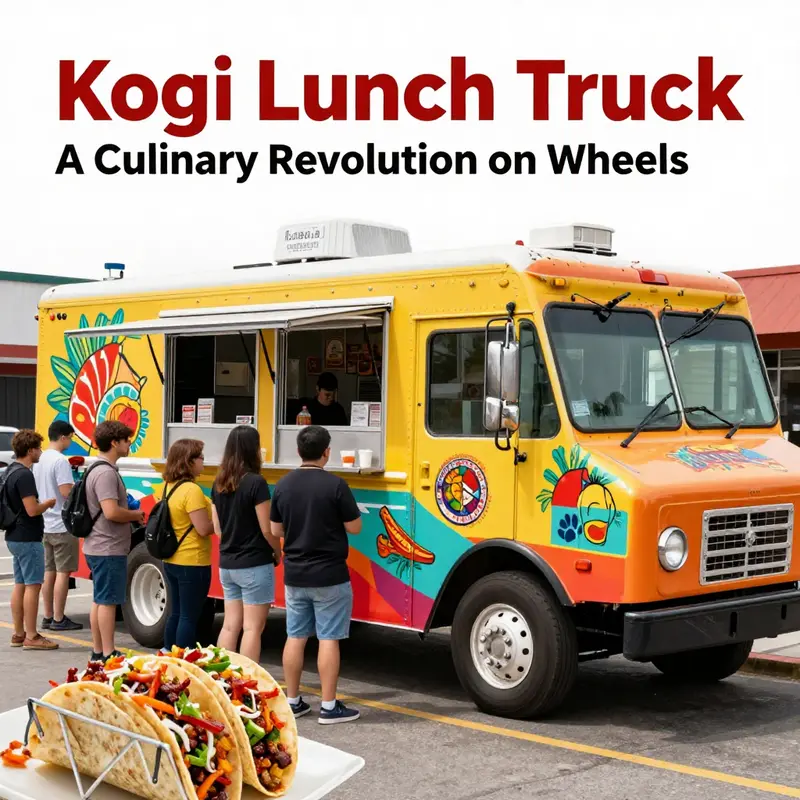
On a sunlit corner in Los Angeles in 2008, Roy Choi stood behind a modest cart and rewrote the rules of street dining. He was a Korean-American chef who believed food could travel across cultures as easily as people do on the city’s crowded sidewalks. The idea was simple in spirit but radical in effect: take the bold, fermented notes of Korean barbecue—marinated meat, smoky sesame, and a chorus of garlic and paste—and pair them with the familiar, handheld ease of Mexican street food. The result was not a single dish but a philosophy, a way of cooking that invited curious palates to negotiate between two continents without leaving the curb.
The truck did not invent Korean flavors in a vacuum; it invited them into a dialogue with the Mexican taco, a staple that Americans already understood as a portable, personal meal. The carrier for this conversation was a tortilla, crisp at the edges and pliable enough to fold around a warm filling. The fillings carried savory sweetness and bright acidity, while a lively, peppery heat lingered at the back of the palate. The method behind it emphasized bold contrasts: tender, caramelized meat meeting tangy kimchi and a crema with a kick of spice. It was texture as much as taste—a crisp shell, a soft interior, and the crackle of kimchi adding a bright snap.
The effect was immediate and disarming. A diverse, young, and urban audience found in this approach something both familiar and thrilling. It felt like street food liberated from the old stereotypes of what “authentic” should look and taste like. Instead of practicing a singular culinary tradition, the creation encouraged a shared appetite for experimentation. It spoke to immigrant experience as much as to everyday city life, showing how personal history can become a communal feast when imagination meets the road. The truck turned a night run into a mobile classroom, teaching observers that boundaries in cuisine are not walls but invitations to taste something new.
The entrepreneurial courage of this venture also reshaped how people think about food commerce. A single, nimble vehicle could test ideas, refine them in real time, and scale up when demand proved the concept durable. The story extended beyond the plate: it became a case study in how to build a brand from the street, how to leverage social dynamics and word of mouth, and how to transform a transient moment into a lasting cultural footprint. The fusion approach inspired others to rethink the spectrum of what counts as lunch, snack, or supper on urban blocks, prompting a broader wave of mobile concepts that blended culinary lineages in unexpected ways. For readers who trace menus across neighborhoods, the impulse is recognizable — a willingness to draw on local produce, global flavors, and a sense of play. This ethos resonates with the broader culinary conversation seen in diverse menus like Korea BBQ and Sushi Menu.
As the movement matured, it also encouraged a rethinking of gastronomy’s geography. The kitchen’s mobility meant chefs could chase high foot traffic, not just limited dining rooms. It mattered that the concept thrived on the street’s rhythm: the late afternoon sun, the shift from office to evening socializing, the shared table that emerges when a line forms. The truck’s success proved a point that remains relevant today: flavor can be both deeply personal and universally appealing when it is anchored in technique and courage. For those charting the arc of food innovation, the story offers a template—humility, speed, willingness to fail, and the capacity to listen to a city’s appetite. In subsequent years, this approach would ripple outward, influencing countless pop-ups, mobile concepts, and fusion-forward menus across the country. To explore how this conversation has evolved, consider related discussions on regional menu pairings such as Korea BBQ and Sushi Menu.
External resource: Food & Wine article
Fusion on Wheels: How a Korean-Mexican Street Truck Rewrote American Palates
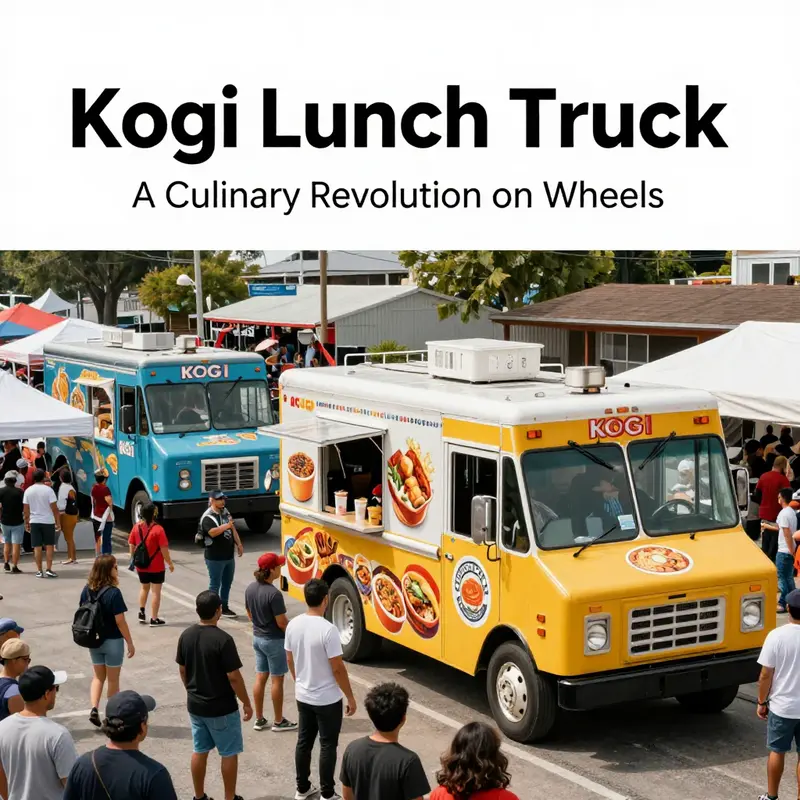
In the mosaic sprawl of Los Angeles, a small mobile kitchen offered more than a quick bite. It carried a bold premise: fuse Korean barbecue with the taco, and do it with the energy of street culture. The idea grew from an immigrant chef who understood two truths: a city thrives when different flavors cross paths, and a hungry crowd loves a story they can taste. The truck delivered both, in a compact, efficient form that could roll through neighborhoods as easily as a conversation changed by someone who brings new ingredients to the table. The resulting dishes blended the smoky punch of marinated meat with bright slaw, sesame, and gochujang heat, wrapped in tortillas or tucked into burrito-like vessels. It was not merely a meal but an invitation to rethink what a street menu could be: intimate, adventurous, and proudly urban. Over time, critics watched as lines formed along the boulevard, families paused near murals, and neighbors swapped tips about where to find the best pairing. The atmosphere on the curb grew into a social ritual, a place where strangers traded stories as eagerly as they traded bites.
People did not just buy food; they joined a dialogue about culture, identity, and possibility. By choosing a familiar format—the handheld meal—yet loading it with unfamiliar flavors, the truck invited mainstream diners to encounter origins they might not have explored before. The tasting did not require special occasion; it fit a busy afternoon, a late shift, or a weekend stroll. The kitchen imagined authenticity as a dynamic, evolving practice rather than a fixed script. In that sense, the street menu became a classroom where neighbors traded notes on textures, heat, and balance, and where even skeptical tasters left with new respect for a cuisine they once misunderstood. That approach also invited chefs to think of cooking as performance and conversation, not just instruction.
An equally important part of the story was how the truck spoke to people online. Real-time updates, location posts, and user comments created a citywide scavenger hunt, drawing crowds who wanted to be part of a live moment rather than simply eat. This approach transformed marketing from a brochure into a relationship, one that rewarded curiosity and persistence. It lowered barriers for would-be entrepreneurs who lacked expensive real estate yet possessed a clear vision: bring flavor to the street, tell a story, and let the audience decide how the idea should grow. Across the country, dozens of imitators followed, each remixing the core concept to suit local tastes and supply chains, widening the conversation about what fusion could mean in everyday life. It became a case study in rapid adaptation and collaborative networks.
Beyond taste, the movement reshaped attitudes toward immigrant cuisines. No longer relegated to the niche or the exotic, these traditions entered mainstream discourse as viable, adaptable, and community-friendly. The fusion model showed that authenticity could stay intact while borrowing techniques, ingredients, and presentation from other kitchens. It encouraged a broader respect for craft in street labor and elevated the moral of street food as a source of cultural pride, not just convenience. The truck’s public presence—its lines, its interactions with diners, its riffs on regional ingredients—turned eating into an occasion for discovery. It also connected disparate neighborhoods through shared meals, turning a curb into a cultural corridor. Cities began to reexamine zoning and street-use policies to accommodate more such pop-ups.
With that shift came a generation of cooks, students, and vendors who saw food as a platform for social connection. The streets became laboratories where ideas could be tested and shared, and where a single cart could spark collaborations with farmers, artists, and organizers. The result was a more inclusive narrative about who creates culinary culture and where stories are told. The lesson endures: mobility plus openness enables cuisine to travel while retaining memory. For readers curious about a contemporary example of this kind of practice, explore korean-bbq-in-moreno-valley. In urban life, flavor becomes a shared responsibility and a chance to reimagine how neighborhoods sustain themselves.
Ultimately, the cultural imprint extends beyond flavor. It reframes the question of audience, place, and scale. It demonstrates that a small, portable kitchen can alter how cities imagine dining, shopping, and community gathering. It invites future experiments that respect origin while inviting collaboration across neighborhoods and markets. The broader arc is clear: cuisine becomes a shared language that travels on wheels, inviting everyone to contribute. The street truck story is not a footnote but a blueprint for designing edible experiences that are as informative as they are delicious, as bold as they are welcoming, and as local as they are global. Seen together, these shifts suggest a culinary landscape that prioritizes openness, collaboration, and shared memory over exclusivity. The road ahead invites many more voices. External reading: https://www.foodandwine.com/roy-choi-kogi-bbq-food-truck-revolution
From Street Cart to Culinary Icon: The Economic Rise and Brand Evolution of Kogi Lunch Truck
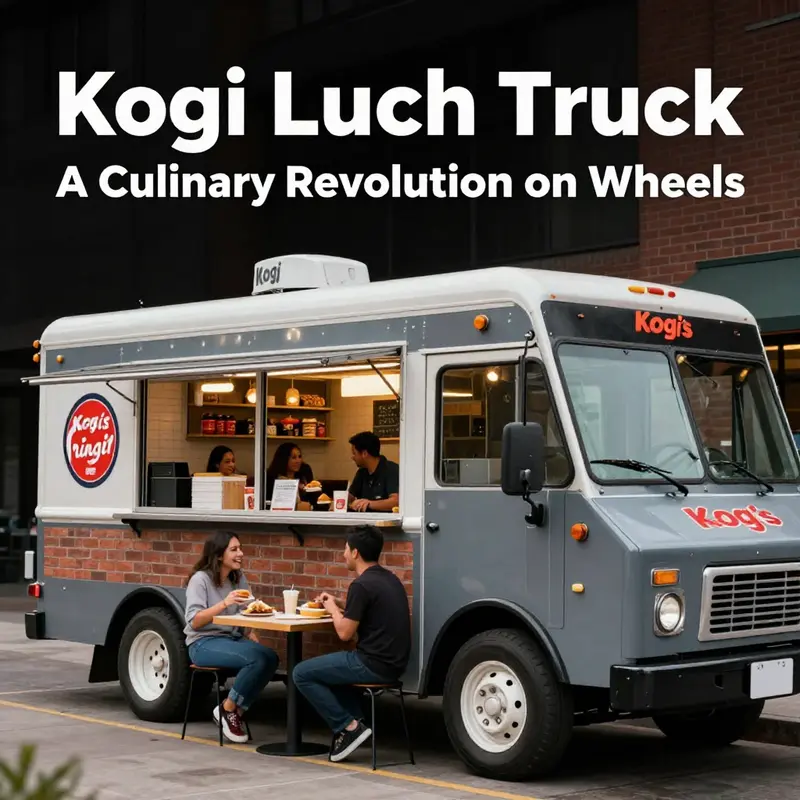
Long before food trucks became a fixture of urban culture, Kogi’s Korean BBQ Taco Truck began as a bold experiment in crossing borders, both culinary and commercial. Roy Choi’s concept fused Korean barbecue with Mexican street tacos, creating a mobile kitchen that strolled through Los Angeles’ neighborhoods and transformed lunchtime into a shared event. The menu centered on the short rib taco—a thinly sliced, marinated beef with lettuce, shredded cabbage, a chili salsa, and a bright cilantro relish—an arrangement that tasted familiar yet startlingly new. The power of this simple combination lay in its timing and accessibility: premium flavors presented at an everyday price point, delivered with speed and theater as the truck rolled to another curbside rendezvous.
Economics followed aesthetics. Ben Bergman of NPR highlighted that Kogi didn’t just sell food; it sold a value proposition built on high quality ingredients—twenty-ingredient marinades, natural meats—priced around two dollars. This blend of gourmet taste with affordability disrupted the traditional restaurant model and drew press attention from BBC, The New York Times, and Newsweek. The message was clear: luxury flavor could travel. The real time promise of freshness—dine now, possibly sell-out soon—made the product feel exclusive even when the price remained accessible. The mobile format also reduced overhead and allowed experimentation that a brick-and-mortar kitchen might smother. In a city known for its dense competition, the truck became a test bed for what a brand could be when culinary craft, logistics, and culture intersected.
Brand as process. The engine wasn’t just the recipe but the choreography of each day. Kogi leveraged digital tools to narrate its whereabouts and stockouts, using Twitter and its site to post real-time updates and Chef’s Specials that rotated at a pace that rewarded early followers and curious newcomers alike. The Black Jack Quesadilla, among others, offered a sense of spontaneity and reward, a limited edition aura that translated into word-of-mouth currency. This approach created a loyal community around an ever-changing, theater-like menu rather than a static menu board. It was a new grammar for street food: a conversation with customers as much as a plate of food, conducted in public, transparent about sourcing and style, and tuned to the rhythms of the urban day.
As the buzz grew, Kogi evolved from a single truck into a broader brand ecosystem. Collaborations, pop-ups, and eventually a brick-and-mortar concept showed how mobility could seed sustainability. The arc culminated in recognition from culinary institutions, including a James Beard Award for Choi, which cemented the idea that a kitchen-on-wheels could redefine national cuisine narratives. LAist has noted Choi’s candor about his mother’s influence on his cooking and the mythologized pricing of restaurants, underscoring the personal dimension at the heart of the brand. A central thread was authenticity: the stories of family recipes, calibrating spice, and balancing budget constraints with culinary ambition. Meanwhile, the brand’s footprint grew with markets beyond its cradle. The narrative of Kogi—how a cart became a cultural phenomenon—became a case study for entrepreneurs who want to blend art, commerce, and community. For expansion to other cities, see Kogi San Diego.
To this day, the Kogi story resonates because it treats a truck not as a temporary stop but as a platform for ongoing dialogue with urban diners. Its evolution into a recognizable brand did not erase the magic of the first curbside nights but amplified it through consistent storytelling, rotating menus, and a sense of journey. The idea that a mobile kitchen could influence pricing norms, supply chains, and culinary aesthetics continues to inform how new food ventures think about scale without sacrificing character. The lesson, more than anything, is that branding is a living recipe: it requires listening, adapting, and daring to redefine what a street-food idea can become when it travels and evolves.
Expanded markets and the diaspora of the Kogi model demonstrate the portability of its framework. The equation of cuisine as story remains central as new generations of chefs borrow the playbook: regionally sourced meats, seasonally rotating specials, and digital storytelling that invites participation. The Kogi Lunch Truck’s trajectory shows how a hungry city can be remade by a taste that travels fast, remembers well, and plans for the future with deliberate play. The lessons reverberate through the broader food landscape, urging entrepreneurs to balance craft with community, and to treat each curb as a chance to write the next chapter of a living brand.
External resource: https://www.nytimes.com
Final thoughts
The Kogi Lunch Truck encapsulates the power of innovation and cultural fusion in the food industry. By merging the rich flavors of Korean BBQ with the familiarity of Mexican tacos, Kogi not only created a culinary sensation but also sparked a broader movement in food entrepreneurship and mobile dining. As the brand continues to evolve, it serves as an inspiring case study for business owners looking to harness creativity and cultural diversity to forge new paths in their industries. The journey of Kogi reinforces that sometimes, the most extraordinary ideas can come from the simplest concepts, urging entrepreneurs to think outside the box.