

Korean BBQ offers not just grilled meats but an immersive dining experience that combines flavors and textures beautifully. The right accompaniments can significantly enhance the tasting journey, ensuring that each bite is balanced and memorable. This article examines the critical role of fresh vegetables and essential side dishes—known as banchan—in creating the ultimate Korean BBQ experience. Each chapter delves into these elements, showcasing their importance, traditional use, and how they work together to complement the richness of grilled meats.
Balancing Fire and Freshness: Fresh Vegetables as the Pulse of Korean BBQ

The skillet of heat crackles and releases a scent that says grilling, urgency, and indulgence all at once. In Korean BBQ, the meat often steals the spotlight with its smoky richness and sizzling aroma, but the true orchestration happens when fresh vegetables enter the scene as partners, not spectators. They temper, brighten, and lift the heavy savor of the meat, turning a feast into a carefully balanced experience where texture, temperature, and taste move in harmony. Fresh vegetables are more than side dishes; they are instruments that sculpt the rhythm of the meal, offering cool relief between bites, crisp counterpoints to the fat, and crisp, verdant notes that linger long after the grill has quieted. The best gatherings around the grill treat vegetables as essential performers, not mere support actors, and this perspective transforms how you plan and enjoy a Korean BBQ night at home or in a restaurant.
At the heart of this balance are the wraps—ssam—that let you bundle a bite with a whisper of green, a dot of heat, and a splash of sauce into one, satisfying, portable mouthful. The wrappers most people reach for first are crisp, leafy greens: lettuce and perilla leaves. The lettuce acts as a cool, refreshing vessel that cools the mouth after the first smoky kiss of the meat. It provides a gentle, clean texture that lets the meat’s spice and the tang of sauces shine without any competing bitterness or heaviness. Perilla leaves, sometimes described as sesame or purple perilla, carry a distinct herbal note—slightly minty, a touch mint-chive-like—that brightens the assembly and helps cut through richness in a wonderfully fragrant way. When you wrap a piece of meat with a few garlic slivers, a shred of green onion, and a dab of ssamjang, you get a bite that lattice-links savor and aroma in a single motion. The experience is less about piling sauces and more about creating a fresh counterpoint that resets the palate for the next, equally indulgent bite.
Beyond the leafy wrappers, a chorus of vegetables on or off the grill contributes color, texture, and moisture in complementary ways. Shishito peppers arrive with a hint of sweetness and a mild heat that’s easy to manage, making them ideal for blistering on the grill alongside the meat. When charred just enough, they blister in a dozen tiny portholes of blackened skin, releasing a smoky sweetness that echoes the meat’s own caramelization. They also provide a snap that contrasts with the soft, yielding texture of grilled pork or beef, so your plate holds interest from first bite to last.
In the same family of light, accessible vegetables, zucchini and bell peppers bring moisture and a gentle sweetness that deepens with searing. Slices of zucchini, when given a moment on the hot surface, surrender their water and become lightly caramelized; their tenderness acts as a bridge between the crisp greens and the smoky meat. Bell peppers, with their shallow walls and bright pigments, bring crunch and a gentle sweetness. They’re a reminder that heat can mellow acidity and turn peppers into a mellow, almost honeyed counterpart to meat’s savor. These vegetables don’t overpower; they enliven, offering a bright counterweight when a plate feels heavy with protein.
Then there are the kitchen favorites that turn the meal more robustly into a feast of textures. Onions—whether sliced into rings or prepared as thin rounds—bring a crisp bite when fresh and an almost grilled sweetness when lightly caramelized. They wake the palate and refresh the senses between bites, so the next mouthful feels new again rather than a repeat. Onions also carry a natural savor that plays nicely with garlic-based sauces and sesame oil, helping to mellow sharp notes and round the overall flavor spectrum.
Two ingredients often overlooked in casual writeups are the mushrooms and the more delicate eggplant. Shiitake mushrooms deliver a deep, savory umami that can soak up the marinade and the ambient grill smoke. When cut into thick slices and given time on the grill, they become meaty, almost robust pockets of flavor that stand up to soy-focused seasonings and peppery sauces. Eggplant, with its soft flesh and spongy texture, absorbs marinades and sauces more eagerly than many vegetables, becoming a velvety partner to the beef’s boldness. A few slices grilled to tender completion provide a pleasing contrast to the crisp wrap of lettuce or perilla. The combination of mushrooms and eggplant on the grill invites a gentle slow-cook sensation that rounds out the meal rather than simply accompanying it.
Together, these vegetables create a spectrum of texture and temperature that keeps the meal vibrant. The cool, crisp greens counterpoint the heat of the grill and the richness of the meat; the slightly sweet peppers and onions contribute brightness; and the mushrooms and eggplant offer depth and a soft, comforting bite. Such variety is deliberate, reflecting a broader culinary principle in Korean cooking: balance between hot and cold, fat and light, protein and plant-based elements. Fresh vegetables fulfill multiple roles at once—nourishing, textural, and culinary—while never overshadowing the star of the show: the meat’s sizzle and flavor.
Preparing and presenting these vegetables is where the artistry of Korean BBQ truly shines. It’s common to grill an assortment of vegetables right beside the meat, letting their sugars caramelize and their surfaces blister. This parallel cooking not only saves time but also builds a layered tasting experience. The smoke from the grill rises and mingles with the natural sweetness of the vegetables, creating little, edible time capsules of flavor: a charred edge here, a crisp leaf there, a squirt of citrus-soaked sauce somewhere in between. The act of wrapping meat with a crisp piece of lettuce, a single shishito, and a smear of ssamjang is a microcosm of balance—hot, cool, spicy, sweet, crisp, and soft in one gently rolled bite.
Of course, the vegetables’ role extends beyond wraps. The banchan that arrive free with Korean BBQ meals often include a handful of fresh and pickled vegetables that provide quick palate cleansers and lightness between denser plates. A slice of cucumber here, a petite rectangle of kimchi there, or a spoonful of blanched bean sprouts all work in concert to refresh the mouth and reset the senses. This is not simply about variety; it’s about nuance—the way a single bite changes from tangy to soothing, from sharp to mellow, allowing the meat’s flavors to keep revealing themselves with each mouthful.
The practice of incorporating vegetables in this way is deeply seasonal and personal. Seasonal vegetables not only taste better but also align with a shared rhythm of eating that Korean culinary culture embraces: the obligation to honor freshness and present a range of textures and flavors that can be enjoyed in different combinations. A cook who respects the season will swap in zucchini when it’s at its peak in late summer and will reach for peppers and onions when their sweetness is at its most pronounced in autumn. The technique is straightforward but thoughtful: grill a mix of vegetables to create a palette; taste and adjust with a touch of garlic, a drizzle of sesame oil, or a dab of soy to arrive at a new bite each time. The goal is to cultivate a sense of discovery, not a fixed routine.
For readers who want to explore deeper into the practice and philosophy of fresh vegetables with Korean BBQ, a related resource on wraps and shabu-shabu highlights the same joy of assembling small bites with precision and care. You can explore more about the way wraps and vegetables function in these contexts at kochi-korean-bbq-shabu-shabu. This page offers practical guidance and inspiration for building similar experiences around a grill, emphasizing how vegetables can be used to modulate heat, balance bold flavors, and create a cohesive, dynamic dining moment: kochi-korean-bbq-shabu-shabu.
As you design a Korean BBQ spread, let the vegetables lead with a gentle hand. They do not merely accompany the meat; they conduct the meal. The crisp greens choreograph the rhythm, the peppers and onions punctuate with brightness, and the earthy mushrooms and eggplant deliver a comforting depth that makes every bite feel purposeful. The result is a dinner that feels balanced and thoughtful, a culinary meditation on how to make richness approachable, how to keep heat from becoming fatigue, and how to let freshness remind you why you love grilled meat in the first place.
External resource for broader context and cultural framing: https://www.bbc.com/food/articles/0q5q4v8m3k2w
The Chorus to the Sizzle: Korean BBQ Sides, Wraps, and Sauces
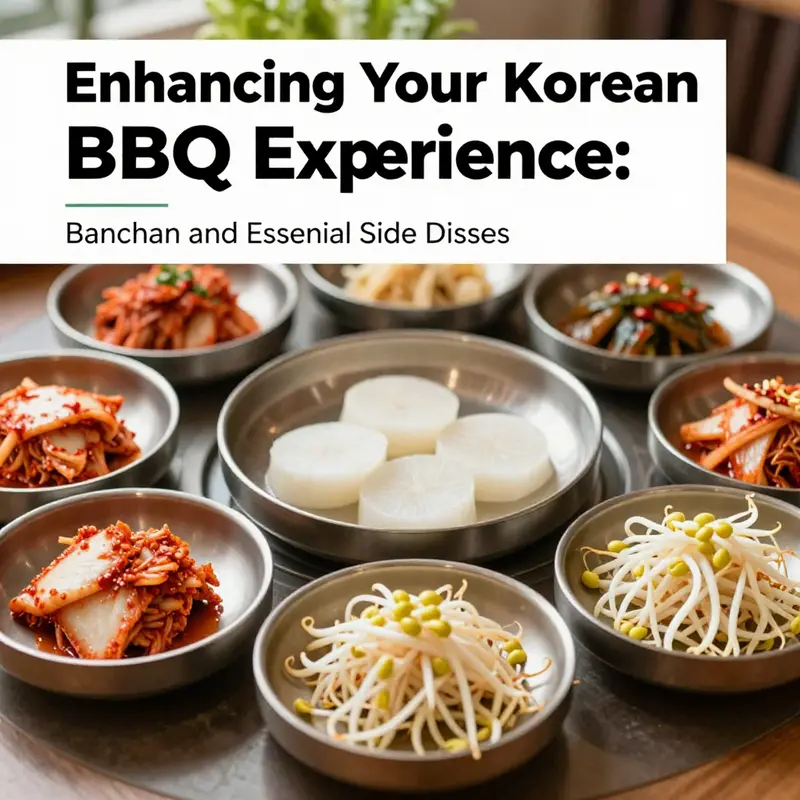
The grill is the undeniable centerpiece of Korean BBQ, but the evening truly comes alive through the chorus of accompaniments that ride alongside the meat. Each bite becomes a carefully choreographed balance of heat, fat, acidity, and cool refreshment. What you reach for beyond the sizzling sliced meats is not an afterthought but a core part of how the meal unfolds. The small dishes, the wraps, and the sauces don’t merely accompany the main event; they shape it, guiding texture and tone and helping the flavors stay bright even as the grill brings fat and spice to the forefront.
Banchan, the Korean term for the little side dishes that arrive with every table, is more than a gallery of flavors. It is the pantry of the tabletop, a ritual of contrast that lets you modulate every mouthful. A plate of tangy kimchi arrives with its signature kick, a bracing counterpoint to the meat’s richness. The pickled radish, crisp and bright, offers a spark of sweetness that snaps the tongue back from heat. Blanched greens, often spinach or zucchini, bring a mellow, gentle texture that eases the palate between heavier bites. Soybean sprouts, lightly dressed, introduce a light, almost nutty note that feels refreshing after a bite of char. These elements aren’t decorative; they provide the essential counterpoint that keeps the meal from tipping into heaviness. Each bite is a chance to reset the palate and re-engage with the grill from a new angle.
But the experience goes beyond the small plates. Korean BBQ is often enjoyed by wrapping portions of smoky meat in fresh leaves, a practice you’ll hear described as wrapping or ssam. The lettuce leaves—their mild, crisp coats—create a portable tray for a bite-sized combination: meat, a sliver of garlic, a dab of a savory sauce, and a leaf that acts as a natural vessel. Perilla leaves, with their herbal, slightly minty edge, add a bright, almost citrusy note that lifts the whole composition and helps balance the fat. The idea is simple: you wrap a little bundle, fold it, and bite through layers of texture—crisp greens, juicy meat, the bite of the raw garlic, and the warmth of a kick from the sauce. It’s not a single flavor; it’s a symphony of elements coming together in a compact, handheld moment. If you’re new to ssam, start with a lettuce-wrapped bite with a modest dollop of ssamjang, then add a sliver of garlic and a touch of the pickled radish for crunch. You’ll hear the sizzle in your mouth as the layers harmonize.
Sauces are another essential piece of the puzzle. Ssamjang, a thick, deeply savory paste built from fermented soybeans, chilies, sesame, and garlic, becomes the umami backbone that carries the meat into the realm of complex savoriness. A dip of ssamjang along with a dab of a clean sesame oil can transform a plain slice into something almost mineral in its depth. Gochujang, if you love heat, provides a molten core of warmth that doesn’t simply burn but broadens the flavor profile, letting the meat taste bolder rather than hotter. Garlic, crushed and sometimes mixed with a touch of salt or soy, isn’t just a flavor boost; it’s a digestive ally in Korean culinary lore, believed to aid digestion and even immune response. A simple drizzle of soy sauce and sesame oil completes the tableau, offering a salty-sweet glaze that invites another bite. The key to the experience is balance: you want enough intensity to enliven the meat, but not so much that the vegetables and wraps lose their voice. When in doubt, start with modest amounts of each component and adjust in small increments as you go. This careful layering is what turns a good meal into an evolving tasting journey rather than a series of repetitive mouthfuls.
Beyond the wraps and the sauces, the meal often folds in warming counterpoints like soups and stews. A hot bowl of kimchi stew or a soybean paste stew can act as a palate cleanser that also feeds the appetite between rounds of grilling. The kimchi stew, with its tang and heat, echoes the flavors of the kimchi on the table while adding a comforting backbone of tofu or pork. A doenjang-based stew brings a robust, savory depth that sits like a quiet anchor between eats, while a sundubu stew—silky soft tofu in a spicy broth—offers a creamy, vibrant finish that pairs beautifully with the crisp greens and the smoky-sweet meat. The intention here is not to overwhelm but to harmonize. A small bowl between sizzling moments gives your mouth a new stage, allowing the next bite to feel as fresh as the first. This is why many tables rotate between hot and cool, crunchy and soft, spicy and soothing in a rhythm that mirrors the cooking itself.
Staples make the structure of the meal tangible. A bowl of steamed white rice is the most reliable anchor, a means of soaking up sauces and balancing the salt and heat. It is a neutral stage on which more assertive flavors can perform. If the mood is lighter or the day is warm, cold noodles in a tangy broth offer a refreshing counterpoint that can cool the palate between rounds of grilling. These noodles, often made from buckwheat, bring a refreshing chew and a bright, acidic note that contrasts with the smoky meat. Rice cakes, chewy and subtly sweet, can appear as a playful option when the meal leans into spice and tang, especially when they’re stir-fried in spicy sauces or tossed with sesame oil. The takeaway is that the success of a Korean BBQ experience doesn’t hinge on the meat alone; it depends on how these staples anchor the meal and invite you to explore the flavors in a continuous, evolving way.
Even the drink choices—the non-alcoholic and the more traditional, rice-based options—play a part in shaping the course of the evening. A light, clean non-alcoholic tea can serve as a palate cleanser between bites, offering a hint of sweetness without swelling the palate with sugar. A traditional rice-based beverage, modest in sweetness and with a gentle acidity, can complement the heat and richness without overpowering the delicate greens or the freshness of the vegetables. The goal with any beverage is to provide a reset between the most intense flavors while allowing the aftertaste of garlic, sesame, and chilies to linger in a balanced way. Water remains a steady companion, never far away, to rinse the palate and keep the textures distinct from one another rather than blending into a single, heavy mouthful.
A final note on technique helps connect the preparation with the enjoyment. Don’t skip the garlic, a small but powerful ally in Korean culinary practice. It’s not merely a flavoring; it is believed to aid digestion and bolster immunity in traditional interpretations. When you combine a piece of meat with a leaf-wrapped bite, a kiss of ssamjang, a slice of cucumber for crispness, and a sliver of garlic for depth, you’re creating a multi-layered bite that lights up the senses. The sequence—wrap, add a touch of sauce, fold in some greens, and top with a crisp pickle—builds a memory in your mouth, one that makes the next round feel new again rather than repetitive. The experience grows with you as you learn to balance variables: the thickness of the meat, the richness of the sauce, the brightness of the greens, and the coolness of the pickled vegetables. This is the heart of Korean BBQ: a dynamic, shared ritual where everyone at the table contributes to the flow of flavors, textures, and warmth.
For readers who want to explore a broad spectrum of experiences beyond a single restaurant menu, consider how these elements appear across different venues. The ingredients and their purposes remain consistent, but the emphasis can shift with each table and chef. The core ideas of banchan variety, ssam, and ssamjang can be realized in different settings, while still capturing the essential balance that makes Korean BBQ so compelling.
As you move through the meal, you’ll notice that the small dishes, wraps, sauces, and stews don’t just accompany the meat; they amplify it. They invite you to play with combinations, to experiment with textures, and to pace the grilling so that every bite can be savored at the moment of its peak. The integrity of the experience lies in honoring both the heat of the grill and the cool, bright counterpoints that arrive in the banchan. When done well, the table becomes a chorus: crisp greens answering the sizzle, tangy kimchi punctuating the richness, and a carefully chosen sauce tying each bite into a shared, satisfying whole. The result is a meal that feels crafted, responsive, and alive—an authentic Korean BBQ experience where the sides are not merely accompaniment but essential partners in the dance of flavor, texture, and memory.
External reading for broader cultural context can deepen appreciation for these traditions. For a detailed look at traditional Korean side dishes and their cultural significance, you can consult an external resource that explores banchan in depth: BBC Food – Korean Banchan.
Final thoughts
Incorporating fresh vegetables and diverse banchan significantly enriches the Korean BBQ experience. These elements not only balance the rich flavors of the grilled meats but also introduce a spectrum of textures and tastes that enhance each bite. Understanding the role of these accompaniments allows business owners to optimize their menus and provide an unforgettable dining experience. By focusing on these essential pairings, you can meet customer expectations while showcasing the vibrant culture of Korean cuisine.