
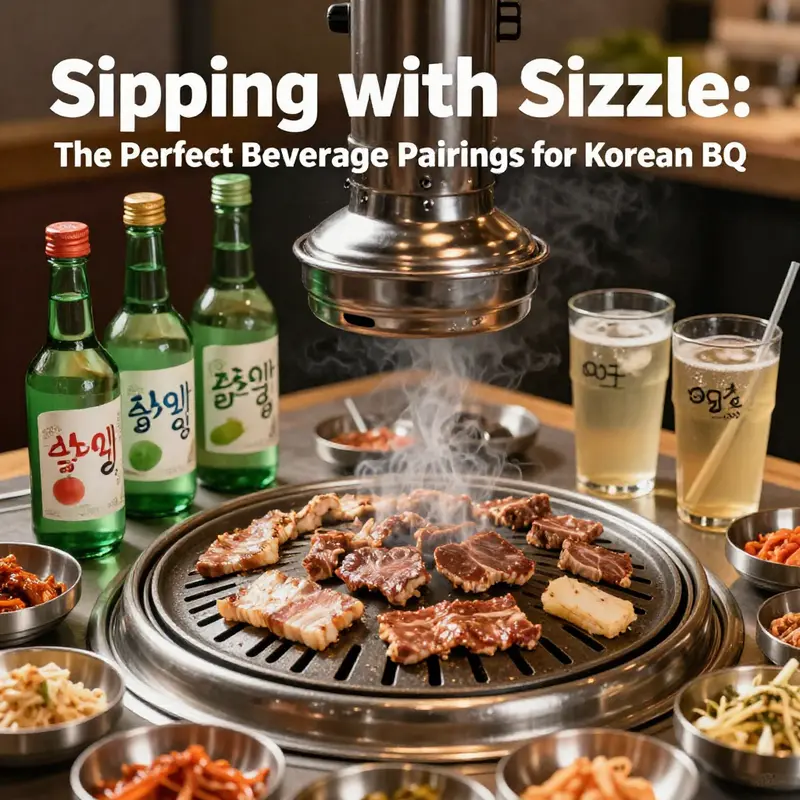
Korean BBQ is as much about the experience of sharing and enjoyment as it is about the delicious grilled meats. To enhance this flavorful culinary adventure, choosing the right beverage is crucial. Traditionally dominated by soju, the pairing choices are expanding as diners seek more varied experiences. In this article, we will delve into the essential drinks traditionally enjoyed with Korean BBQ, particularly the iconic soju. We will also explore modern trends in beverage pairings, such as the growing popularity of wine and other refreshing options. Each aspect will provide insights into how beverages can complement the bold and intricate flavors of Korean BBQ, making your dining experience even more enjoyable.
Glasses at the Grill: Evolving Pairings for Korean BBQ
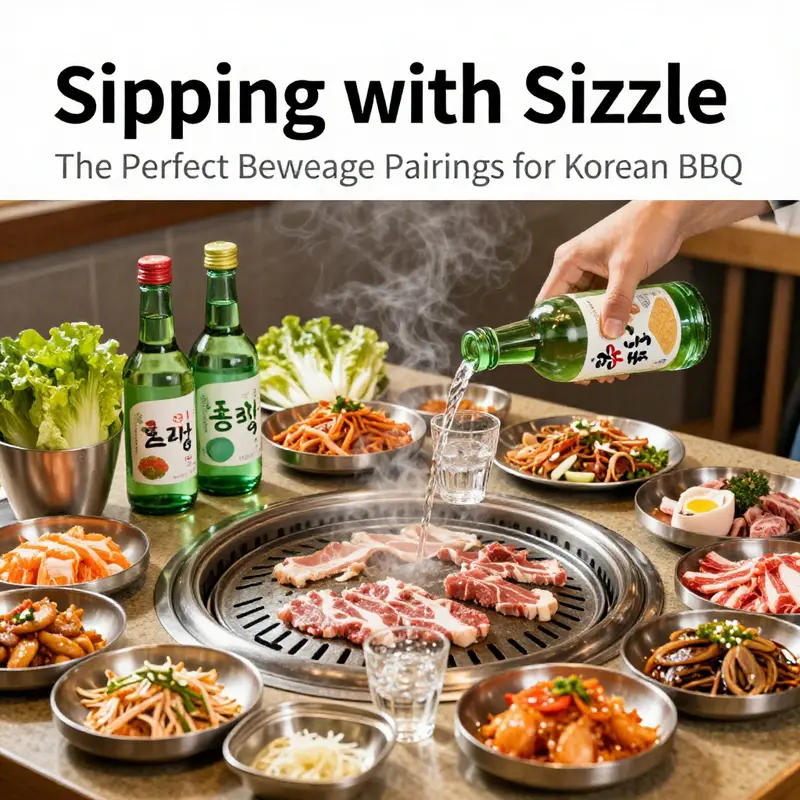
Around a Korean BBQ table, the grill is the centerpiece and the people gathered around it are the main flavor enhancers. The experience blends sizzling sound, aromatic marinade, and the casual ritual of sharing. In this setting, a beverage isn’t merely a liquid to drink; it becomes a companion that echoes the meal’s momentum. Traditionally, the iconic clear Korean spirit has long held the spotlight. It is a spirit that slides down smoothly, a quiet counterpoint to the bold, marinated meats. Yet the scene is changing. Diners in bustling neighborhoods and trend-forward streets are exploring how other drinks can harmonize with the sequence of bites, sips, and conversations that unfold around the grill. What matters most is not a single rule but a sense of balance—how the drink cuts fat, softens heat, and lengthens the moment of shared laughter after a particularly satisfying flip of the chopsticks.
The core idea remains simple: the beverage should neither overwhelm the food nor vanish into it. The clear Korean spirit, with its neutral profile and clean finish, originally served as the baseline pairing. It is approachable, modestly warming, and, when poured in moderation, encourages conversation without stealing the show. But the palate is not static, and neither is the table. When spice marks the barbecue, especially in marinades that fuse garlic, sesame oil, ginger, and gochugaru with a touch of sweetness, many diners lean toward red wine. The tannins in red wine act like a cleansing brush for fat, helping to carve through the richness of cuts like pork belly or deeply marinated short ribs. The wine’s structure—its grip on fat and its lingering fruit note—often complements the sear and the caramelized edges of the meat, lifting the smoky, charred flavors rather than masking them. In contrast, lighter wines find a home with more delicate proteins or with meals that include salad-like accompaniments and milder marinades. A white with crisp acidity can echo the brightness of scallions and sesame seeds, while offering a refreshing contrast to the meal’s heat.
For beer lovers, the option is equally thoughtful. A cold, refreshing beer can provide a palate-cleansing counterpoint to fatty cuts and a sharp counterweight to the saucy, savory glaze. The goal is not to drown out the grill’s smoke but to offer a cooling ripple that refreshes between mouths of meat. Alongside beer, non-alcoholic choices deserve a place at the table. Korean barley tea, or boricha, brings a nutty, roasted note that pairs with the meal’s salt and spice without adding sweetness or bitterness. It’s comforting, familiar, and surprisingly versatile as a baseline option. If the group is opting for a lighter, more acidic palate, soda water with a squeeze of citrus delivers effervescence that lifts the palate between bites. Fresh fruit juices, served with or without a splash of sparkling water, can provide a clean, bright finish that feels celebratory without being heavy.
This is not to diminish the social rituals that accompany the meal. The act of pouring for others, the careful two-handed gesture, and the chorus of cheers—건배 (geonbae)—are as much a part of the experience as the food itself. The beverage becomes a prop for connection, a signal that everyone is present and sharing in the moment. In many settings, the drink serves as a bridge between generations and personalities at the table, guiding conversation from the specifics of a well-seared rib to the memory of a late-night walk home through neon-lit streets. The ritual matters because it frames the meal as more than fuel; it is a social occasion built around hospitality and mutual respect.
As tastes evolve, so do the way we choose to pair drinks with Korean BBQ. The lure of wine in particular has grown in cities that celebrate culinary experimentation. Red wines with their tannins can meet the boldness of marinades, the umami of aged sauces, and the trans-chorus of garlic and sesame. White wines, with their brightness and mineral edge, can illuminate the lighter components on the plate, from crisp lettuce wraps to sesame-dressed vegetables. For guests who prefer something even lighter yet still sophisticated, a sparkling option can provide lift and a gentle acidity that cleanses the palate between bites, making the sequence of flavors feel brighter and more distinct.
Even with these shifts, the traditional spirit remains a common anchor for many tables. It has a historical texture and a cultural resonance that keeps it anchored in the dining ritual. However, the shift toward wine, beer, and non-alcoholic options demonstrates a broader principle: the best drink is the one that enhances your current mood, the specific dishes on your grill, and the company around the table. A shared meal in which everyone has a glass that suits their preference can be just as harmonious as a more uniform pairing. The goal is not to prescribe a single pairing but to offer a thoughtful toolkit for approaching the moment when flavors meet flame.
For readers seeking practical guidance on how to approach this from a dining room or a kitchen table, consider the plate’s narrative. Heavier, sweeter, or more intensely seasoned pieces call for a drink with enough structure to cut through the glaze and fat. Leaner cuts and more delicate sauces can stand up to lighter, crisp beverages that refresh between bites without overpowering the subtler notes of the meat. It’s a dialogue between the grill and the glass, where each course can reframe the next. And because this is a social experience, it helps to keep a few flexible options on the table: a bottle of red for the heartier cuts, a white for the milder flavors, a bottle of something sparkling or a chilled non-alcoholic option for those who prefer not to drink alcohol at all. The point is to maintain momentum and enjoyment, not to enforce a rigid rule.
As you settle into this approach, you might find it useful to explore complementary pairings that align with the table’s rhythm. If the menu includes a mix of marinated meats and fresh-side dishes, a balanced approach—one glass of red, one glass of white, one non-alcoholic option—can keep conversations flowing and the palate engaged. For the curious, there are also opportunities to consider how regional sauces alter the flavor map. Some sauces intensify sweetness, others lean into spiciness, and still others emphasize tart or smoky notes. Each of these shifts how a drink interacts with the bite, nudging the pairing toward a new harmony. For readers who want a tangible starting point, you can explore menus that pair Korean BBQ with a broader range of dishes, such as those that combine grill and sushi offerings Korean BBQ and Sushi Menu.
Ultimately, the best drink for Korean BBQ is the one that matches the moment: the mood of the guests, the rhythm of the grill, and the particular flavors on the plate. The tradition offers a sturdy anchor, while modern preferences invite experimentation. The result is a dining experience that remains deeply communal, celebratory, and personal. In this way, beverage choices become another form of storytelling—one where the glass reflects the smoke and the laughter around the table. The next layer of this conversation invites us to consider how sauces, cuts, and regional interpretations further tailor these pairings, inviting guests to discover their own bespoke beverage script for Korean BBQ.
External resource: The Korea Times article provides a detailed look at the etiquette, flavor pairings, and modern trends surrounding the drink culture at Korean BBQ, enriching the context for any table discussion about pairing. See https://www.koreatimes.co.kr/www/food/2026/03/151_24874.html for further reading.
Beyond Soju and Beer: A Fluid Guide to Wine-Driven and Creative Beverages for Korean BBQ

When you sit down to Korean BBQ, the table almost always anchors itself around a clear, shared ritual: a communal bottle or a row of shot glasses, a chorus of toasts, and a sense that the drink should harmonize with heat, smoke, and umami. The traditional pairing—the unassuming, clean spirit that never overpowers the meat—has long governed the dining room. Yet the scene around grilled pork and beef is shifting. Diners in bustling neighborhoods and refined eateries alike are leaning into a broader beverage palette that respects the bold, fermented flavors of the grill while inviting new textures, aromas, and rhythms to the table. This isn’t a wholesale break from the past; it’s an expansion grounded in balance. The right drink can soften the bite of gochujang, heighten the caramelized crust, and even echo the tart brightness of kimchi without stealing the spotlight from the dish itself. The shift is not about replacing tradition but about deepening it through thoughtful pairings that honor both the meat’s intensity and the complexity of the sides that accompany it.
Wine stands at the center of this evolution, not as a replacement but as a flexible partner that can meet the meal on its own terms. The strongest wine pairings with Korean BBQ tend to respect three realities: the marinated meat’s umami depth, the char from the grill, and the punchy acidity of the accompanying banchan. Lighter reds, such as a Pinot Noir, offer a surprising grace note. Their softer tannins and bright fruit can glide through the fat of pork belly or beef without clashing with soy-based marinades. In practice, this means the wine mirrors the dish’s approach: restrained yet expressive, capable of cleansing the palate after a bite infused with garlic and sesame oil, while not vanishing into the background. On the white-wine side, varieties with crisp acidity and a touch of sweetness—think a Riesling with off-dry character—play beautifully against spice and peppercorn heat. The fruit’s sweetness softens the spice’s edge, and the acidity slices through fat, creating a refreshing cadence from first bite to the last swallow.
But wine is only one thread in the broader tapestry of modern beverages at Korean BBQ. Craft cocktails, with their Asian-inspired undertones, have found a natural home here. A cocktail built around citrusy yuzu, bright ginger, and a kiss of gochujang can echo the cuisine’s bold flavors while offering a different kind of precision. These drinks encourage the diner to consider contrast and complement in new ways. Ginger adds warmth and a lift that cuts through richness; yuzu provides a stone-fruit brightness that mirrors the citrus often found in banchan presentations; gochujang’s fermented heat can be integrated as a subtle, balancing heat rather than a dominating punch. The result is a dialogue rather than a duel: the drink and the dish negotiate texture, aroma, and spice, each enhancing the other without either being overwhelmed.
Non-alcoholic options have grown in sophistication as well. Boricha, the toasted barley tea that sits within traditional Korean hospitality, offers a gentle, nutty sweetness and a roasted finish that pairs well with smoky meats and salty marinades. It acts as a palate calmer, a gentle bridge between bites that might otherwise feel too intense on the palate. For those seeking a fizz or a brighter counterpoint, sparkling non-alcoholic beverages—especially those with citrus notes—provide a brisk cleansing effect. Even fermented non-alcoholic options, such as artisanal kombucha or kimchi-inspired sodas, can present a tangy, probiotic-style counterpoint that nods to Korea’s fermentation heritage while offering a contemporary twist. The aim remains simple: refreshment that respects the meal’s depth rather than diluting it.
A broader cultural shift underpins these trends: a growing emphasis on regional and sustainable practices that influence what arrives at the table. Sommeliers and chefs alike are highlighting terroir, not merely as a concept in wine, but as a gateway to understanding how a drink can reflect the land, season, and craft of the producers behind it. Local sourcing and small-batch production become not just marketing points but practical guides to pairing. When a chef is thinking about a marinade that relies on fermented soy and pear or a glaze that caramelizes into a smoky sweetness, the wine, cocktail, or non-alcoholic option chosen can be selected to echo those specific flavors. In this sense, the pairing becomes a culinary cue: a hint about where the meal came from and how it was prepared.
The practical approach to choosing a drink for Korean BBQ remains anchored in the dish you’re serving. Bulgogi, with its sweet-salty balance and sesame-oil richness, can benefit from a lighter red or a crisp, slightly off-dry white. The fat from pork belly in samgyeopsal and the strong pork backbone in galbi respond to wines or drinks with enough structure to lift and cleanse, yet not so heavy as to weigh down the savoriness. A Pinot Noir’s delicate fruit and velvet tannins can carve a path through fat while maintaining a harmonious conversation with the marinade’s sweetness. Riesling, particularly when slightly off-dry, provides a refreshing contrast to spice and smoke, heightening the meal’s brightness after each bite. For those who lean toward beer as a familiar companion, a clean, light lager or a crisp ale can still perform well by offering a refreshment that mirrors the lightness of some banchan dishes and cuts through saltiness without dulling the meat’s character.
On the beverage map, you’ll also find an evolving constellation of regional expressions and experiences. For readers curious about how geography shapes the drink at the table, regional guides and restaurant profiles reveal a landscape where wine lists are curated with intention, cocktails are tailored to echo specific sauces, and non-alcoholic options are crafted to maintain complexity. If you’re exploring regional scenes or planning a dining outing, places like Korean BBQ Las Vegas Chinatown offer a panorama of how beverages interact with a meat-forward menu in a cosmopolitan setting. This link to a specific locale demonstrates how the concepts described here translate into real dining experiences and helps readers imagine their own tasting journeys: Korean BBQ Las Vegas Chinatown.
Ultimately, the choice of drink with Korean BBQ is less about a universal rule and more about a philosophy: seek balance, honor the dish, and stay curious about how different aromas, textures, and temperatures mingle at the table. The best pairings emerge when you listen to the meat’s sizzle, notice the glaze’s shine, and let the beverage echo the meal’s exuberance rather than overwhelm it. A glass of wine can bloom with the dinner’s umami, a craft cocktail can mirror the meal’s boldness, and a non-alcoholic option can offer a clean, crisp counterpoint that cleanses the palate for the next bite. As chefs continue to experiment and diners become more adventurous, the table becomes a laboratory where tradition and innovation co-create a more nuanced, more enjoyable Korean BBQ experience. The conversation between grill and glass is evolving, and every dinner invites a new pairing that is, in its own way, a toast to the craft of both kitchen and bar.
External reference for further reading on these evolving trends can be found in The Guardian’s coverage of Korean BBQ wine pairing trends, which offers a broader cultural context for these shifts and helps frame how different regions are embracing wine and beyond in their grill-forward dining experiences: https://www.theguardian.com/food/2025/jun/14/korean-bbq-wine-pairing-trends
Final thoughts
Understanding the best beverages to pair with Korean BBQ can significantly enhance the overall dining experience. While soju remains the traditional choice, modern drink trends are embracing diverse options like wine and refreshing sodas, appealing to a wider audience. The right beverage not only complements the rich flavors of grilled meats but also enriches the communal dining atmosphere that is so integral to Korean BBQ. Whether you stick to the classic soju, explore the complexity of wines, or opt for refreshing alternatives, the perfect sip can make your meal unforgettable.