
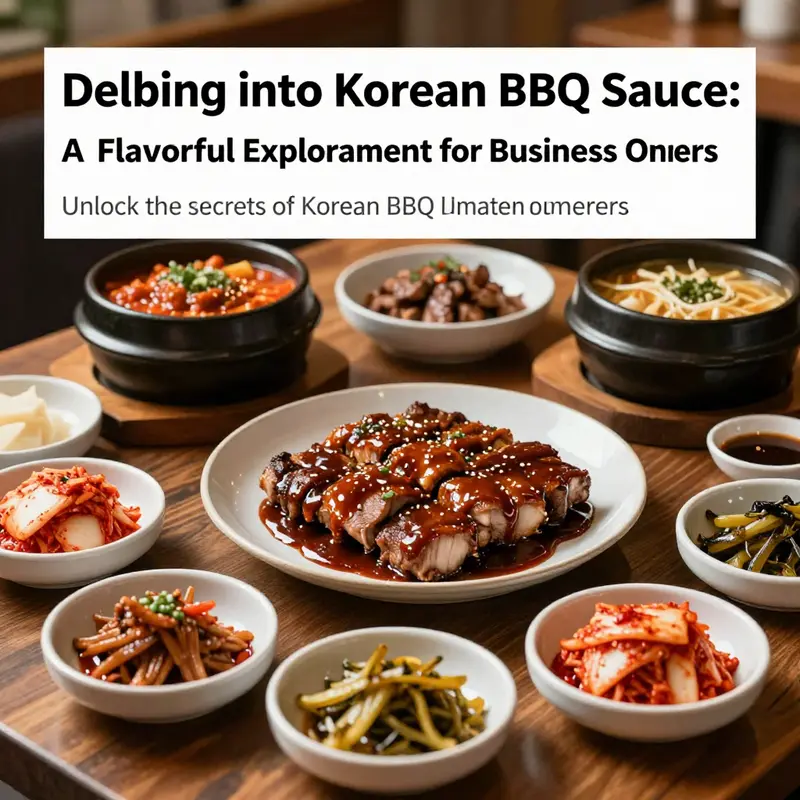
Korean BBQ sauce is a vibrant blend of flavors that captivates the palate and enhances grilled dishes. Understanding its composition not only enriches culinary expertise but can also be a game-changer for restaurant and food service businesses. By breaking down the key ingredients of this sauce, business owners can make informed decisions when crafting their menus. The first chapter will highlight the essential components that define Korean BBQ sauce, while the second chapter will delve into how these ingredients play a vital role in grilling and marination, ultimately reflecting the essence of Korean culinary philosophy.
The Building Blocks of Korean BBQ Sauce: A Flavorful Tour Through Ferments, Fruits, and Fire
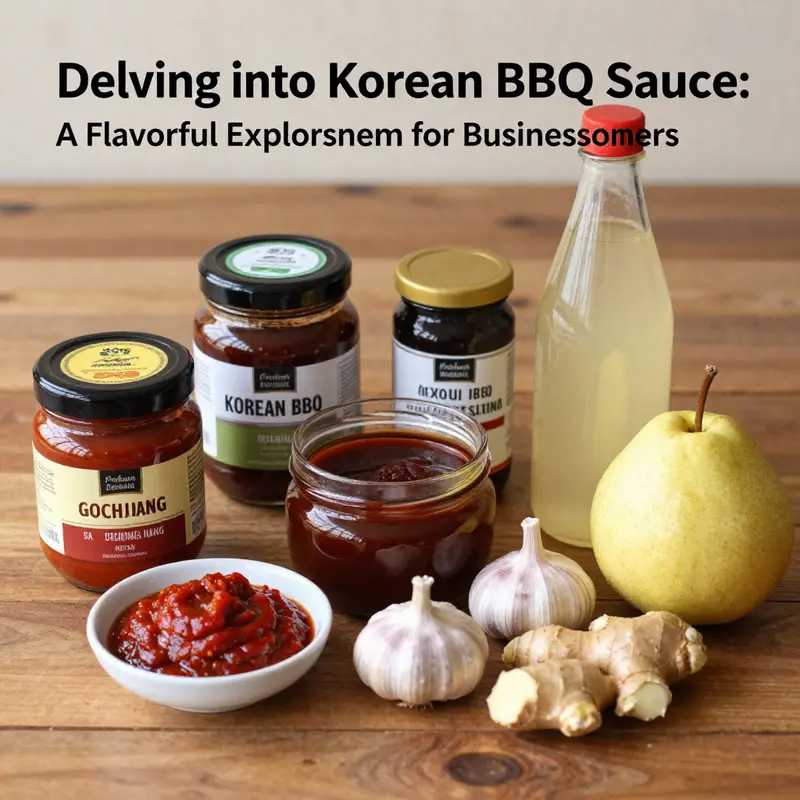
In the language of Korean cooking, the sauce that glazes the grill is more than a simple glaze. It is a living mosaic built from fermented pastes, bright fruit acids, and toasted aromatics that come together to create a glaze with depth: sweet, salty, spicy, and deeply savory. The family of Korean BBQ sauces is not a single recipe but a tradition of marinades and glazes that cling to meat and bloom with every bite. At the heart of this tradition lies a philosophy of balance: no single note dominates, and each element has a purpose in shaping texture, aroma, and the final lacquered crust. When you look closely at the ingredients, you see a careful choreography designed to tenderize meat, intensify its natural flavors, and create a surface that caramelizes on contact with fire.
Foremost among these elements is gochujang, a fermented red chili paste that brings heat, depth, and a distinct red-gold hue. Gochujang is not simply hot; it carries a fermented complexity that hints at time and microbial artistry. Its warmth travels through the glaze, lifting the other components without shouting. When gochujang meets ganjang, Korean soy sauce, the sauce gains a salty, savory backbone that anchors the glaze and helps it cling to meat as it cooks.
Garlic and ginger are its aromatics, pulling the chorus together. Garlic adds pungent warmth that anchors the sauce in the kitchen and in the memory of late-night grills. Ginger offers bright, peppery brightness that counterpoints the fruit and chili. Together they keep the sweetness from becoming cloying and the heat from feeling isolated.
Sesame oil and sesame seeds provide the final layer of aroma and texture. Lightly toasted sesame oil adds a nutty note that deepens savor, and a drizzle near the end lifts the glaze and adds lacquer-like gloss. Sesame seeds contribute a subtle crunch and a toasty perfume that echoes as the glaze caramelizes and the meat bites release fragrant steam.
Sweeteners balance the heat and promote caramelization. Pear juice is a traditional favorite, offering not only sweetness but enzymes that can gently tenderize meat. Other natural options include honey or rice syrup; Kiwi puree is a good stand-in when you want a slightly tangier profile while still supporting that tenderizing action. The idea is to use fruit not just for flavor but for mechanical tenderizing that helps tougher cuts stay juicy during grilling.
Acidity from fruit juices or a touch of vinegar brighten the profile and support the glaze’s cling on high heat. The fruity enzymes are important because they relieve proteins in a controlled way, leaving the meat tender yet firm enough to take on more glaze. Doenjang, if used, adds an extra layer of savory depth with a mushroomy, umami richness that deepens the glaze without making it sour.
In practice, the combined effect is a glaze that is more than the sum of its parts. It functions as a marinade and a finishing glaze, allowing you to flavor before, during, and after the cook. When the meat hits a hot grill, sugars caramelize and the gochujang-based glaze becomes glossy, clinging to every contour while the interior stays juicy. The result is a lacquered crust that stays tactile and aromatic, not simply sweet.
Beyond technique lies philosophy. Matsui, the Korean idea of taste harmony, guides the balance of sweet, salty, spicy, and umami. Jeong, a sense of care and intention, describes the patience behind marinades and the grill. Fermentation is not just preservation; it is a method to embed complexity into the dish. The interplay of ingredients offers a layered, cohesive sensation that lingers on the palate and reframes what grilled meat can be.
Practical steps for home cooks are straightforward. Start with gochujang and ganjang as a base, whisk in minced garlic and grated ginger, and add a drizzle of lightly toasted sesame oil. Use pear juice or kiwi puree to bring gentle acidity and tenderizing power, with a touch of honey or rice syrup for sweetness. Finish with a subtle salt balance from the ganjang itself. If you want a regional twist, imagine a version with hotter pepper notes or a brinier character from coastal ingredients. This is the core idea of a versatile glaze that works with beef, pork, or chicken and adapts to different kitchen contexts.
As you approach the grill, remember that the sauce is a narrative of fermentation’s patience, fruit’s tenderness, and heat’s transformation into a lacquered gloss that seals flavor into the meat. It functions as marinade, bast, and table glaze, and it invites dipping and slicing once the surface has developed its glossy crust. For broader context on these ingredients, you can explore resources such as https://www.foodandwine.com/korean-bbq-sauce-ingredients.
Glaze, Tenderize, Sizzle: The Culinary Science of Korean BBQ Sauce in Marinade and Grill

Korean BBQ sauce is not a single fixed recipe but a living family of marinades and glazes that sit at the heart of gogi gui, Korea’s celebrated grilling tradition. Its power lies in a carefully balanced harmony that blends sweet, salty, savory, spicy, and aromatic notes into a glossy glaze that clings to meat and carries a memory of the grill. This is not just a sauce; it is a culinary philosophy in motion. The core idea is to build on fermentation’s depth while leveraging natural tenderizers and high-heat chemistry to transform simple cuts into something seemingly more than the sum of their parts. When you look beneath the surface, the sauce reveals a choreography of ingredients that work together to unlock tenderness, enhance aroma, and create that limpid, caramelized crust that makes every bite feel both familiar and novel.
At the center of most Korean BBQ sauces sits soy sauce and one or more fermented pastes. Gochujang is the defining element in many regional variations. It is a fermented paste made from red chili peppers, glutinous rice, fermented soybeans, and salt. Its role goes beyond heat; it introduces a complex, fruity-fermented backdrop that lingers on the palate even after the meat has vanished from the grill. Doenjang, another cornerstone, adds a earthy, umami-rich depth that can anchor a sauce without tipping it into overwhelming savoriness. The interplay between these fermented foundations and the salty, savory backbone of soy sauce creates a framework that supports the rest of the flavor spectrum, from sweet to spicy to aromatic.
Sweetening agents in Korean BBQ sauce are not mere add-ons. They are essential to the sauce’s texture and its performance on the grill. Pear juice and kiwi puree are among the traditional natural sweeteners used in classic marinades. Beyond their sugar content, these fruits bring enzymes that gently tenderize meat, a knack that modern culinary science recognizes as enzymatic tenderization. Pear, for example, contains enzymes that begin to loosen muscle fibers at the surface, helping proteins loosen their grip without breaking down the structure entirely. This means the meat stays juicy rather than turning mushy, a delicate balance that is especially important for quick-cook cuts such as flank or shoulder. Other sweeteners, like honey or rice syrup, contribute viscosity and a caramel sweetness that aids browning during high heat. The goal is not cloying sweetness but a measured lid of sugar that supports the Maillard reaction, deepens color, and anchors the glaze during the final grill minutes.
Aromatics are the soul of the sauce. Garlic and ginger provide immediate fragrance and a sharp bite that counterbalances the heat and sweetness. They are often crushed or grated to maximize surface area, releasing volatile compounds when heated. Sesame oil and sesame seeds introduce a nutty, toasty note that rounds out the palate with a subtle warmth. These elements are not just flavor accents; they are aromas that waft during grilling, signaling the accumulation of heat and the transformation of sugars into a lacquered glaze. Optional additions like fish sauce and gochugaru appear in regional variants, adding brine or a different type of heat, respectively. These variations demonstrate how flexible Korean BBQ sauce can be when applied to different meats, cooking methods, and regional preferences.
What makes this sauce a versatile culinary tool is its dual function as marinade and glaze. When meat sits in the marinade, the salt from soy and fermented pastes begins to draw out moisture and then draw flavor inward. The high salt content also acts as a preservative in traditional contexts, helping the meat retain moisture and flavor during long grilling sessions. Yet the real magic happens with the enzymes in fruit purées and the physical act of cooking. As the meat hits the grill, heat accelerates the release of moisture from the surface. The sugars from the marinade begin to caramelize, and the amino acids participate in the Maillard reaction, producing a crust that is both flavorful and visually appealing. The result is a glossy, lacquered surface that clings to each slice and speaks to the heat’s intensity beneath it.
This transformation is not accidental. It is grounded in a careful balance of components chosen to be harmonious rather than dominant. The sauce’s composition enables a multi-sensory experience: the savory backbone from soy and fermented pastes, the sweetness that aids browning, the heat from chili pastes, and the aromatic lift from garlic, ginger, and sesame. The marinade time, typically from 30 minutes to upwards of four hours, is calibrated to avoid over-tenderization. Enzymatic tenderization from fruit purées works quickly and gently; extended marination risks destroying texture or flattening the meat’s natural bite. The salt in the mix grows into a penetrative force that helps flavor infuse more deeply as the meat rests, while not stealing the meat’s inherent character.
As the grill heats, the sauce continues to perform. The sugars and amino acids interact with high heat to form new flavor compounds and a deeper crust. The glaze thickens and becomes stickier, allowing the sauce to cling to each surface with a satisfying sheen. This glaze does not merely coat; it participates in the cooking process, becoming part of the crust’s texture and the final aroma. The aroma released by roasted garlic, toasted sesame, and the peppery brightness of ginger becomes a sensory signal that the dish is nearing readiness. When brushed on during the final minutes, the glaze catches the heat just long enough for a glossy finish without burning, preserving both sweetness and heat for a balanced finish.
The sauce’s versatility is part of its enduring appeal. It functions as a marinade, a basting agent during cooking, a dipping sauce at the table, and a consistent thread that binds different cuts of meat to a single flavor philosophy. Its adaptability echoes a core cultural value in Korean cooking: matsui, or taste harmony. Rather than chasing a single, dominant note, the sauce blends layers of flavor so that none overpowers the others. Regional variations reflect this philosophy in different ways. One region may emphasize the smokiness and depth of fermented pastes, while another highlights floral sweetness from fruit, and still another foregrounds a brighter citrus or a sharper garlic bite. This adaptability makes Korean BBQ sauce accessible to home cooks and professional chefs alike, inviting experimentation with the ratio of gochujang to sugar, or with a grounding of doenjang for earthy richness.
For cooks who want guidance without losing flexibility, the principle is straightforward: start with a balanced core—soy sauce, gochujang, garlic, ginger, sesame oil, and a fruit-based tenderizer—then adjust toward the meat’s character. A lean beef short rib might benefit from a stronger gochujang presence and a slightly brighter acidity, while pork belly can tolerate greater sweetness and a more pronounced sesame aroma. If a recipe leans toward earthiness, adding a touch of doenjang can anchor the glaze and deepen the color. If the aim is lighter heat, a reduced gochujang ratio or the omission of additional chilies can preserve the sauce’s aromatic lift while keeping the sweetness in check. The choices are guided by what the meat asks for and how the grill’s heat behaves in your kitchen.
To glimpse how these principles translate into a local, grill-focused dining experience, see the Korean BBQ Chambersburg page. It offers a window into how a community translates these ideas into practical, everyday cooking and sharing meals around the grill. Korean BBQ Chambersburg provides a sense of how regional tastes are expressed through technique, ingredient choices, and timing on a shared grill. This kind of local adaptation illustrates the sauce’s fundamental flexibility as a flavor-building technology rather than a fixed recipe.
In a broader sense, mastering Korean BBQ sauce is less about memorizing precise measurements and more about grasping its core principles: flavor harmony, enzymatic tenderization, fermentation depth, and thermal transformation. The technique relies on the interplay of sugars, salt, umami from fermented pastes, and the bright, aromatic notes of garlic, ginger, and sesame. It’s a choreography that respects time, temperature, and texture. The sauce becomes a narrative that unfolds across the grill’s sizzle—from the initial marination to the final brush of glaze and the moment of first bite. The glossy sheen, the crackle of caramelized surface, and the lingering warmth of the spices all testify to a recipe that is as much about science as it is about culture.
If readers seek a deeper dive into the scientific underpinnings of this glaze, the literature on fermentation, Maillard reaction, and enzymatic tenderization offers a robust framework. For a detailed exploration of how these elements interact in Korean BBQ sauces, see the external resource linked at the end. This is where culinary curiosity meets kitchen practice, and it is where the enduring appeal of Korean BBQ sauce truly shines. External resource: https://www.seriouseats.com/korean-bbq-sauce-recipe
Final thoughts
Understanding the intricate flavors and robust ingredients of Korean BBQ sauce can provide a distinct edge for restaurateurs and food service professionals. These components not only amplify the dining experience through enhanced flavor and aroma but also embrace the tradition of Korean cuisine, rich in umami and balance. As culinary businesses seek to offer memorable dining experiences, integrating such sauces into their offerings is essential. The combination of both knowledge of ingredients and culinary application ensures a harmonious relationship between culture and cuisine.