

Korean BBQ chicken is renowned for its rich, savory-sweet flavors that are often complemented by an array of side dishes and condiments. The focus on balance and harmony in taste and texture is a hallmark of Korean cuisine. This article delves into two key areas: the complementary side dishes that can elevate your dining experience, and the condiments and dipping sauces that enhance the chicken’s flavors. By understanding these pairings, business owners in the culinary field can better cater to the tastes of their customers while delivering an enriching dining experience.
Harmony on the Grill: Pairing Side Dishes with Korean BBQ Chicken for a Balanced Feast
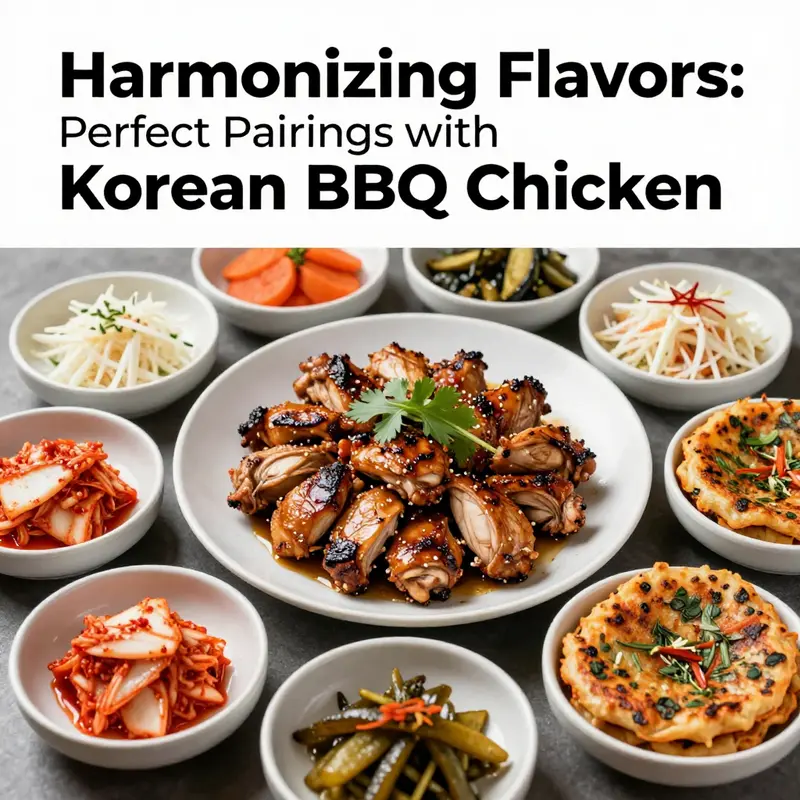
When you gather around a table for Korean BBQ chicken, the star is the meat—its smoky depth, its gentle sweetness, and the way the glaze clings to every char. Yet the real artistry happens not in the chicken alone, but in the chorus of side dishes that accompany it. The sides—the banchan—form a nuanced orchestra that elevates the meal from a satisfying main to a thoughtful, balanced dining experience. To truly savor Korean BBQ chicken is to recognize how these accompaniments work in concert, balancing richness with brightness, heat with coolness, and the soft with the crisp. In this light, the question of what goes with Korean BBQ chicken becomes less about a fixed checklist and more about creating a harmony—an edible matsui—where each bite resonates with the next rather than competing for attention. And while personal preference will color the exact lineup, there is a core set of sides that have proven their worth again and again in households, markets, and kitchens that chase authentic flavor and memorable textures.
Begin with the quintessential partner: kimchi. This is not just a garnish or a tangy afterthought; it is the palate-clearing pulse of the meal. The tangy, spicy, and slightly sour notes of fermented cabbage or radish cut through the rich savoriness of grilled or fried chicken. The heat from gochugaru or other chili elements wakes the mouth, while the subtle sourness resets the palate for the next bite. Kimchi’s fermentation adds complexity—the kind of lactic notes that linger on the tongue after the initial bite—so the chicken never feels predictable. In a sense, kimchi sets the tempo for the table, inviting guests to pace their enjoyment and to notice how the smoke and soy glaze interact with something alive and puckering on the plate.
A crisp, bright counterpoint comes from Korean-style pickled radish, such as kkakdugi. The cube-shaped radish offers a clean, citrusy snap that punctuates the meal with a refreshing crunch. Its mild sweetness is a foil for the chicken’s savory-glazed surface, and its texture provides a satisfying contrast to the chew of meat and the soft starch of rice. The mild acidity lifts the heaviness slightly, preventing the meal from becoming one long, heavy sigh of savoriness. When shared among friends or family, the pickles invite a playful interlude between bites, a moment to pause and appreciate the crisp sound and clean bite that follows a smoky mouthful.
Leafy wraps are another cornerstone. Sliced lettuce and perilla leaves add a cool, pale green counterpoint to the darker tones of the chicken. Wraps are not merely a vehicle for meat; they create a compact bite where you can fold tender meat with a leaf and a dab of sauce, then sink into the soft, fresh texture of greens. Perilla leaves contribute a distinctive aroma—slightly minty, slightly herbal—that echoes the smoky notes from the grill and the peppery brightness of the dipping sauces. This is where the eating ritual becomes tactile and almost ceremonial: you select your greens, you set a leaf at the center, you add a strip of chicken, then you fold and roll before lifting the bite for a moment of balance between herb, smoke, and glaze. It is in these wraps that flavor becomes shape, and texture morphs into a portable, joyful moment.
Raw white onion slices are often overlooked, but they play a critical role in the flavor dance. Their sharp bite slices through the meat’s fat, offering a piercing freshness that resets the palate. The onion’s bite cuts through the chicken’s sugar glaze, creating a linear contrast that makes the next bite feel livelier. When onion is paired with a particularly rich or saucy piece of chicken, it acts like a quick palate cleanser that keeps the meal from feeling one-dimensional. If your chicken has a particularly garlicky glaze or a thick, savory sauce, the onion slices also help to temper the garlic’s intensity and keep the overall profile balanced rather than overpowering the other elements on the plate.
Steamed rice rests at the center of many tables for a reason. It is the neutral base that absorbs sauce, catches any stray glaze, and provides a comforting, filling counterpoint to the bold flavors surrounding it. A bowl of warm rice helps round out a meal that could otherwise feel top-heavy with intense umami and heat. It also offers a canvas for the sauces—whether you mix a little ssamjang into a bite to amplify the savoriness or simply spoon a dab onto the rice to extend its life into another mouthful. Rice is the quiet partner that makes the loud flavors feel easier to approach, inviting people to slow down and savor each component’s contribution to the whole.
Ssamjang, a thick, savory-spicy soybean paste, functions as both a dip and a wrap accompaniment. It adds depth, a rich umami backbone, and a gentle heat that complements the chicken without overpowering it. When you dip a piece of meat into ssamjang, you invite a new layer of flavor—the fermentation, the garlic, the sesame—into the bite. If you prefer a lighter touch, you can blend a touch of ssamjang with a little sesame oil and a drizzle of rice wine vinegar to produce a dipping sauce that feels brighter while retaining its character. The beauty of ssamjang is that it doesn’t demand attention; it supports it, allowing the chicken’s glaze to stay front and center while the dip adds complexity to each bite.
Beyond these core elements, other banchan can punctuate the meal with texture and contrast. Daikon salad, with shredded white radish tossed in vinegar, sugar, and sesame oil, offers a crisp, tangy freshness that cleanses the palate between richer bites. It’s the kind of bright, lightly sweet counterpoint that ensures the table doesn’t slip into heavy fatigue as the meatwork remains flavorful. And for those who enjoy something a touch more indulgent, crispy scallion pancakes—pajeon—provide a savory, flaky bite that pairs beautifully with a smoky chicken. The pancakes’ softness gives way to crisp edges when picked up with chopsticks, echoing the table’s wider balance of textures. These pancakes are particularly welcome when the chicken has a sauce that sticks to the grill, as they offer a tactile contrast that makes the overall meal feel more dynamic rather than monolithic.
Of course, the exact arrangement and choice of sides can hinge on the style of chicken you’re serving. A grilled, soy-glazed chicken benefits from a slightly different balance than a fried, crusted variant. The former can lean on crisp pickles and leafy wraps to lift its umami; the latter may welcome a lighter peppery bite from onions and the brightness of daikon to prevent heaviness from becoming fatigue. Whether you’re arranging a family meal or a larger feast, you can modulate the side lineup—adding or subtracting pickled vegetables, adjusting the ratio of greens to rice, or offering a second dipping sauce with a touch more heat—to suit the crowd without losing the core principle of harmony. The goal is to invite guests to move through the meal with a rhythm that mirrors how the chicken moves from bite to bite: first a pop of tang, then a crisp chew, then a mellow palate clean, followed by a bright, fresh bite that signals the next savory moment is near.
In practice, a well-composed plate might begin with a small scoop of kimchi, a few KKakdugi chunks, and a leaf-wrapped bite of chicken to introduce the balance of heat, brightness, and smoke. A second round could include a dab of ssamjang on the lettuce wrap, with a shavings of onion alongside, so the tension in the bite is recalibrated. A delicate spoonful of daikon salad can glide in to reset the palate after a particularly strong cheese-like sweetness in a glaze, if present, and a shareable plate of pajeon can keep the table lively and communal. The steam from the rice should be felt as a warm compa sho with the meal—soft, nurturing, and always ready to carry the flavors of the sauces to the next mouthful. In short, these components are not mere afterthoughts. They are the essential tools that allow the chicken’s character to breathe, to present itself in layers, and to transform a simple grilled dish into a balanced, memorable feast.
The beauty of this approach is its adaptability. You can adjust quantities, swap in a daikon salad for a lighter note, or lean into the crisper end of a kkakdugi for sharper contrast. For those who savor a shared, family-style experience, the plates become a chorus rather than solos, where everyone at the table contributes a note to the overall melody. And as you translate this practice to your own kitchen or dining room, you’ll notice the same principle at work: variety—carefully modulated in texture, acidity, and heat—lets the chicken shine while ensuring no single element crowds the plate. When done well, the meal reads as a thoughtful, well-balanced narrative rather than a collection of stand-alone flavors. It is a cohesive experience that respects tradition while inviting personal interpretation.
For readers seeking a doorway to further exploration of this approach, a practical reference to a broader Korean BBQ landscape can be found here: Korean BBQ Eugene, Oregon. This example underlines how different venues adapt the core banchan concept to local tastes and ingredients while preserving the essential balance between meat, greens, pickles, and sauces. To place this discussion in a wider context of authentic sources and culinary perspectives, an external resource with broader insights into Korean barbecue culture and side traditions can be consulted. External resource: https://www.newspim.com/news/20260128000484. This article helps illuminate how institutions and homes alike curate banchan assortments to sustain the sense of harmony that makes Korean BBQ chicken such a resonant dining experience.
The Sauce as Co-Star: Elevating Korean BBQ Chicken Through Condiments and Dipping Sauces
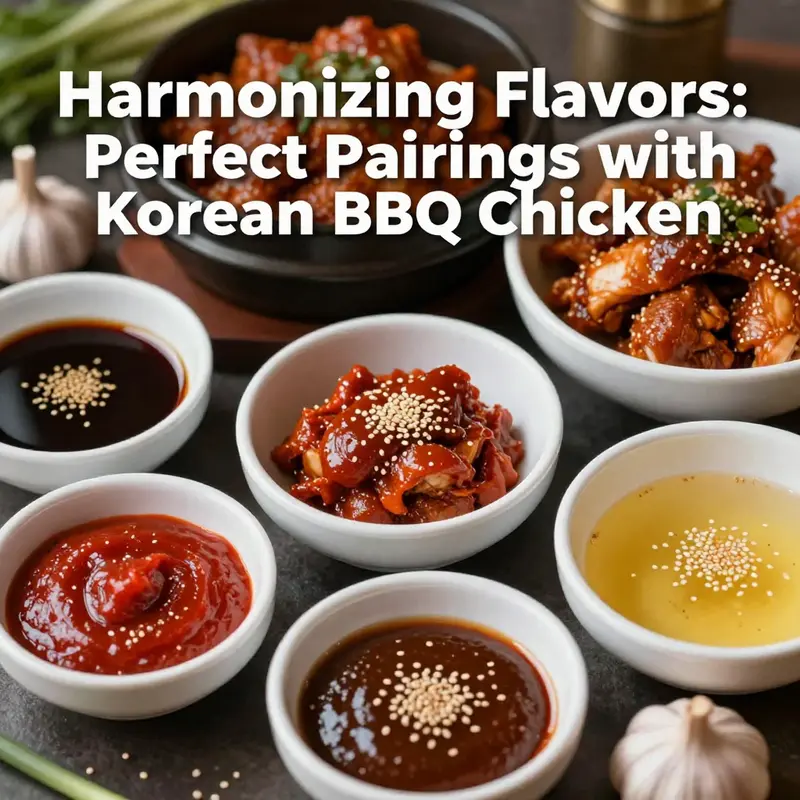
External resource reference: A deeper dive into authentic sauce recipes and methods can be found here: Serious Eats: Korean BBQ Sauce Recipes.
Final thoughts
Pairing Korean BBQ chicken with the right side dishes and condiments not only enhances the meal’s overall flavor but also aligns with the cultural principles of balance in Korean cuisine. By offering a thoughtfully curated selection of these accompaniments, business owners can create an inviting atmosphere that caters to diverse palates and elevates the dining experience. The synergy of flavors—from the refreshing crunch of pickled radishes to the rich depth of dipping sauces—can leave a lasting impression on customers, encouraging them to return for more.