

Kogi Bar & Grill has emerged as a culinary gem in Plymouth, MA, captivating diners with its blend of high-quality sushi and Korean flavors. This article aims to provide business owners with insightful details about the restaurant’s diverse menu and superior service, illustrating how these elements contribute to its remarkable reputation and success in the local dining scene. In exploring Kogi’s offerings, we shed light on the significance of a well-curated menu that not only satisfies but also delights. Subsequently, we will delve into the dining experience and customer service quality, which are pivotal in building customer loyalty and ensuring repeat business.
From Bibimbap to Blueberry Muffins: Navigating the Fusion World of Kogi Bar and Grill in Plymouth

Nestled along Court Street in Plymouth, Kogi Bar and Grill embodies a culinary conversation that merges Korean fire with the ease of American dining. It sits in a town known for maritime history and seafood, yet its dining room and open kitchen invite neighbors and visitors to a different kind of voyage: one that leans into bold flavors, inventive pairings, and a sense of play in the plate. From the moment the menu opens, the kitchen offers a map rather than a fixed national script. Signatures like Kogi Tacos and the Korean Burrito riff on the food-truck energy that popularized modern Korean barbecue, translating street-level vibrancy into a sit-down experience. Bibimbap and Kimbap stand as more traditional anchors, reminders that the restaurant respects core flavors while remixing them with confidence. The result is a fusion narrative that travels between smoky grill notes, clean sushi textures, and comforting American textures, often within the same table dynamics.
Among the roster of dishes, the Blueberry Muffin emerges as a curious beacon. The name suggests pastry sweetness, yet the kitchen positions it as a signature bite that can surprise diners and spark conversation. This is not whimsy for whimsy’s sake; it signals a broader theme of the house: flavors can surprise when the chef controls balance, texture, and heat. To pair with these innovations, the Chicken Skewer Box and plates featuring beef or pork belly deliver heft and substance, offering a satisfying counterpoint to the lighter, fresh notes of seafood and rice.
For those seeking complexity in textures, the ramen lineup pushes boldly beyond the usual broth-centric approach. Spicy Ramen and Spicy Beef Ramen bring heat and depth, combining noodle technique with a sauce mentality that leans into Korean red pepper warmth and Japanese technique. The restaurant’s approach to ramen hints at the broader willingness to hybridize: long simmered broths meet crisp toppings, and sesame oil, garlic, and chili ride through the bowls with confident momentum. Diners who crave quick, satisfying meals can find a balance here—comfort food done with a modern edge rather than tradition worn thin.
On the service side, Kogi Bar and Grill earns praise for its attentive staff, comfortable ambience, and thoughtful use of ingredients. The dining room often feels inviting rather than formal, with seating that accommodates families, couples, and groups seeking a shared tasting experience. The pricing sits in the middle range, suitable for a special weeknight dinner or a weekend gathering without straining budgets. The address—8 Court St, Plymouth—places it in a walkable downtown stretch where pedestrians and locals mingle after work, a setting that reinforces the restaurant’s role as a neighborhood hub for Asian-inspired flavors in a New England town.
Beyond the surface pleasures, the restaurant has earned a credible footprint in community and review circles. TripAdvisor lists it among Plymouth’s top places to dine, at 25th out of 171 restaurants with a solid 4.3 out of 5 from 66 reviews. Those numbers whisper a narrative of consistency: guests return for the way the kitchen threads flavors together, the care in plating, and the sense that the kitchen treats every dish as a little manifesto rather than a routine offering. The restaurant explicitly positions itself as independent from other similarly named venues on the coast, a distinction that matters in an era of shared branding and online echoes. The result is a sense of authenticity that finds a receptive audience among locals and travelers alike.
A closer look at the menu through their own platform reveals the philosophy in action. The menu, accessible online, invites diners to explore the architecture of the kitchen’s choices. To see the full picture, you can consult the menu page that catalogues the signature and everyday items—an invitation to see how each dish stands as a piece of a larger story about Korean-American dining in a Massachusetts setting. Kogi Bar and Grill Menu.
For those who want to read more about the experience from a peer perspective, the restaurant’s Yelp page offers additional impressions and photos from customers who have sampled the range—from the sushi-forward offerings to the heartier plates featuring pork belly and beef. The link provides a different texture to the narrative, complementing the menu-driven description with real-time dining experiences: https://www.yelp.com/biz/kogi-bar-and-grill-plymouth-2?hrid=9f6c3d1a4e5013834f7493a99213a767.
Welcoming Hands and Warm Flavors: The Service-Driven Experience at Kogi Bar & Grill in Plymouth
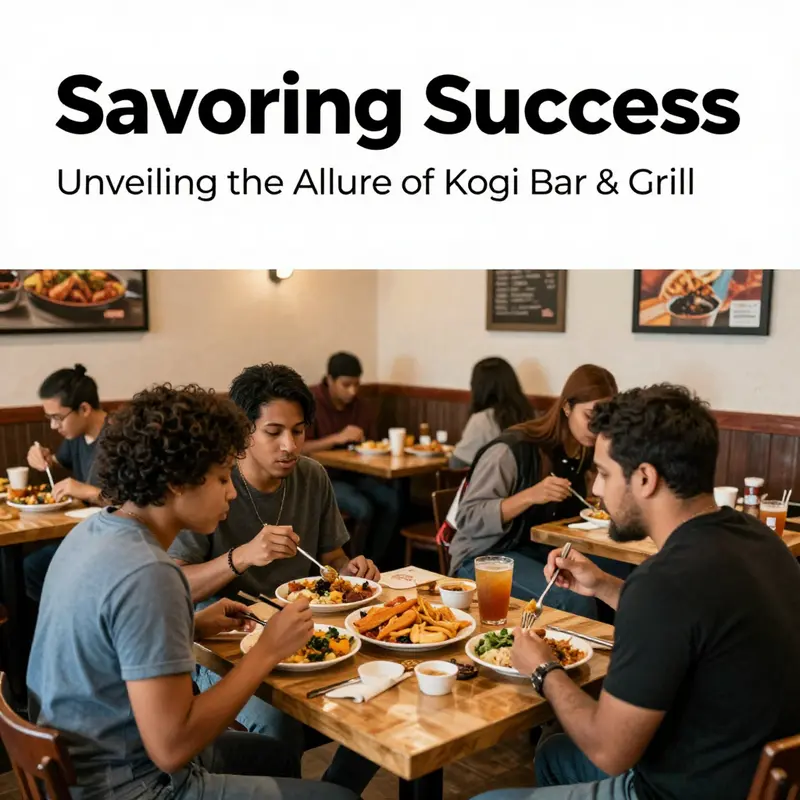
The service at Kogi Bar & Grill in Plymouth often feels like a quiet, practiced ritual that allows the food to speak for itself. The reviews repeatedly spotlight a front of house that moves with speed and grace, never rushing guests yet always keeping the rhythm of a busy dining room. Patrons describe a team that is not just efficient but genuinely welcoming, where a quick hello at the door becomes a signal that the evening will unfold with care. In this weave of efficiency and warmth, the bar area emerges as a microcosm of the overall experience. One guest singled out the owner, Patty, for bringing a personal touch to bar service, turning a simple order into an exchange that felt like a small celebration of the flavors on the menu. It is this blend of attentiveness and personal connection that underpins the restaurant’s reputation as a reliable, comforting choice for both lunch and dinner on the South Shore.
Atmosphere plays a critical role in shaping how the service is perceived, and Kogi Bar & Grill leans into a warmth that invites conversation rather than imposes silence. The dining room’s mood is crafted through a balanced palette of lighting, comfortable seating, and a tone that accommodates both quick business lunches and longer dinners with friends or family. Diners note that the space is welcoming without being loud, intimate without feeling exclusive. In such an environment, staff members can fine-tune their interactions—from suggesting menu pairings to describing preparation methods—without ever feeling performative. The result is a dining experience that feels thoughtful rather than scripted, where guests sense that the staff knows the room as much as the kitchen does.
The kitchen and front of house operate in a coordinated rhythm that makes service seem seamless. When orders come through, the servers convey confidence and clarity, translating the chef’s intentions into plates and bowls that arrive with timeliness and correctness. The bar, too, becomes a focal point of hospitality. Guests who linger over a drink or two find the same consistency in the way their glass is refilled, the way a napkin is refreshed, and the way conversation keeps flowing. Such consistency matters because it reinforces trust. A diner who returns to Kogi Bar & Grill knows not only that the flavors will be solid but also that the staff will read the moment—whether a party is celebrating a milestone or simply enjoying a weekend meal—so the timing of service aligns with the mood of the table.
The menu at Kogi Bar & Grill anchors the service in variety and accessibility. With options spanning sushi, broader Asian influences, and Korean-inspired dishes, the kitchen creates opportunities for cross-cultural tasting without compromising approachability. This diversity invites staff to guide guests through a landscape that can feel unfamiliar to some and exhilarating to others. A server who has taken the time to learn guests’ preferences can steer a group toward a balanced tasting that may begin with lighter, crisp sushi rolls and lead into a couple of heartier Korean-style options for sharing. The staff’s ability to read the pace of a meal, to anticipate when a table might want a moment to savor a first course before the second arrives, or when a diner is ready to explore more flavors, elevates the act of dining from simply eating to participating in a carefully choreographed experience. It is in these moments that the staff’s knowledge and hospitality truly shine.
The restaurant’s emphasis on ingredients reinforces the care that staff bring to service. Reviewers repeatedly praise the house’s fermentation and pickling techniques, noting that the kimchi and other preserved components contribute brightness and depth to plates. Such elements do not merely accompany the meal; they shape its rhythm and texture, inviting conversation about craft and tradition. When guests speak of value, they also mean value in technique—the sense that the kitchen respects ingredients enough to highlight their natural character. In this environment, the server’s role extends beyond taking orders and delivering food. They become ambassadors for the kitchen’s philosophy, translating culinary choices into a shared experience that feels authentic and grounded in skill.
As for the dishes themselves, the experience of tasting at Kogi Bar & Grill rests on a balance between authenticity and accessibility. A well-prepared Japanese-influenced plate might arrive with the precision one expects from sushi preparation, while a Korean or fusion dish carries a heat, tang, or sweetness that signals bold culinary intent. The plating often reflects this same balance: restrained elegance on the table, with bright elements and careful contrasts that invite careful tasting. Diners who approach the meal with curiosity are rewarded by service that remains patient and informative. Servers can explain how a particular sauce or marinade interacts with a dish, offering suggestions to adjust spice levels or to pair a drink with the course. This dynamic creates a dining environment where guests feel educated and empowered rather than overwhelmed by choices.
The human element underpins everything else. The staff’s warmth is rarely performative; it feels earned, as though the team has built its practice on listening to guests and refining its technique accordingly. A guest’s remark about the staff’s welcoming attitude might lead to a brief, natural exchange about the origins of a dish or a marker of cultural influence in the menu. In such exchanges, service becomes storytelling, and the room becomes a shared space where people connect over food. That is perhaps the most compelling aspect of Kogi Bar & Grill’s dining experience: the way hospitality elevates the meeting point of sushi, Korean flavors, and fusion ideas into something memorable rather than transient.
For readers curious about the menu specifics while keeping the focus on service, a quick look at the Kogi Bar & Grill Menu can illuminate how the kitchen’s range supports front-of-house storytelling. The interface between staff recommendations and the menu’s breadth allows servers to suggest harmonious pairings, propose courses for different appetites, and tailor experiences to couples, families, or colleagues sharing a meal. The staff’s readiness to adapt—whether a guest arrives with dietary considerations, a desire for lighter fare, or a craving for more adventurous flavors—demonstrates a service culture rooted in attentiveness rather than rigidity. In the end, the dining experience becomes not just a sequence of courses but a cohesive, human exchange where each act of service is a conduit for flavor and connection.
Internal link to menu: Kogi Bar & Grill Menu
What diners carry away is a sense of having spent time well. The service fosters comfort, but it also invites conversation about the food, the sourcing, and the kitchen’s craft. The result is a restaurant that does not demand attention but earns it—through quick, pleasant service, a consistently warm atmosphere, thoughtful guidance, and a menu that supports a broad spectrum of tastes without diluting identity. The Plymouth location thus becomes more than a place to eat; it becomes a space to experience hospitality as a culinary form, where the staff’s craft and the kitchen’s care collaborate to create a dining moment that lingers in memory long after the plates have cleared. For readers who want to see how these elements come together in real guest feedback, the broader conversation is visible in reviews and community discussions that celebrate both the food and the way it is served, which remains the backbone of what makes this Plymouth venue a reliable neighbor in the city’s vibrant dining scene. The restaurant’s hospitality, after all, is what turns a meal into a memory and a visit into a welcome return.
External resource for reader perspectives: https://www.yelp.com/biz/kogi-bar-and-grill-plymouth-massachusetts
Final thoughts
Kogi Bar & Grill stands out not only for its exceptional menu choices but also for the exemplary service that enhances the overall dining experience. As a business owner, leveraging these insights can inform your own practices, whether you’re in the restaurant industry or another sector. Understand the importance of quality offerings and a welcoming atmosphere in building a loyal customer base. Emulating such elements could lead to similar success and customer satisfaction in your ventures.