
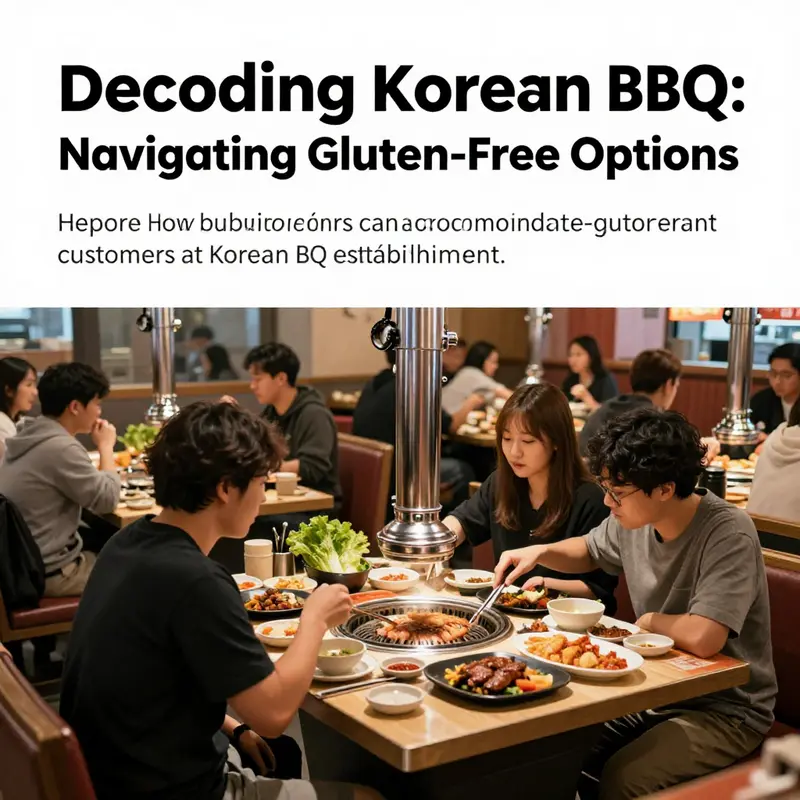
As Korean BBQ gains popularity worldwide, understanding its gluten content is crucial for business owners. With many traditional marinades and sauces containing gluten, restaurant owners must navigate dietary restrictions to accommodate gluten-free diners. This article provides insights into the gluten content of Korean BBQ, helping owners make informed choices to attract a broader clientele. The first chapter delves into the components of Korean BBQ that may contain gluten, while the second offers practical strategies for offering gluten-free options without compromising the dining experience.
Gluten-Free Korean BBQ: A Practical Guide
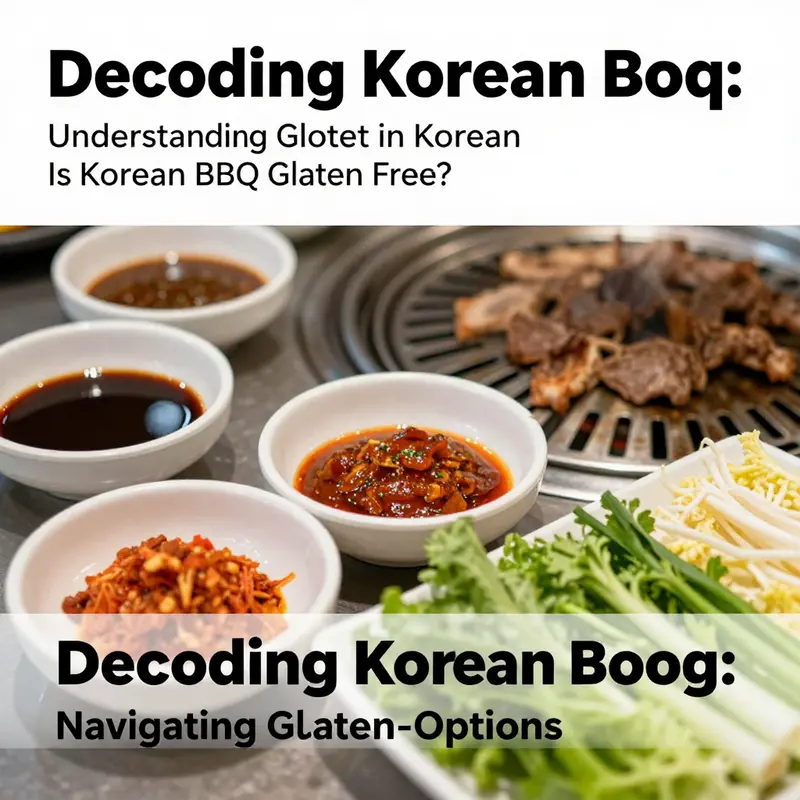
Korean BBQ can be enjoyed safely by gluten-free diners when awareness and communication guide the dining experience. Core proteins are naturally gluten-free, but common marinades and condiments often contain wheat. Soy sauce and gochujang can carry gluten, while ssamjang and dipping sauces may also contain gluten ingredients. Cross-contamination risks exist on shared grills and utensils. To minimize risk: ask about marinades and sauces, request gluten-free options or tamari, and confirm the gluten-free status of condiments. If possible, choose dishes with simple preparations and add flavor with gluten-free toppings on the side. When the grill is shared, inquire about dedicated gluten-free grilling or thorough cleaning, and consider avoiding items with heavy sauces. At home, use gluten-free tamari, labeled gluten-free gochujang, sesame oil, garlic, ginger, and fresh vegetables to craft flavorful marinades. In summary, with clear communication and careful choices, gluten-free Korean BBQ can be safe and delicious. For more guidance, consult trusted resources such as the Celiac Disease Foundation for restaurant dining tips.
Grill with Confidence: Making Informed Choices for a Gluten-Free Korean BBQ Experience
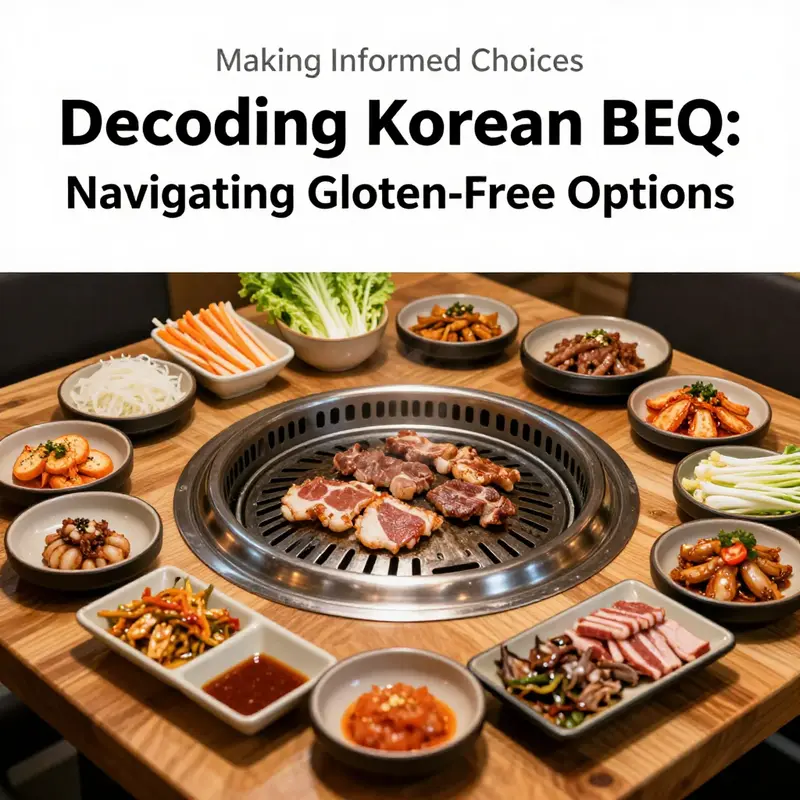
Gluten-free at a Korean BBQ table isn’t a guaranteed outcome, even for diners who know the flavor map well. The sizzling sound, the aroma of sesame and garlic, and the colorful array of banchan can feel inviting to everyone, but gluten sensitivity requires a careful map of ingredients and practices. The challenge rests in plain terms: many traditional Korean BBQ sauces lean on soy sauce, and gochujang pastes—beloved for their bright heat and depth—often carry wheat or wheat-derived thickeners. Some brands do offer gluten-free options, but gluten variation is common, and a menu that seems safe at first glance can hide gluten through cross-contact or shared equipment. The good news is that gluten-free Korean BBQ is increasingly possible, and often enjoyable, when diners take a proactive, informed approach. The path to safety begins with clarity about ingredients, assertive but polite communication, and a readiness to adjust dining habits without surrendering flavor or social ritual.
The first place to look for gluten is the marinade and sauces themselves. Soy sauce is a staple for many marinades and dipping sauces, delivering a savory backbone to beef, pork, chicken, and seafood. Gochujang, a fermented chili paste used to glaze meats or brighten sauces, can contain gluten depending on the brand and production method. Even when a sauce lists soy or gochujang, follow-up questions are essential: is this a gluten-free soy sauce, such as tamari, or a certified gluten-free product? Does the gochujang base omit wheat or gluten-containing thickeners? Are there hidden ingredients like malt, barley, or wheat starch in the glaze or in accompanying sauces? It is this layer of detail that often distinguishes a safe choice from one that may trigger a reaction. In practice, asking about the base ingredients and any additives is a simple, respectful step that pays off in safety and confidence.
A second layer is the grill itself. Korean BBQ thrives on a social, interactive setting where cooks brush meat with glaze, swap tongs, and help diners assemble plates. In many restaurants, the grill surface is seasoned with oils that may carry gluten if a sauce has touched it in the past. Tongs and brushes can harbor traces of sauces, and a single grill may be shared among orders with no barrier between different menus. Cross-contamination risk is real, particularly at communal tables or in busy dining rooms. Yet this risk does not have to derail a gluten-free experience. More restaurants are adopting explicit safety practices—dedicated gluten-free grilling zones, separate utensils, or careful wipe-down protocols between orders. These shifts reflect a broader trend toward hospitality that recognizes diverse dietary needs without compromising the kitchen’s efficiency or the restaurant’s ethos.
To translate these realities into a dining plan, it helps to anchor the experience around verified ingredients, transparent menus, and hygienic routines. First, verify ingredients with the staff. Is the sauce gluten-free, or can it be prepared with tamari or a gluten-free glaze? Are the noodles or fried items free of gluten-containing additives? Second, seek out establishments that publish gluten-free options or clearly label sauces as gluten-free. A third piece is kitchen hygiene. Ask about whether utensils will be cleaned thoroughly between gluten-free and gluten-containing orders, or whether a separate grill will be used for gluten-free dishes. If the restaurant cannot guarantee any of these safeguards, it may be wise to adjust expectations—perhaps focusing on gluten-free-friendly items that arrive without sauce or selecting a venue known for strong gluten-free practices.
For those who travel or live in diverse dining scenes, these considerations become even more practical. The system works best when guests voice their needs early. If you intend to order a glaze or marinade, mention gluten sensitivity up front and request non-gluten ingredients or a gluten-free preparation. If a sauce is essential for flavor, ask how it is prepared and whether it is stored separately from gluten-containing sauces. If possible, request separate utensils for gluten-free dishes and inquire about grill setup. These questions are not obstacles; they are a gateway to meals that are both flavorful and safe. In many cases, staff will welcome the chance to accommodate and will share details about ingredient sourcing, preparation steps, and possible substitutions. This cooperative dynamic is what makes gluten-free Korean BBQ a reachable goal rather than a rare exception.
Real-world examples illustrate this evolution. In Los Angeles, certain restaurants have earned reputations for gluten-free menus because they center gluten-free bases and tamari-based sauces, allowing guests with celiac disease or gluten sensitivities to enjoy traditional flavors with confidence. One establishment in particular has become a touchstone for diners who seek safety without sacrificing authenticity, showing that a kitchen can honor tradition while embracing careful, modern practices. The essence of its approach is not novelty; it is the practical alignment of ingredients, equipment, and staff training to ensure that flavor remains intact and that cross-contact is minimized. Similarly, travelers in Seoul have reported venues with clearly verified gluten-free options, reflecting a growing international trend toward inclusive dining that does not ask guests to compromise on taste or culture. These examples aren’t isolated; they signal a broader movement in global Korean cuisine toward safety, transparency, and hospitality that respects dietary restrictions as a standard feature rather than an exception.
What this means for the dining table is straightforward and empowering. Start with the assumption that the safest routes are those built on gluten-free ingredients and on explicit communication about how dishes are prepared. The more proactive approach is to select venues that publish gluten-free options or can tailor a glaze or marinade to gluten-free standards. Communicate clearly and politely that gluten sensitivity matters for health and comfort, and emphasize your preference to avoid cross-contact. Most restaurants want to satisfy guests, and many will adjust if they are given clear instructions and enough lead time. This is especially true in kitchens that actively promote gluten-free menus or that emphasize guest safety as part of their service philosophy.
A practical way to weave these ideas into everyday dining is to balance simplicity with flavor. Favor naturally gluten-free elements—grilled meats, seafood, vegetables, and plain rice—especially when a glaze cannot be guaranteed gluten-free. When a glaze is essential, look for tamari-based options or sauces prepared in-house with certified gluten-free ingredients, and verify that no gluten-containing thickeners are used. If you can, ask for a sample of the sauce or glaze before it touches your plate. If that isn’t possible, request that the glaze be prepared separately and offered on the side. Some diners find that this approach preserves the brightness and complexity of the dish while removing the most common sources of gluten exposure. Even when a dish seems straightforward, a moment of dialogue with the kitchen can transform a potentially risky meal into a satisfying, safe one. The key is to approach the table with curiosity, not apprehension, and to view gluten-free success as a collaborative outcome between guest and kitchen.
The broader takeaway is hopeful: gluten-free Korean BBQ is not simply a workaround; it is a sign of a cuisine that continues to evolve. The growing availability of gluten-free menus, alongside a willingness among chefs to adapt and accommodate, keeps the tradition vibrant while expanding access. This evolution mirrors the broader culinary culture that values inclusivity—where flavor and tradition are not sacrificed to dietary restrictions but enriched by careful sourcing, transparent communication, and a shared commitment to health and enjoyment. Reading about these shifts, and seeing them reflected in real restaurants that publicly embrace gluten-free options, offers both reassurance and motivation for diners who fear they must sidestep one of the most beloved social dining experiences.
To further illustrate how these principles come alive in a kitchen setting, consider the idea of a dedicated gluten-free plan that a restaurant could implement. The plan would begin with ingredient verification and supplier transparency, followed by a defined set of kitchen practices: gluten-free utensils, separate prep areas, clearly labeled gluten-free sauces, and a signposted, dedicated grill zone for gluten-free orders. It would end with continuing staff education, ensuring that every server and cook understands gluten-free safety and can explain variables like cross-contact and ingredient substitutions to guests with calm authority. When diners encounter this level of preparation, the experience feels less like a risk assessment and more like a shared culinary journey—one where tradition remains intact while safety is elevated as a core value.
If you are seeking practical proof of these principles in action, a look at one gluten-free-focused kitchen in a major city can be illuminating. For readers who want to explore a real-world example online, you can visit korean-bbq-in-moreno-valley. This link points to a venue that emphasizes a gluten-aware dining approach and demonstrates how a kitchen can balance authenticity with safety. It serves as a reminder that gluten-free dining in Korean BBQ is not merely possible; it is becoming a standard, accessible pathway. In the end, the journey toward gluten-free Korean BBQ is less about avoiding a limitation and more about embracing a culinary philosophy that honors flavor, health, and hospitality in equal measure.
For anyone navigating this terrain, the message remains practical and hopeful: verify, ask, and prioritize safety without compromising taste. As awareness grows, more menus are labeled clearly, more sauces are crafted gluten-free or tamari-based, and more kitchens adopt rigorous practices to minimize cross-contact. The result is a dining landscape where gluten-free diners share in the same social rituals, savor the same textures, and enjoy the same deep flavors that have made Korean BBQ a global favorite. The ongoing evolution of this cuisine invites curiosity, care, and courageous conversation at the table, and it invites kitchens everywhere to keep expanding access to safe, delicious meals that honor both tradition and health. External resource: https://www.celiac.org/
Final thoughts
In a dining landscape increasingly aware of dietary needs, providing gluten-free options in Korean BBQ can significantly enhance customer satisfaction and broaden your customer base. By understanding which components of Korean BBQ traditionally contain gluten and actively seeking to offer alternatives, business owners can create an inclusive environment. Engaging with customers about their dietary restrictions and being transparent about ingredients not only builds trust but also sets your establishment apart in the competitive food industry.