
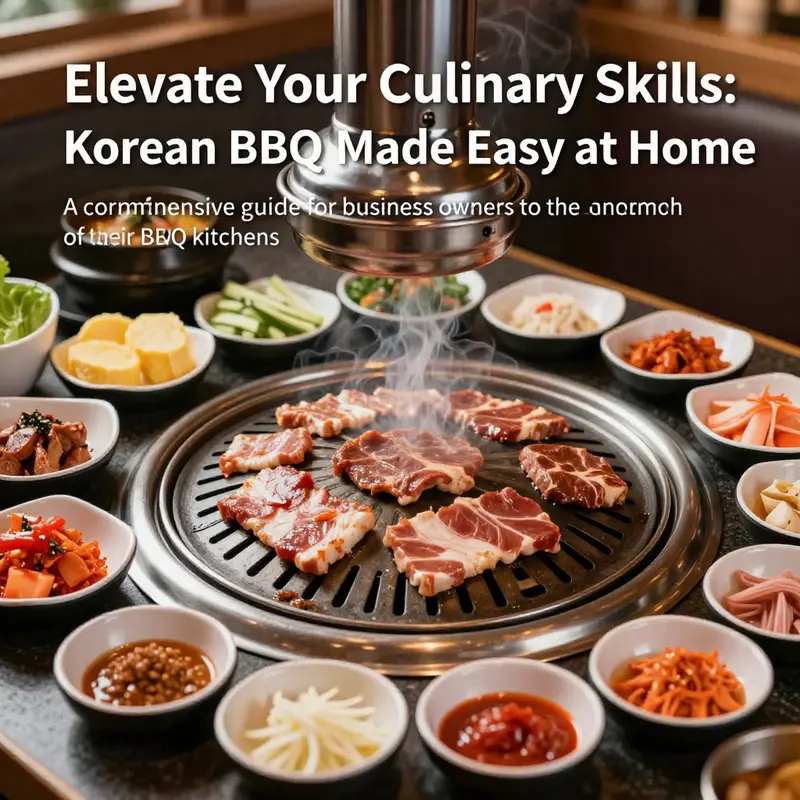
Korean BBQ has become an iconic dining experience that brings people together over grilled meats and vibrant flavors. As a business owner, understanding how to prepare this cuisine at home not only offers you a delightful culinary avenue but also equips you to engage with your clientele on a personal level. In this guide, we delve into the nuances of selecting the right meat, crafting a perfect marinade, and mastering cooking techniques that bring authenticity to your home BBQ. Each chapter builds on practical insights to create an engaging and flavorful experience for your guests.
null

null
null
null
Sizzle at Home: Mastering Authentic Korean BBQ and the Perfect Wrap Experience

Bringing Korean BBQ into your own kitchen can transform a weeknight into a shared celebration of taste, texture, and rhythm. The moment the skillet hits heat, a chorus of sizzle and aroma rises, carrying hints of sesame, garlic, and chili. This is more than cooking; it is a performance where each piece of meat plays a starring role and every wrap becomes a small, personal ceremony. The goal is to reproduce the balance of restaurant intensity and home warmth: the crust that develops on contact, the tenderness of rested slices, and the bright crunch of fresh vegetables folded into a bite. When you set the table, you invite conversation as much as you invite flavor, turning the meal into a collaborative craft rather than a solitary task. The result is a flexible framework you can adapt to your pantry, your guests, and your preferred heat level, all while preserving the soul of the experience.
Selecting the right meat is the foundation. Look for cuts with good marbling, such as pork belly, beef short ribs, ribeye, or sirloin. Thinner slices cook quickly and stay juicy, so ask your butcher to slice the meat about 2–3 millimeters thick for even cooking. Thaw frozen meat slowly in the refrigerator overnight to keep the texture uniform. Thin slices ensure the surface browns rapidly while the inside remains tender, preserving the signature interplay of crisp edges and juicy centers that makes Korean BBQ so irresistible. Even with premium cuts, freshness and even thickness across pieces matter more than any single fancy cut.
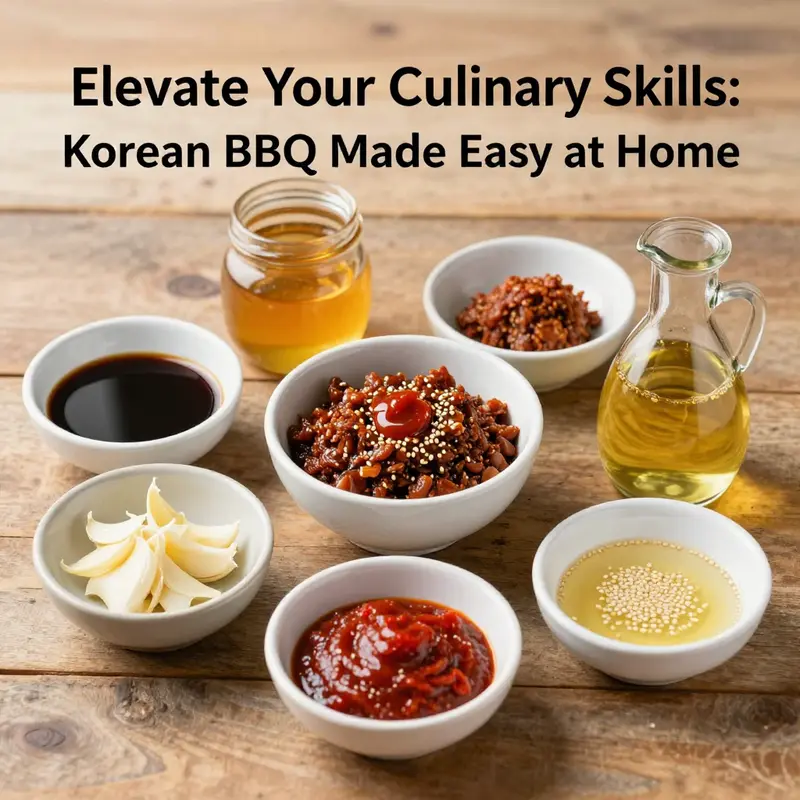
The marinade is the flavor secret that ties everything together. A balanced blend brings salt, sweetness, spice, and aroma into harmony. A practical starting point includes soy sauce for umami and salt, honey or sugar to promote caramelization, minced garlic for a pungent backbone, gochujang for the essential Korean heat, and sesame oil for a nutty finish. Some cooks add a splash of fruit juice to help tenderize and brighten the meat, along with a pinch of black pepper for a subtle kick. Mix everything in a large bowl or resealable bag, coat every slice thoroughly, and refrigerate. Four hours is a solid minimum; overnight offers deeper penetration without turning the texture mushy. If time is tight, aim for at least an hour, but monitor the meat closely to avoid over-marinating. This careful balance between time and tang sets the stage for a crust that sings when it meets the pan.
Cooking at home does not require a traditional grill to deliver restaurant-level results. A well-seasoned cast iron skillet or a smooth non-stick surface can replicate the high-heat sear that makes the exterior crisp and flavorful. Preheat the pan to a steady, hot temperature, then place the marinated slices in a single layer, leaving space between pieces. Do not oil the pan at first; the meat’s own fat will render and help prevent sticking. Let the first side form a crust for about 60–90 seconds before attempting a flip. This crust anchors the meat and makes the second side cook more evenly, preserving tenderness on the inside. Cook time will vary with thickness and cut; beef short ribs may be finished to your preferred doneness, while pork belly benefits from a thorough browning that renders fat and crisp edges. An electric grill or griddle offers reliable heat distribution and ease of cleanup, and an outdoor grill, when available, can introduce a gentle smoky note that evokes the grill-room atmosphere many crave. The core rule is simple: avoid overcrowding. Overcrowding steams meat rather than searing it, dulling color and texture and blurring the contrast between crust and interior.
The serving ritual is an art that elevates the entire meal. Present a spread of fresh lettuce leaves, such as butter lettuce or romaine, plus perilla leaves for a herbaceous lift. Offer sliced garlic, thin green onion ribbons, kimchi, and pickled radish to provide bright counterpoints to the meat’s richness. A small dish of ssamjang—a thick, savory-sweet paste made from gochujang and fermented soy bean paste—serves as a robust dipping or spreading option. Encourage guests to assemble their own wraps, placing a small piece of meat on a leaf, adding a sliver of garlic and a bite of kimchi, then folding the leaf around the filling before eating. White rice acts as the neutral anchor, soaking up juices and balancing heat. If leftovers exist, a quick glaze can be created by simmering the unused marinade (after removing any raw meat) with a little water and cornstarch, then drizzling this glossy sauce over rice or noodles for a simple, satisfying finish. A quick reminder: never reuse raw marinade on finished meat. If you need to repurpose it, boil it first to kill bacteria, then thicken for a sauce.
Accompaniments and balance round out the feast. Traditional banchan, such as japchae, kimchi jjigae, and steamed rice, provide variety in texture and temperature, supporting the flavors across multiple bites. Japchae’s sweet-savory notes contrast with the heat of kimchi and the clean starch of rice, offering a comforting bridge between bites. Kimchi jjigae adds warmth and depth for those who want a heartier pairing. Keeping a few crisp vegetables on the side invites bite-sized contrasts that keep the palate engaged as the meal unfolds. With a little mise en place—the meat ready to grill, the sauce prepared, and the wraps organized—you create an effortless rhythm that invites participation and conversation rather than prolonged waiting.
For readers seeking a broader sense of the scene beyond the home kitchen, a related guide explores the social and culinary dimensions of Korean BBQ in a dining room setting, offering observations on how the interactive wraps shape the dining experience: korean-bbq-las-vegas-chinatown. This reference demonstrates how the same techniques translate across environments, reinforcing that the heart of the method lies in careful preparation, attentive heat, and a shared table. A detailed, video-backed walk-through to further refine technique and sourcing tips is available in external resources, such as the classic step-by-step guide from a trusted culinary source. If you want a proven, chef-tested method to supplement your practice, you can consult a detailed external reference that walks through the marinade, sear, and finish in a structured, visual format: https://www.foodnetwork.com/recipes/korean-bbq-beef-recipe-2056784
Final thoughts
By following these steps—choosing the right cut, using a simple yet flavorful marinade, cooking with proper technique, and enjoying the food in the traditional way—you can create an authentic and satisfying Korean BBQ experience at home. This knowledge not only enhances your culinary repertoire but also engages your customers with authentic flavors they may deeply appreciate. Elevate your culinary experience and transform your home cooking into a delightful adventure for family and friends.