

Understanding how to eat Korean BBQ not only enriches a dining experience but can also enhance customer engagement for businesses in the food industry. This guide offers insights into preparing the essential ingredients and the interactive art of assembling wraps, ensuring you deliver a memorable experience for your guests. By grasping the nuances of this culinary tradition, business owners can foster a unique dining atmosphere that encourages social interactions and satisfaction, making it an ideal setting for meetings and gatherings. The subsequent chapters will unpack the preparation phase and the enjoyment of the meal, equipping you with the knowledge to delight your patrons.
Preparing the Spread: Choosing Meat, Marinades, and Banchan for Korean BBQ

Preparing ingredients for Korean BBQ transforms a simple cookout into a lively, balanced feast. This chapter walks through every choice and small technique that shapes the meal. It covers selecting and trimming meat, building authentic marinades, timing the soak, and arranging the fresh sides that cut through the grill’s richness. The goal is a practical, sensory plan you can follow at home or use to coordinate an outing, so your picnic, dinner party, or restaurant setup becomes effortless and memorable.
Start by thinking about the meat. Korean BBQ centers on high-quality cuts sliced thin or into uniform pieces. Thin slices heat fast and brown quickly. For beef, popular options include short ribs cut across the bone, thinly sliced ribeye, or marinated bulgogi cuts. For pork, look for belly (samgyeopsal) or pork shoulder cut for grilling. Chicken thighs also work, and seafood like squid or scallops adds variety. Choose pieces with a little marbling. Fat carries flavor and helps the meat char without drying.
Trim wisely. Excess fat can flare up on a hot grill. Leave a thin layer to keep juiciness. If you prefer leaner bites, trim heavy chunks but save the trimmings. Rendered fat can be used to oil the grill or briefly sear mushrooms and scallions. Cut meat uniformly. Even thickness ensures consistent cooking and prevents some pieces from finishing before others.
Marinating brings the flavor profile to life. A classic Korean BBQ marinade balances salty, sweet, nutty, and spicy notes while using natural enzymes to tenderize. The base usually starts with soy sauce or tamari for a gluten-free option. Add garlic for pungency and sesame oil for toasted aroma. For heat, gochujang or gochugaru can be included sparingly. Sweetness often comes from sugar, honey, or mirin. A small amount of grated Asian pear or mashed kiwi adds enzymes that gently break down proteins and make the meat tender.
Keep proportions simple for a flexible marinade: about two parts soy to one part sweetener, a splash of sesame oil, a spoonful of minced garlic, and a grated pear or kiwi. Add a spoonful of fermented chili paste for color and depth if you like heat. Mirin or a touch of rice wine brightens flavors. Scallions and thinly sliced onion add aromatic sweetness when left in the marinade. If you need a gluten-free or lower-sodium version, use tamari and reduce the soy amount, compensating with a touch more pear and garlic.
Marinating time matters. For thin slices, thirty minutes to two hours is usually enough. Longer than four hours may start to alter texture because of the enzymatic action in the fruit. For thicker cuts or bone-in ribs, marinate overnight for full penetration. Always marinate in the refrigerator and use nonreactive containers. If you plan to grill immediately, you can brush on a sauce as the meat cooks instead of a long soak. For meats with no marinade, season simply with salt and pepper to let the natural flavor shine.
Prepare sauces and dipping condiments ahead. A small dish of sesame oil with flaky salt and cracked pepper is a staple. Gochujang-based dipping sauces add a savory, spicy-sweet element. A soy-based dipping sauce with vinegar, sugar, and chopped scallions brightens fatty cuts. Keep a neutral yogurt or mayonnaise-based dip if anyone prefers milder flavors. Place sauces in small bowls so guests can customize each wrap.
Banchan—small side dishes—complete the experience. The goal is contrast. Serve fermented kimchi for acidity and heat. Pickled radish or quick-pickled cucumbers add crunch and a vinegar lift. Sliced garlic, grilled or raw, gives sharpness. Fresh greens are essential: butter lettuce, romaine, or perilla leaves form the edible wrapper. Perilla leaves add a unique herbal note. Offer steamed rice to make wraps heartier. Other great options include lightly blanched spinach dressed with sesame, seasoned bean sprouts, and thinly sliced scallion salad tossed in sesame oil and chili flakes.
Think about texture and temperature. Cold, crisp lettuce cools the hot meat. Crunchy pickles cut through unctuous fat. Soft rice cushions each bite. Hot grilled vegetables—mushrooms, zucchini, sweet potatoes—provide earthiness. Prepare vegetables in a way that allows quick assembly. Slice mushrooms and zucchini thin. Keep garlic slices and scallions ready to toss onto the grill for a quick char. Pre-slice onions and bell peppers so they can be skewered or grilled alongside the meat.
If you plan to grill at home, set the grill and tools before you start cooking. A tabletop electric or gas grill works well. For a more authentic flavor, a charcoal or wood-fired grill gives a smoky note. Clean the grill surface and heat it until very hot. For fatty cuts, you will not need additional oil. For lean cuts, brush lightly with oil or use a cooking spray to prevent sticking. Bring tongs, scissors, and metal chopsticks within reach. Scissors are often used in Korean BBQ to cut cooked meat into bite-sized pieces right at the grill.
Organize the workspace. Place raw meat on one tray and cooked meat on another. Keep a discard bowl for bones and trimmings. Arrange sauces and banchan in the center so guests can reach everything. If dining with others, create stations so no one crowds the grill. A system where one person cooks and others assemble wraps works well. Rotate roles during the meal to keep it social and relaxed.
Pay attention to timing and sequence. Delicate seafood and thin slices cook in minutes. Start with pork belly or short ribs that benefit from a little more time on the heat. Add vegetables that take longer, such as sweet potatoes, early. Keep the grill hot enough to caramelize the marinade quickly. A glossy, slightly charred crust forms when the heat is right. Flip often to avoid burning sugar in the marinade. Remove pieces to a resting plate to stay juicy.
Balance flavors as you assemble wraps. A single leaf becomes a canvas. Place a small amount of rice, a piece of grilled meat, a dab of sauce, and a pinch of banchan. Add raw or grilled garlic for a bright kick. Fold around the filling to make a tidy, handheld bundle. Aim for contrast in each bite: fatty and lean, hot and cool, soft and crunchy, spicy and tangy. Encourage guests to try different combinations. Some prefer a spoonful of rice for a fuller bite. Others skip it for a lighter, fresher mouthful.
Consider dietary needs and substitutions. For vegetarians or pescatarians, prepare thick slices of grilled tofu, mushrooms, or eggplant with a brushed-on Korean-style glaze. Use tamari in place of soy for gluten-free guests. Replace Asian pear with pineapple if needed, but be cautious: raw pineapple has strong enzymes that can over-tenderize. If anyone cannot handle heat, set aside a mild sesame-soy sauce. Label bowls if you have any allergens in the marinades.
Small rituals improve the meal. Serve a mild, refreshing drink to cleanse the palate. Offer toothpicks or small forks for shared sides. Keep wet napkins or a finger bowl available; this hands-on meal can be messy. If you want an elevated touch, include a warm pot of rice or simple soup on the table to balance richness.
Taste as you go. Adjust the grill temperature if the meat chars too fast. If the marinade caramelizes but leaves an acrid flavor, lower the heat to finish cooking. If sauces taste flat, add a squeeze of citrus or a pinch of sugar to brighten them. Always keep a light hand with salt; the soy-based marinades are often already salty.
When the meal ends, finish with a small, cooling dish. A light salad or a citrusy dessert palate-cleanser rounds out the experience. Cleaning is simple if you attend to the grill promptly. Scrape it while still warm to remove charred bits. Store unused marinades and sauces in airtight jars for future use.
Proper preparation is the difference between a crowded plate and a memorable spread. Choosing the right cuts, creating balanced marinades, timing the soak, and staging crisp, acidic banchan will elevate your Korean BBQ. The result should be an effortless rhythm: grill, wrap, and enjoy—bite after bite. For a deeper dive into authentic Korean BBQ sauce recipes and proportions, see this recipe guide: https://www.seriouseats.com/korean-bbq-sauce-recipe. For a quick primer on bulgogi-style options and variations, check this resource on bul-gogi Korean BBQ: https://kogikoreanbbq.net/bul-gogi-korean-bbq/.
Building the Perfect Ssam: Wrapping, Tasting, and Savoring Korean BBQ at the Table
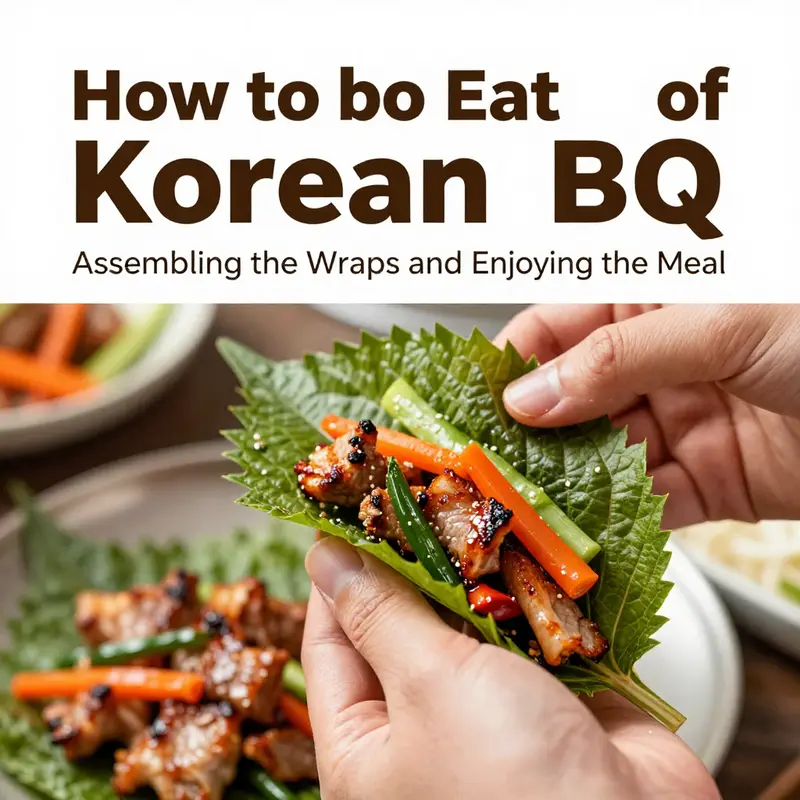
Assembling and Enjoying Your Korean BBQ Wrap
The real pleasure of Korean BBQ isn’t just the sizzle. It lives in the hands-on act of building a bite. A ssam—literally “wrapped”—is a small, composed package that balances smoky meat, spicy-savoury sauces, crisp vegetables, and bright aromatics. Learning how to assemble one well transforms a plate of grilled cuts into a chorus of textures and flavors. You’ll find this ritual both simple and endlessly creative. Start with good components, then layer intentionally, tasting as you go.
First, pick the right leaf. Lettuce varieties like butterhead and romaine are common. They offer gentle structure without overwhelming the filling. Perilla leaves bring a distinct, minty-peppery note. Use them when you want a sharper, herbal counterpoint to rich meat. Wash leaves just before serving and pat them dry. Cold, crisp leaves help cool hot meat and keep the wrap intact.
Next, select your protein. Thinly sliced bulgogi, charred galbi, and fatty pork belly each demand a different approach. Thinner cuts cook fast and are best folded in a single chew. Thicker, fattier pieces benefit from a moment to rest after grilling. This allows juices to settle so they don’t soak the leaf. If you like, tear larger pieces into bite-sized portions before adding them to a leaf. That way, each ssam contains a balanced amount of meat.
Ssam hinges on contrast. Add a small smear of ssamjang or gochujang for umami and heat. Ssajmjang is a thicker mix of fermented soybean paste, chili paste, garlic, and sesame oil. It’s both salty and slightly sweet. Gochujang adds a fermented, red-pepper sweetness. Use them sparingly at first. One or two small dots will often suffice. You can always add more if you need extra heat or richness.
Texture is key. A slice of raw garlic supplies a sharp bite. Thinly sliced green onion adds fresh aroma. Kimchi gives tang and peppery crunch. Pickled radish or cucumber slices lend clean acidity. A pinch of toasted sesame seeds adds a pleasant nuttiness. These small additions prevent the wrap from feeling one-note. They keep the palate moving through each bite.
Rice is an optional anchor. A spoonful of steamed rice makes a ssam more filling. It also soaks up sauce, creating a soft contrast to crisp leaves. If you prefer lower carbs, skip the rice and focus on vegetables. Some people like a thin piece of grilled sweet potato or mushroom instead. These act as subtle neutralizers between splashes of strong flavor.
Think about temperature and timing. Eat the ssam soon after assembling. Warm meat and cool leaf create a pleasing contrast. Waiting too long makes the leaf soggy. If you’re sharing, prepare each wrap as you go. That keeps textures bright and flavors distinct. When you cook at home, use a tabletop grill. This recreates the communal pace of a restaurant and lets each person build wraps to their liking.
The art of folding matters less than the balance inside. Start by placing the leaf in your palm. Add meat in the center. Spoon a little sauce and then layer crunchy items like kimchi or cucumber. Fold the sides inward and roll from the bottom. The result should be a compact, bite-sized bundle. Hold the wrap with two fingers if it feels loose. Then pop it into your mouth in one or two bites. This ritual encourages savoring and sharing.
Pairings elevate the experience. A sip of something cold and clean will refresh the palate. Traditional pairings include mild brews or rice wines. Clean water or barley tea works well too. Between bites, the beverage clears your taste buds. It lets the next ssam reveal new facets of flavor. If you’re experimenting with stronger drinks, balance them with fresher ssam ingredients.
Social rhythm matters at the Korean BBQ table. It’s communal and conversational. Cook in batches so everyone can share hot, freshly grilled meat. Offer three or four ssam-ready leaves per person and rotate the condiments. Encourage others to try different combinations. Someone might discover a favorite pairing of grilled scallion, perilla leaf, and a touch of ssamjang. The best moments often happen when someone invents a successful, surprising bite.
Be mindful of portioning. Too much filling overwhelms the leaf and muddles flavors. Aim for one central protein portion and modest condiments. This keeps the wrap harmonious. If a piece of meat is particularly fatty, balance it with a sharp slice of kimchi or raw garlic. If it’s lean, add a dab of sesame oil or a few sesame seeds to increase mouthfeel.
Texture experiments are welcome. Grilled vegetables like shiitake mushrooms, zucchini, and onions take on smoky sweetness. Grilled avocado becomes creamy and lush. A charred scallion adds sweetness and silkiness. These items pair well with lighter sauces or simply a sprinkle of salt and sesame oil. Try adding them sparingly at first. They can transform the ssam into something wholly new.
Cultural context deepens appreciation. In Korea, ssam culture emphasizes sharing and etiquette. Offering someone a prepared wrap is a gesture of care. Likewise, accepting with both hands shows gratitude. These small rituals make the meal feel personal. When dining with friends, pay attention to who is grilling and who prefers wrapping. Rotate tasks so everyone feels involved.
If you’re cooking at home, a small tabletop grill helps replicate the restaurant vibe. It keeps meat warm and allows for staggered cooking. Arrange condiments within easy reach. Have a small plate for bones and used garlic. Keep napkins nearby—ssam is joyful but can be messy. This simple setup ensures the meal stays relaxed and engaging.
Debate and discovery are part of the fun. Some insist rice belongs in every ssam. Others prefer a purely vegetable-based wrap. Try both, then compare. Save notes mentally on combinations that stand out. Over time, you’ll find go-to blends that match particular meats. For example, a sweet, marinated bulgogi may pair best with perilla leaf and a light touch of sesame oil, while fatty pork belly might demand raw garlic and ssamjang.
Savor the silence when a particularly successful ssam appears. That first bite often causes a brief, shared pause. It’s a tiny moment of satisfaction. Let it linger. The goal is not speed. It’s a measured enjoyment. Each mouthful should reveal a layered interplay of smoke, spice, salt, and freshness.
Finally, embrace variety. Rotate meats, play with condiments, and introduce unusual ingredients. Grilled seafood, oysters, or even fruit can work. The key is balance. Pair richness with acid. Pair heat with cooling greens. Keep textures varied. With practice, you will instinctively compose wraps that hit multiple notes at once.
If you want to explore places that combine Korean BBQ with other dining formats, check out this guide to all-you-can-eat sushi and Korean BBQ for inspiration on setups and shared-service styles: all-you-can-eat sushi and Korean BBQ.
For further reading on the history and cultural role of wraps in Korean cuisine, see this overview on ssam: https://en.wikipedia.org/wiki/Ssam
Final thoughts
Incorporating Korean BBQ into your dining experiences can significantly enhance customer satisfaction and engagement. Proper preparation of ingredients coupled with the interactive process of assembling wraps creates a lively and communal atmosphere—ideal for business settings. As you bring the essence of Korean BBQ to your establishment, pay attention to detail and the enjoyment of flavors, ensuring your patrons leave with memorable moments. Embrace the social aspect of Korean dining, making it not just a meal, but an experience that cultivates relationships and success.