
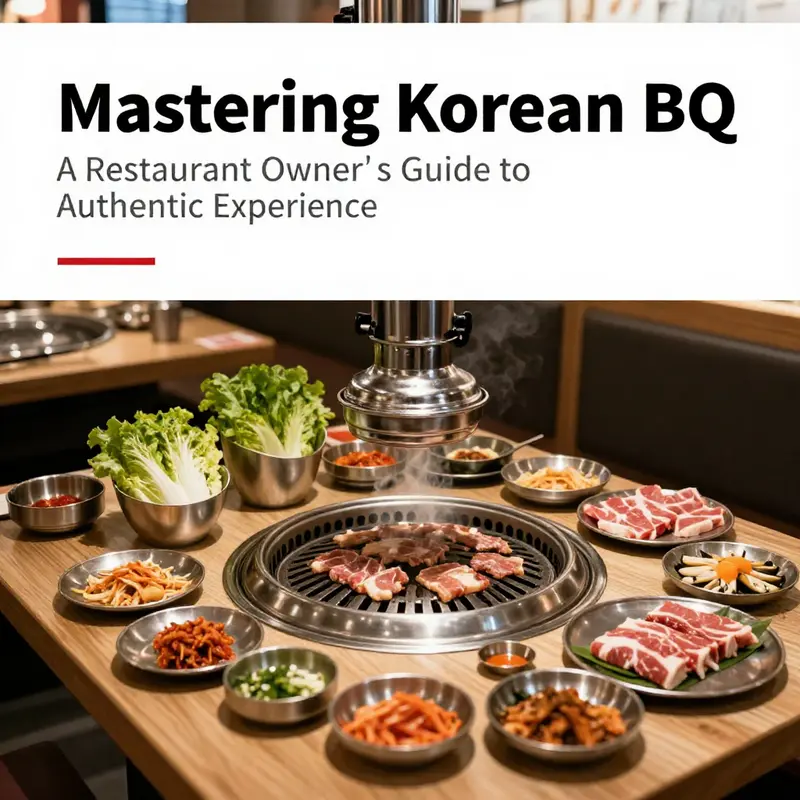
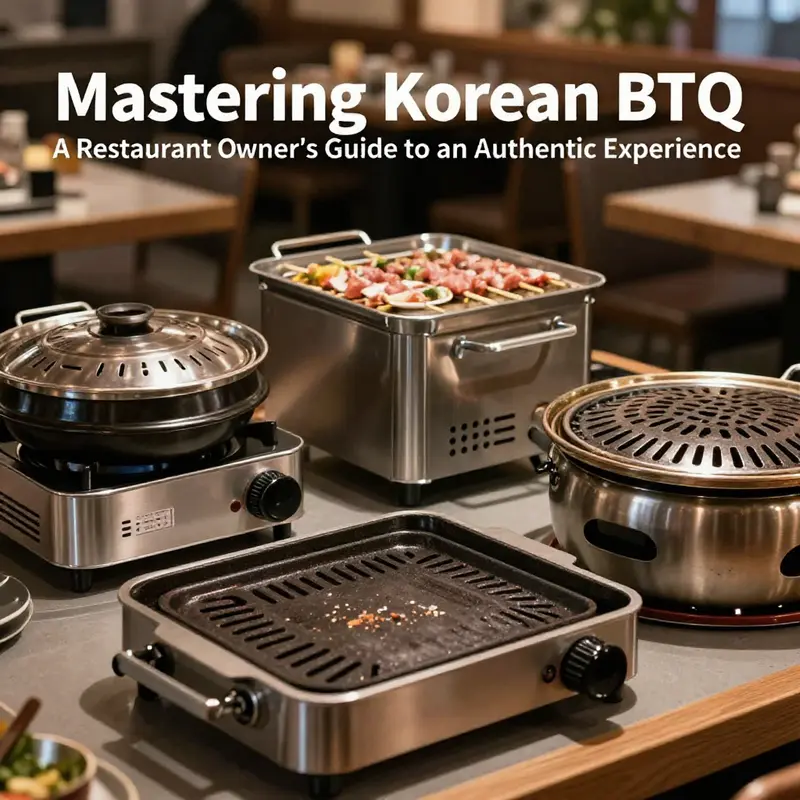
Creating an authentic Korean BBQ experience in a restaurant setting requires meticulous attention to detail. Business owners must focus on three critical aspects: selecting the ideal grill system, ensuring efficient ventilation, and incorporating traditional marinades and sauces. Each of these elements plays a vital role in providing not only delicious food but also an engaging, interactive dining environment for guests. This comprehensive guide will outline best practices for implementing each of these components in your restaurant, helping you craft a memorable Korean BBQ experience that stands out in today’s competitive market.
null
null
Breathe Easy: Mastering Ventilation for Authentic Korean BBQ in a Restaurant Kitchen
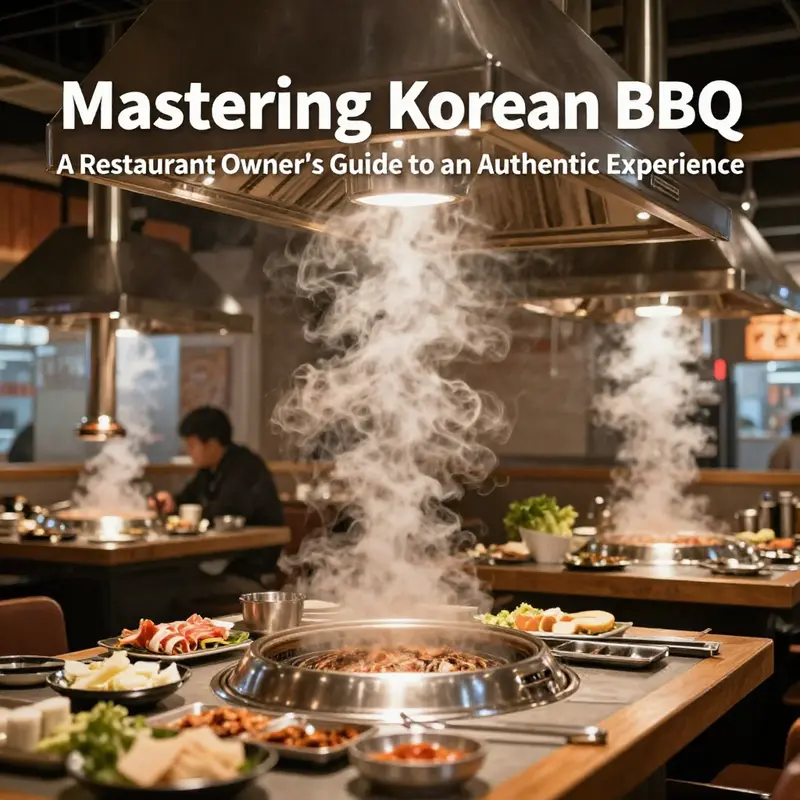
In a restaurant that aims to deliver true Korean BBQ, ventilation is more than a mechanical necessity; it is the invisible partner that preserves the flavors you work so hard to achieve and the comfort guests expect. The heat of searing grills, the shimmering glide of grease into a hood, and the aroma that lingers in the dining room all ride on a carefully engineered air system. Without robust exhaust, smoke concentrates, odors intensify, and the dining experience can turn from immersive to overwhelming. The art of cooking Korean BBQ at scale depends on designing a kitchen where air moves with intention, carrying heat away from patrons and crew while letting the marinated meat sing on the grill. When the system works, guests taste the difference between a casual tabletop cook and a carefully choreographed culinary performance. When it doesn’t, the searing crust can taste bitter, the smoke leaves a heavy film on surfaces, and the dining room carries the scent long after the grill dims. This is why choosing the right ventilation—both its architecture and its daily discipline—becomes the quiet cornerstone of authenticity. In practice, the system must handle intense heat, high grease loads, and constant cycling of open flame, all while keeping the dining area comfortable and the kitchen compliant with health and safety standards. The goal is not just to remove nuisance smoke but to preserve the integrity of every bite, so the glaze clings, the meat sears evenly, and the conversation around the table remains lively rather than muted by a harsh odor or a swirl of haze. The right approach integrates design with operation: the hoods above the grills, the ducts serving as the arteries that carry contaminants away, and the filtration stages that scrub air before it re-enters the room. A well-planned system also supports the staff who orchestrate the cooking. When the air is clear, cooks can monitor the crust, adjust the flame, and baste with confidence, while servers can guide guests through the experience without pleading for a window seat away from the smoke. The interdependence of equipment, layout, and procedure should feel seamless, as if the restaurant itself breathes in sync with the grill. A credible ventilation strategy starts with recognizing that not all kitchens are built the same. In many cities, the most reliable solution for a Korean BBQ concept is a ducted exhaust system designed to pull smoke and grease directly from the cooking zone into a dedicated discharge path. This approach, though more complex to install, delivers immediate removal of contaminants, reduces surface deposition on walls and ceilings, and lowers fire risk associated with accumulated grease. By contrast, ductless or recirculating systems may be appropriate in limited footprints or retrofit scenarios, but they are inherently less effective for heavy, continuous use. They rely on internal filtration and reintroduce air to the dining space, which can compromise odor control and filter maintenance over time. The choice matters because the dining room atmosphere is part of the meal. Patrons will notice when the air feels fresh and the room remains free of lingering smoke; they may not be able to name the exact mechanism, but they will sense the difference in comfort and confidence. With a ducted system, the kinks in the dining experience—hot seats near the grill, coughing guests, or a room that smells of grease at the end of service—tend to fade. The system becomes a partner in cuisine rather than a burden to be managed. The components of a high-performance vented hood work together like a well-tuned orchestra. First, pre-filters capture larger debris at the air intake, shielding the more sensitive filtration stages and extending the life of the main filters. Second, high-efficiency particulate air (HEPA) filters step in to trap fine particles as small as 0.3 microns, removing soot and smoke aerosols that would otherwise drift into the dining area or cling to surfaces. Third, activated carbon filters address odors and volatile compounds that odors alone cannot exhaust; these filters adsorb gases and persistent cooking smells, keeping spaces comfortable even after hectic dinner shifts. In practice, these stages don’t just sit in a box; they shape the air’s journey from intake to exhaust. The ductwork must be sized and routed to minimize pressure loss while maximizing capture efficiency, and the hood design must align with the grill configuration so that smoke is drawn away at the source. The structural realities of the space—ceiling height, the weight and stiffness of ductwork, the seismic and fire-code considerations—demand professional planning. A robust installation requires a structural assessment to ensure support for heavy equipment and to verify safe clearances from electrical and gas lines. It is not a job to be rushed or improvised; the long-term payoff is reliable performance, easier maintenance, and stronger compliance with local fire codes. In addition to the ducted route, operators should weigh the benefits and constraints of alternatives that suit certain buildings or retrofit projects. Ductless systems offer space savings and simpler installation, but their performance under heavy, ongoing use may be limited. They rely on multiple filters and fan power to keep air clean, and their ability to remove greasy films and persistent odors is inherently reduced compared with a true ducted configuration. The decision should hinge on a careful appraisal of occupancy patterns, kitchen output, and local regulations. The goal is a solution that provides consistent air quality across all dining zones, preserving the integrity of the Korean BBQ experience from the first sizzle to the last bite. In the broader ecosystem of restaurant operations, ventilation connects to every other decision: the choice of grill system, the layout of seating and service stations, and the cadence of service. It is the quiet enabler of sustainable dining, where guests enjoy the choreography of guests grilling their own meat while staff guide them with confidence, and where the kitchen remains a model of cleanliness and safety. For operators seeking a broader understanding of how ventilation standards intersect with code compliance and kitchen design, resources that detail NFPA guidelines are invaluable. And while no single chapter of a kitchen’s story is complete without a strong ventilation plan, it is the synergy between airflow, filtration, and structural support that ultimately preserves flavor and safety. If you want to see an example of how a venue links its dining experience with practical layout choices, explore a related all-you-can-eat Korean BBQ concept for Portland: all-you-can-eat-korean-bbq-portland. The path to a truly authentic Korean BBQ at scale begins with air that is clean, drawn away efficiently, and replaced thoughtfully, so every plate carries the essence of the grill rather than the burden of the room. For operators who want to dig deeper into the fire and safety standards that govern commercial kitchens, refer to the broader framework outlined by professional bodies and codes. External resources like NFPA guidelines offer a structured foundation for designing, installing, and maintaining compliant ventilation systems that stand the test of busy nights and growing demand. See the NFPA guidance for a clearer picture of best practices in commercial kitchen ventilation: https://www.nfpa.org/.
From Fermentation to Flame: Crafting Authentic Korean BBQ Marinades and Sauces in a Restaurant
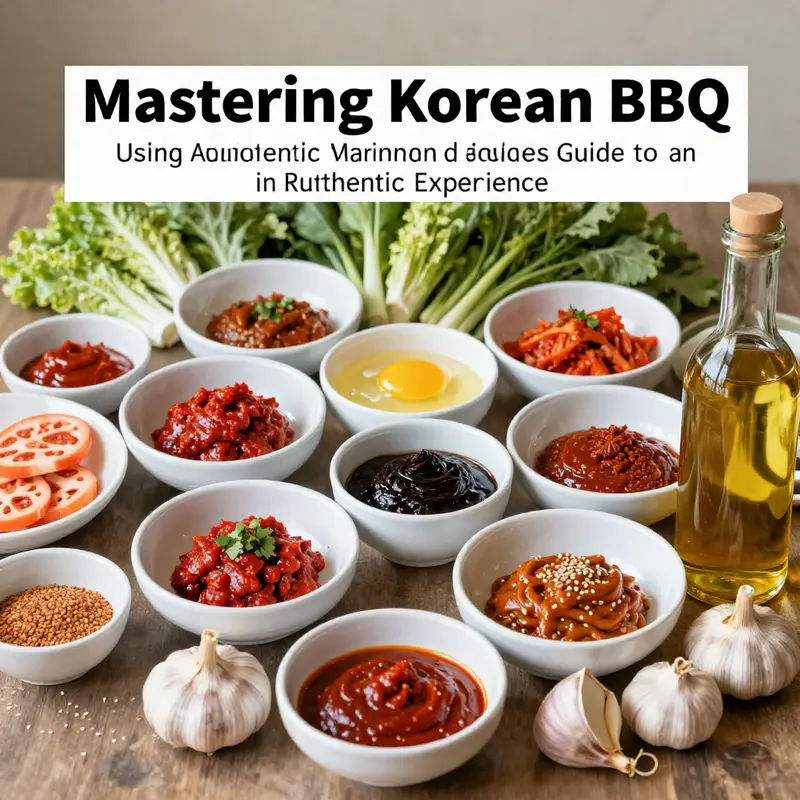
The soul of Korean BBQ at a restaurant lives in the marinades and sauces that color every bite before the meat even touches the grill. They are not afterthoughts or quick fixes; they are the living record of technique, tradition, and the restaurant’s own craftsmanship. In a well-run kitchen, these sauces carry the memory of fermentation passed down through generations, while also speaking to modern expectations for consistency, speed, and depth. The moment a diner selects galbi or bulgogi, the waitstaff and kitchen are bound by a shared language of taste, texture, and color. The marination process is both science and ceremony: a careful balance of salt, sweetness, heat, and aroma that promises tenderness and a glossy crust when it meets high heat. This balance is not accidental. It is engineered through ingredients that work in concert to transform simple cuts into melt-in-your-mouth experiences, and it is executed with restraint, precision, and respect for the meat’s own character.
Central to this craft are the core components that populate many Korean BBQ sauces. The foundational salty backbone comes from fermented soy pastes and soy-based sauces, often referred to in the kitchen as ganjang and related pastes. They supply not only salt but a deep, toasted umami that resonates during the quick sear and the lingering finish on the plate. From there, gochujang—the bright, fermented red chili paste—adds heat, fruitiness, and a subtle sweetness that deepens with time. Doenjang, the fermented soybean paste, contributes earthy, complex notes that can ground a glaze or lift a dipping sauce with a sultry, roasted quality. These are not merely flavor enhancers; they are the scaffolding that supports the meat’s natural savoriness, allowing the grill’s char to develop without masking the source product.
Beyond these anchors, fruit-based tenderizers and gentle sweetness play crucial roles. Pear and kiwi purées, often introduced in controlled amounts, bring enzyme-driven tenderness to meats like bulgogi and galbi. Enzymes such as actinidin begin to break down tougher muscle fibers, helping the proteins loosen their grip while the marinade remains vibrant rather than mushy. The enzymatic action must be carefully calibrated, because too much exposure can over-tenderize and rob texture. That is why most chef-driven marinades recommend a window of thirty minutes to four hours. Shorter times preserve bite and bite-age, while longer periods unlock deeper fragrance and ease of slicing for service readiness. Sugar, honey, or brown sugar then joins as the finishing kiss of caramelization. When the grill roars, the sugars caramelize rapidly, creating a glossy crust that catches the eye and seals moisture inside the meat. When done well, the result is a crust with just enough tack to hold a bite of ssamjang and a leaf of lettuce, while the interior remains moist and flavorful.
The philosophy behind authentic sauces also embraces texture and aroma as dynamic elements of a shared dining ritual. The finishing glaze—applied with a light brush or touched with a quick return to the grill—provides a sheen that signals both readiness and comfort. Finishing sauces or table condiments offer room for guests to tailor heat and sweetness to their liking, reinforcing the interactive nature of Korean BBQ. This customization is a deliberate design choice: it honors regional variation while inviting guests to participate in the flavor-building process. Seoul-style sauces tend to balance sweetness and saltiness with an even hand, whereas Busan and other regional interpretations push a bit more garlic-forward heat and a touch more fermented depth. The result is a chorus of profiles that remain coherent when plated together, each bite echoing a common method while speaking to different preferences. A subtle, recurring theme is the moment when agar or sesame oil establishes a finish that lingers with warm, toasty notes, carrying the meal from the grill to the table with a sense of ceremony.
In practice, kitchens aiming for authenticity invest in house-made pastes and sauces rather than relying on shortcuts. Fresh ingredients, careful fermentation, and avoidance of artificial preservatives are hallmarks of quality. The difference is visible in the glassy lacquer on a perfect bulgogi or galbi, and in the lingering aroma that follows a plate’s departure from the grill. This commitment also shapes the dining room experience. Servers educate guests on how to cook, baste, and wrap in lettuce with ssamjang, building confidence at the table and encouraging a shared, convivial rhythm. Such interaction is a core feature of the restaurant form: an edible theater where the sauce is the script and the grill the stage.
The craft does not exist in isolation. It intersects with the broader culinary culture of the restaurant, from sourcing and seasonality to consistency across dozens of service cycles. Chefs preserve authenticity by steering clear of shortcuts—avoiding non-fermented substitutes, artificial flavors, or overly aggressive preservatives—and by prioritizing hand-prepared marinades that honor fermentation traditions. Yet they also embrace the realities of a busy dining room: they prepare marinades in controlled batches, monitor marination times with precise schedules, and manage the balance of flavors with a disciplined palate trained to detect even subtle deviations. The result is a menu that feels timeless, yet deliberately tuned for contemporary service—where guests experience a sense of place in every bite, through both technique and temperament.
In an era of culinary exploration, some restaurants expand their narratives by linking Korean BBQ with other kitchen traditions, sometimes exploring cross-cutting flavor ideas while maintaining respect for core elements. A dish or concept that borrows from a neighboring discipline can illuminate the integrity of the original, much as a well-crafted ssamjang reveals the layers within gochujang and doenjang. Those who study the broader barbecue conversation might even encounter related menu items or essays from other kitchens; for readers seeking a related example that travels across menus, the discussion of Korean BBQ and sushi in one restaurant family can offer a useful point of reference. Kogi Korean BBQ Sushi demonstrates how chefs translate the same fermentation-driven philosophy to a different culinary context, without diluting the essential technique that underpins the sauce and marinade craft.
For those who want a deeper, more technical dive into fermentation-driven sauce development, a trusted external resource provides a detailed map of traditional methods and modern adaptations that align with professional practice. This guide emphasizes how fermentation builds depth, how sugar and acid balance interact with heat to create crust and aroma, and how sauce and glaze are deployed across service to heighten the dining experience. It reinforces the idea that authenticity lives in a disciplined craft, not a single recipe.
External resource: https://www.seriouseats.com/korean-bbq-sauce-recipe-5071642
Final thoughts
Mastering the art of Korean BBQ involves more than just serving good food; it’s about cultivating an experience that resonates with guests. By investing in the right grill systems, ensuring proper ventilation, and utilizing authentic marinades, your restaurant will not only meet but exceed customer expectations. This focus on quality will help establish a robust reputation, drawing in patrons eager for a genuine Korean BBQ dining adventure. Embrace these practices to ensure your restaurant thrives in the competitive culinary landscape.