
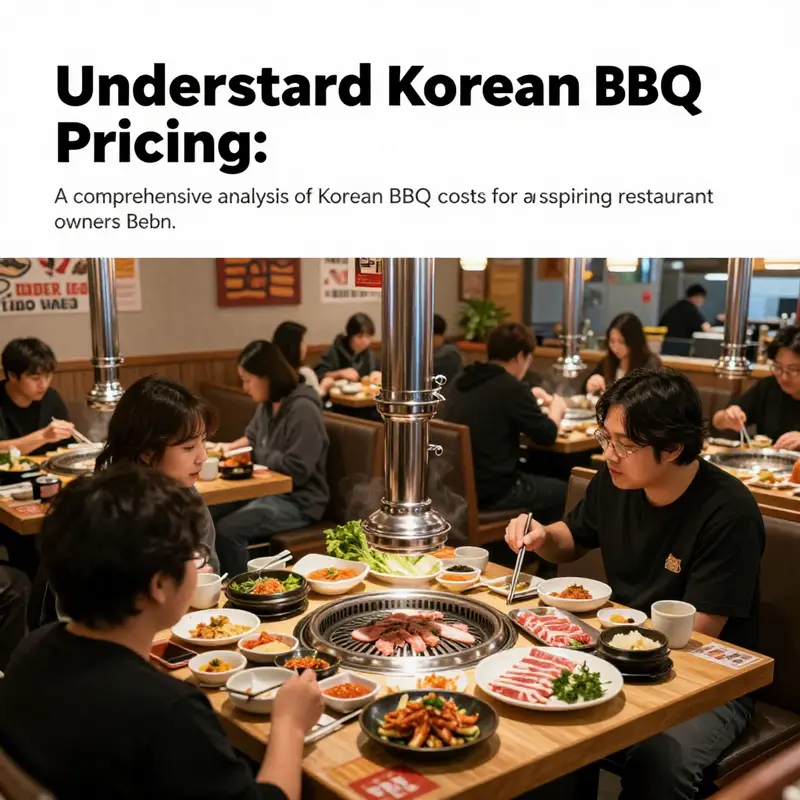
Korean BBQ has gained significant popularity worldwide, attracting both discerning diners and budget-conscious consumers. For business owners in the restaurant industry, comprehending the diverse pricing dynamics rooted in the quality, service model, and atmospheric components of Korean BBQ is crucial. This article delves deep into two pivotal areas: the differentiation between premium and budget options available in Korean BBQ and a comparative analysis of pricing strategies in global markets. By exploring these facets, restaurant operators can strategize effectively to meet diverse consumer demands and optimize their offerings.
Pricing on the Grill: How Premium and Budget Korean BBQ Reflect Quality, Service, and Experience
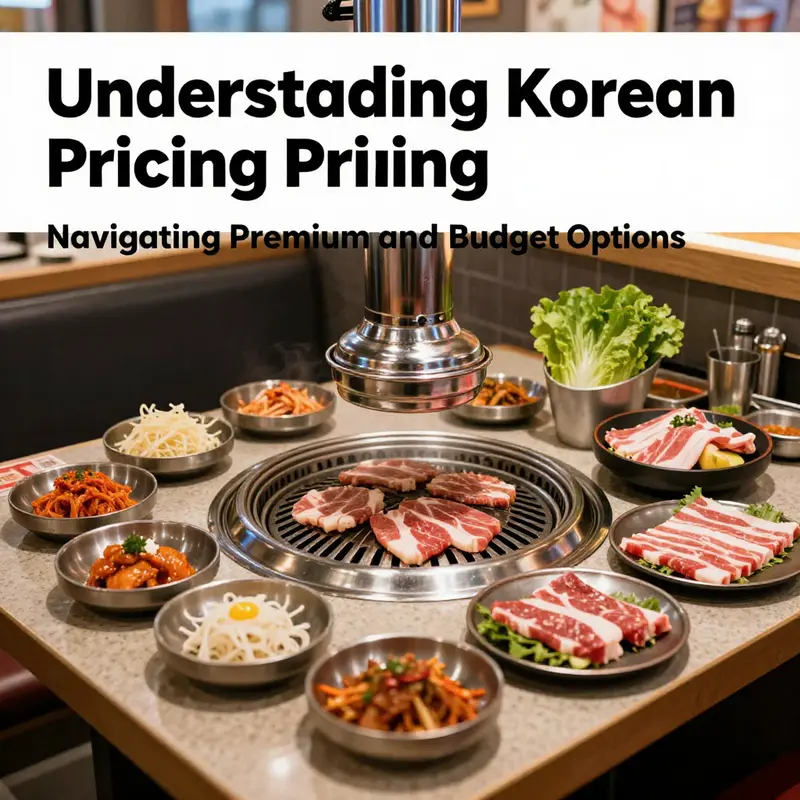
Pricing on the grill often feels like the first tell for what you’re buying when you sit down at a Korean barbecue table. It isn’t just a sticker price on a plate of meat; it’s a shorthand for the entire dining journey, from the sourcing of the beef to the ambient glow of the dining room, from the choreography of the table-side grilling to the rhythm of the side dishes that arrive in waves. In Seoul, as in many food scenes worldwide, price bands have formed around two broad archetypes: premium and budget. Understanding what sits behind those numbers helps explain why a meal can feel like a refined ritual one night and a robust, communal feast the next. The distinction isn’t merely about who can afford a splurge; it’s about the promises embedded in the experience itself—quality meat, attentive service, a curated ambiance, and the structure of the dining format you choose.
Premium Korean BBQ is defined by more than higher meat quality. It begins with the raw materials, where marbling, aging, and meticulous sourcing elevate the expectations for tenderness and flavor. The price range often lands high because restaurants invest in premium cuts that arrive at the table ready for grilling, with minimal trimming and a consistency that helps ensure a certain bite and juiciness across courses. The table grilling experience itself becomes a feature, almost a performance, as staff may assist with heat control, timing, and plating, ensuring that each piece is cooked to a precise degree of doneness. The surrounding environment reinforces the value proposition: a refined dining room, carefully chosen decor, better acoustic design, and a level of service that treats the meal as a special occasion rather than a casual exchange. And then there are the side dishes—banchan—that come in abundance, often more varied and plate-spread than a typical neighborhood dinner. The social atmosphere is part of the value, inviting guests to linger, chat, and celebrate together, while the kitchen or grill area hums with activity.
In practice, premium pricing serves a target audience drawn to an authentic, immersive experience. People come seeking not just sustenance, but a moment that feels crafted and memorable. They may be celebrating a milestone or simply investing in a high-end dining ritual that stands apart from everyday meals. The price signals the intention of the venue: a care for ingredient integrity, an elevated service standard, and a setting that invites conversation as much as it invites tasting. It’s a holistic package, where the meat quality, the kitchen’s responsiveness, and the dining room’s mood align to deliver a sense of occasion, even in a casual, interactive format.
Budget options, by contrast, flip the emphasis toward value without sacrificing the core appeal of Korean barbecue: the communal grilling, the abundance of small plates, and the opportunity to sample a range of cuts within a single sitting. The price range commonly falls lower, but the experience remains social and satisfying. In these venues, the format often shifts toward all-you-can-eat models, where the emphasis is on quantity and variety rather than elevated singular cuts. A string of meats, often more standardized in selection, is paired with a reliable roster of banchan and drinks, designed to maximize turnover while keeping the dining experience comfortable and family-friendly. In many neighborhoods and tourist districts, these venues embrace efficiency and consistency, offering menus that rotate through familiar favorites and seasonal additions that keep the experience fresh without driving up costs. The result is a value proposition that appeals to groups, families, and budget-minded travelers who want variety, convenience, and a predictable price point.
The price gap between premium and budget is not a single fault line so much as a spectrum shaped by several interlocking factors. Ingredient quality is the most obvious variable: the premium tier tends to emphasize marbling, tail cuts, and aging techniques that can command higher prices at the source and in the kitchen. But the differential extends beyond meat alone. Service level matters—premium venues often deploy more staff per guest, offering guidance on grilling temperature, timing, and portion control, along with a higher standard of cleanliness, table upkeep, and guest attention. The format itself influences cost. A table that expects guests to actively grill their own meat will still require skilled oversight in premium settings to maintain an elevated dining rhythm, while budget spots may optimize for speed and throughput, reducing the per-guest labor cost by accelerating turnover and simplifying service models.
Another layer is ambiance—the visible and sensory cues that shape perception of value. In premium settings, lighting, acoustics, table spacing, and even scent design are coordinated to create a refined mood that complements the tasting notes of the meat. The social dynamic can be more restrained or celebratory, depending on the venue, but the overall experience tends to feel curated. Budget venues, conversely, invite a different form of engagement: a bustling, lively tempo that suits groups and casual gatherings. The furniture, decor, and even noise levels reflect a more functional rather than aspirational atmosphere. Yet both approaches celebrate the same core ritual of meat, heat, and shared plates; the difference lies in how much a given space amplifies the sensory cues that make dining feel special.
Location and market conditions also shape pricing. In a city center or a tourist hub, rents, labor costs, and competition push price points upward, a pressure that premium houses can absorb through disciplined menu design and a smaller, more curated selection of cuts. In other districts, where foot traffic and turnover are high, budget operators can lean into volume, broad appeal, and consistent hourly pricing to extract value. The same city can present both ends of the spectrum, each responding to different expectations and demands: some guests prioritize a polished, shareable experience with a careful selection of cuts and a memorable environment, while others seek a forgiving scale, variety, and the social joy of a long table where everyone helps themselves and chat bleeds into the grill sizzle.
For readers mapping out a dining plan, the distinction between premium and budget is not merely about money. It’s a guide to expectations: what you want from the meat’s character, what level of service you value, and how important ambiance and pacing are to your meal. It also helps explain the practicalities of choosing a venue. A premium restaurant may offer a smaller set of high-impact options, paired with attentive service and a more formal presentation. A budget-focused venue will likely present a wider range of meats and cuts in an all-you-can-eat format, designed to provide volume and variety at a fixed price. In both cases, you’re buying time and social connection as much as food, and the price is a map to how that time will unfold.
As you plan, keep in mind that pricing information can shift with seasons, special events, and local promotions. The most reliable way to gauge what you’ll get for the price is to look beyond the label and consider what each price tier promises: composition of the menu, the expected pace, the level of care in grilling guidance, and the overall environment. When possible, consult official restaurant pages or trusted review platforms for the latest details on menus and time limits, and remember that a higher sticker price often signals a more curated, less hurried experience, while a lower price typically prioritizes breadth and social energy over refinement. For a deeper, structured breakdown of Seoul’s Korean BBQ pricing landscape, see the external resource linked in the reference section. In addition, you can explore all-you-can-eat Korean BBQ format to get a concrete sense of how the budget model translates into daily dining.
For readers seeking a practical takeaway, the key is to align price with priorities. If you crave a moment of shared ritual—friends gathered around a hot grill, a chorus of sizzling and clinking plates, and a dining room that feels like a thoughtful invitation—investing in a premium option can amplify that sense of occasion. If, instead, the goal is broad sampling, reliable taste, and a family-friendly setting where you can enjoy more variety per visit, the budget route offers strong value. Either path maintains the fundamental appeal of Korean BBQ: heat, meat, and companionship at a table that becomes a micro-community for the evening. And while the numbers may vary from district to district and city to city, the underlying logic remains consistent: pricing serves as a signal of the balance between ingredient integrity, service quality, and the social experience that makes Korean BBQ a shared, memorable event.
External resources for further reading and current pricing guidance can be found in the referenced price guide. For up-to-date insights into Seoul’s Korean BBQ scene, the price guide provides a concise snapshot of how the market prices these experiences across tiers: https://www.koreaherald.com/view.php?ud=20260224000368
How Global Supply, Tech and Sustainability Shape Korean BBQ Pricing
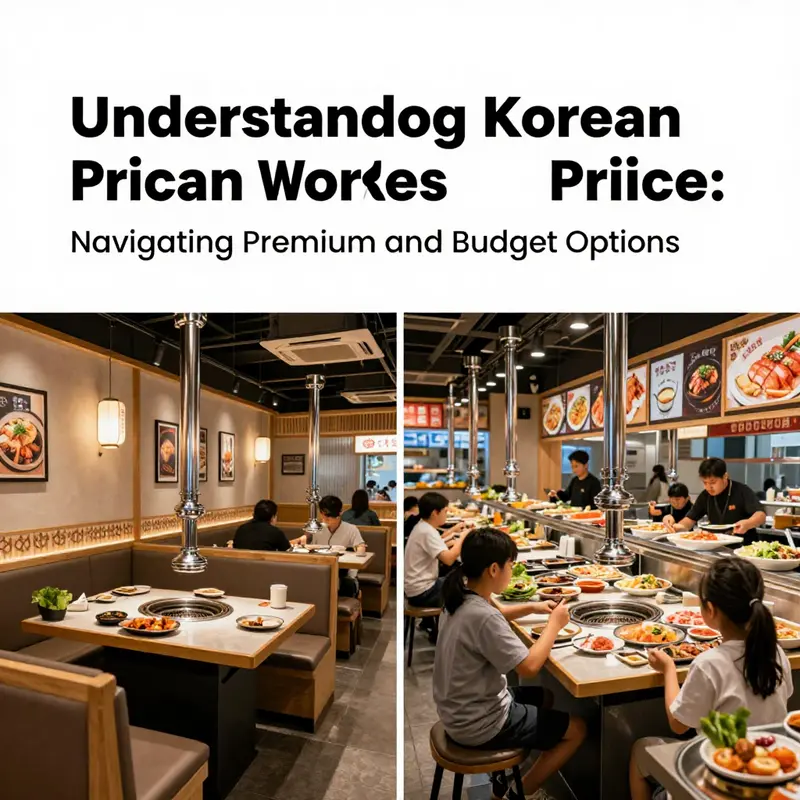
Understanding the supply chain behind Korean BBQ pricing unlocks why menus and rental lists vary so widely. From Seoul dining rooms to overseas buffet halls, the price a customer pays reflects more than meat quality and service. It mirrors a chain of decisions that starts at the factory, moves through logistics and regulation, and ends with branding and aftercare. This chapter traces that flow so you can read a restaurant price tag with more context and less guesswork.
Manufacturing location remains the single largest determinant of equipment cost. Industrial clusters in coastal China achieved scale decades ago. There, stainless steel, ventilation components, and metal fabrication are available at competitive rates. Vertical integration—suppliers for parts, electronics, and finishing all within short distances—reduces procurement complexity. That lowers the baseline manufacturing price for grill tables, exhaust systems, and electric burners. In contrast, domestically produced equipment in South Korea tends to reflect higher labor and development costs. Those domestic products often include research-driven features and local warranties that raise the sticker price.
Technology and customization add another layer. Smokeless grills, touch ignition, modular table tops, and height-adjustable burners appeal to higher-end buyers. These features require design, testing, and electronic components. When manufacturers offer rapid prototyping and customizable runs, buyers pay a premium for flexibility. Smaller restaurants may prefer standardized units to control cost. Larger chains, premium locations, and international distributors often accept higher upfront equipment expenditures in exchange for unique features that enhance the guest experience. That willingness to spend drives a tiered market where basic units sit at the low end and smart, modular systems sit at the top.
Sustainability considerations increasingly influence price too. Eco-friendly charcoals and briquettes made from agricultural byproducts or responsibly sourced biomass often cost more than cheap fossil-fuel-based alternatives. When producers adopt cleaner carbonization methods or secure sustainability certifications, their input costs rise. Businesses targeting environmentally conscious diners or international markets may absorb those costs or pass them on to customers via menu pricing. Restaurants that advertise sustainable grilling practices use those credentials to justify higher per-person prices.
Logistics and regulatory overheads are practical but decisive cost drivers. Factories located near major ports ship faster and cheaper. Shipping lanes, freight schedules, and container availability affect lead times and cost predictability. Tariffs and import duties add fixed percentages that vary by destination. Electrical safety certifications and compliance with local ventilation codes require testing and documentation. Sellers who bundle certification and technical support can charge more because they reduce risk for the buyer. Conversely, bare-bones importers who ship uncertified equipment may offer lower prices but expose restaurants to compliance headaches and retrofitting costs.
Branding, warranty, and service shape the perceived value. A supplier that commits to responsive spare parts, on-site installation, and multilingual technical manuals attracts buyers who prioritize uptime. For a restaurant, downtime at a busy service period is an expensive problem. Paying more for a reputable supplier often looks sensible when measured against potential revenue losses. This is why some venues charge higher menu prices: their cost structure includes premium warranties and support agreements for complex grill systems.
Scale of purchase matters for restaurants and distributors. Bulk orders dilute shipping and per-unit manufacturing costs. Chains that standardize equipment across multiple locations benefit from volume discounts. Independent operators ordering a single table lack that leverage. As a result, franchise-level cost per unit can be materially lower than single-location purchases. That difference filters down to the dining bill, since chains can allocate lower capital expense per seat across their pricing strategy.
Currency fluctuations and geopolitical trends add volatility. Exchange rates between the buyer’s currency and the manufacturer’s currency change equipment prices without any change in factory output. Political actions, trade sanctions, or sudden export controls shift margins. Savvy purchasers hedge timing and diversify supplier geographies to stabilize costs, but many smaller operators simply absorb or transfer those unpredictable variations to customers.
Beyond hardware, consumables and operating inputs drive recurring cost decisions that affect menu pricing. Durable grilling systems reduce replacement frequency, lowering long-term capital expenditure. But consumables like charcoal, gas, seasoning oils, and filters recur. Restaurants may balance higher equipment acquisition costs against lower ongoing supply expenses. For example, a more efficient ventilation system might cost more initially, but reduce energy and filter replacement bills over time. Restaurants that disclose such efficiencies sometimes position prices as reflecting long-term quality and lower environmental impact.
How these equipment and supply dynamics translate into restaurant pricing patterns is predictable. In markets where domestic, innovation-driven production dominates, equipment costs are higher. These costs show up as premium menu items, smaller seat counts, refined service, and curated ingredient lists. Where export-driven manufacturing is cost-competitive, the barrier to opening all-you-can-eat formats is lower. That leads to more buffet-style offerings and value-oriented menus. Yet even in buffet markets, value depends on the supplier network. A venue that opts for higher-grade, certified equipment will face higher overhead, and may set prices higher than competitors who chose entry-level imports.
Finally, the customer-facing result of these supply-side choices is a spectrum. At one end are premium sit-down experiences that price per person to cover high-end meat, sophisticated grills, and attentive service. At the other are large-scale buffets that economize on equipment, source broadly, and compete on volume. Between them exist countless hybrids that mix upscale meats with efficient imported hardware or affordable menus built around superior ventilation and service efficiencies.
For restaurateurs, reading this means recognizing where to invest and where to economize. For diners, it explains why two Korean BBQ experiences in the same city can have very different price tags. Equipment origin, customization, logistics, sustainability, and after-sales service all flow through to the bill. If you want to explore options for purchasing or comparing equipment and supplies, a local marketplace can provide insight into availability and pricing. See a useful directory of supplies and equipment in the comprehensive Korean BBQ mall for regional listings and vendor contacts: Korean BBQ mall.
For a deeper market-level analysis of how domestic and export dynamics shape pricing in South Korea and beyond, refer to this authoritative industry study: https://www.researchandmarkets.com/reports/5678903/south-korea-barbecue-grill-mesh-market-competitive-landscape
Final thoughts
Korean BBQ pricing reflects a tapestry woven from various influences, including meat quality, dining experience, and location. Business owners need to strategically position their offerings, balancing between premium experiences that cater to high-end customers and affordable buffets appealing to families and groups. Understanding these pricing dynamics can empower restaurant operators to craft unique experiences that meet customer expectations while optimizing profit margins. With careful consideration of global market trends and local consumer preferences, restaurateurs can navigate the competitive landscape of Korean BBQ with greater efficacy.