
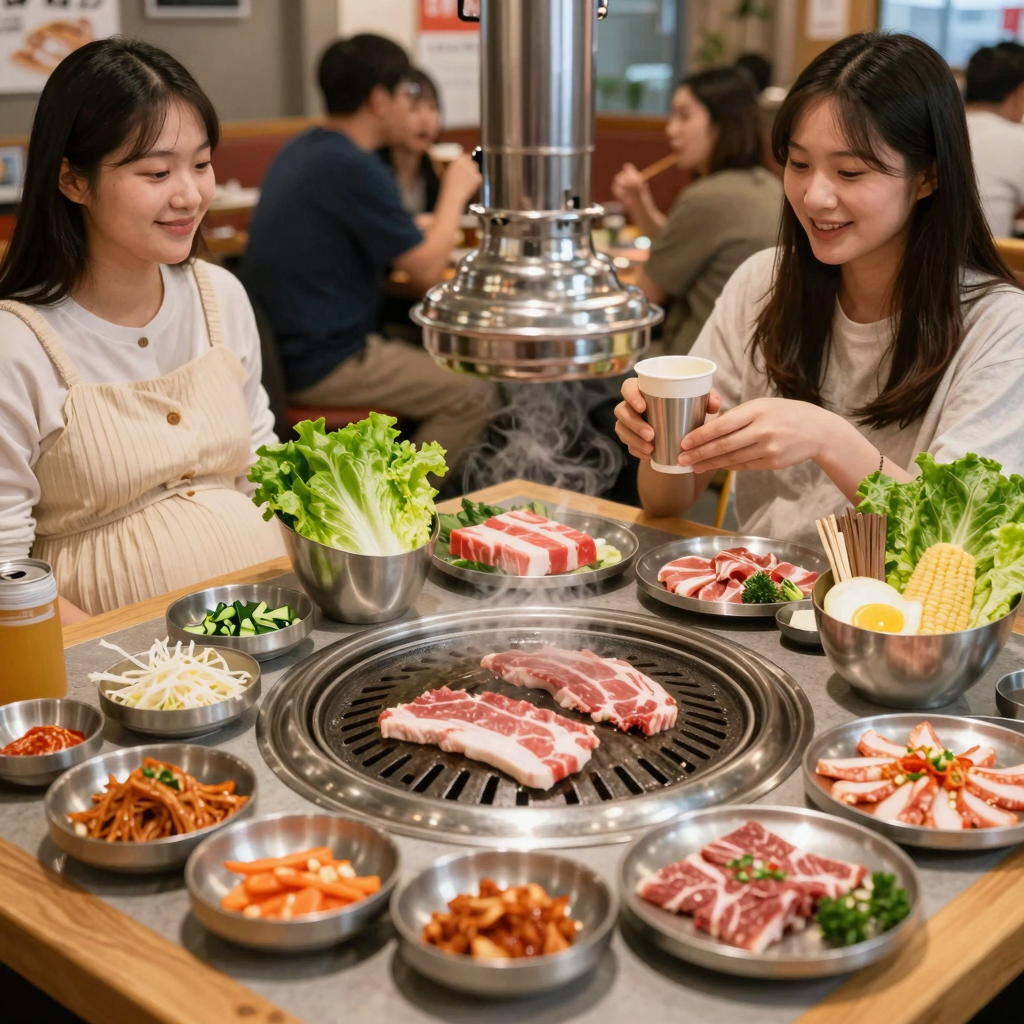
Introduction to Korean BBQ During Pregnancy
Korean BBQ is more than just a meal; it’s a cultural experience that brings families and friends together around a vibrant grill. This form of dining, characterized by grilling meats right at the table, has gained immense popularity globally, celebrated for its delicious flavors and social ambiance. Pregnant women often crave a variety of flavors, raising the question: Can you enjoy Korean BBQ during pregnancy? The answer is complex and requires a keen understanding of both cultural significance and health considerations.
Korean cuisine is rich in history, featuring delectable dishes like bulgogi and galbi, known for their marinated and tender meats. Amidst the sizzling sounds and mouth-watering aromas, there’s an underlying emphasis on health, incorporating elements like fresh vegetables, fermented foods, and wholesome proteins. Hence, while Korean BBQ can be a delightful culinary adventure during pregnancy, it’s essential to consider food safety and dietary restrictions to protect both mother and baby. For expectant mothers, understanding which components of Korean BBQ to enjoy and which to approach with caution can enhance the experience without compromising health. We’ll explore these aspects, delving into how to satisfy those cravings responsibly during this exciting time.
Health Guidelines for Eating Korean BBQ During Pregnancy
Eating Korean BBQ while pregnant can be delightful, but it also requires attention to safety and health guidelines. Consult the following table for safe practices and recommended food choices.
| Guideline | Details |
|---|---|
| Safe Cooking Practices | – Ensure all meats are thoroughly cooked: beef and pork to 145°F (63°C) and ground meats to 160°F (71°C). |
| – | – Avoid undercooked meats, especially organ meats and fish. |
| – Use separate utensils and plates for raw and cooked foods to avoid cross-contamination. | |
| Recommended Food Choices | – Opt for lean meats: chicken, fish, and well-cooked beef or pork. |
| – | – Choose fresh, pasteurized kimchi to avoid risks. |
| – Pair meals with steamed vegetables and rice to balance high sodium levels. | |
| Limitations | – Avoid high-fat, heavily seasoned dishes to reduce heartburn and digestive discomfort. |
| – Stay hydrated and limit salt intake. | |
| Expert Advice | – Always eat at reputable restaurants with strict food safety guidelines. |
| – | – Refer to more detailed resources like the American Pregnancy Association and Healthline. |
Nutritional Value of Korean BBQ
Korean BBQ is renowned for its rich flavors and variety, offering a delightful mix of grilled meats, vegetables, and flavorful side dishes, which can be nutritious for pregnant women when prepared thoughtfully. Here’s a closer look at the nutritional components of typical Korean BBQ dishes.
Nutritional Components
A standard serving of Korean BBQ, such as grilled beef short ribs (Galbi), can provide a wealth of essential nutrients:
| Nutrient | Typical Korean BBQ (e.g., Beef Short Rib – Galbi) | Key Vitamins & Minerals Beneficial for Pregnant Women |
|---|---|---|
| Calories | ~350-450 kcal per 100g (cooked, lean cut) | N/A |
| Protein | ~30-35g per 100g | Folate (B9): Crucial for fetal neural tube development. Found in beef and vegetables used in side dishes (banchan). |
| Fat | ~20-25g per 100g (varies with marbling; higher in fatty cuts like bulgogi) | Iron: Essential for preventing anemia and supporting increased blood volume. Red meat is a rich source. |
| Carbohydrates | ~2-5g per 100g (mainly from marinade sugars) | Calcium: Vital for fetal bone and teeth development. Primarily from dairy and other sources. |
| Key Vitamins & Minerals | B vitamins (B1, B2, B3, B6, B12) | Vitamin B6: Helps reduce nausea during pregnancy. Abundant in beef and many banchan. |
Important Considerations for Pregnant Women
- Food Safety: Ensure all meats are thoroughly cooked to avoid pathogens like Listeria and Toxoplasma, which can be particularly harmful during pregnancy.
- Sodium Intake: Korean BBQ can be high in sodium due to sauces and marinades. It’s important to monitor sodium levels to prevent high blood pressure and fluid retention.
- Marinades: Traditional marinades may contain added sugars and sodium. Homemade versions can help control these ingredients for a healthier meal.
Benefits of Side Dishes (Banchan)
Korean BBQ is typically served with a variety of side dishes, known as banchan, which enhance the meal’s nutritional profile:
- Kimchi: Rich in probiotics and vitamins, kimchi supports gut health and provides vitamin C and K.
- Steamed Vegetables: Such as spinach and bean sprouts, which are excellent sources of folate and iron.
- Japchae (Stir-fried Glass Noodles): Offers complex carbohydrates and micronutrients when prepared with vegetables and lean proteins.
In summary, when consuming Korean BBQ during pregnancy, pairing grilled meats with plenty of fresh vegetables and moderate servings can provide a well-rounded source of nutrients that support maternal health and fetal development. To explore various options, check out Kogi Korean BBQ’s diverse offerings for exciting menu ideas.
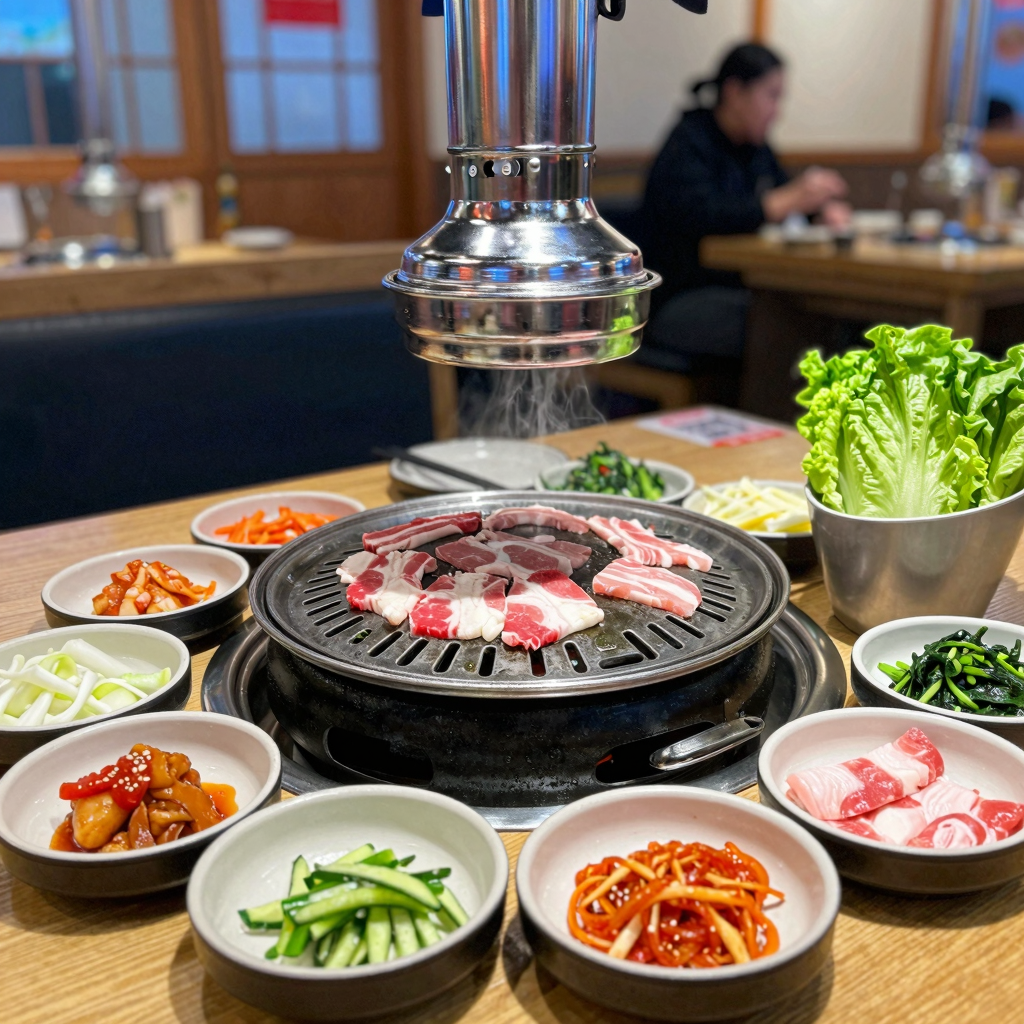
Addressing Safety Concerns Related to Consuming Raw or Undercooked Meats During Pregnancy
When it comes to dining experiences such as Korean BBQ, where raw or undercooked meats are often served, it’s crucial for expecting mothers to understand the associated health risks. Consuming raw or undercooked meats during pregnancy poses several significant safety concerns, which are emphasized by health organizations globally.
Potential Risks of Raw or Undercooked Meats
According to the Centers for Disease Control and Prevention (CDC), pregnant women should avoid raw fish, sushi, oysters, clams, and any undercooked meats (such as rare steaks or partially cooked chicken). This is primarily due to the increased risk of foodborne illnesses caused by pathogens such as Listeria, Salmonella, and various parasites, including Toxoplasma. These pathogens can lead to serious complications in pregnancy:
- Listeriosis: This is an infection caused by Listeria bacteria, which can result in miscarriage, premature labor, or severe illness in newborns. Pregnant women are significantly more susceptible to Listeria infections, which can be contracted from contaminated foods-even those that appear fresh and well-prepared.
- Salmonellosis: Salmonella is another bacteria that can cause severe gastrointestinal illness. For pregnant women, a Salmonella infection can lead to dehydration, which requires hospitalization and poses risks to fetal health.
- Toxoplasmosis: This parasitic infection can be contracted from undercooked meat, particularly pork, lamb, and goat. It can cause severe health issues for the unborn child, including blindness and brain damage.
Health Guidelines and Recommendations
Health authorities, including the Mayo Clinic and the National Institutes of Health (NIH), stress that all meats and seafood should be cooked to safe internal temperatures to eliminate these risks. Here are essential guidelines recommended for pregnant women:
- Cook all meats thoroughly: Ensure that all types of meat are cooked to a safe internal temperature. For instance, whole cuts of beef or pork should reach at least 145°F (63°C), and poultry should be cooked to a minimum of 165°F (74°C).
- Refrain from consumption of cold or raw meats: Foods such as sushi containing raw fish, or delicacies including tartare and certain cold cuts, should be avoided to prevent any potential exposure to harmful bacteria or parasites.
- Be cautious with leftovers: Pregnant women should not consume leftover meats that have not been stored properly, as these can harbor bacteria if left at room temperature for too long.
Conclusion
Choosing to dine at establishments offering Korean BBQ presents unique challenges for pregnant women. The enjoyment of such cuisine can come with substantial risks if raw or undercooked meats are part of the meal. Therefore, it is vital for expecting mothers and the businesses serving them to prioritize food safety. Thorough cooking of all meats is not only essential for the health of the mother but also crucial for the safety of the unborn child.
For more information on safe dining options during pregnancy, you can learn more about meat safety or explore food safety guidelines from the Mayo Clinic.
Safe Meat Options for Pregnant Women at Korean BBQ
When enjoying Korean BBQ during pregnancy, it’s essential to select meats that are safe and nutritious. Here’s a list of safe meat options suitable for pregnant women, along with their benefits:
-
Grilled Beef Shortribs: Tender and flavorful, these are a great source of high-quality protein and essential nutrients. Ensure they are cooked to at least 145°F (63°C).
-
Pork Jowl: This cut is fatty yet rich in flavor. Cooking it thoroughly provides a good dose of B vitamins and zinc, which are important for fetal development.
-
Chicken Thighs: A safe option when grilled properly, chicken thighs are juicy and provide iron and protein. Ensure the internal temperature reaches at least 165°F (74°C).
-
Turkey: Lean turkey is an excellent choice due to its high protein content and lower fat, helping maintain energy levels.
-
Shrimp: If you love seafood, cooked shrimp can be a delicious addition to your BBQ. It’s high in omega-3 fatty acids, which are beneficial for brain development.
Remember to avoid any raw or undercooked meats, as well as certain marinated dishes that may not be thoroughly cooked. Always make sure that your food is prepared in a clean environment to reduce the risk of foodborne illnesses. For more details on safe dining practices, you can check out the recommendations from the [CDC](https://www.cdc.gov/foodborne illness/food-safety-during-pregnancy/korean-bbq.html).
Cultural Significance of Korean BBQ in Social Settings
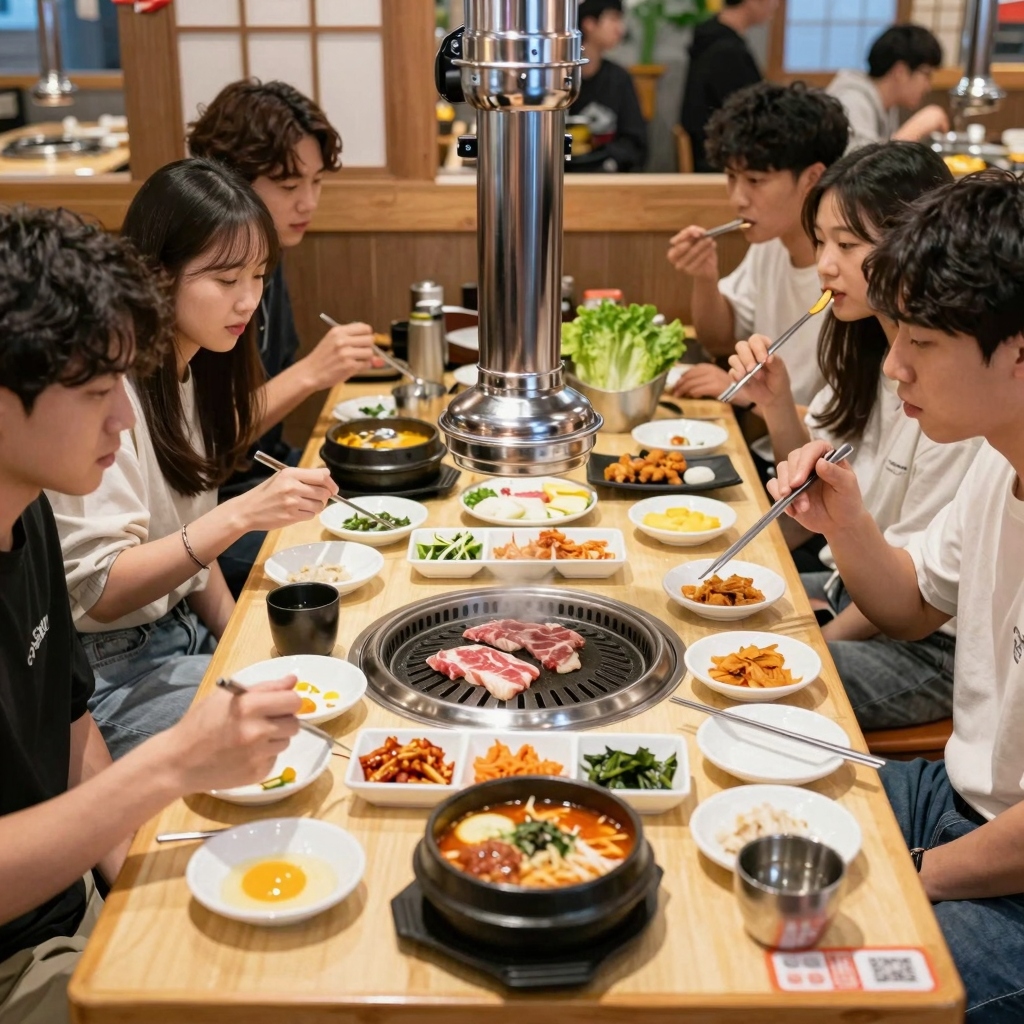
Korean BBQ, known for its interactive dining experience, plays a pivotal role in South Korean culture, significantly impacting social interactions. This style of dining not only emphasizes the food but also focuses on the communal aspect, making it a cherished activity among friends and family. Typically, diners gather around a grill to cook various meats, enhancing both the culinary experience and social bonding. This ritual fosters shared experiences, where cooking together encourages connection and conversation, which is particularly meaningful in a society that values collective harmony.
Social Impact
In Korea, sharing a Korean BBQ meal has deeper connotations than just filling one’s stomach. Often, these gatherings are seen as essential occasions for building and nurturing relationships. The act of grilling meat while engaging in light-hearted conversation epitomizes comfort and camaraderie. According to a popular Korean saying, “If a man and a woman grill meat together, they are considered close friends or lovers.” This illustrates how dining together can facilitate the development of friendships and even romantic connections.
Pregnant women dining out in this cultural context may find themselves in a unique position. While enjoying Korean BBQ is generally safe if proper precautions are taken, the social nuances of dining can impact their experience. It’s crucial to consider dietary restrictions and preferences during the cooking process, as pregnant women need to avoid certain types of meats and fully cooked dishes to ensure their and their babies’ health.
Considerations for Pregnant Women
Dining at a Korean BBQ restaurant can be both a fun and fulfilling experience for expectant mothers if the appropriate steps are taken:
- Choose Cooked Options: Opt for well-cooked meats, such as beef bulgogi or grilled chicken, to ensure safety against foodborne illnesses.
- Avoid Raw Dishes: While many might enjoy dishes like sashimi, it’s best for pregnant women to steer clear of raw preparations.
- Nutrient Balance: Focus on a variety of side dishes such as kimchi, vegetables, and rice, which are integral to a balanced diet.
Additionally, restaurant dynamics may shift due to such considerations. Servers might be more accommodating to pregnant patrons, ensuring that safe food options are available and that cooking preferences are honored. Here, the restaurant can thrive by promoting a family-friendly atmosphere where health and safety are prioritized while still delivering the comforting and relational benefits of Korean BBQ.
In summary, Korean BBQ serves as a vital cultural cornerstone in South Korea, acting not just as a culinary experience but also as a platform for social engagement. For pregnant women, navigating the dynamics of these gatherings requires careful attention to dietary needs, ensuring that they can participate in and enjoy these communal meals without compromising their health.
For those interested in exploring various dining options, check out options at Kogi Korean BBQ.
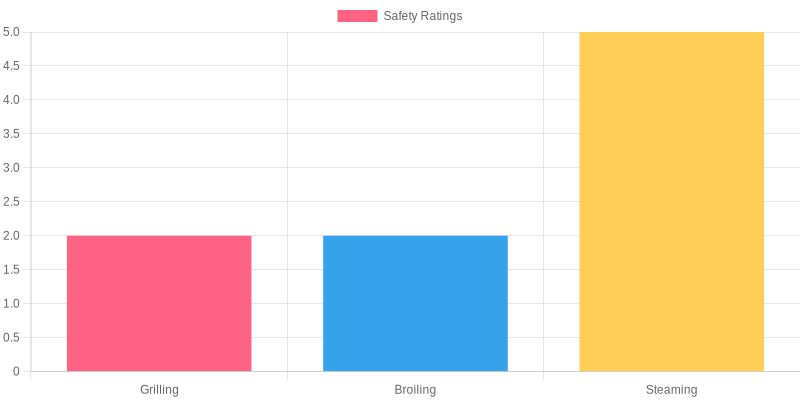
Cooking Methods Comparison in Korean BBQ
| Cooking Method | Recommended Internal Temperature for Safety | Risk Factors for Pregnant Women | Safety Rating (1-5) |
|---|---|---|---|
| Grilling | 145°F (beef), 160°F (pork), 165°F (poultry) | Exposure to polycyclic aromatic hydrocarbons (PAHs) and heterocyclic amines (HCAs) from high-heat cooking; increased risk of foodborne pathogens if undercooked | 2 |
| Broiling | 145°F (beef), 160°F (pork), 165°F (poultry) | Exposure to PAHs and HCAs due to intense direct heat; potential for uneven cooking leading to undercooked meat | 2 |
| Steaming | 145°F (beef), 160°F (pork), 165°F (poultry) | Minimal risk; no harmful compounds formed, reduced cross-contamination risk | 5 |
For further information, check out Korean BBQ and Sushi Menu.
“Pregnant women should consume a variety of foods, focusing on whole grains, fruits, vegetables, and lean proteins to ensure they and their babies receive essential nutrients for healthy development.” – Mayo Clinic
This advice is particularly relevant for those considering Korean BBQ. The grilling method used in Korean BBQ, when applied to lean proteins and served with a variety of vegetables, can align well with these dietary recommendations. For more insights, you can check out our Korean BBQ and Sushi menu.
Conclusion and Call to Action
In summary, enjoying Korean BBQ during pregnancy can be safe when approached thoughtfully. The key points to remember are:
- Cooked Safely: Always ensure that all meats are thoroughly cooked to avoid harmful bacteria such as Listeria and Toxoplasma, which can pose risks during pregnancy.
- Mind the Ingredients: Opt for lean cuts of meat and be cautious with marinades, which may contain high sodium and sugar levels. Consider limiting overly spicy or salty sauces for your health and comfort.
- Focus on Freshness: Whether dining out or preparing at home, choose fresh, high-quality ingredients to minimize health risks. This allows you better control over what you consume.
- Moderation is Key: Enjoy Korean BBQ in moderation, incorporating plenty of vegetables for a balanced meal.
If you have further questions about enjoying Korean BBQ safely or would like personalized recommendations on Korean BBQ dining options during your pregnancy, we encourage you to reach out to Kogi Korean BBQ for more information and support. Your health and that of your baby are paramount, and having professional guidance can help you make more informed dietary choices. Don’t hesitate to connect with us for any queries you may have, as we’re here to assist you with your culinary adventures!