
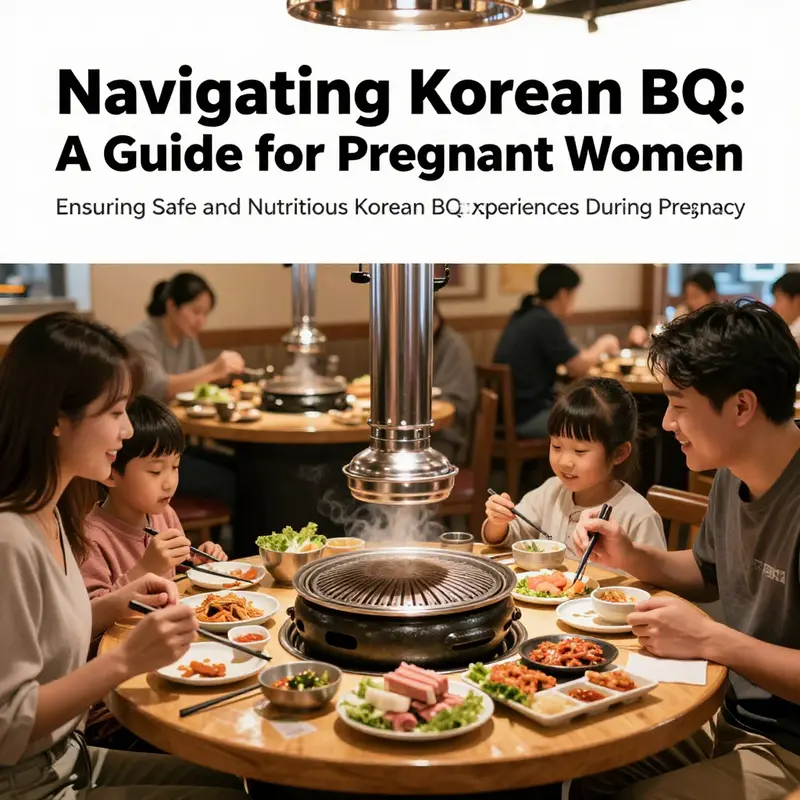
Pregnancy is a unique journey that demands careful attention to diet, and Korean BBQ, a beloved cuisine rich in flavors, can be enjoyed with the right precautions. For business owners in the food industry, understanding the dietary needs and concerns of pregnant women is essential for attracting and serving this demographic responsibly. This article explores two pivotal aspects: thorough cooking practices vital for safety and the nutritional choices that can enhance the dining experience for pregnant women. Together, these chapters will provide a comprehensive guide on how to offer a safe and enjoyable Korean BBQ menu for expectant mothers.
Safe Sizzle: A Practical Guide to Enjoying Korean BBQ While Pregnant, with Thorough Cooking and Mindful Choices
The allure of Korean BBQ is hard to ignore, even when a pregnancy redirects every meal into a careful mix of craving and caution. The sight of sizzling metal, the clatter of small plates, and the shared joy of cooking at the table can feel like a celebration of hospitality and nourishment. Yet pregnancy asks for heightened attention to food safety and nutrition. The good news is that, with deliberate cooking, clean handling, and thoughtful selection of ingredients, many of the pleasures of Korean barbecue can still be enjoyed in ways that protect both mother and developing baby. The approach is practical rather than prohibitive, combining basic safety rules with a fresh emphasis on balance and moderation. The core idea echoes through every bite: thoroughly cooked meat, fresh vegetables, and mindful portions create a meal that satisfies without compromising safety.
At the center of safe Korean BBQ during pregnancy is thorough cooking. The kitchen and the grill share a common mandate: eliminate harmful bacteria before any bite leaves the plate. Whole cuts of beef and pork should be heated to at least 145°F (63°C) with a resting period that continues the gentle safety finish. Ground meats and poultry warrant a higher standard, reaching 165°F (74°C). The best ally in this effort is a reliable meat thermometer, used consistently to verify doneness at the thickest part of the meat. Rather than relying on color alone, which can be misleading, a precise reading offers a clear border between safe and risky. This simple habit dramatically reduces the risk of toxoplasmosis, listeria, and salmonella—three concerns that loom larger in pregnancy because the fetus is especially vulnerable to infection.
The same insistence on safety applies to handling and preparation. Cross-contamination is a real hazard when raw and cooked foods share surfaces and utensils. A practical approach is to use separate cutting boards and knives for raw meat and for ready-to-eat ingredients, and to wash hands thoroughly after handling raw proteins. Even something as routine as grabbing tongs or flipping a piece of meat should be done with clean tools that stay with the cooked batch, not the raw. In the bustle of a lively restaurant or a busy home barbecue, these small precautions accumulate into a robust shield against bacterial transfer.
Choosing the right components for a pregnancy-safe Korean BBQ matters as much as cooking them well. Lean cuts of beef or pork deliver high-quality protein with less saturated fat, supporting maternal energy needs and fetal growth without tipping the scale toward heavy, hard-to-digest meals. When possible, prioritize fresh vegetables and plant-forward accompaniments. Kimchi, mushrooms, spinach, lettuce leaves for wraps, and zucchini add fiber, folate, and antioxidants that support pregnancy health. Still, kimchi deserves a measured approach. Fermented foods can be beneficial for gut health, but store-bought versions often carry high sodium levels, and improper storage can raise safety concerns. If kimchi is part of the meal, opting for a low-sodium, refrigerated, or homemade version helps manage sodium intake while preserving its probiotic appeal. The key is balance: a few crisp bites of kimchi alongside a generous helping of vegetables and lean protein can enhance nutrition without overwhelming taste buds or digestion.
Marinades and sauces are another area where pregnancy requires nuance. Many Korean BBQ marinades rely on garlic, chili pastes, and soy-based sauces, which add flavor but can also irritate the stomach or trigger heartburn during pregnancy. Moderation is the watchword. A sauce with a humble amount of spice, reduced salt, and minimal acidic components can be both comforting and gentle on the gut. If you’re cooking at home, you can tailor marinades to your tolerance, and at a restaurant, you can request lighter sauces or ask for sauces to be served on the side. The goal is to enjoy the aromatic depth of Korean flavors without inviting discomfort that could interrupt sleep or activity the next day.
What you choose to avoid is as important as what you select. Raw or undercooked meat, fish, or eggs should be excluded entirely. This rule extends to store-bought sauces that may contain unpasteurized ingredients. If you’re dining out, ask about how sauces are prepared and served, and be mindful of dishes that rely on raw components as a centerpiece. The same discipline applies to the dining environment. A clean, reputable restaurant with good hygiene practices reduces risk further. If a venue allows buffet-style service or foods that have sat out for extended periods, consider alternatives or skip those sections of the meal altogether.
The environmental context of the meal matters too. A calm, orderly setting supports safe eating as much as a spotless kitchen does. It’s reasonable to prefer a sit-down experience where you can supervise how meat is cooked at the table, request fresh batches, and observe the handling of utensils and plates. Even at home, you can recreate that sense of control by cooking in smaller batches, ensuring each batch reaches the correct temperature, and keeping raw and cooked components segregated on the counter. In practice, safety comes down to a rhythm: clean surfaces, clean hands, correct temperatures, and careful portions.
Portion size and timing play a surprisingly large role in how pregnancy feels after a meal. Korean BBQ can be a social, long-form experience, with friends and family sharing plates. It’s easy to overeat when the table is a carnival of sizzling aroma and abundant sides. A mindful approach focuses on balanced portions: fill half the plate with vegetables, dedicate a portion of lean protein, and reserve a modest amount of meat for flavor and satisfaction. Eating slowly supports digestion and reduces the likelihood of heartburn, a common pregnancy companion. Hydration matters, too. A steady intake of water helps prevent bloating and supports steady energy between activities, especially if you’re balancing work, rest, and physical activity.
Food storage and serving practices round out the safety framework. Any sauces, dressings, or side dishes should be freshly prepared or stored at safe temperatures. Avoid environments where food rests out in the open for extended periods, particularly if the venue is busy or the kitchen handles a large crowd. Freshly prepared components, when handled with care, present fewer risks and provide a sense of culinary assurance that you’re treating your pregnancy with deliberate attention. A thoughtful choice like incorporating a larger portion of greens and vegetables not only enhances nutrition but also helps manage portion perception and satisfaction without overindulgence.
For those who want a tangible reference point within the broader landscape of Korean BBQ resources, a page that summarizes casual, diverse options can be helpful. The Korean BBQ Mall page offers a snapshot of the variety typically available in many venues and can help you picture how a table might be structured to support safe choices while still feeling like a celebration of flavor. You can explore that resource here: korean-bbq-mall.
Across all these considerations, the overarching message remains simple: you can enjoy Korean BBQ during pregnancy, but you should pair every choice with safety-conscious cooking, careful handling, and balanced nutrition. The desire to share a meal with loved ones at a grill top, to savor the aroma of sesame oil and garlic, and to engage in the communal ritual of grilling can coexist with the need to protect both mother and baby. If any health conditions, pregnancy complications, or dietary concerns arise, it is wise to consult a healthcare provider who can tailor guidance to your circumstances. Personalization matters as much as precision here, because pregnancy health is not one-size-fits-all, and your dietary plan may shift with different stages, symptoms, or expectations.
In embracing these practices, you create a roadmap that honors flavor, culture, and care. You learn to respect the science of food safety without dulling the sensory pleasures that bring people together around a grill. The scene remains vibrant: the sizzle, the steam, the bright crunch of fresh vegetables, the robust umami of lean meat, and the shared pace of a meal that nourishes while it connects. The key is to stay attentive, ask questions when you need clarity, and remember that safety and savoring can walk hand in hand. For a practical reminder, consider the recommended internal temperatures, the importance of separate utensils, and the value of fresh, balanced ingredients as you plan your next Korean BBQ experience.
External resource for deeper assurance: For detailed safety guidance during pregnancy, refer to the CDC guidelines on food safety during pregnancy: https://www.cdc.gov/foodborneillness/food-safety-during-pregnancy.html
Grill with Confidence: Safe, Satisfying Korean BBQ Choices During Pregnancy
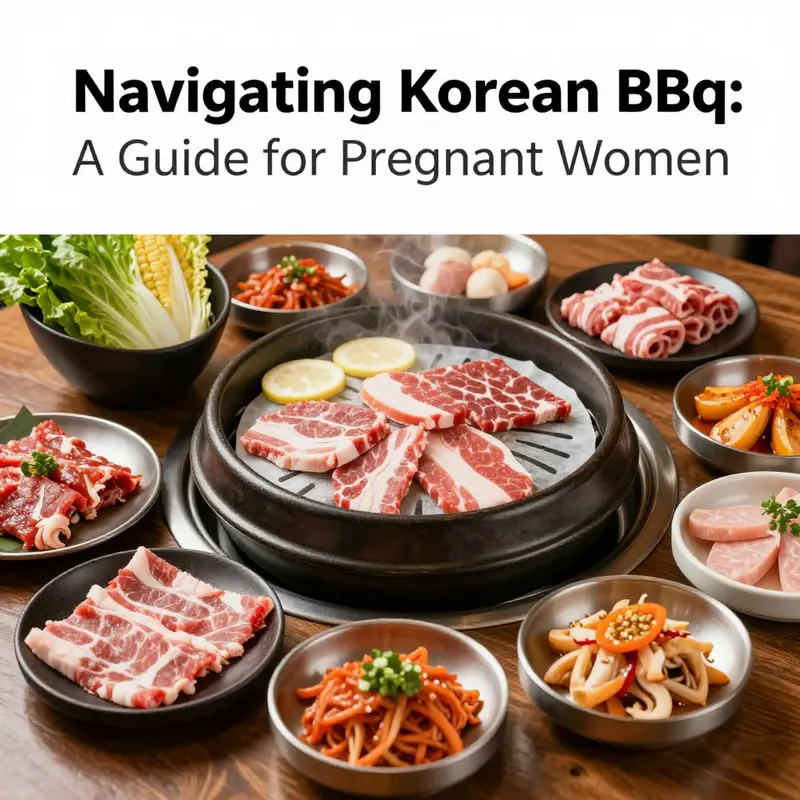
Korean BBQ has a magnetic appeal, a tabletop theater of sizzling meat, crisp vegetables, and the communal joy of sharing a meal. For expectant families, the question often centers on safety and nourishment more than spice and spectacle. The good news is that Korean BBQ can be enjoyed during pregnancy, but it requires mindful choices and a few practical precautions. When you approach the grill with a clear plan—prioritizing thorough cooking, lean ingredients, balanced sides, and moderate seasonings—you can savor the experience while supporting both maternal health and fetal development. This is not about restriction, but about steering a beloved dining tradition toward safer and more nutritious shores.
The keystone rule is straightforward: make sure all meat is cooked thoroughly, with no pink or bloody residue. This is non-negotiable because undercooked or raw meat can harbor bacteria and parasites that pose real risks to pregnancy, including toxoplasmosis, listeria, and Salmonella. The tabletop setup is convenient for cooking to a safe level, but vigilance remains essential. Rely on your senses and, if in doubt, continue cooking the slice longer than you think you need. The same principle applies to seafood options, which should be fully cooked rather than served rare or all the way seared on the outside. In practice, this means asking for meat to be grilled to well-done consistency and using separate utensils or clean plates for raw versus cooked portions to avoid cross-contamination.
Beyond safety, the nutritional philosophy of a pregnancy-appropriate Korean BBQ emphasizes quality and balance. Lean cuts of meat are the foundation: skinless chicken breast, leanness in beef (such as cuts with less visible fat), and mindful portions of pork. When possible, prioritize variety over abundance, pairing grilled proteins with an abundance of fresh vegetables and fermented banchan that add fiber, vitamins, and minerals without overwhelming the meal with sodium. Kimchi and picked vegetables offer probiotic benefits and gut-friendly fiber, yet their salt content can be high. Enjoy kimchi in moderation and be mindful of portion sizes, especially if you’re managing fluid retention or blood pressure. A well-rounded plate might feature crisp lettuce wraps, mushrooms, onions, and a colorful assortment of greens, all arranged to complement the protein without crowding the meal with calories or salt.
Seasonings deserve a careful approach during pregnancy. Korean BBQ relies on bold flavors—garlic, sesame, soy, gochujang (red pepper paste), chili, and a spectrum of marinades. These ingredients are generally safe in moderate amounts and contribute essential nutrients like iron and selenium through the meat and vegetables. However, spicy profiles can trigger heartburn and indigestion, common complaints in pregnancy. Moderation is key, as is balancing heat with dairy or grain components when needed to soothe the stomach. Likewise, try to limit added salt and high-sodium sauces. If you’re eating at a restaurant, you can pace yourself by sampling sauces sparingly and choosing dipping options that are lower in sodium. If you’re cooking at home, you control the spice level and salt content, allowing you to tailor the meal to your current comfort and digestion.
There are important foods to avoid or handle with extra care. Raw or undercooked meat, fish, and eggs are off limits during pregnancy due to the risk of harmful pathogens. Store-bought sauces should be checked for unpasteurized ingredients, and it’s prudent to avoid cross-contamination by keeping raw meat separate from ready-to-eat items. This means using separate utensils for raw meat, avoiding brushing cooked portions with the same brush that touched raw meat, and washing hands frequently. A clean, trustworthy dining environment further reduces risk. Choose reputable restaurants with transparent hygiene practices, and be cautious about experiences that involve street vendors or places with questionable sanitation. The environmental piece matters as much as the plate you put in front of you.
Viewed through a broader dietary lens, the chapter on Korean BBQ in pregnancy fits within a larger narrative about how maternal nutrition shapes birth outcomes. Research into dietary patterns among pregnant women—specifically in contexts where meals center on diverse, whole foods—has linked improved nutrient intake to healthier pregnancy outcomes. In the Korean context, studies highlight the importance of folate, iron, and zinc, nutrients critical to fetal development and maternal well-being. A single gorge of meat, no matter how delicious, will not substitute a balanced pattern of meals dispersed through the day. A meal built around lean protein, a rainbow of vegetables, fiber-rich banchan, and careful portion control aligns with healthier weight gain, better energy, and reduced risk of adverse outcomes such as restricted fetal growth. This does not mean abandoning Korean BBQ; it means embracing it as one flavorful, occasional component of a varied diet.
So how does one translate these insights into practical choices at the table? Start with the meat, and be selective. Favor lean cuts, and be mindful of portions—think smaller slices, more repetitions, and steady pacing over binge consumption. Complement the protein with a wide range of fresh vegetables: lettuce leaves to wrap, mushrooms and peppers for texture, and crunchy radish or cucumber to cleanse the palate between bites. This not only dilutes the caloric density but also boosts micronutrient variety, contributing to folate, iron, and zinc intake in a more balanced manner. Consider the non-meat elements as essential partners rather than afterthoughts: rice or barley for energy, tofu or eggs if your prep allows, and a generous assortment of fermented vegetables for probiotics and gut health, provided the sodium levels are kept in check.
In practice, you can plan for room-temperature meals that feel indulgent yet stay aligned with safety and nutrition. Move toward a plate that emphasizes greens and fiber, and reserve the higher-sodium marinades for occasional indulgence rather than daily use. When you order, you can request leaner cuts and fewer fatty sauces, or simply dip lightly into sauces to control the amount of salt and spice. If you’re dining out, follow a simple rule: half the plate should be vegetables, a quarter lean protein, and a quarter a complex carbohydrate, with banchan chosen for diversity rather than volume. And remember, moderation means more than just salt; it also means listening to your stomach and recognizing early signals of discomfort or heartburn, adjusting spices and portions accordingly.
For readers seeking a broader reference on how diet patterns influence maternal and fetal outcomes, an external study offers evidence-based context. It underscores the value of diverse, nutrient-rich patterns during pregnancy, which dovetails with the approach of enjoying Korean BBQ as part of a balanced diet rather than as a stand-alone solution. With that guidance in mind, you can savor the social and sensory pleasures of Korean BBQ while maintaining focus on nourishment and safety. To explore these patterns further, you can consult the research available online. Korea BBQ and Sushi Menu offers a sense of the range and balance available in many Korean BBQ experiences.
Ultimately, pregnancy is a time to cultivate mindful eating habits that honor both appetite and health. You can celebrate the ritual of grilling with care, savor the textures and flavors, and still prioritize well-cooked meats, lean choices, and a generous share of vegetables. The goal is not perfection, but practical safety—enjoyment anchored in informed choices. If you have any specific health concerns, such as gestational diabetes risk, hypertension, or a history of foodborne illness, discuss your plans with your healthcare provider. They can offer personalized guidance tailored to your pregnancy, medical history, and dietary preferences. With thoughtful planning, Korean BBQ can be a part of a satisfying, nutritious, and safe dining experience for many pregnant individuals and their families.
External resource: https://www.ncbi.nlm.nih.gov/pmc/articles/PMC7418026/
Final thoughts
In conclusion, pregnant women can enjoy Korean BBQ safely by following essential cooking practices and making informed nutritional choices. It is crucial for business owners to understand these guidelines to cater to this demographic effectively. By providing well-cooked meals and a variety of healthy options, restaurants can ensure that their pregnant patrons have a delightful dining experience without compromising their health. This awareness not only enriches the customer experience but also reinforces a restaurant’s reputation for being family-friendly and health-conscious.