
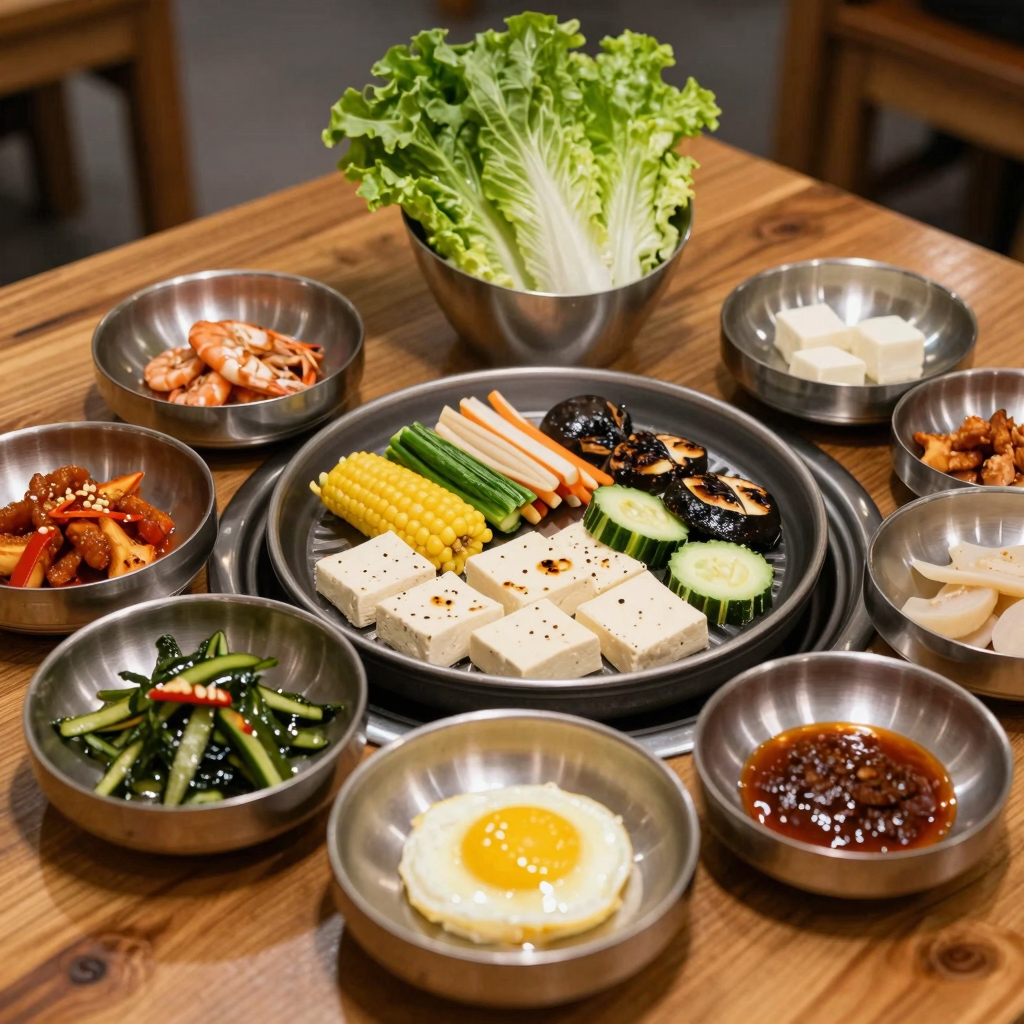
Exploring the Vegetarian Side of Korean BBQ
Korean BBQ has taken the culinary world by storm, captivating food enthusiasts with its flavorful marinated meats and interactive grilling experiences. Yet, a common misconception looms large: many believe that Korean BBQ is solely a meat-lover’s paradise, leaving little room for vegetarians and those seeking plant-based options. However, the truth is far richer. As the demand for inclusive dining options grows, many Korean BBQ restaurants are beginning to embrace a more diverse menu that caters to a wider audience, including vegetarians. According to recent discussions around the evolving landscape of Korean dining, establishments are increasingly recognizing the importance of offering plant-centric dishes alongside traditional meat options. A guide by Namibyhanjip highlights the myriad of vegetable-based dishes, tofu, and rice or noodle options available, encouraging diners to explore these delicious choices.
The rise of veganism and vegetarianism in recent years has also sparked a transformation in Korean BBQ restaurants, with many businesses now incorporating exciting vegetable grilling options and innovative plant-based alternatives to meat. A report from PETA emphasizes that while Korean BBQ was historically centered around meat, it doesn’t have to be. Diners can now enjoy a hearty meal filled with grilled veggies, tofu options, and savory sauces tailored for a vegetarian palate.
As business owners, recognizing and adapting to these preferences opens up new avenues to attract a growing demographic. The willingness to pivot and introduce inclusive dining options can significantly enhance customer satisfaction and expand your customer base, paving the way for sustained success in an increasingly health-conscious society.
The History and Evolution of Korean BBQ
Korean BBQ, known for its vibrant atmosphere and flavorful dishes, has a rich history that dates back thousands of years. The origins of grilled meat in Korea can be traced back to the Goguryeo dynasty (37 BC – 668 CE), where a method called maekjeok was prevalent. This method involved grilling marinated meat over an open flame, an early form of what we recognize today as bulgogi.
Bulgogi, literally meaning “fire meat,” significantly evolved through various historical contexts. During the Goryeo dynasty (918-1392), grilling meat became more sophisticated, and marinated beef gradually became a staple in Korean cuisine. This transformation continued through the Joseon dynasty (1392-1897), where social classes influenced the availability of ingredients and preparation methods. The common practice of grilling became popular among various social strata, connecting families and friends around a shared dining experience.
Cultural Significance
Korean BBQ isn’t just a meal; it’s a cultural phenomenon. The communal aspect of Korean BBQ, where diners cook their own meat at the table, strengthens social bonds. It encourages interaction, making mealtime a shared experience rather than a solitary activity. This aspect aligns with traditional Korean values of community and familial ties. Furthermore, Korean BBQ has gained international acclaim, contributing to the globalization of K-Food. The rising interest in Korean cuisine worldwide has spotlighted BBQ traditions, leading to a broader understanding of Korean culture.
Traditional Cooking Methods
The cooking methods associated with Korean BBQ are deeply rooted in tradition. One notable technique is the use of charcoal or wood for grilling, which imparts a distinct smoky flavor to the meats. Traditional dishes often feature a variety of marinated meats, such as galbi (marinated beef short ribs) and samgyeopsal (pork belly), served alongside an array of banchan (side dishes).
Additionally, the method of eating involves wrapping grilled meats in lettuce or perilla leaves with rice and sauces like ssamjang (a thick, spicy paste), making each bite a burst of flavors and textures. The grilling process is typically done at the table, creating an interactive experience where diners partake in cooking alongside their meals.
As Korean BBQ continues to evolve, it adapts to modern tastes while ensuring that its traditional roots remain intact. Many Korean restaurants today offer both authentic experiences and contemporary innovations, catering to diverse palates and dietary needs. Importantly, numerous vegetarian options have emerged in recent years, enhancing the appeal of Korean BBQ to a broader audience. For those interested in exploring these options, you can check out this Korean BBQ and Sushi Menu, which caters to diverse dietary preferences.
In summary, Korean BBQ reflects the rich history of Korea, its cultural significance, and its adaptation in contemporary culinary practices. It remains a bastion of social interaction, showcasing the importance of food in bridging gaps between generations and cultures.
Vegetarian Options in Korean BBQ
Korean BBQ is often celebrated for its delectable grilled meats, but it also offers ample vegetarian options that can satisfy any palate. Here are some popular vegetarian dishes commonly found in Korean BBQ restaurants:
-
Banchan (Side Dishes): These small plates accompany every Korean meal and often include delicious options like:
-
Kimchi: Spicy pickled cabbage, rich in flavor and probiotics.
-
Sigeumchi Namul: Seasoned spinach tossed in sesame oil.
-
Oi Muchim: Spicy cucumber salad that packs a punch.
-
Grilled Vegetables: A delightful mix of seasonal vegetables such as bell peppers, zucchini, and mushrooms, grilled to perfection on the BBQ.
-
Tofu: Marinated or plain tofu can be grilled or pan-fried. It serves as a hearty protein alternative.
-
Vegetarian Japchae: Sweet potato noodles stir-fried with an array of vegetables and seasoned with soy sauce and sesame oil.
-
Mushroom Samgyeopsal: A twist on the classic pork belly, this dish features grilled king oyster mushrooms, which mimic the rich, smoky flavor of meat.
-
Korean Pancakes (Jeon): Made with various vegetables, these savory pancakes are crispy on the outside and soft inside, served with a soy dipping sauce.
-
Spicy Tofu Stew (Sundubu Jjigae): A warm and hearty stew made with soft tofu, vegetables, and a flavorful broth, perfect for sharing at the table.
-
Vegetable Kimbap: Korean sushi rolls filled with rice, pickled vegetables, and other vegetarian ingredients, rolled in seaweed.
-
Gochujang Glazed Eggplant: Grilled eggplant slathered in a sweet and spicy gochujang sauce, offering a bold flavor profile.
-
Vegetarian Bibimbap: A bowl of mixed rice topped with assorted vegetables, a fried egg, and gochujang, all mixed together for a hearty meal.
For more details on authentic Korean BBQ experiences, be sure to check out the Kogi Korean BBQ menu and explore the delightful range of vegetarian options that can easily accommodate any dietary preference!
Introduction
Korean BBQ is renowned for its grilled meats and vibrant flavors, but a growing number of diners are seeking vegetarian options that allow them to enjoy this cultural experience without compromising their dietary preferences. This article explores user opinions on the availability and quality of vegetarian options at Korean BBQ establishments, highlighting key insights based on consumer feedback and current trends.
Availability of Vegetarian Options
User reviews indicate that the availability of vegetarian options at Korean BBQ varies significantly across different establishments. While many traditional BBQ menus are predominantly meat-centric, some restaurants are beginning to adopt a more inclusive approach.
-
Limited Offerings: A thread on Tripadvisor revealed that many diners have often found it challenging to locate places that cater adequately to vegetarians. Common advice from users includes opting for mushroom dishes, tofu, or rice, which can sometimes serve as satisfying substitutes but may require more effort to discern on menus (Tripadvisor discussion).
-
Adaptable Dishes: The guide from Namiby HanJip suggests that many Korean BBQ menus contain naturally vegan or vegetarian options. Vegetable-based sides, tofu dishes, and rice are core components that can be utilized to create a fulfilling meal (Namiby HanJip).
User Experiences and Testimonials
-
Reddit Discussions: Users on Reddit shared various strategies to enjoy Korean BBQ as vegetarians. They recommended focusing on vegetable sides and rice dishes like bokkeumbap (fried rice). However, they acknowledged the inconsistency in offerings, emphasizing that some venues may not accommodate strict vegetarian preferences effectively (Reddit thread).
-
Diner Feedback: A customer review on Yelp highlighted that locations such as Gen Korean BBQ House primarily cater to meat lovers, with only a handful of vegetable dishes available. Diners found that the experience was not as seamless for those looking for substantial vegetarian meals (Yelp review).
Current Trends in Vegetarian Options
As the demand for vegetarian choices in dining rises, several trends are emerging within Korean BBQ restaurants:
-
Increased Menu Adaptations: Many establishments are beginning to recognize and adapt to the needs of vegetarian diners. Restaurants are including options like tofu steak and veggie marinades that mimic the traditional flavors associated with Korean BBQ. The website PETA Asia provides a helpful list of these options (PETA Asia).
-
Vegan Meat Alternatives: There is a growing advocacy for Korean BBQ venues to adopt vegan meat substitutes. These alternatives can enhance the dining experience for vegetarians and vegans who wish to enjoy grilled dishes without the animal products. Many users have noted the appeal of such options, with establishments starting to incorporate items like lettuce wraps filled with vegetable-based fillings (Live Kindly article).
Notable Vegetarian Choices
Many users enjoy specific dishes that provide a vegetarian-friendly twist on traditional Korean offerings:
- Bibimbap: A staple that is often easily customizable with a variety of vegetables and rice, bibimbap presents a colorful and nutrient-rich option that many love.
- Japchae: Sweet potato noodles stir-fried with vegetables provide a delightful texture and flavor, standing out as a favored vegetarian choice.
- Vegetable Grill Options: Some Korean BBQ restaurants are experimenting with dedicated vegetable grilling options, which have been well-received by vegetarian diners.
Conclusion
The conversations around vegetarian options at Korean BBQ establishments illustrate a shifting landscape where food preferences are increasingly acknowledged and catered to. Business owners can benefit by enhancing their menus to include delicious, adaptable vegetarian offerings, ultimately creating a more inclusive dining environment. As these trends continue to evolve, staying attuned to consumer preferences will play a vital role in the success of Korean BBQ venues. For more insights on various Korean BBQ dining options, check out Kogi Korean BBQ menu and Kogi BBQ in Oakland.
By addressing the needs of vegetarian customers, restaurants can expand their market and improve customer satisfaction, ensuring that everyone can enjoy the rich flavors and cultural experience that Korean BBQ has to offer.

Nutritional Benefits of Vegetarian Korean BBQ
As restaurant owners explore the vibrant world of Korean BBQ, incorporating vegetarian options presents a unique opportunity to cater to health-conscious diners. Vegetarian Korean BBQ isn’t just delicious; it also offers a plethora of nutritional benefits that make it an attractive choice for customers seeking healthier meal options.
Rich in Nutrients
Korean BBQ traditionally incorporates a vast array of vegetables, many of which are nutrient-dense and low in calories. A recent article highlights that dishes filled with colorful vegetables contribute to higher fiber intake and essential vitamins (A, B, C) that aid in overall health. This aligns with findings from sources like Healthline, which emphasizes that vegetable-forward meals cooked with modest oil can support heart health, making them an excellent choice for those looking to maintain or improve their wellness.
Moreover, many dishes in vegetarian Korean BBQ rely heavily on fermented foods, such as kimchi. These foods are not only rich in probiotics, which benefit gut health, but they also pack a punch with antioxidants and can contribute to lower cholesterol levels, as discussed in Tatler Asia. This characteristic makes vegetarian BBQ not just a meal; it’s health-conscious dining at its finest, particularly for those inclined towards plant-based diets.
Culinary Creativity
The beauty of vegetarian Korean BBQ lies in its versatility. Creatively utilizing plant-based proteins like tofu, tempeh, and mushrooms can elevate your menu. The Vegetarian and Vegan Guide to Meatless Korean Barbecue suggests vibrant platters of grilled vegetables paired with flavorful dipping sauces-this not only enhances the aesthetic appeal but also encourages diners to engage with their food by experimenting with flavors.
Innovative options such as King Oyster Mushrooms styled to mimic traditional pork belly, or using marinated tofu on skewers for grilling, allow chefs to explore a range of textures and flavors that will tantalize the taste buds of even the most dedicated meat lovers. Recipes like Vegan Bulgogi featuring seitan chunks highlight the potential for achieving savory, satisfying results from plant-based ingredients, making them a crowd-pleaser at any BBQ table.
Health Beyond the Plate
In today’s health-oriented food culture, offering vegetarian options can position your establishment as a forward-thinking, inclusive dining space. By spotlighting the health-conscious benefits outlined above, you not only appeal to vegetarians but also attract those looking to reduce meat consumption without compromising flavor. As diners become increasingly aware of their food choices, providing delicious and nutritious vegetarian options could enhance your restaurant’s reputation, drawing more diverse clientele eager to enjoy a meal that aligns with their lifestyle.
In conclusion, vegetarian Korean BBQ offers immense health benefits through its use of nutrient-dense ingredients that prioritize flavor and creativity. By embracing vegetarian options, restaurant owners can not only augment their menus but also promote a healthier eating culture-all while maintaining the rich culinary traditions of Korean BBQ.
Comparative Nutritional Table of Vegetarian and Non-Vegetarian Korean BBQ Dishes
The following table summarizes the nutritional values, specifically calories and protein contents, of popular vegetarian and non-vegetarian dishes at Korean BBQ. This information is useful for business owners looking to provide balanced options for all diners.
| Dish | Type | Calories (per 100g) | Protein (per 100g) | Source |
|---|---|---|---|---|
| Bulgogi (beef) | Non-vegetarian | 240 kcal | 22 g | Korean Food Guide, 2025 |
| Bulgogi (tofu) | Vegetarian | 180 kcal | 16 g | Korean Food Guide, 2025 |
| Galbi (beef short ribs) | Non-vegetarian | 290 kcal | 25 g | Korean Food Guide, 2025 |
| Galbi (mushroom & tofu) | Vegetarian | 170 kcal | 14 g | Korean Food Guide, 2025 |
| Japchae (beef) | Non-vegetarian | 230 kcal | 12 g | Korean Food Guide, 2025 |
| Japchae (tofu & vegetables) | Vegetarian | 150 kcal | 8 g | Korean Food Guide, 2025 |
| Kimchi Fried Rice (pork) | Non-vegetarian | 270 kcal | 10 g | Korean Food Guide, 2025 |
| Kimchi Fried Rice (tofu) | Vegetarian | 190 kcal | 9 g | Korean Food Guide, 2025 |
| Samgyeopsal (pork belly) | Non-vegetarian | 350 kcal | 18 g | Korean Food Guide, 2025 |
| Samgyeopsal (marinated vegetable rolls) | Vegetarian | 130 kcal | 7 g | Korean Food Guide, 2025 |
Note: Nutritional values are based on average data from the Korean Food Guide (2025), standardized to 100g cooked portions. Variations may occur depending on recipe and preparation methods.
This table should assist Korean BBQ businesses in crafting menus that cater to both vegetarian and non-vegetarian customers, ensuring a range of healthy choices.
For more insights on menu options, consider exploring Kogi Korean BBQ’s Shabu Shabu selections or the Korean BBQ and Sushi menu to enhance your offerings.
Exploring Vegetarian Options in Korean BBQ
Korean BBQ is a cultural staple that traditionally relies heavily on meats. However, with a rising trend towards vegetarianism and plant-based diets, many restaurants are now offering diverse vegetarian options. Business owners in the culinary field should recognize this shift in consumer preference and adapt their menus accordingly.
“Korean BBQ has always been about connection and joy in dining. As we embrace vegetarian options, we create an inclusive atmosphere where everyone can enjoy the richness of Korean flavors. It’s about adapting but also respecting our culinary roots.” – Louis Han, Michelin-starred chef.
Vegetarian options in Korean BBQ can include:
- Grilled vegetables: Assorted seasonal vegetables such as bell peppers, zucchini, and mushrooms.
- Tofu: Marinated and grilled to bring out flavor similar to meat dishes.
- Vegan meats: Products that mimic traditional BBQ flavors while catering to vegetarian and flexitarian diners.
- Traditional sides: Popular Korean dishes like kimchi, pickled radishes, and rice, which often are naturally vegetarian.
As the demand for plant-based choices continues to grow, it is essential for Korean BBQ restaurants to adapt their offerings. Many menu items can be easily modified to enhance their vegetarian appeal without losing the essence of Korean cuisine. Consider providing a separate vegetarian section on the menu to attract more customers and show commitment to dietary diversity.
For additional insights into popular Korean dishes that can be made vegetarian, check out our menu.
With the rise of vegetarian dining, restaurants can engage a broader audience by creating unique and satisfying BBQ experiences that cater to everyone’s tastes, ensuring that business remains vibrant and relevant.
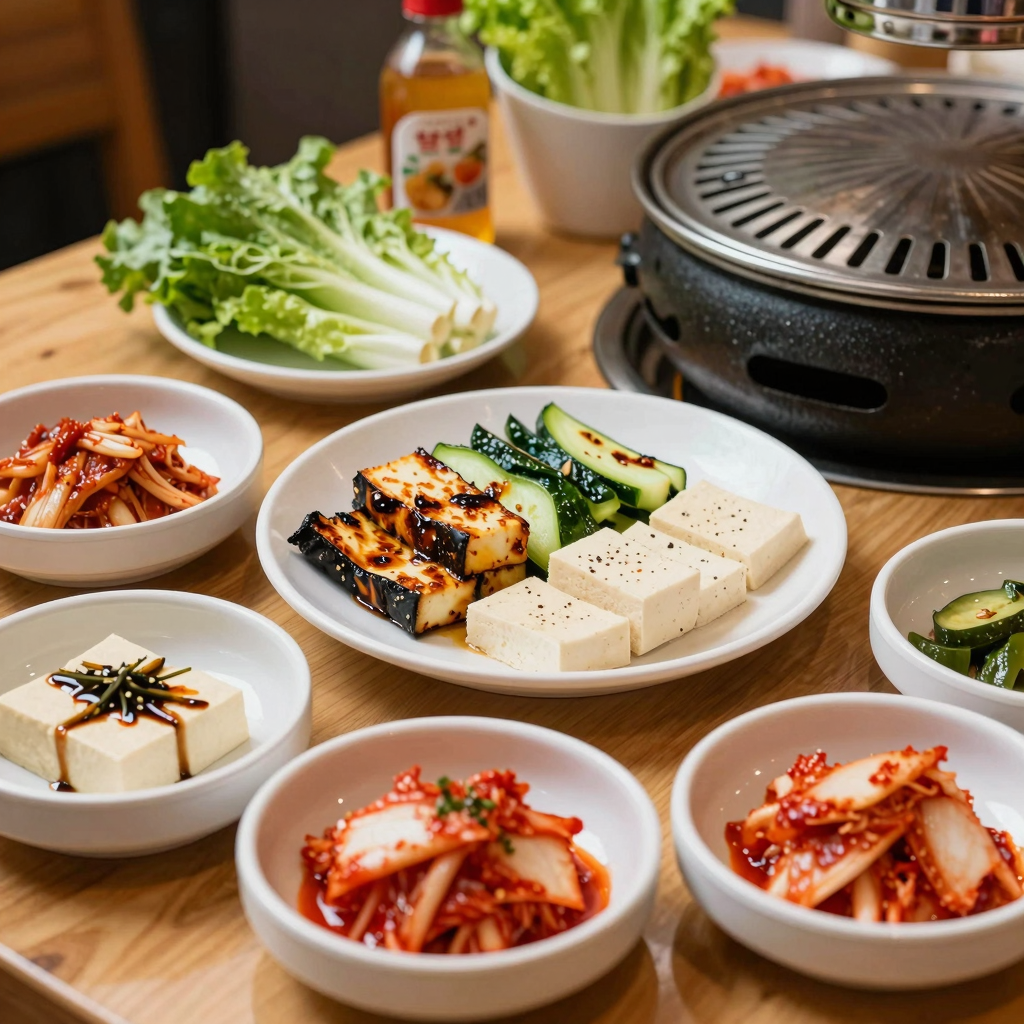
Conclusion on Vegetarian Options in Korean BBQ
In today’s competitive dining landscape, offering vegetarian options in Korean BBQ is not just a trend but a decisive factor in attracting a diverse clientele. As awareness of dietary preferences continues to rise, restaurants that adapt their menus to include delicious, innovative vegetarian dishes can significantly enhance their appeal. The growing demand for plant-based options reflects a shift in consumer behavior where many diners, including vegetarians and flexitarians, actively seek out restaurants that accommodate their dietary choices.
Incorporating vegetarian options in your Korean BBQ offerings can lead to numerous benefits. Research indicates that diners appreciate choices that reflect ethical, sustainable values-making vegetarian dishes appealing. For example, many patrons are looking for meals that utilize organic and locally sourced ingredients. By presenting a diverse vegetarian menu, your establishment can cater not only to vegetarians but also to health-conscious eaters and those concerned about environmental sustainability, as highlighted in articles discussing the impact of vegetarian dining on consumer attitudes and behaviors (source) and the importance of diverse menu items (source).
Now is the time to consider integrating these options into your menu to expand your customer base. By focusing on attractive, flavorful vegetarian dishes, not only can you enhance the dining experience for many customers, but you can also position your restaurant as a forward-thinking and inclusive venue. Don’t miss the opportunity to stay ahead of the curve; offer vegetarian options today and watch as your business flourishes in this diverse culinary environment!
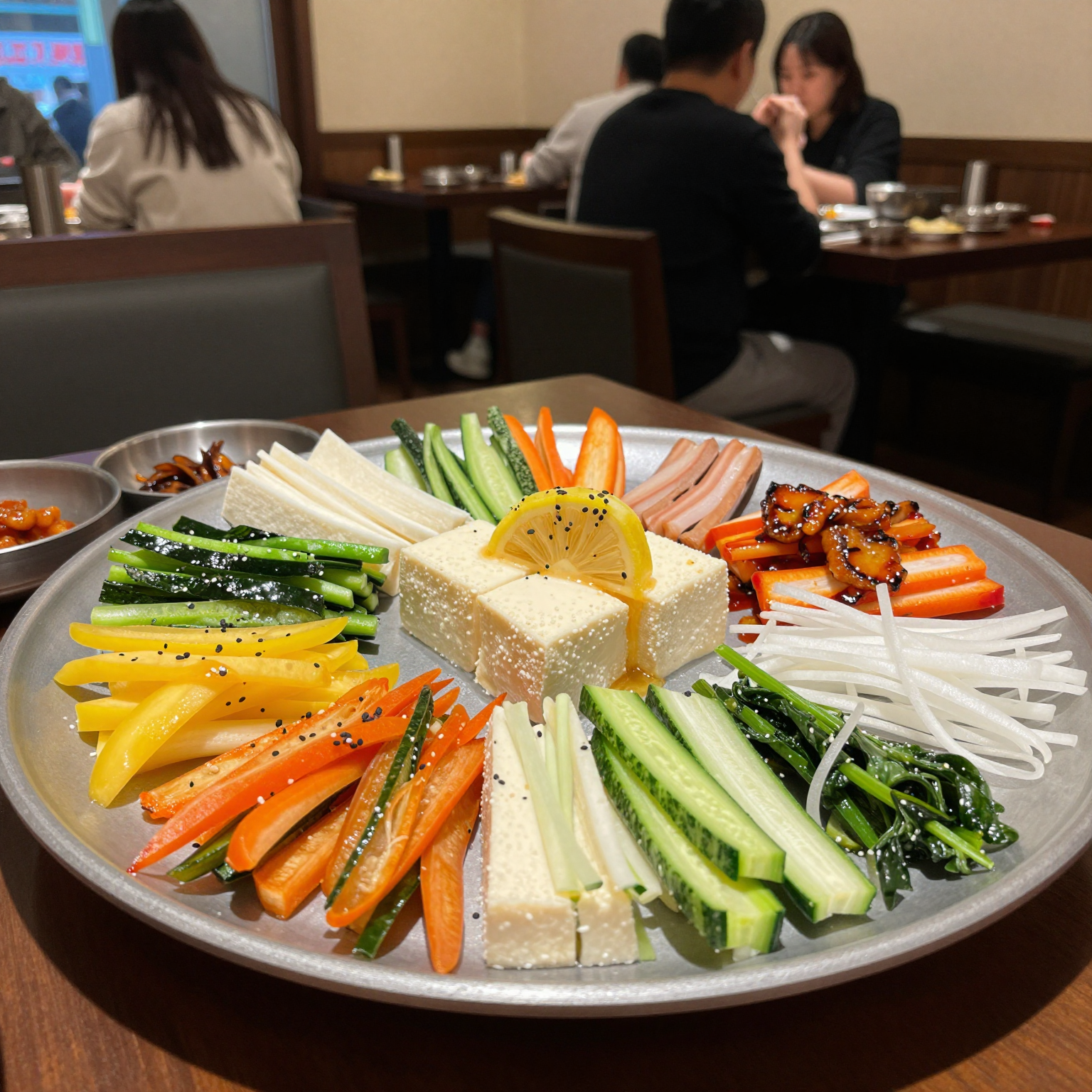
Enhance Your Menu with Vegetarian Options
In today’s diverse culinary landscape, meeting the needs of all diners is paramount, especially as more consumers seek delicious vegetarian options. If you’re a business owner in the Korean BBQ industry, enhancing your menu with enticing vegetarian dishes can open new doors to attract a broader customer base while keeping your current patrons happy. Consider the rising trend of plant-based dining where vegetables, grains, and plant proteins take center stage. Imagine offering mouthwatering choices such as marinated mushrooms, spicy tofu, grilled vegetables, and savory kimchi-a true Korean BBQ experience that satisfies vegetarians and meat-lovers alike!
By collaborating with Kogi Korean BBQ, you can seamlessly integrate these exciting vegetarian options into your menus, ensuring that every dining experience is exceptional. Our team of experts will work closely with you to craft dishes that are not only aligned with Korean culinary traditions but are also innovative and on-trend. Don’t miss the opportunity to stand out in the competitive restaurant market!
When you partner with us, we’ll guide you through the selection of fresh ingredients, recipes, and presentation ideas that highlight the vibrancy and flavors of vegetarian Korean BBQ. It’s time to elevate your restaurant’s menu and create a memorable experience for all your guests.
Ready to enhance your menu and delight your customers with vegetarian options? Contact us today for personalized support and let’s embark on this delicious journey together!