
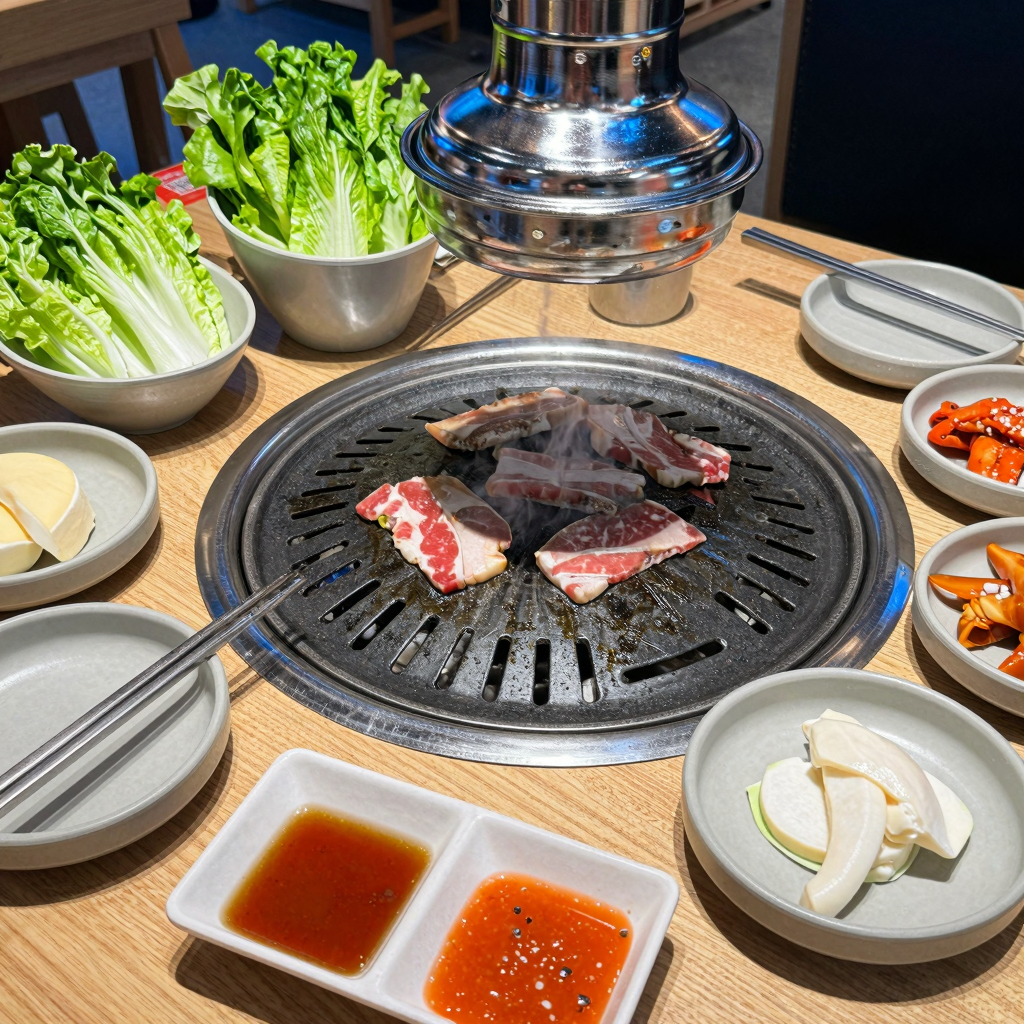
Introduction to Korean BBQ and MSG
Finding the perfect balance of flavors is a hallmark of Korean BBQ, which has surged in popularity around the globe. With its sizzling meats, vibrant side dishes, and the interactive dining experience it offers, it’s no wonder that enthusiasts flock to Korean BBQ joints. Yet, amid this culinary delight, a common question arises: Does Korean BBQ have MSG? The curiosity surrounding MSG (monosodium glutamate) often stirs debate in food circles, especially within the context of Korean cuisine.
Many diners are increasingly interested in what goes into their meals, prompting crucial discussions regarding food additives and flavor enhancers. While some argue that MSG enhances the savory taste of dishes, others express concern about its health implications. This article aims to explore the presence of MSG in Korean BBQ and its effects on the dining experience, helping both consumers and business owners alike navigate this flavorful subject. Are you eager to dive deeper into the world of Korean BBQ and its ingredients? Learn more about our Korean BBQ and sushi menu and how flavors play a key role in attracting customers to your business.
Overview of Monosodium Glutamate (MSG)
What is MSG?
Monosodium Glutamate (MSG) is a flavor enhancer that is commonly added to various foods, particularly in Asian cuisine, to boost umami flavor. Chemically, MSG is the sodium salt of glutamic acid, an amino acid that occurs naturally in many foods, including tomatoes and cheese.
Origins of MSG
MSG was first isolated in 1908 by Japanese chemist Kikunae Ikeda while he was studying the taste of seaweed broth (kombu dashi). Recognizing the unique flavor profile that it provided, he patented the production process of MSG. Initially introduced as a seasoning for soups and savory dishes, it has since become a staple in restaurants and food production worldwide.
Common Uses in Food
MSG is predominantly used in:
- Asian Dishes: Particularly in Chinese, Japanese, and Korean cooking, where it enhances the savory quality of ingredients.
- Processed Foods: Found in snacks, canned soups, and seasoning blends, MSG is often used to enhance flavor without additional salt.
- Fast Food: Many fast-food chains include MSG in their products to heighten the taste experience.
Consumer Perception and Misconceptions
Despite its widespread use, MSG has a controversial reputation among consumers. Some individuals report experiencing symptoms, commonly referred to as “Chinese Restaurant Syndrome,” which can include headaches and nausea after consuming MSG. However, numerous scientific studies have failed to conclusively link these symptoms to MSG consumption, indicating that it is generally safe for most people when used in moderation.
Misconceptions about MSG largely stem from a lack of understanding and misinformation. Many consumers have developed a negative perception based on anecdotal reports rather than scientific evidence. In fact, the U.S. Food and Drug Administration (FDA) classifies MSG as “generally recognized as safe” (GRAS), and many health organizations support its safety when consumed within recommended limits.
Conclusion
In summary, Monosodium Glutamate (MSG) is a widely used flavor enhancer that originated in early 20th century Japan. It finds its place in a variety of culinary applications, particularly within Asian cuisines. While its safety has been affirmed by many health authorities, consumer perceptions vary widely. Understanding MSG’s origins, uses, and addressing misconceptions can foster a more informed discussion among business owners and consumers alike, especially in the context of restaurants serving Korean BBQ.
For more insights on Korean BBQ options, consider exploring our Korean BBQ and Sushi Menu or our All You Can Eat Korean BBQ in Oakland.
| Restaurant Name | Location | MSG Policy | Customer Reviews |
|---|---|---|---|
| Kogi Korean BBQ | Los Angeles, CA | No MSG used | “Great flavors, loved the experience!” |
| Gogi Korean BBQ | New York, NY | MSG in some marinades | “Delicious but felt a bit salty.” |
| Korean BBQ House | Chicago, IL | MSG-free options available | “Amazing quality, very satisfying!” |
| Hippo Grill | Orlando, FL | No MSG in any dishes | “A must-try for BBQ lovers!” |
Potential Health Impacts of MSG
Monosodium glutamate (MSG) has long been a topic of debate in nutritional circles and among consumers. Used widely in Asian cuisine, including popular dishes at Korean BBQ restaurants, MSG is known for enhancing flavor. However, concerns related to its health impacts continue to raise questions among business owners and customers alike.
Understanding MSG
MSG is a sodium salt of glutamic acid, a naturally occurring amino acid found in various foods, including tomatoes and cheese. The FDA classifies MSG as “generally recognized as safe” (GRAS), which means it is considered safe for consumption by the general population. However, it is essential to explore both sides of the discussion regarding MSG health risks and debunk some common misconceptions.
Common Myths About MSG
-
“MSG Causes Severe Allergic Reactions”: A common myth is that MSG can trigger allergic reactions, but studies have shown that only a small percentage of individuals may experience mild symptoms. This condition, often referred to as “Chinese Restaurant Syndrome,” includes headaches and flushing, but solid evidence supporting severe reactions is lacking.
-
“MSG Contributes to Obesity”: Some believe that MSG can contribute to weight gain. However, recent studies have not conclusively linked MSG consumption to obesity. The theory circulates primarily due to MSG’s reputation as a flavor enhancer, leading to increased food consumption; it is more about dietary habits than MSG itself.
-
“MSG is Toxic”: Fear mongering has led many to believe that MSG is toxic. Extensive research has indicated that normal consumption levels pose no significant threat to health. In fact, glutamate, which MSG contains, is naturally produced in the human body and plays a role in vital functions such as metabolism.
Scientific Findings
Numerous research studies have been conducted to understand the potential health impacts of MSG:
-
Neurotoxicity: Some early animal studies indicated that high doses of MSG could lead to neurotoxicity, but these results do not translate to safe dietary levels consumed by humans. The doses used in these studies were significantly higher than what any human would typically consume through food.
-
Impact on Blood Pressure: Some studies suggested that MSG could lead to increased blood pressure in sensitive individuals. However, comprehensive research often shows that moderate consumption is unlikely to have a significant effect on blood pressure in the general population.
-
Potential Beneficial Effects: Interestingly, glutamate is also used by some to enhance the palatability of foods among older adults and those who may have a diminished sense of taste. This can be especially valuable in promoting nutrition and eating habits in these demographics.
Recommendations for Consumption
While MSG is safe for most people, individual tolerances can vary. Here are a few takeaways:
-
Moderation is Key: As with any ingredient, moderation is essential. While some customers may prefer dishes enhanced with MSG for flavor, others may choose to avoid it based on personal preference or sensitivity.
-
Educate Consumers: Business owners should consider providing informative menus that include details on MSG usage in their dishes to help clients make informed decisions.
-
Monitor and Adapt: Encouraging feedback from patrons regarding flavors can guide owners if adjustments are needed-whether that means reducing MSG or offering MSG-free options.
In conclusion, MSG’s role in culinary experiences, particularly in Asian cuisine and Korean BBQ, remains significant. While concerns over health impacts exist, substantial evidence from reputable studies supports its safety for consumption in moderation. For restaurant owners, understanding these health implications and addressing customer queries can enhance the dining experience while promoting trust and transparency in their offerings. If you’re interested in exploring more about Korean BBQ flavors and options available, feel free to check out our full menu.
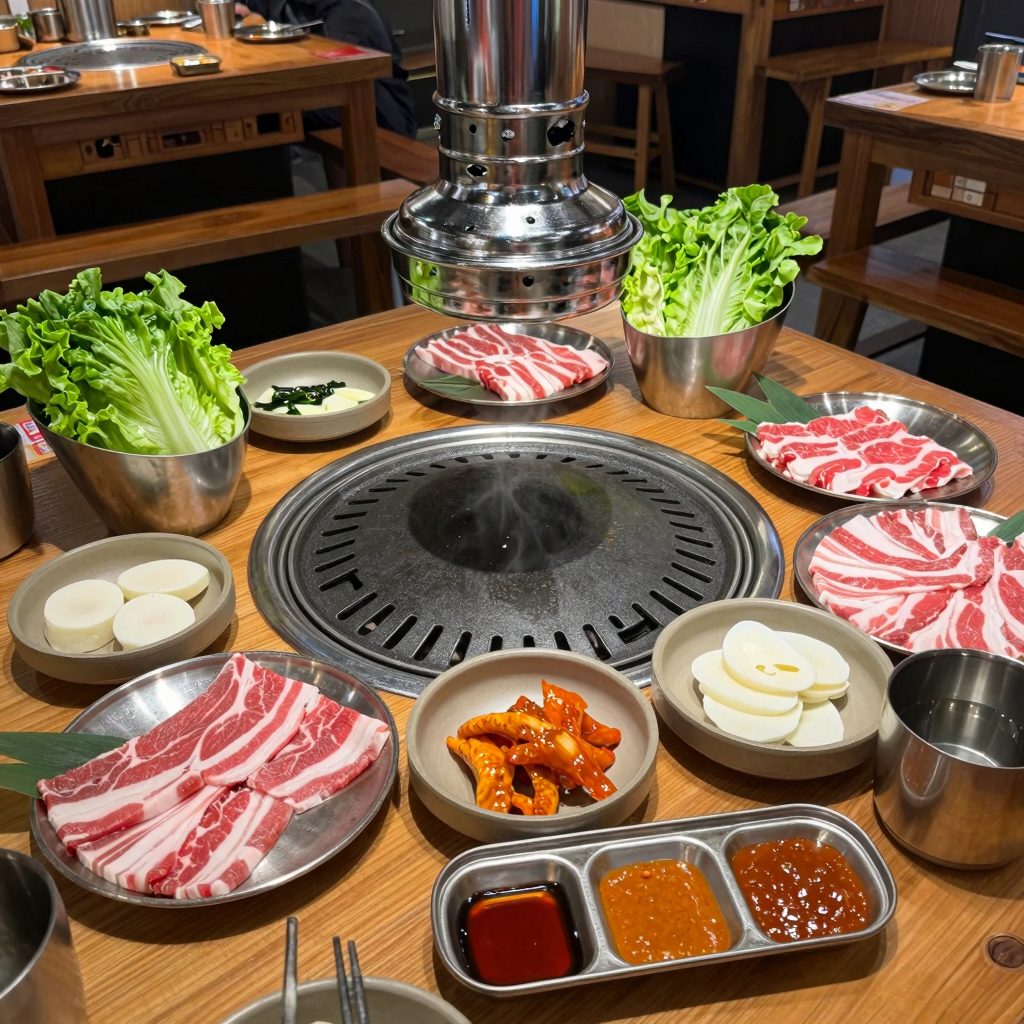
Exploring MSG Alternatives in Korean Cuisine
As the culinary landscape evolves, many health-conscious consumers are turning to natural flavor enhancers in place of monosodium glutamate (MSG) in their meals. For those in the Korean BBQ business, understanding and offering these alternatives can enhance menu appeal and cater to customers seeking healthier options.
Natural Flavor Enhancers
Korean cuisine is known for its bold flavors and rich ingredients. Here are some popular MSG alternatives that can elevate dishes without the use of synthetic additives:
-
Soy Sauce: A staple in Korean cooking, soy sauce is naturally fermented, providing umami flavor that can replace MSG. It enhances the taste of marinades and side dishes while adding depth to grilled meats.
-
Miso Paste: This fermented soybean paste is packed with probiotics and offers a salty, savory flavor profile. Miso can be incorporated into soup bases or dressings, enriching the taste of various dishes.
-
Seaweed (Gim): Rich in minerals and umami, dried seaweed can be used in soups, salads, and rice dishes. It not only adds flavor but also nutritional benefits, making it a wonderful alternative to MSG.
-
Garlic and Ginger: These aromatic ingredients are fundamental in Korean cuisine. Their intense flavors can enhance dishes significantly, offering both taste and health benefits, such as anti-inflammatory properties.
-
Fermented Ingredients: Items like gochujang (red pepper paste) and doenjang (fermented soybean paste) are common in Korean cooking. They provide natural depth and complexity to flavors without the need for MSG, enriching both marinades and side dishes.
Health Benefits of Natural Flavor Enhancers
Utilizing natural flavor enhancers not only appeals to health-conscious customers but can also improve the nutritional value of meals. Some benefits include:
-
Lower Sodium Levels: Many natural options, particularly when used in moderation, can help reduce the overall sodium content in dishes, catering to those monitoring their salt intake.
-
Rich in Vitamins and Minerals: Natural enhancers such as seaweed and fermented products contain various vitamins, minerals, and probiotics that contribute to overall health.
-
Flavor Complexity: Natural ingredients introduce a range of flavors, providing depth to dishes that mass-produced flavor enhancers like MSG often cannot match. This complexity can lead to a more enjoyable dining experience for customers.
Korean Cooking Techniques
The artistry of Korean cooking also plays a crucial role in creating flavor without relying on MSG. Techniques such as:
-
Fermentation: This age-old method not only preserves food but enhances its flavor profile through the development of beneficial bacteria.
-
Slow Cooking: Cooking food over low heat for extended periods allows flavors to meld beautifully, often leading to a robust taste without needing additional enhancers.
-
Grilling: The traditional Korean BBQ method, characterized by grilling meats at high temperatures, naturally imparts smoky flavors. This technique emphasizes the natural taste of the food, making added MSG unnecessary.
Conclusion
Incorporating these natural flavor enhancers and proper cooking techniques provides a pathway for Korean BBQ restaurants to cater to health-conscious consumers. By emphasizing the use of traditional ingredients and methods, business owners can create a more appealing and health-oriented dining experience that aligns with modern culinary trends.
To explore various Korean BBQ options, you can learn more about our menu or check out our all-you-can-eat Korean BBQ offerings.
“Mono sodium glutamate (MSG) has long been a topic of debate among chefs and nutritionists. While some express concerns over its effects, many experts agree that MSG is a safe flavor enhancer when used appropriately. It can elevate the umami profile of dishes without overwhelming the palate, making it a valuable tool in Korean BBQ and other cuisines.”
- Culinary Nutritionist
Conclusion on Korean BBQ and MSG Usage
The discussion on Korean BBQ and MSG (Monosodium Glutamate) usage highlights a critical intersection of culinary tradition and modern consumer awareness. As Korean BBQ continues to gain popularity worldwide, it is essential to address the ingredients used, particularly MSG, which has long been a topic of debate among diners.
MDG is often associated with enhancing flavors and creating a savory profile known as umami, a key element in Korean cuisine. However, customer perceptions of MSG can vary significantly. Some diners view it with suspicion, associating it with health concerns despite numerous studies indicating its safety for regular consumption. Businesses serving Korean BBQ may face challenges if they are not transparent about their ingredient choices, as customer trust hinges upon this awareness.
Restaurants must recognize that consumer sentiments toward MSG can impact customer loyalty and overall dining experiences. If patrons believe that MSG may compromise their health or dining experience, it can lead to hesitation or distrust toward a restaurant’s offerings. This underlines the importance of restaurants proactively communicating their ingredient practices and providing clear information about MSG usage in their dishes.
For business owners in the Korean BBQ sector, evaluating ingredient practices and being transparent about MSG can foster a trusting relationship with customers. Not only does it align with the growing trend for conscious eating, but it also positions businesses to better cater to their audience’s preferences and concerns.
As restaurants navigate this landscape, they are encouraged to consider the nuances of consumer awareness and trust associated with MSG. Creating an informed customer base could enhance their dining experience, leading to increased satisfaction and loyalty.
If you’re a business owner in the Korean BBQ industry, now is the perfect time to assess your ingredient practices and ensure you’re addressing customer concerns effectively. For more insights into how you can enhance your menu offerings, explore our Korean BBQ and sushi menu.
FAQs About MSG in Korean BBQ
- What is MSG?
- Monosodium glutamate (MSG) is a flavor enhancer commonly used in various cuisines, including Korean BBQ. It is a salt form of glutamic acid, an amino acid that adds a savory umami flavor to foods.
- Is MSG harmful?
- Research indicates that MSG is generally recognized as safe by food safety authorities like the FDA and WHO. Some individuals may experience mild reactions (often referred to as “Chinese restaurant syndrome”), but these symptoms are rare and not considered dangerous for the general population.
- How is MSG used in Korean cooking?
- In Korean BBQ, MSG is often added to marinades and dipping sauces to enhance flavors. It helps to highlight the savory taste of meats and vegetables, making the dish more appealing.
- Can I request MSG-free options at Korean BBQ restaurants?
- Most Korean BBQ restaurants are receptive to customer requests. If you’re concerned about MSG, do not hesitate to ask your waiter if they offer MSG-free options or are willing to prepare dishes without MSG.
- What are common dishes in Korean BBQ that may contain MSG?
- Popular dishes such as marinated bulgogi (beef), galbi (short ribs), and various dipping sauces might contain MSG. It’s best to inquire about specific ingredients used in the preparation of these dishes.
- Are there any health benefits of MSG?
- MSG can enhance food perception by adding flavor, which may lead individuals to enjoy healthier food choices. When used moderately, it can improve overall enjoyment of meals, potentially leading to greater satisfaction.
- How can consumers make informed choices regarding MSG?
- Reading ingredient labels and asking at restaurants can help consumers understand if MSG is included in their meals. Educating oneself about MSG can also demystify its use in food preparation.
- Is MSG commonly used in other types of cuisine?
- Aside from Korean BBQ, MSG is widely used in various Asian cuisines, including Chinese, Japanese, and Thai, as well as in processed foods worldwide.
- What alternatives are there to MSG?
- For those who prefer to avoid MSG, natural alternatives like sea salt, herbs, and spices can enhance flavor without the use of additives.
- Does MSG have any impact on the taste of Korean BBQ?
- MSG is designed to enhance taste, specifically the umami flavor. Many BBQ enthusiasts believe it intensifies flavor, making meats and appetizers more enjoyable.
By addressing these common concerns, restaurant owners can better engage with customers. If you’re interested in exploring Korean BBQ offerings, check out our Korean BBQ menu for a variety of delicious options!