
Introduction
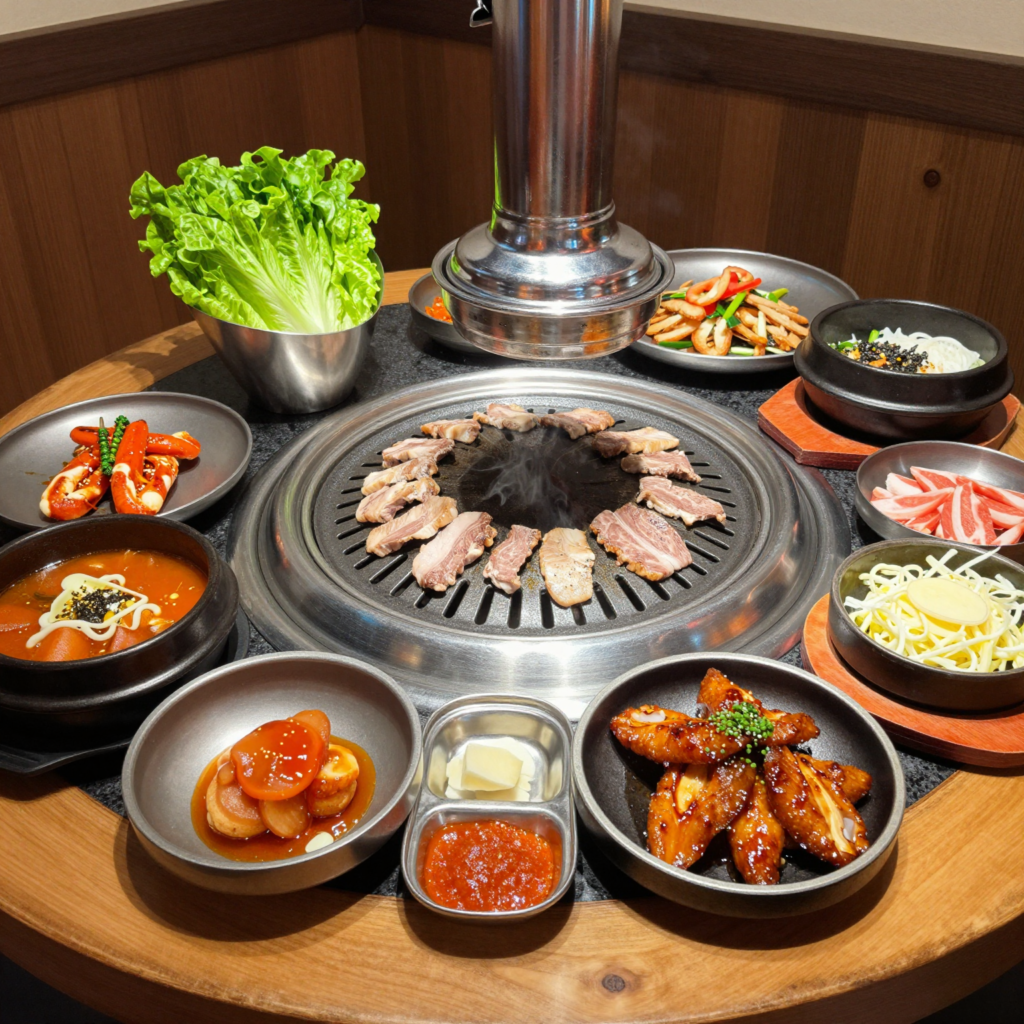
Korean BBQ has taken the dining world by storm, becoming a popular choice for food enthusiasts with its unique blend of flavors and interactive grilling experience. However, as dietary preferences evolve, the question arises: Does Korean BBQ contain gluten? For business owners in the food service industry, understanding the gluten content in Korean BBQ is becoming increasingly essential. With a growing number of consumers seeking gluten-free options for health reasons or dietary restrictions, offering inclusive menu items is not only a trend but also a necessity. By addressing the dietary needs of your customers, you can enhance their dining experience and expand your customer base. As we delve deeper into the components of Korean BBQ, we’ll discover how to cater to gluten-sensitive diners without compromising the authenticity of this beloved cuisine. This approach not only demonstrates your commitment to inclusivity but also sets you apart in a competitive market. Learn more about menu options that can enhance your offerings.
What is Gluten?
Gluten is a group of proteins found primarily in wheat, barley, and rye. It is responsible for the elastic texture of dough, helping it rise and maintain its shape. While gluten itself can be a harmless protein for many, it poses significant health issues for others, particularly those with celiac disease, gluten sensitivity, or wheat allergies.
Relevance to Dietary Restrictions and Health Issues
For those with celiac disease, consuming gluten triggers an autoimmune response that damages the small intestine, leading to various gastrointestinal and systemic symptoms. Non-celiac gluten sensitivity can cause discomfort without the immune reaction of celiac disease. This has resulted in a growing trend of gluten-free diets not just for those diagnosed with these conditions but also for individuals seeking to avoid gluten as a preventive measure.
Common Sources of Gluten
Gluten can be found in many everyday foods, including:
- Bread and baked goods
- Pasta and noodles
- Beer
- Some sauces and dressings (e.g., soy sauce)
- Processed foods (such as some soups and snacks)
To cater to the needs of gluten-sensitive customers, it’s essential for business owners in the food industry to offer gluten-free options. This will not only attract a wider customer base but also ensure they have safe dining experiences. For a menu that considers such dietary restrictions, you might explore our diverse Korean BBQ and Shabu Shabu offerings.
Common Ingredients in Korean BBQ
Korean BBQ is known for its rich flavors and variety of ingredients. Understanding which ingredients contain gluten is essential for business owners looking to provide gluten-free options. Here’s a list of common ingredients used in Korean BBQ, along with their gluten statuses:
-
Meats:
-
Beef (gluten-free)
-
Pork (gluten-free)
-
Chicken (gluten-free)
-
Marinades and Sauces:
-
Soy sauce (contains gluten)
-
Gochujang (often contains gluten)
-
Sesame oil (gluten-free)
-
Vegetables:
-
Lettuce leaves (gluten-free)
-
Garlic (gluten-free)
-
Onions (gluten-free)
-
Sides:
-
Kimchi (check ingredients as some may contain gluten)
-
Rice (gluten-free)
-
Pickled vegetables (gluten-free)
Business owners should ensure clear communication regarding ingredient sources and preparation methods to avoid cross-contamination. For more on gluten-free options, visit Kogi Korean BBQ’s guide.
Gluten-Free Options in Korean BBQ
With the increasing awareness of gluten sensitivities, it is essential for Korean BBQ restaurants to adapt their menus to provide gluten-free options. Thankfully, many traditional Korean BBQ dishes can be made gluten-free with the right substitutes. Here are some key components and strategies for offering gluten-free options:
Sauces and Marinades
Korean BBQ is known for its flavorful sauces and marinades, which often contain gluten. However, gluten-free alternatives are readily available:
- Tamari Soy Sauce: This is a gluten-free substitute for traditional soy sauce, providing a similarly rich flavor. Brands like San-J offer gluten-free Korean BBQ sauces.
- Homemade Sauces: Recipes for gluten-free Korean BBQ sauces, like those found in various blogs, can incorporate ingredients such as pear puree, ginger, garlic, and sesame oil. Barefoot Farm Byron provides easy recipes that customers can recreate at home.
Alternative Ingredients
- Grains: Instead of traditional grain-based side dishes like noodles, consider offering alternatives made from rice or quinoa.
- Fresh Vegetables: Provide a variety of grilled vegetables and meat options that do not require any gluten-containing ingredients.
Menu Adaptation
Business owners should continuously evaluate their offerings to ensure they meet the demands of gluten-sensitive patrons. Keeping an updated list of gluten-free dishes and proper staff training on dietary restrictions can help enhance customer experience. The gluten-free food market is projected to reach USD 2.27 billion by 2024, highlighting an essential trend in dining preferences.
The Importance of Gluten-Free Dining in Restaurants
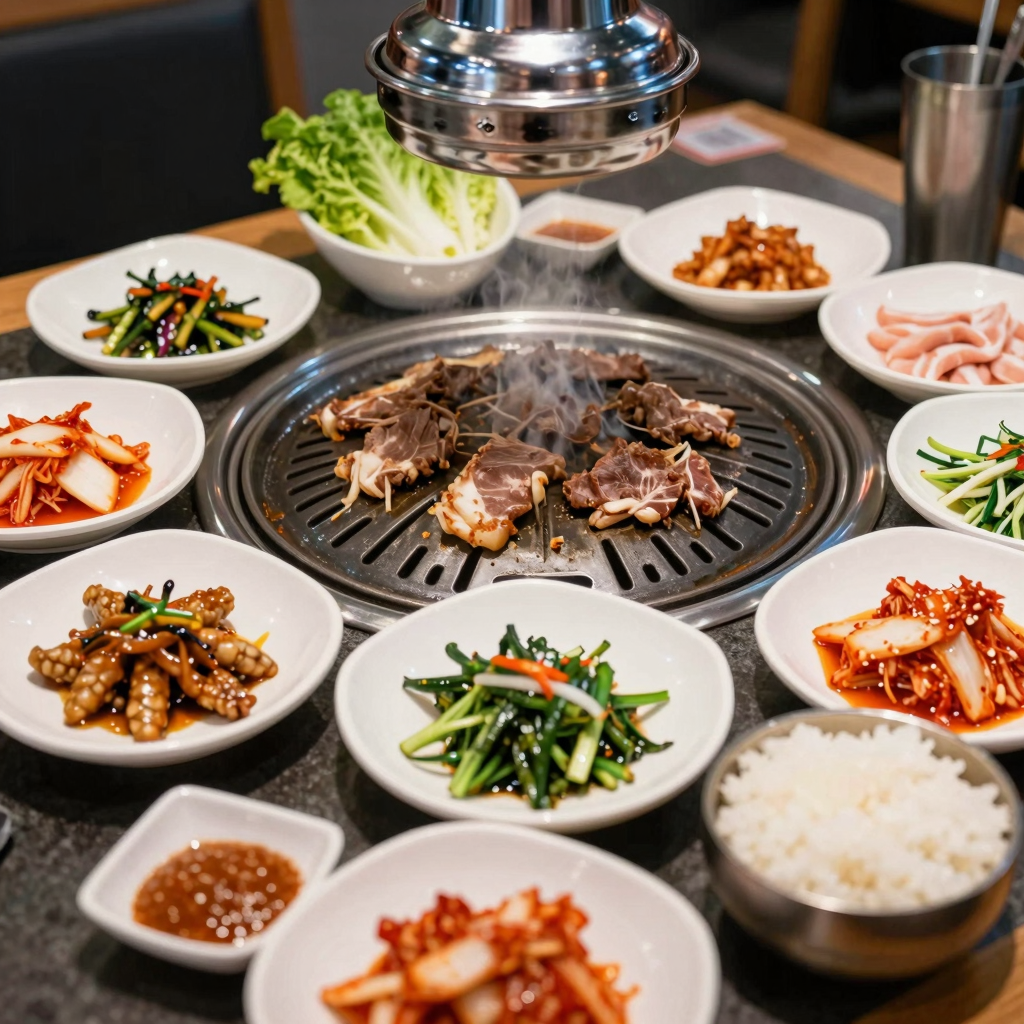
In today’s culinary landscape, offering gluten-free dining options has become not just a trend, but a necessity for restaurants aiming to stay relevant and inclusive. With growing awareness of gluten sensitivity and celiac disease, restaurant owners must understand the significance of catering to gluten-free diets. Here are key reasons why prioritizing gluten-free options can benefit restaurant businesses:
1. Enhancing Customer Satisfaction
Offering gluten-free menu items can significantly improve customer satisfaction. Many diners are increasingly looking for restaurants that accommodate their dietary restrictions, allowing them to enjoy a pleasurable dining experience. According to research, implementing gluten-free policies can enhance customer trust and loyalty. Customers are more likely to return to an establishment that they feel caters to their dietary needs. In essence, inclusivity breeds customer satisfaction and fosters repeat business.
2. Expanding Market Reach
The gluten-free market is witnessing continuous growth, driven by both necessity and lifestyle choices. Statistics indicate that a significant portion of the population seeks gluten-free options, representing a lucrative market segment. By embracing gluten-free dining, restaurants can tap into this expanding consumer base, attracting new customers who prioritize gluten-free menus. As noted in a piece by Celiac.com, restaurants that actively include gluten-free offerings can capitalize on this market expansion.
3. Compliance with Food Safety Regulations
Aside from appealing to customers, gluten-free dining options can ensure compliance with food safety regulations. Providing clear guidelines for gluten-free preparation reduces the risk of cross-contamination, thus protecting diners with dietary restrictions. Proper training for kitchen staff on gluten-free protocols is essential, as highlighted in a report by The Food Institute. This proactive approach not only safeguards customer health but also strengthens the restaurant’s reputation.
Conclusion
Incorporating gluten-free options into restaurant menus is vital for enhancing customer satisfaction, expanding market reach, and complying with food safety standards. Business owners who recognize the value of inclusivity in dining experiences will likely see positive impacts on loyalty, profitability, and overall customer experience. As more consumers seek gluten-free choices, restaurants must adapt to meet these demands, ensuring that everyone can enjoy their meals out regardless of dietary restrictions.
Understanding Gluten Sensitivity: Key Statistics for Business Owners
As the market for gluten-free products continues to grow, it’s crucial for business owners in the food industry to understand gluten sensitivity and related disorders. Recent studies reveal significant trends regarding these conditions:
-
Prevalence: Approximately 1% of U.S. adults are diagnosed with celiac disease, according to a survey. In addition, many others report non-celiac gluten sensitivity, indicating a larger market potential for gluten-free products (source).
-
Undiagnosed Cases: A staggering 83% of Americans with celiac disease remain undiagnosed or misdiagnosed (source). This statistic highlights an area for educational outreach and marketing initiatives targeting better awareness about gluten-related disorders.
-
Rising Awareness: The Celiac Disease Foundation reports an increasing number of registered dietitians equipped to provide nutritional therapy specifically for celiac patients, underscoring a growing support system (source).
-
Diversity of Prevalence: Recent research indicates a rising prevalence of celiac disease across various racial groups in the U.S., moving beyond the traditional demographic of Northern European ancestry (source).
By staying informed of these trends, business owners can better cater to a diverse clientele that includes those with dietary restrictions like gluten sensitivity.
Labeling and Transparency in Menus
In today’s dining landscape, the significance of clear labeling and transparency, especially regarding gluten content, cannot be overstated. For business owners in the food industry, understanding the needs of customers with gluten sensitivities is critical for building a trustworthy brand.
Gluten-free dining has become more than just a dietary choice for many; it’s a necessity for those with celiac disease and gluten intolerance. According to the FDA, clear labeling ensures that consumers can make informed choices without risking their health. This means that menu items should be explicitly noted as gluten-free or containing gluten, enabling those with sensitivities to dine with confidence.
Adopting Best Practices:
Business owners should consider the following best practices for menu design:
- Clear Labels: Use straightforward terminology to indicate gluten content. Avoid ambiguous terms that could confuse customers.
- Consistent Information: Regularly update your menu to reflect any changes in recipes or ingredients that might affect gluten content.
- Training Staff: Ensuring that employees are well-informed about the gluten contents in menu items will help them effectively communicate with customers, further enhancing trust.
Implementing these practices not only supports those with dietary restrictions but can also broaden your customer base. By focusing on transparency, you can build a reputation for caring about customer safety and satisfaction. Learn more about allergen labeling requirements to enhance your menu further.
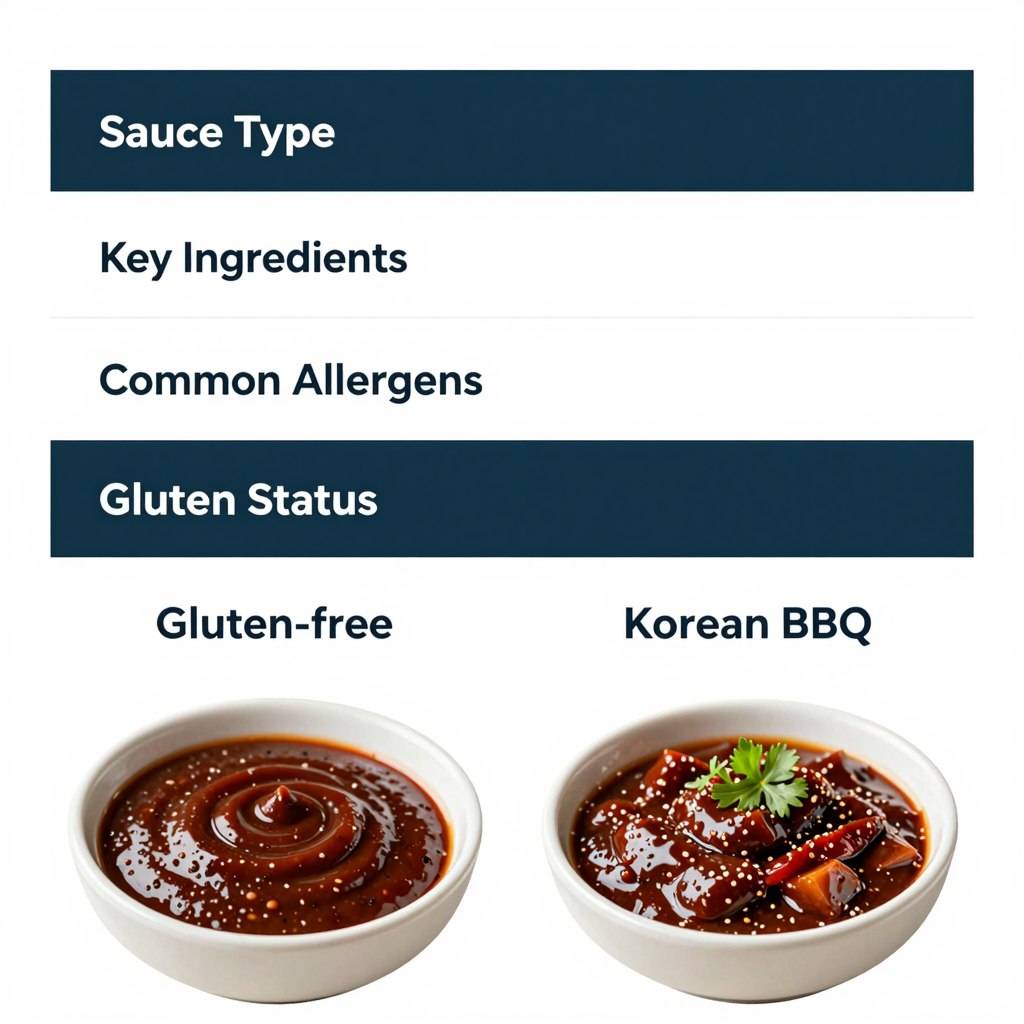
| Sauce Type | Key Ingredients | Common Allergens | Gluten Status |
|---|---|---|---|
| Gluten-Free Sauce | Tamari (gluten-free soy sauce), brown sugar, honey, rice vinegar, gochujang | Soy (if made from tamari) | Gluten-Free |
| Regular Sauce | Soy sauce, brown sugar, honey, rice vinegar, gochujang, sesame oil | Soy, Wheat, Sesame | Contains Gluten |
Conclusion
In summary, understanding gluten’s presence in Korean BBQ is crucial for business owners looking to attract a broader clientele. With many traditional Korean BBQ sauces and marinades containing gluten, it’s essential to recognize the dietary needs of gluten-sensitive customers. The growing trend towards gluten-free dining, driven by increasing demand, highlights the importance of adapting menus to accommodate all diners. By offering gluten-free options, restaurants not only cater to a wider audience but also enhance customer satisfaction and loyalty.
As the industry evolves, restaurants are encouraged to innovate by adding gluten-free dishes to their menus, enriching the dining experience for everyone. For business owners who need guidance on introducing gluten-free options, contact Zoomlion today for expert support and resources.