
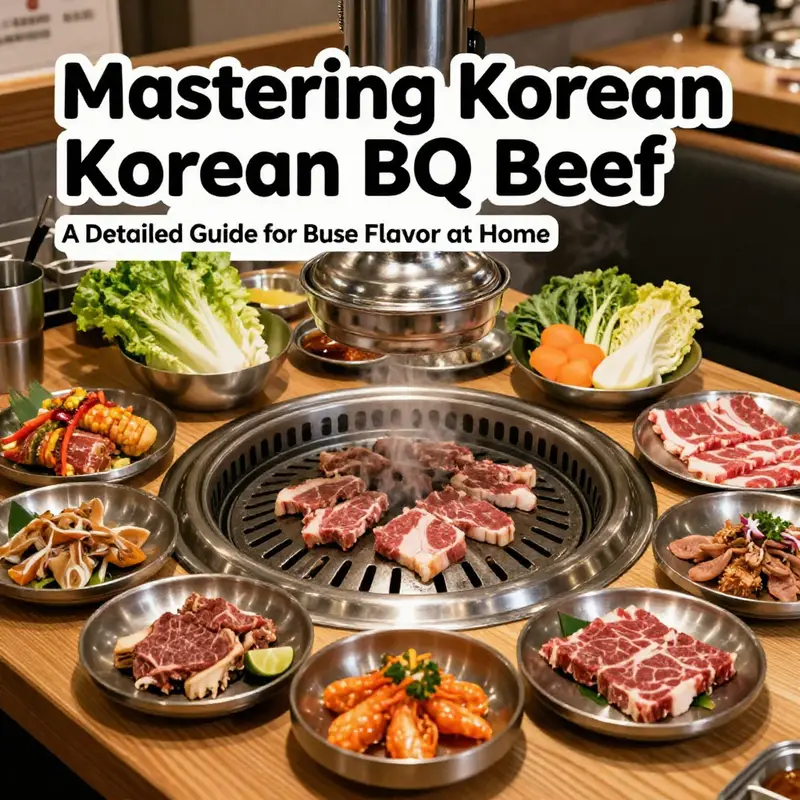
Korean BBQ beef has gained immense popularity due to its rich flavors and interactive dining experience. As a business owner, this cuisine can enhance your menu, attract customers, and provide a unique dining atmosphere. This article unfolds a comprehensive guide divided into two chapters: the first focusing on marinade preparation and cooking methods, and the second offering serving suggestions and accompaniments to elevate the dining experience. Through clear steps and insights, you will learn how to create this beloved dish that appeals to diverse clientele.
Savoring Perfection: Mastering Marinade Art and High-Heat Techniques for Authentic Korean BBQ Beef
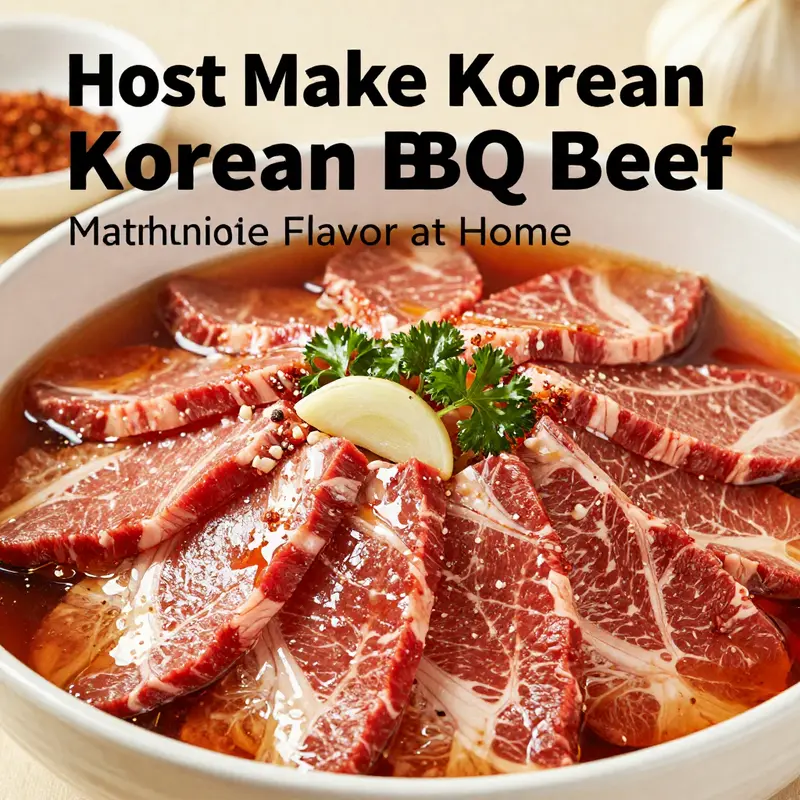
When embarking on the journey to create authentic Korean BBQ beef at home, the process is as much an art as it is a science. In many ways, the secret lies in the mindful blend of flavors and techniques that transform simple cuts of beef into a feast of savory, sweet, umami-rich delights. At the heart of this transformation is a marinade of exceptional quality, a delicate balance of ingredients, and a careful use of heat during cooking that brings out the best in every slice of meat.
The marinade serves several functions. It tenderizes, infuses layers of flavor, and sets up the development of a delightful crust during grilling or pan-frying. Traditional recipes call for a mixture of soy sauce, fruit juices, aromatic spices, and a touch of sweetness. In many kitchens across Korea, the inclusion of pear juice has become a definitive step, valued not only for its natural tenderizing properties but also for adding a subtle fruitiness that softens and brightens the intense profiles of garlic and ginger. The delicate balance between ingredients such as soy sauce – a blend of Korean and Japanese varieties for both saltiness and depth – and a measured hit of ginger and garlic spices is essential. These components work together harmoniously: the soy sauce imparts the desired saltiness and umami, while the garlic provides a pungent zest that cuts through the richness of the beef. In parallel, ginger offers a gentle heat and aromatic quality, contributing complexity without overwhelming the palate.
The sequence of marination is equally important as the ingredients themselves. One proven technique involves beginning with a light massage of the fruit juice, such as freshly pressed pear juice, into the beef. This step activates enzymes present in the fruit that gracefully break down the proteins, ensuring that the meat remains tender as it soaks in the rest of the marinade. Once this initial phase is complete, remaining liquid components including soy sauce, a drizzle of rice wine, and a measured amount of brown sugar or honey join the mix. A brief final incorporation of sesame oil and additional minced garlic toward the end of marination preserves their volatile aromatic notes, ensuring that the final dish is layered with fresh, vibrant scents.
In preparing the bread and butter of Korean cuisine, timing is crucial. A marination window of at least one to two hours is recommended, though many chefs find that longer periods, even overnight, allow the flavors to elevate the dish to a higher plane. However, caution is required because prolonged exposure to acids and enzymes in the marinade can risk turning the meat mushy if not monitored properly. This delicate balance highlights a recurring theme in Korean cooking – respect for the ingredients and the careful calibration of its preparatory techniques.
Beyond the marinade, the method of cooking is critical in achieving that perfect sear, an essential characteristic of high-quality Korean BBQ. Emphasizing high heat, the cooking process is fast and intense. Whether using a traditional grill or a cast-iron skillet, the objective remains the same: to achieve a beautifully caramelized exterior while keeping the interior tender and juicy. Preheating any surface ensures rapid searing, locking in the meat’s natural moisture and flavor. It is common practice to test the pan by sprinkling a few drops of water onto the surface. If the water sizzles and evaporates instantly, the temperature is primed for the meat. This practice, while simple, underscores the importance of a properly preheated cooking surface in attaining the desired char.
The actual cooking requires vigilance and precision. Thinly sliced beef, a traditional choice in Korean BBQ, cooks remarkably quickly. Typically, a minute or two on each side is ample time for the meat to develop a slight char without overcooking the interior. The key is to allow a thin layer of caramelization to form, signaling the transformation of sugars in the marinade into a delectable glaze. Turning the meat at just the right moment as the edges begin to show a golden-brown hue ensures that a fine balance is maintained between the seared outside and the succulent inside. This stage is critical because the brief cooking window demands that every second be used wisely to form that signature crust which is both flavorful and texturally appealing.
A recommended tip for chefs new to this style of cooking is to avoid overcrowding the pan or grill. When the meat is too tightly packed, it releases moisture that can interfere with the searing process. The result is often a steamed product lacking the desired caramelization. Instead, cooking in small batches preserves the high surface temperature needed for a quick and effective sear. In addition, a brief brushing of the meat with some reserved marinade during the final seconds of cooking can enhance the glaze. However, it is important to only use marinade that has been kept separate or boiled to eliminate any risks associated with cross-contamination from raw meat particles.
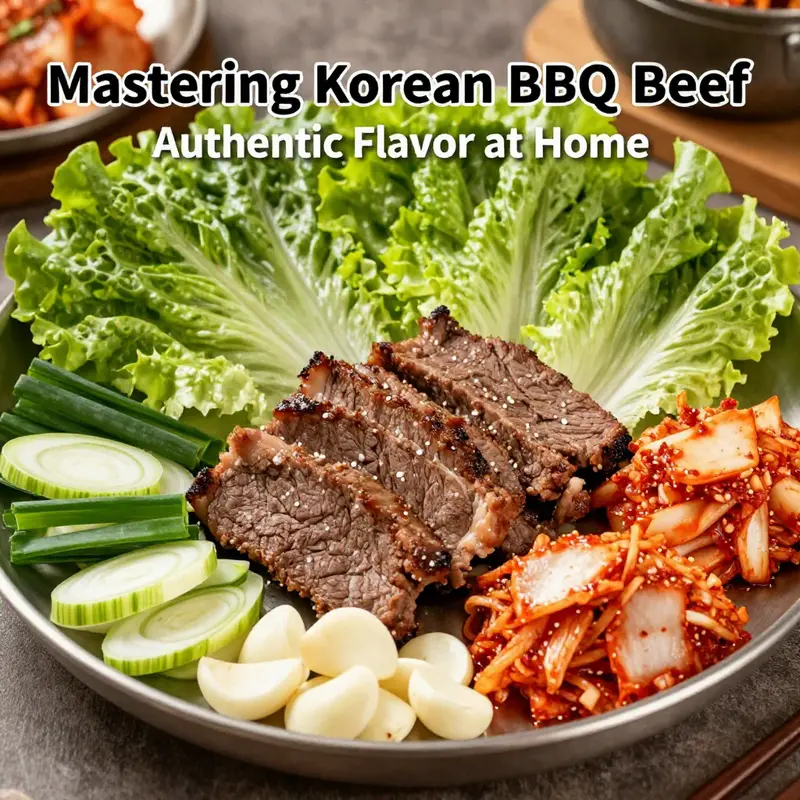
The collective effect of these deliberate techniques is not only the creation of a meal but also an experience that echoes the communal and interactive nature of Korean dining. When serving the freshly grilled beef, traditional accompaniments such as crisp lettuce leaves, sliced green onions, garlic slices, and spicy kimchi come into play, allowing diners to assemble individual wraps infused with a spectrum of textures and flavors. This interactive aspect of serving is central to the Korean BBQ experience, where each bite is an invitation to combine savory beef with the freshness of vegetables and spicy, tangy condiments.
An important nuance in preparing authentic Korean BBQ beef is the interplay between modern adaptations and traditional methods. While many contemporary recipes may incorporate additional spices or innovative techniques, the authenticity is preserved by keeping the fundamental approach intact. In other words, the core principles of marination and high-heat cooking remain unchanged despite slight modifications according to personal taste or regional variations. For instance, some chefs opt to include a modest amount of gochujang, a fermented red chili paste, to introduce a hint of spice and a deeper flavor profile. Others may experiment with a splash of rice wine or even soju to brighten the overall marinade. These variations serve to highlight the flexibility inherent in traditional cuisine, all while maintaining a respectful nod to time-honored practices.
Cooking Korean BBQ beef is not merely about transforming raw ingredients into a consumable dish; it is about preserving the ritual and care that has been passed down through generations. The tactile engagement—from the moment the beef is massaged with the tenderizing fruit juice, to the brief yet transformative high-heat sear on a hot grill—invokes a connection between the chef and the food. Each step requires mindfulness. The measured stirring of the marinade, the vigilant monitoring of the cooking temperature, and the attention to the minute details during plating all contribute to a dining experience that is intimate and communal. With every bite, one is reminded of the cultural heritage and the meticulous craftsmanship inherent in Korean BBQ traditions.
For those seeking to bridge the gap between tradition and their own modern kitchen, it is useful to consider the impact of ingredient selection. Opting for prime cuts such as ribeye, sirloin, or the particularly favored beef short ribs ensures that the natural flavors of the meat can harmonize with the marinade. The selection is crucial because the marinade, while powerful, is intended to complement and enhance rather than dominate the quality of the beef. The use of thinly sliced cuts is deliberate, as it allows for quick cooking and efficient flavor penetration. This attention to detail in both ingredient quality and technique underscores the principle that good food begins with respect for the base elements.
Beyond the technical elements of marination and cooking lies the joy of sharing. The practice of Korean BBQ is deeply social; it is a moment of connection among family and friends where the act of grilling at the table fosters conversation and camaraderie. The sizzling sound of meat searing on the grill, the aromatic waft of garlic and sesame, and the visual appeal of caramelized edges all serve as an invitation to slow down and appreciate the beauty of communal dining. Such experiences are integral not only to the appreciation of good food but also to the cultural narrative that celebrates shared moments over a hearty, homemade meal.
In embracing this art form in your own kitchen, you may find that the process itself becomes meditative, drawing you into a rhythm that is both engaging and satisfying. The ritual of marinating the beef, setting the grill to the perfect temperature, and plating the dish with an assortment of fresh, vibrant accompaniments all work in concert to create a truly multisensory experience. It is in these details that the spirit of authentic Korean BBQ is most evident. For enthusiasts who wish to delve further into the traditions of this cuisine, exploring additional recipes and insights—such as those found in guides on traditional bulgogi techniques—can be a rewarding extension of the culinary adventure. For instance, reading about classic recipes for bulgogi can provide a deeper understanding of how flavor layering and technique converge in Korean BBQ. You can explore more nuances by checking out this insightful article on traditional bulgogi preparation here.
The transformative journey from raw beef to perfectly grilled slices is a harmonious dance of science and art. Each step in the process, from marination to cooking, requires precision and reverence for the ingredients involved. The marinade, with its multifaceted blend of savory elements balanced against sweet and tangy notes, prepares the meat not only for the searing heat but also for the rich tapestry of flavors that will eventually grace the plate. The high heat of the grill or pan serves as a crucible in which the flavors coalesce, creating a sublime contrast between the slightly charred exterior and the tender interior. This interplay of taste and texture is what ultimately defines the Korean BBQ experience.
It is also worth noting that the careful science behind each method is a testament to generations of culinary refinement. Chefs have long experimented with varying quantities and types of each ingredient, and while modern adaptations may offer new twists, the foundational techniques remain respected. Some traditional methods even include resting the meat for a short period after it has been cooked, allowing the juices to redistribute evenly throughout the fibers. This step, although brief, is pivotal in ensuring that every bite of the beef is as moist and flavorful as possible. With each small adjustment and mindful technique, one inches closer to recreating the authentic taste and experience of a Korean BBQ meal.
For those looking to further refine their skills and experiment with different flavor profiles, consider the balance of seasoning against the inherent taste of the meat. Seasoning must be both bold and subtle. The marinade should build layers of flavor gradually; a quick, unthoughtful mix might lead to a dish that overshadows the natural taste of the beef. Conversely, letting the meat shine through while lightly brushed with a carefully prepared glaze results in a harmonious interaction of flavors and textures. In this way, the cooking process becomes an exploration of balance and harmony—a testament to Korean culinary traditions.
Beyond the home kitchen, the principles behind preparing authentic Korean BBQ beef have found universal appeal, resonating with food enthusiasts around the globe. The melding of tradition and innovation captured in small kitchen experiments has led to an increased appreciation for the discipline required to prepare such a dish. By mastering the art of marination and high-heat cooking, home cooks not only replicate a cultural ritual but also partake in a practice that has been honed over centuries. For those seeking to immerse themselves further in the intricacies of Korean BBQ, a detailed visual guide is available if you wish to compare techniques and refine your method. An excellent resource to consider is the comprehensive guide available at Authentic Korean BBQ Beef at Home.
The journey toward perfecting Korean BBQ beef is one of persistence, learning, and, ultimately, joy. With each attempt, whether the focus is on achieving the ideal marinade or mastering the perfect sear, there is always an opportunity to learn and refine your craft. The merging of tradition with modern practice creates a narrative that is rich, engaging, and deeply satisfying. It is this very passion and dedication that transforms culinary endeavors into cherished traditions, shared around a table with loved ones. In every careful stir of the marinade and every precise flip of the beef, history and heritage come alive, inviting home cooks to savor not just a meal, but an entire cultural experience.
Thus, as you stand before your grill or skillet, armed with ingredients steeped in tradition and a commitment to perfection, you are not merely cooking—you are participating in a time-honored saga of flavor, technique, and communal celebration. Each step, from the precise layering of marinade to the swift, high-heat sear, is infused with the spirit of Korean culinary artistry. Embrace these methods and techniques, and let your kitchen be transformed into a stage where age-old traditions and modern finesse meet in a spectacular display of taste and texture, promising to leave a lasting impression with every bite.
Enhancing Your Korean BBQ Beef Experience with Classic Accompaniments and Artful Presentation
When you sink your teeth into a slice of perfectly marinated Korean BBQ beef, the experience transcends simple nourishment; it becomes a celebration of tradition, flavor, and communal dining. This chapter delves into the art of serving Korean BBQ beef in a way that not only honors its heritage but also elevates every bite through thoughtfully chosen accompaniments and garnishes that balance and complement the bold, savory meat. The journey begins with selecting the finest cut, such as beef short ribs (galbi) prized for its marbling and rich layers of flavor. When seasoned with a tangy-sweet marinade that features soy sauce, fruit juices like pear, a hint of rice wine, and aromatic components such as garlic and ginger, the beef emerges wonderfully tender and bursting with umami. Marinating the meat for several hours, or ideally overnight, ensures a depth of flavor that is deeply infused into every slice, setting the stage for a truly authentic Korean BBQ experience.
As the beef grills over high heat, whether on a stove-top skillet or a Korean-style grill, the sizzle and aroma evoke a sense of excitement. The secret is not only in the marinade but also in the timing—grilling just long enough so that the exterior crisps while the interior remains succulent. A brief cooking time of just a few minutes per side is all that is needed to produce a lightly charred exterior that seals in the juices. The result is a perfectly balanced interplay between sweet, savory, and smoky notes that tantalize the taste buds.
While masterfully preparing the beef is essential, the dining experience is enhanced by pairing the main attraction with a selection of sides and garnishes that create layers of flavor. A traditional approach involves serving the meat with crisp lettuce leaves, which act as a refreshing palate cleanser and a vehicle for combining various tastes. Many enthusiasts prefer using butter lettuce or romaine, as they provide a tender yet sturdy wrap for the hot, juicy meat. When you place a slice of Korean BBQ beef in a lettuce leaf, the crunch of the greens contrasts with the soft, flavorful meat in a delightful medley of textures.
Beyond lettuce, additional garnishes play a crucial role in elevating the dish. A dab of spicy gochujang-based dipping sauce introduces a vibrant kick, balancing the inherent sweetness of the marinade with a sharp, peppery tang. This sauce, typically a blend of fermented chili paste, sesame oil, and a touch of sweetness from raw honey or sugar, brings heat and depth to every bite. Alongside the dipping sauce, a spoonful of kimchi contributes its own story—a tale of fermentation and a burst of tang that cuts through the richness of the beef. The interplay between the robust flavors of kimchi and the mellow, caramelized exterior of the meat is nothing short of a culinary symphony.
Another essential accompaniment is the sprinkle of toasted sesame seeds, which adds a subtle nuttiness and a delicate crunch. Their slightly toasted aroma complements the beef without overwhelming it. For those who appreciate the traditional approach, a small bowl of ssamjang—a thick dipping paste made from fermented soybean and chili pastes—offers an even richer taste profile. When combined with fresh sliced garlic and green onions, ssamjang creates a layered, multidimensional dipping experience that ties together the core elements of Korean cuisine.
The harmony of flavors extends further when the Korean BBQ beef is served with classic side dishes, commonly known in Korean cuisine as banchan. These petite, artfully prepared dishes are designed to stabilize the overall meal by providing a variety of tastes and textures. An indispensable banchan, kimchi, is a fermented vegetable dish typically made with napa cabbage and a mix of seasonings that include spicy red chili flakes. Its tangy, slightly sour profile works wonders as a counterpoint to the sweet and savory beef. Similarly, pickled radish, or danmuji, offers a crisp and refreshing bite that cleanses the palate between slices of smoky meat.
Equally popular among banchan is the Korean cucumber salad known as oi sobaegi. This dish features thin slices of cucumber marinated in a dressing of vinegar, sugar, and sesame oil. The sheer simplicity of oi sobaegi belies its ability to provide a cooling contrast, tempering the richness of the BBQ beef and adding a refreshing crunch to every bite. Steamed white rice, a quintessential element of any Korean meal, rounds out the ensemble. Its mild flavor serves as a neutral canvas that soaks up the myriad sauces and juiciness of the meat, ensuring that each mouthful bursts with balanced, intermingling flavors.
The dining experience of Korean BBQ extends beyond the food itself to encompass the social interaction and shared preparation that define it. In many households and restaurants alike, a portable Korean BBQ grill is the centerpiece of communal dining. Whether enjoyed in the comfort of your backyard, during a lively camping trip, or in the vibrant atmosphere of a restaurant setting, the act of grilling at the table transforms the meal into an interactive event. Guests are invited to partake in the cooking process, each person able to control the degree of doneness on their own slice of beef, thus tailoring the flavor profile to individual tastes. For those interested in exploring more about how traditional Korean flavors blend with modern dining experiences, you might consider reading about different regional styles, including concepts like the one described in the detailed discussion on bul gogi, available on the site Bul Gogi Korean BBQ.
Integrating these serving suggestions with proper presentation elevates the meal. It is the art of blending the hot, savory beef with cool, bright accompaniments that truly exemplifies Korean culinary tradition. Imagine a dining table set with an array of bright greens, vibrant red kimchi, and bowls of crisp radish and cucumber salad, all artfully arranged alongside steaming white rice. The visual appeal is as important as the flavors—the meal is not just eaten, it is experienced. Guests become actively involved, using their hands to create bite-sized wraps that include a bit of each element: a slice of meat, a dab of sauce, a crunchy lettuce wrap, and a spoonful of kimchi, all coming together in a harmony of textures and flavors.
The complexity of the serving suggestions is further enhanced by regional variations and personal interpretations. Some might choose to sprinkle a little extra black pepper or add a few drops of sesame oil on their beef after grilling, while others enjoy a more minimalist approach, letting the natural flavors of the ingredients shine through. Even the method of cooking can shape the final dish. Pan-frying offers a quick solution with uniform browning, whereas grilling can impart an unmistakable smoky flavor that many aficionados cherish. Each method carries its own benefits, reinforcing the idea that Korean BBQ is as much about personal taste and creativity as it is about tradition.
An integral aspect of serving Korean BBQ beef is the mindful preparation of condiments that amplify the tasting experience. Consider the dipping sauce, where every ingredient—from soy sauce to gochujang, from a drizzle of honey to the gentle caress of toasted sesame oil—plays its part in enhancing the overall flavor. The dipping sauce should be balanced, not too sweet and not too sour, allowing the savory depth of the beef to take center stage while still contributing its own vibrant note. A well-crafted dipping sauce brings a warmth and brightness that elevates the meal, making each bite slightly different from the last as the flavors mingle on the tongue.
The art of Korean dining is deeply intertwined with the philosophy of communal sharing and appreciation for varied tastes. In many gatherings, the table is set in such a way that each diner has the freedom to tailor their meal to personal preferences. The portioning of meat, the layering of condiments, and the careful selection of banchan encourage lively conversation, debate, and a shared love of food. This not only sustains the meal through its course but also enriches it with cultural meaning. Each element on the table is a symbol, connecting the diner to a long lineage of culinary innovation and tradition that spans generations.
Moreover, a truly memorable Korean BBQ meal is about more than just the food—it is about the ritual of coming together, grilling, wrapping, and sharing each bite with friends and family. When everything comes together—from the sizzling sound of grilled beef to the crisp snap of lettuce leaves and the punchy kick of spicy sauces—the dining experience becomes a moment of celebration. This communal aspect is what distinguishes Korean BBQ from other cooking styles, making it not only a means of nourishment but also a way of fostering relationships and creating lasting memories.
The sensory experience of Korean BBQ is enhanced by its ability to surprise with contrasts: the heat of the grill juxtaposed with the coolness of fresh vegetables; the richness of marinated meat balanced by tangy pickles and crisp salads; the interplay between spicy, savory, and sweet notes that dance on your palate. The role of garnishes and side dishes is to elevate these contrasts, adding depth with each component. A perfectly arranged table serves as a visual feast, where every color and texture is meticulously planned to create a harmonious overall presentation.
In developing your own Korean BBQ at home, attention to detail in the presentation can transform an ordinary meal into a culinary event. Place the cooked beef on a large serving platter with overlapping layers of luscious meat, just waiting to be picked up and wrapped in butter lettuce. Arrange small bowls of banchan around the platter, making sure that each element—from spicy kimchi to sweet pickled radish—has its own space to shine. The thoughtful composition of the plate not only pleases the eye but also guides the diner through a sequence of flavors that build upon each other with every bite.
Consider the role of the grill itself as it becomes a focal point of conversation and connection. When using a portable Korean BBQ grill, whether indoors with an electric model or outdoors in a backyard setting, the shared experience of cooking at the table deepens the enjoyment of the meal. Watching the meticulously marinated beef sizzle and char right before your eyes is a reminder of the care and tradition behind every step of the process. Guests can engage with the cook, offering tips and discussing the balance of spices in the marinade, which adds a dynamic and educational element to the dining experience.
As you embrace the full spectrum of flavors and textures, it becomes clear that the true magic of Korean BBQ beef lies in its ability to bring people together. The communal style of dining encourages lively exchanges and moments of shared discovery. Each person becomes both a chef and a diner, participating in a ritual that is as much about the joy of cooking as it is about savoring intricate flavors. With every freshly wrapped bite, the layers of taste—smoky meat, crisp vegetables, tangy pickles, and vibrant sauces—meld together, telling a story that spans from traditional Korean heritage to contemporary culinary creativity.
For those looking to explore additional recipes and variations on this theme, an external resource that offers deeper insights into the preparation and history of Korean BBQ is available at Joyous Apron’s Beef Bulgogi Recipe. This guide provides step-by-step instructions and tips that resonate with both newcomers and seasoned cooks eager to perfect the art of Korean BBQ.
In summary, serving Korean BBQ beef with artfully chosen accompaniments transforms an ordinary meal into an immersive dining experience. The playful balance between heat and cool crunch, between smoky char and crisp freshness, is at the heart of Korean cuisine. Through careful preparation, attention to detail, and a communal sharing of food, the meal becomes a tapestry of traditions, flavors, and stories that honor the art of Korean BBQ. Whether enjoyed in a bustling restaurant or in the intimate setting of one’s home, the combination of well-prepared beef, a medley of vibrant banchan, and thoughtfully crafted sauces promises a memorable dining experience that engages all the senses.
Final thoughts
Bringing Korean BBQ beef into your culinary offerings not only delights customers but also adds a layer of interactive dining that can set your establishment apart from the competition. From the intricate marinade preparation to the thoughtful presentation with fresh accompaniments, every aspect contributes to a memorable dining experience. Embrace the bold flavors and communal style of Korean cuisine, and watch your clientele grow. This is your chance to enhance your menu with a dish that’s loved across cultures.