
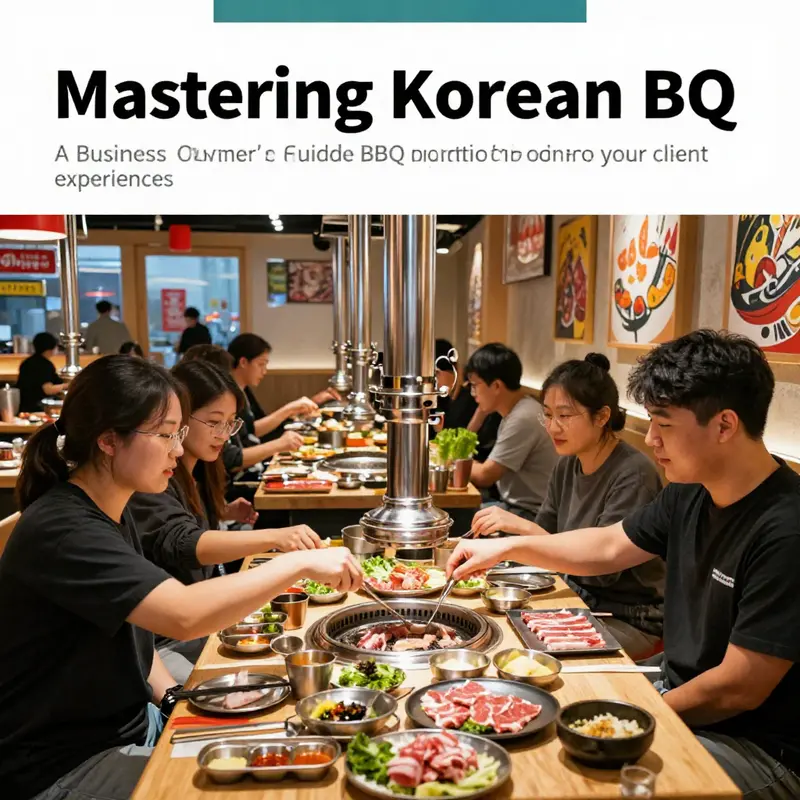
Korean BBQ is not just a meal; it’s an experience rich with tradition and etiquette that can impress clients and colleagues alike. As a business owner, understanding the subtleties of this unique dining style can foster strong relationships and create lasting impressions. This guide explores key elements of dining at Korean BBQ, including starting with banchan, using lettuce wraps, and grilling your own meat while dressing it up with exquisite sauces. Mastering these aspects ensures that your dining experiences align with Korean culture and etiquette, enhancing both personal and professional connections.
Savoring the Initial Bites: A Journey Through Banchan and Korean BBQ Etiquette
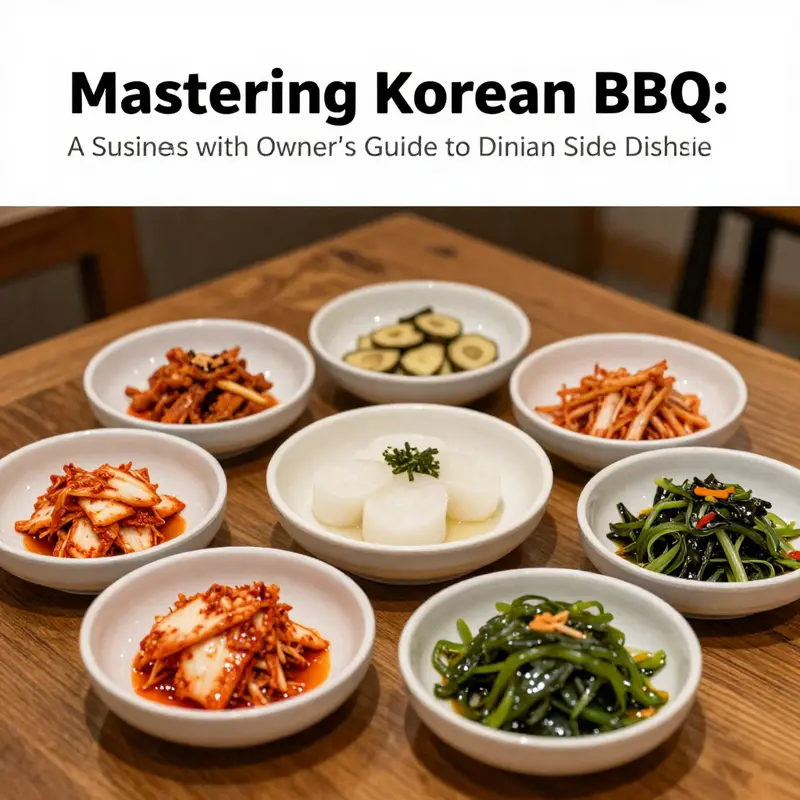
When you first step into a Korean BBQ restaurant, the experience is as much about the journey as it is about the destination. The meal unfolds gradually, beginning with a small assortment of banchan – those delightful, complimentary side dishes that set the stage for the savory adventure ahead. In Korean culture, food is meant to be shared and savored slowly, and the banchan provides an immediate connection to that philosophy. As trays of assorted pickled vegetables, seasoned soybean sprouts, and vibrant kimchi make their appearance, you are invited to explore a spectrum of flavors and textures that both contrast and complement the rich grilled meats yet to come.
The banchan is the heartbeat of a Korean BBQ meal, a small yet significant introduction to traditional Korean dining etiquette. Imagine a plate adorned with kongnamul, light and crisp with a hint of sesame oil, and danmuji, the yellow pickled radish offering a tangy burst that cleanses the palate between bites of heavier ingredients. Each bite of these dishes sets the tone for the communal dining experience: a celebration of flavors meant to enhance the enjoyment of the grilled main courses. As you delicately pick up a piece of kimchi or a slice of cheongpomuk with your chopsticks, you become a part of a centuries-old tradition that views every morsel as an invitation to share in the joy of dining.
Before the sizzling main event where you cook your own marinated cuts of meat directly on the tabletop grill, the banchan provides a quiet moment in which you acclimate to the vibrant atmosphere and the culinary customs of Korea. The side dishes are not merely accompaniments; they are the foundation upon which the entire meal is built. They awaken your senses, and by the time the first strip of meat hits the hot grill, your taste buds are already primed and delighted. The banchan continually appears throughout the meal, replenished by attentive staff who ensure that there is always something fresh to try. This ongoing presentation is a testament to the Korean belief in balance – that a meal is never complete unless the flavors are in harmony.
As you settle into the rhythm of eating, you will find that the act of sharing banchan creates an opportunity for conversation and a shared experience among diners. The communal nature of Korean BBQ means that every dish is a point of connection, a signal that you are not eating alone but participating in a tradition steeped in hospitality and community. Slowly, as you taste the cool, crisp textures of fresh banchan, the anticipation builds for the main event: grilling your own meat. The transition is smooth and natural, as if each bite of a tangy pickled radish or a burst of fermented cabbage is building up your palate for the forthcoming char and spice of grilled meats.
In the next phase of the meal, you’ll be handed simple tongs and introduced to the art of turning raw, marinated cuts of meat into delicious morsels of culinary art. The grill, whether heated by charcoal or an electric heating element, acts as the stage for this richly interactive performance. It is here that the initial flavors of banchan meet the sizzling, smoky aromas of the grill. Each piece of meat, once perfectly seared, is carefully wrapped in fresh lettuce or perilla leaves, often accompanied by a dab of gochujang or a generous squirt of ssamjang. This act of assembling the bite is a celebration of texture and taste – the crispness of the leaf balances the juicy richness of the grilled meat. A touch of garlic or a scattering of green onions adds a final layer of flavor that ties back to the meticulously prepared side dishes.
The essence of a Korean BBQ meal is deeply rooted in its balance and variety. You might notice that while the banchan plays a vital role in establishing the flavor profile, it also acts as a bridge to further experiences, such as dipping sauces and even shared soups. For example, many diners later enjoy a warm, bubbling stew like kimchi jjigae that draws together the meal’s diverse flavors even further. The careful progression, starting with banchan and progressing to the interactive grilling of meats wrapped in fresh greens, transforms a dinner into something communal, intimate, and lively.
As you immerse yourself in this multi-sensory dining experience, remember that every element – from the initial refreshing banchan to the tactile pleasure of assembling your own wrap – is designed to enhance communal enjoyment and culinary balance. Paying attention to the small details, like pouring drinks for one another using both hands as a mark of respect, further deepens your appreciation of the culture behind the meal. For diners seeking to dive deeper into the intricacies of Korean dining, exploring additional venues such as the Oakland All-You-Can-Eat Korean BBQ Experience can provide even more perspectives on how traditional and modern elements blend seamlessly in Korean BBQ.
This journey from the first bite of banchan to the final savoring of a perfectly wrapped bite of meat illustrates not only a feast for the senses but also a glimpse into the rich culture that informs every element of Korean dining. The banchan, with its myriad of flavors and textures, is not just a precursor; it is an integral part of the storytelling, a start to an ongoing narrative of shared food and lively conversation. It is this same narrative that invites you to taste, share, and ultimately, enjoy the full breadth of what it means to dine like a true local.
For those looking to further understand the role of banchan in Korean culinary traditions, a great resource is The Spruce Eats – Banchan Guide, which delves into the cultural significance and diverse nature of these traditional side dishes, enhancing your appreciation for this delightful start to a Korean BBQ meal.
Crisp Wraps and Bold Flavors: Mastering the Art of Lettuce and Perilla at Korean BBQ
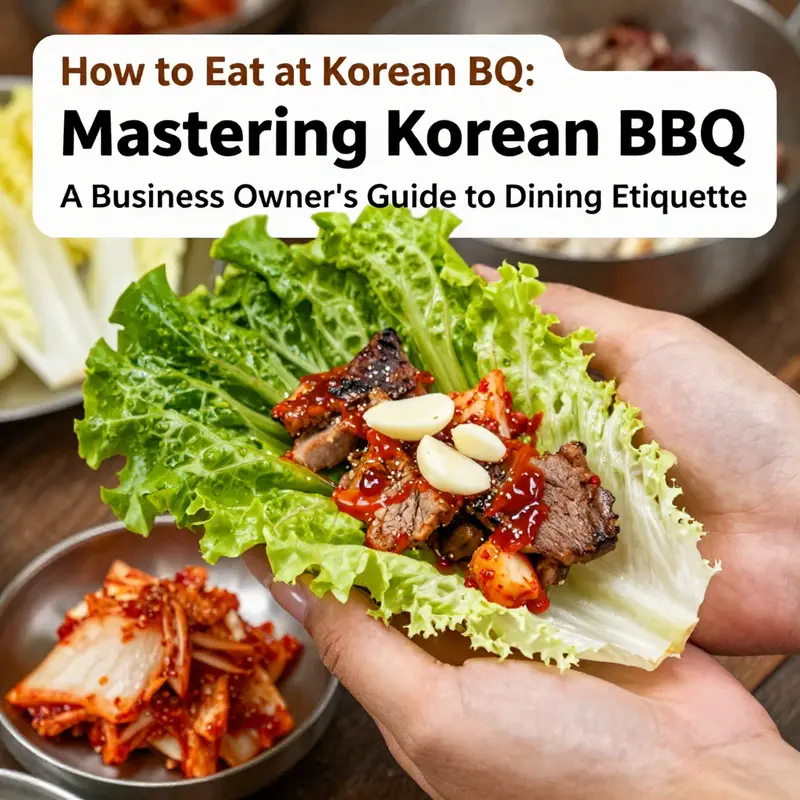
When you sit down at a Korean BBQ, the experience is far more than just grilling meat; it is a celebration of textures, flavors, and interactive dining that brings everyone together. A crucial element of this feast is the use of fresh leaves—either crisp lettuce or perilla—to wrap your grilled treasures. Not only do these edible vessels provide a refreshing counterbalance to the richness of charred meat, but they also serve as a canvas that highlights the vibrant medley of sauces and condiments, making every bite a delightful adventure.
The tradition of wrapping grilled meat in a leaf speaks to the Korean philosophy of balance in food. At your table, there is usually a generous platter filled with fresh, clean leaves waiting to be transformed into a perfect bite. The process is as simple as it is satisfying: take a large, fresh leaf, place a slice of freshly grilled meat—be it tender beef short rib or succulent pork belly—right at its center, and then add a few bites of complementary ingredients. A dollop of ssamjang, a robustly flavored paste, mingles with a thin slice of garlic and sometimes a small heap of tangy pickled radish. This combination not only cuts through the meat’s natural fattiness but also creates layers of taste that are both rich and refreshing.
The key to enjoying Korean BBQ lies in the delicate balance between warm, sizzling meat and the cool, crisp freshness of the greens. As you build your wrap, consider the textures: the raw crunch of lettuce or the slightly aromatic twist of perilla, the tender softness of the meat, and the slightly sticky consistency of the sauce. The contrast is not accidental. Korean cuisine has long celebrated the interplay between different sensations, ensuring that each bite keeps your palate engaged and interested without overwhelming it with a single dominant flavor. This method of eating heightens the interaction of flavors, making the meal not only delicious but also a communal event where sharing and experimenting become part of the experience.
It is important to note that the act of assembling your wrap is an interactive ritual that deepens the dining experience. Instead of passively waiting for pre-prepared dishes, you are involved in crafting your culinary delight. This hands-on process instills a sense of connection with both the food and your dining companions. As you gather around the table, each person curates their own wrap, choosing from a variety of side dishes known as banchan, and sharing tips on the perfect amount of ssamjang to add. The shared excitement over a well-made wrap is one of the many reasons why Korean BBQ is celebrated as a social dining affair.
The technique also offers practical benefits. By wrapping the meat, you are able to moderate the heat and richness of the grilled fare. The leaf acts as a barrier, ensuring that the intensity of the marinade and sauces does not overpower the savory flavors of the meat. Moreover, the freshness of the vegetable restore the palate between bites, allowing you to fully appreciate the complex seasoning of each cut. The interplay between warmth and coolness is both a sensory delight and a clever culinary strategy for balancing flavors, keeping even the most robust cuts of meat inviting and light.
For those new to Korean BBQ, the idea of constructing a wrap might seem daunting at first, yet the process is delightfully straightforward. Start by gently picking up a whole leaf from the platter. If you are using lettuce, select one that is robust enough to hold the filling without tearing, and if you opt for perilla, ensure that the leaf is large and pliable. Place the central piece of meat on the leaf, then artfully add a bit of ssamjang. Many experts recommend layering in a few slices of garlic and a touch of pickled radish, which imparts an unexpected zing and rounds out the flavor profile.
You might find that the communal nature of the meal inspires experimentation. Some diners choose to incorporate a spoonful of rice into their wrap, which helps to absorb the juices and intensify the flavors of the meat and condiments. Others favor additional elements such as chopped green onions or a small pinch of salt to further enhance the taste. This personalized approach is part of the Korean BBQ charm, where no two wraps are exactly the same. As you chat and laugh with friends around the grill, the focus remains not only on the food, but on the joy of creating something uniquely yours.
For a broader glimpse into this rich culinary tradition, one can also explore other facets of Korean dining cultures, such as the diverse range of meats served and the variety of banchan available. The preparation, grilling, and assembly techniques are all designed to celebrate simplicity while elevating everyday ingredients into a harmonious dish. This experience is so dynamic that many restaurants even encourage diners to shift between different types of meat cuts during the meal, ensuring that each new round is just as exciting as the last. Additionally, a quality Korean BBQ restaurant will often provide a steady stream of fresh leaves and condiments to ensure that your wrap-making journey remains continuous and delightful.
As you continue your exploration of Korean BBQ, remember that these wraps are more than just a method of serving grilled meat—they encapsulate the essence of Korean culinary artistry by marrying health-conscious elements with indulgence in flavor. To further delve into the diverse options available at a Korean BBQ setting, you might find insights into the art of meat grilling and the vibrant banchan selection in this detailed guide on bulgogi and grilling techniques. Meanwhile, for an external perspective on the sensory and cultural dimensions of the experience, consider reading the insightful article on BBC Travel which examines Korean BBQ as a feast of bold flavors and sizzling excitement (https://www.bbc.com/travel/article/20260123-korean-bbq-a-fiery-feast-of-bold-flavors-and-sizzle).
Embracing the art of using lettuce or perilla leaves transforms your Korean BBQ experience into a culinary adventure that is both personal and communal. The freshness of the greens, the rich flavors of the grilled meat, and the harmony of spicy and tangy condiments blend into a dynamic dish that is as enjoyable to make as it is to eat. Through each wrap you create, you capture not only a meal, but an engaging, social, and deeply cultural experience that showcases the beauty and complexity of Korean cuisine.
A Hands-On Feast: Mastering Korean BBQ from Grill to Wrap
Grilling, Wrapping, and Saucing: An Immersive Korean BBQ Journey
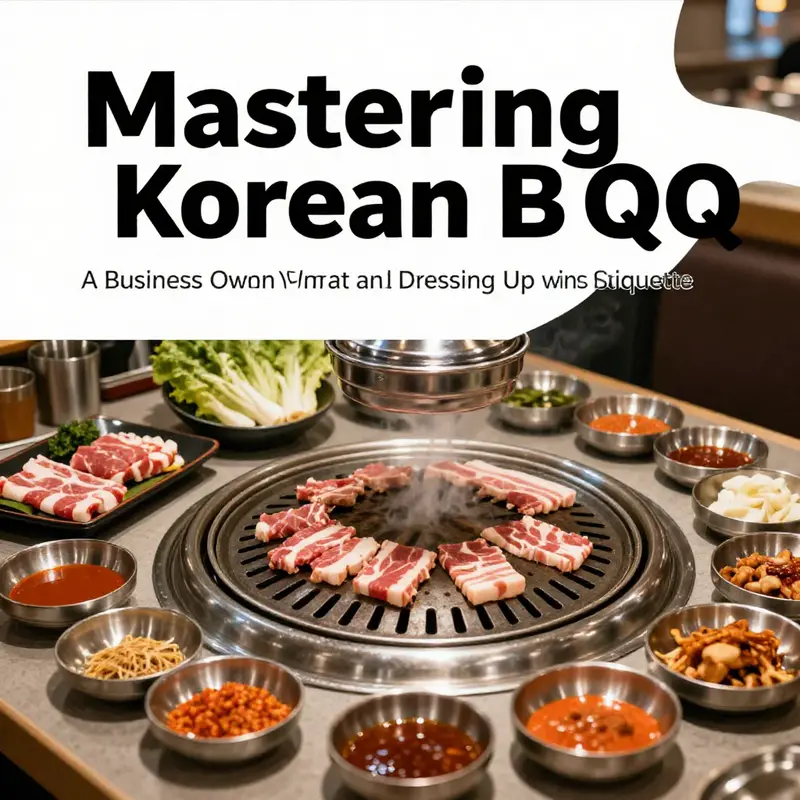
Korean BBQ is much more than a meal—it is an interactive culinary adventure where every step from grilling your own meat to assembling a bite-sized wrap tells a story of tradition, flavor, and shared conviviality. In this immersive experience, diners become the chefs, artisans of their own feast, engaging in a culinary ritual that has been refined over generations. The process begins at the table when you are handed an assortment of raw, marinated cuts such as tender beef bulgogi, succulent pork belly, or even marinated chicken prepared to set your taste buds alight with anticipation. Each piece is thinly sliced, allowing for rapid cooking over a high-temperature grill that brings out the perfect balance of smoky char and juicy tenderness. With each flip of the tongs, you witness the transformation as raw meat becomes a beautifully grilled delicacy.
As you start the grilling process, there is a unique thrill in watching the meat cook in real time. The sizzling sound, the aroma wafting through the air, and the gradual browning and caramelization of the surface are all part of a multisensory journey. A key technique is to avoid overcrowding the grill surface. A modest amount of meat at a time ensures that each slice gets the optimum amount of heat contact, leading to a consistent char and a texture that is both crisply seared on the surface and succulently tender inside. Occasionally, you may need to use a spatula or even a paper towel if excess grease accumulates. This grease, when managed properly, is what gives some cuts of meat their unmistakable richness, but too much of it can overwhelm the delicate balance of flavors when unmitigated.
After the meat begins to show signs of perfection, the next stage is wrapping it in fresh greens. The lush butter lettuce, crunchy romaine, or even traditional perilla leaves serve as the ideal canvas for your culinary creation. The freshness of these leafy greens cuts through the richness of the grilled meat with every bite. Here, the texture of the crisp leaf juxtaposes the tenderness of the meat and contributes an essential layer of flavor contrast. With practiced ease, you lay a leaf flat on your plate, adding a portion of freshly grilled meat before embellishing it with an array of accompaniments. A thin slice of garlic introduces a pungent note, while a few rings of green onion provide a slight sweetness that is both refreshing and aromatic. This elaborate yet casual assembly transforms the wrap into a bite-sized burst of flavor and texture—a delightful symphony that highlights every component of the dish.
Complementing the art of grilling and wrapping is the intricate process of sauce selection and customization. Korean BBQ typically features a medley of dipping sauces and condiments that allow you to tailor each bite exactly to your taste. A classic gochujang-based sauce offers a robust mix of spicy, sweet, and savory notes, while a drizzle of toasted sesame oil combined with a pinch of coarse salt adds a subtle yet luxurious finish. Other options, like a creamy blend of garlic butter or a tangy rice vinegar and sugar dip, allow you to experiment with contrasts that elevate your experience even further. It is in this creative phase that personal preference shines, as you have the freedom to mix a little of one with another until you achieve the perfect harmony of flavors.
The beauty of the Korean BBQ experience is the celebration of community and shared enjoyment. As plates of grilled meat, leafy wraps, and vibrant sauces make their way around the table, conversation flows as freely as the beverages. Traditional etiquette is interwoven into the fabric of the meal—whether it’s pouring drinks for one another with both hands as a sign of respect or exchanging playful banter over who managed the best grill marks, every moment enhances the pleasure of dining together. One can even draw parallels with other Korean culinary experiences; for instance, if you are curious about the unique flavor profiles of bulgogi, you might explore an article such as Bul-gogi Korean BBQ Delights to see how variations in seasoning can change the entire dynamic of the meal.
Throughout the experience, the table is never static. It transforms continuously as new batches of meat are brought to the grill and as each beautifully assembled wrap is enjoyed. Every morsel is an exploration into textures and tastes: the smoky char of freshly grilled meat, the cool crunch of a crisp leaf, and the bold tang of a carefully chosen sauce. This medley of sensations is a reflection of Korea’s rich culinary heritage and illustrates why Korean BBQ remains a beloved dining tradition among locals and visitors alike. Whether you are a veteran of this style of dining or a curious newcomer, the act of grilling your own meat instills a sense of pride and accomplishment. It isn’t merely about satisfying hunger—it is about participating in a ritual that bridges generations, cultures, and culinary techniques.
The rhythmic repetition of grilling, wrapping, saucing, and savoring produces an experience that is both participatory and communal. For many, this hands-on approach transforms a meal into a memorable event where every participant is both a cook and a critic. The sincere joy of cooking together, coupled with the pride that comes from assembling a bite that bursts with flavor, underlines why Korean BBQ has garnered such international appeal. If a more detailed guide to the nuances of Korean grilling methods interests you, visiting external resources such as The Spruce Eats Korean BBQ Guide can provide additional insights, ensuring that every grill session is a masterclass in culinary delight.
By embracing the spirit of Korean BBQ, you become part of a culinary tradition that is anchored in freshness, innovation, and respect for time-honored techniques. Each element—from the careful preparation of raw marinated meat to the final, satisfying bite—tells a story of heritage infused with modern dining creativity. In every sense, Korean BBQ is a celebration of shared meals, expert technique, and the endless possibilities of flavor. Enjoy each sizzling moment and let your palate guide you on this flavorful journey, where every bite is a testament to the art of self-cooked perfection.
Final thoughts
Understanding how to navigate the nuances of Korean BBQ transforms a simple meal into an engaging cultural experience, particularly for those in business settings. Starting with a variety of banchan prepares the palate for the main attraction — the grilling of your choice meats wrapped in fresh leaves and complemented by flavorful sauces. Embracing this communal and interactive dining style can create an appealing atmosphere for relationship-building. By incorporating these dining elements, not only do you enhance your cultural awareness, but you also pave the way for successful business engagements rooted in respect and authentic experiences.