
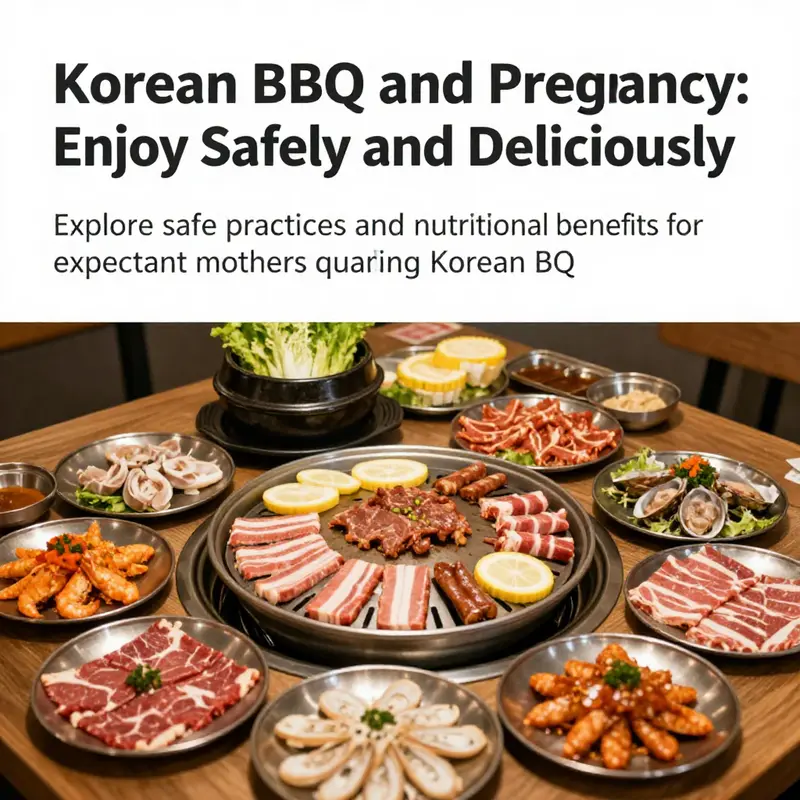
As the culinary appeal of Korean BBQ grows, many expectant mothers find themselves wondering if they can indulge in this flavorful cuisine during pregnancy. This question emphasizes the need for awareness about food safety and nutrition tailored for this special time. Korean BBQ can be enjoyed, but it requires careful consideration of cooking practices and ingredient choices to safeguard both the mother and the baby. This article will delve into safe practices when consuming Korean BBQ while pregnant and the nutritional considerations that highlight the health benefits of this popular dining experience.
Grill with Confidence: A Pregnancy-Safe Guide to Korean BBQ
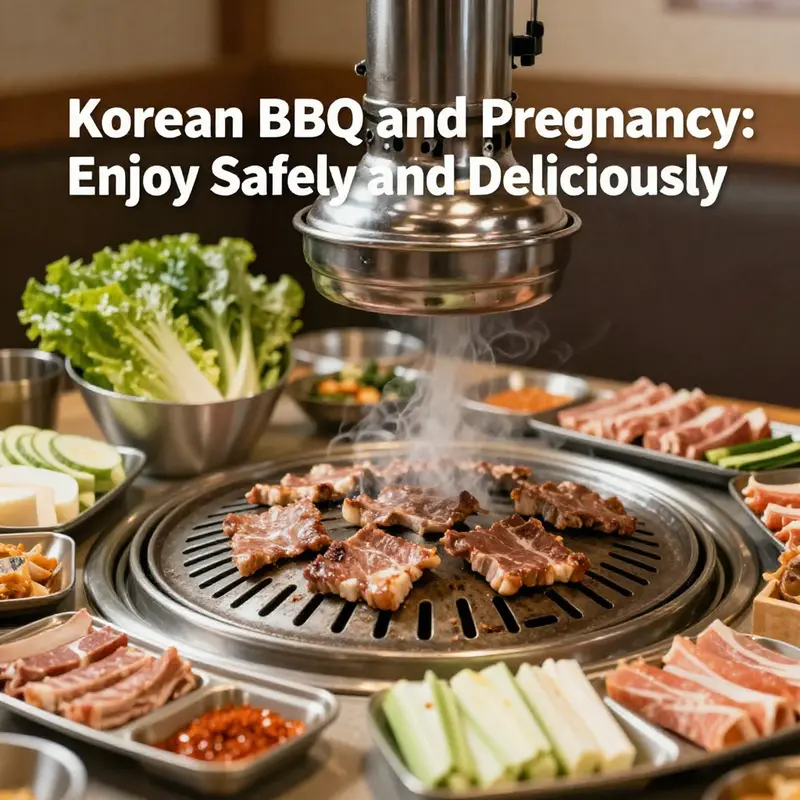
Craving the vibrant sizzle and the bright, peppery aroma of Korean BBQ can feel immediate and comforting, especially during pregnancy when appetite and taste change in unpredictable ways. Yet safety matters just as much as flavor. The good news is that you can enjoy Korean BBQ while pregnant if you approach it with deliberate choices and careful handling. The core idea is simple: ensure every element is prepared and eaten with food safety in mind, and balance the meal with plenty of fresh vegetables and hydration. When you pair mindful cooking with moderate portions, Korean BBQ can provide valuable nutrients such as protein and iron, while keeping risk factors at bay. It is not about deprivation; it is about thoughtful cooking, careful sourcing, and listening to how your body responds after meals.
To begin, focus on ingredients you can trust and control. Freshness matters because pregnancy can heighten sensitivity to foodborne illness. Choose lean cuts of meat, like certain beef options or chicken, that come with a reliable look and smell, and pair them with a generous spread of vegetables such as mushrooms, onions, and crisp lettuce leaves. Fresh seafood, when fully cooked, can also be a delicious option if you enjoy it as part of the grill. Processed or heavily marinated meats tend to carry higher levels of salt, sugar, or preservatives, which makes them less ideal for daily or even weekly dining during pregnancy. The goal is flavor that comes from the grill’s heat and from natural seasonings rather than from heavy sauces alone. If you’re ever uncertain about a particular item, choose simpler preparations and lean into natural aromatics like garlic and ginger—which not only heighten flavor but also offer potential anti-inflammatory benefits in modest amounts.
The most critical rule is clear and non-negotiable: cook all meats thoroughly. This is where many kitchen conversations become a test of patience and care. Beef and pork should reach at least 145°F (63°C) and enjoys a 3-minute rest time to re-distribute juices and kill lingering pathogens. Ground meats require a higher target—160°F (71°C)—to ensure safety across their broader surface area. Poultry and seafood demand an even higher standard, with a safe internal temperature of 165°F (74°C). Using a reliable food thermometer is a small device with a mighty impact, turning risk into routine in every bite. This thermometer becomes your ally, guiding you through the grill’s heat and turning complex cravings into confident choices. When you slice or sear, keep the interior color and texture in check; there should be no pink in poultry portions, and no translucent center in seafood. If you ever encounter a surface that remains suspiciously underdone, return it to the heat rather than risk a stray bite.
Beyond internal temperatures, what you eat matters as well. Raw or undercooked seafood is a particular concern during pregnancy because parasites and bacteria can linger in fish that hasn’t been fully cooked. If your order includes sashimi-style or raw fish options, opt for fully cooked seafood instead. The same advice extends to marinades and sauces that might have sat for too long or contain raw components. Gochujang and sriracha can be part of a balanced meal in moderation, yet spicy foods may irritate heartburn or digestive discomfort, which are common concerns for many pregnant individuals. If you notice heartburn after a bite, dial back the spice or choose milder sauces and keep the dipping sauces to small, measured portions.
Hygiene is a central pillar of safety. Clean hands before touching food are a given, but it goes deeper than that in a restaurant setting. When you’re dining out, observe how the kitchen handles raw and cooked components, and avoid cross-contamination by using separate utensils and plates for raw meat. If you’re cooking at home, you hold even more control over hygiene standards—from washing vegetables thoroughly to sanitizing surfaces that come into contact with raw ingredients. A simple habit like keeping cutting boards dedicated to raw meat separate from those used for vegetables reduces risk substantially. If anything in the kitchen during prep looks off—discoloration, sour aromas, or a slimy feel—trust your instincts and discard it.
Sauces and seasonings deserve a careful approach, too. Many traditional Korean BBQ sauces are high in sodium and sugar, and frequent overuse can contribute to swelling and elevated blood pressure, particularly during pregnancy. The advice is to savor flavor in moderation, not to rely on sauces as the sole source of taste. Instead, use lighter versions when possible, or rely on natural seasonings such as garlic, ginger, and citrus to bring brightness to the plate. A sprinkle of lime over greens, a squeeze of fresh lemon on seafood, or a dash of sesame oil can elevate flavors without a heavy salt burden.
Another practical consideration is alcohol in marinades. Some marinades may include alcohol; while cooking typically evaporates most of it, it’s reasonable to ask about ingredients or to prepare your own marinade at home without alcohol. The choice to avoid alcohol altogether in the kitchen is a personal one, but it’s worth noting for those who are particularly cautious. Marinade decisions, while seemingly small, influence a meal’s safety profile and can help you feel more at ease when you’re balancing pregnancy demands with a craving for bold flavors.
Moderation is a theme that threads through every idea here. Korean BBQ is often enjoyed as a social experience, a shared table with a spectrum of textures and aromas. To keep it pregnancy-friendly, consider an approach of balance: pair protein and grilled meat with a vibrant mix of vegetables, salads, and fiber-rich sides to slow digestion and provide fullness without overwhelming salt or sugar loads. Hydration is essential; water is the best companion to a grilled feast, while sugary drinks can amplify heartburn and contribute to unnecessary calories. In practice, you might savor a modest portion of grilled meat, load up on lettuce wraps and mushrooms, and enjoy a small portion of dipping sauces on the side rather than smothering the meal with them. Eating slowly and pausing between bites helps you gauge when you’re full and prevents overeating, which can otherwise lead to discomfort during pregnancy.
If you’re choosing a dining venue, prioritizing cleanliness and transparency is worth the extra effort. The safest path is often to cook at home where you can monitor every ingredient and method. If you prefer eating out, seek clean, reputable restaurants that demonstrate strong hygiene practices and a clear commitment to food safety. You can read menus and preparation notes before you order, and don’t hesitate to ask how meats are handled, what temperatures are used, and whether any sauces can be served on the side. For readers seeking options that emphasize careful sourcing and a comfortable dining experience, consider exploring Korean BBQ options like Korean BBQ in Moreno Valley. It can provide a practical reference point for how venues discuss ingredients, cooking methods, and portion control in real-world settings. Korean BBQ in Moreno Valley.
The overarching takeaway is that Korean BBQ can be a safe and satisfying part of a pregnancy diet when you bring attention to cooking temperatures, ingredient quality, and mindful portioning. It’s not about avoiding entire food groups or missing out on favorite meals; it’s about translating safety guidelines into everyday cooking decisions. A good rule of thumb is to treat each bite as a decision: Was this meat cooked through? Is the sauce used sparingly? Are vegetables present to keep things balanced? Am I feeling comfortable after finishing the meal? When you answer yes to these questions, you are likely making choices that support both you and your baby.
For those who want more authoritative guidance beyond personal vigilance, established medical resources provide ongoing recommendations on nutrition and safety during pregnancy. The American College of Obstetricians and Gynecologists (ACOG) offers comprehensive guidance on how to approach common dietary concerns, including food safety and the management of heartburn or digestive discomfort that can accompany pregnancy. You can consult their resources for up-to-date, evidence-based advice, and bring that knowledge into conversations with your healthcare provider about your specific dietary needs during pregnancy. https://www.acog.org
Grill, Nourish, and Protect: Navigating Korean BBQ Safely During Pregnancy
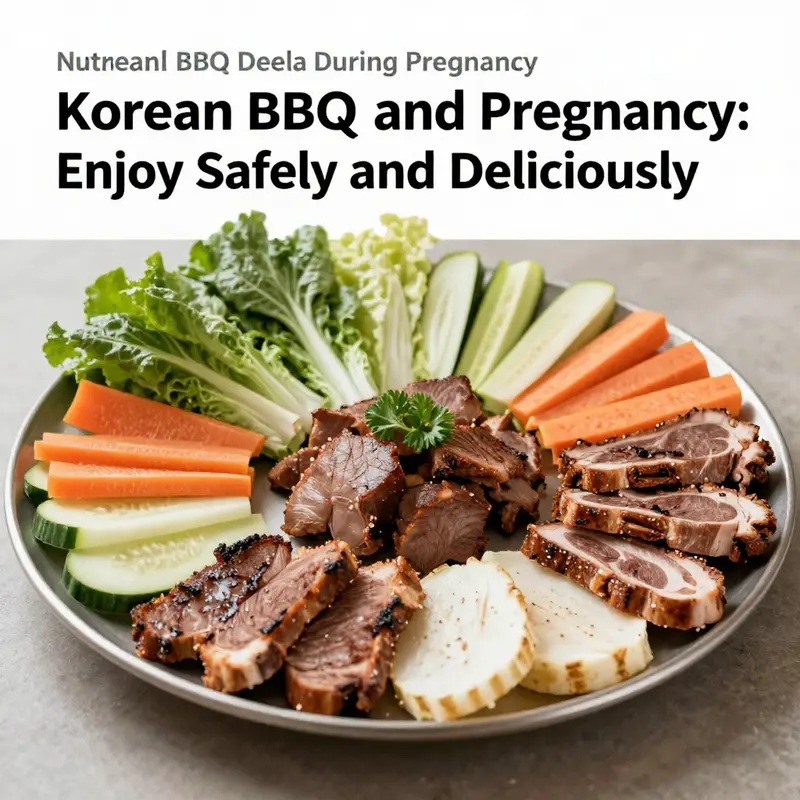
Craving the smoky, peppery allure of Korean BBQ while pregnant is common and completely understandable. The sizzling grills, the array of marinated meats, and the crisp crunch of fresh vegetables all combine into a meal that feels both comforting and celebratory. The key is to honor that crave with a plan that emphasizes safety without dulling flavor. The chapters that precede this one have laid out the broad principle: Korean BBQ can be enjoyed during pregnancy, but it must be approached with caution, moderation, and a clear eye on how the food is prepared, cooked, and paired. This chapter aims to weave those safety ideas into a practical, flavor-forward guide. It is possible to savor the grill’s excitement while protecting both mother and baby, provided each bite is guided by mindful choices and simple, dependable rules of food safety.
One foundational concern is thorough cooking. The immune changes that accompany pregnancy help explain why raw or undercooked meat is discouraged. Toxoplasma gondii and Listeria are the two organisms most often highlighted in obstetric guidance. Both can pose risks to fetal development, especially early in pregnancy when immune tolerance is shifting. The emphasis is not on fear but on practical safeguards. When you sit down to a Korean BBQ meal, imagine the grill as a tool not just for flavor but for stewardship of your health. The moment you select a piece of meat, you should plan for it to be cooked through with no pink in the center. If that means you need a longer grilling time on certain cuts, so be it. The aim is a thoroughly cooked exterior and interior.
This priority for full cooking dovetails with another important consideration: the quality of the meat and the sauces you choose. Korean BBQ often features a spectrum of marinades, some of which are rich in salt, sugar, and spicy components. While these flavors are delicious, they can irritate a pregnant stomach or contribute to heartburn, bloating, or digestive discomfort—common challenges many pregnant people face. The sodium content in some marinades and side dishes can be surprisingly high, and high sodium intake can influence blood pressure and fluid balance. For someone carrying a pregnancy, these effects may feel more pronounced. The lesson here is not to avoid flavor, but to balance it. When possible, opt for lean cuts and use homemade or lighter marinades that emphasize fresh ingredients like garlic, ginger, lime, and citrus zest. A bright, fresh seasoning can deliver the same excitement without piling on salt and additives.
Equally important is awareness of how high heat interacts with meat during grilling. Charred or burnt portions deserve special attention. Grilling at intense heat can produce carcinogenic compounds such as polycyclic aromatic hydrocarbons (PAHs) and heterocyclic amines (HCAs). These substances form when meat is exposed to open flame and flare-ups. The risk for occasional exposure is low, but frequent consumption of heavily charred pieces is not ideal, especially in pregnancy when many metabolic and hormonal changes influence how the body handles toxins. The practical takeaway is straightforward: trim off or avoid blackened edges, and choose steady heat or indirect grilling when possible. If a piece of meat develops a dark crust, cut it away and ensure the center is fully cooked before eating. This approach preserves texture and flavor while minimizing exposure to potentially problematic compounds.
Beyond the mechanics of cooking, the ingredients themselves require thoughtful attention. Korean BBQ kitchens often rely on flavorful marinades and sauces that can be high in sodium and added sugars. These components add character to a meal, but they can also amplify thirst and trigger discomfort. To manage this, many expectant diners benefit from limiting high-sodium sauces or requesting lighter versions. Alternatively, you can lean on natural seasonings—garlic, ginger, citrus, sesame oil in modest amounts, and fresh herbs—to sustain brightness without overwhelming the palate with salt. The philosophy is simple: savor the essence of the meat and the vegetables, and let the sauces play a supporting role rather than a starring one.
The side dishes or banchan that accompany Korean BBQ deserve the same careful curation. Vegetables such as mushrooms, onions, and leafy greens add fiber, vitamins, and minerals that support a balanced pregnancy diet. Fermented items like kimchi can offer probiotic benefits for gut health, which is increasingly recognized as a contributor to overall well-being during pregnancy. However, kimchi and other pickled items are typically high in sodium, which can raise blood pressure and contribute to swelling in some individuals. Moderation, portion awareness, and balancing these items with ample non-salty vegetables can help maintain tolerance and comfort. A plate built around variety—steamed greens, cucumber slices, shredded cabbage, and a few well-cooked mushrooms—mirrors a nutrient-dense approach that respects both appetite and physiology.
In practice, translating these principles into a satisfying meal requires a few concrete strategies. First, choose lean cuts of meat—beef, chicken, or even seafood options when appropriate—grilled to a safe, well-done finish. If you’re cooking at home, you can control the level of heat, watch for flare-ups, and remove any portions that appear overly charred. If you’re dining out, don’t hesitate to request your proteins be cooked thoroughly and to see that any raw components, such as slices or thin cuts, are fully cooked before you take them from the grill. Second, approach marinades and sauces with a critical eye. Homemade marinades with fresh ingredients and reduced sodium can deliver the same depth of flavor as commercial options. When you dine out, ask for lighter sauces or for dipping sauces to be offered on the side so you can control portions. Third, fill your plate with vegetables and fiber-rich sides. A diverse array of vegetables helps to cushion meals that are higher in fat or salt and supports healthy digestion, which can be more sensitive during pregnancy.
There is another practical layer to this discussion: the environment in which you eat. Home cooking offers the clearest control over ingredients, preparation, and cooking times. If you’re craving Korean BBQ and you’re able to cook at home, you can choose lean proteins, moderate seasoning, and well-balanced banchan that fit your health goals. If you prefer to eat out, select clean, reputable restaurants that emphasize hygiene, proper food handling, and consistent cooking practices. The goal is not perfection but prudent consistency—prioritizing safety without sacrificing enjoyment. For readers seeking a blended approach, a curated menu option that pairs Korean BBQ with sushi can provide variety, while still allowing careful attention to cross-contamination risks and raw components. See the Korea BBQ and Sushi Menu for more on how menu design can support mindful choices.
When it comes to the broader guidance that professionals emphasize, there is broad consensus on avoiding raw or undercooked foods during pregnancy. The American College of Obstetricians and Gynecologists (ACOG) cautions that pregnant people should minimize exposure to foodborne pathogens, and they advocate for balanced, nutrient-dense eating patterns rather than single-diet fixes. The message is reinforced by more contemporary sources that stress practical safety steps rather than sweeping prohibitions. The aim is safety first, then flavor, then nourishment. In this spirit, we approach Korean BBQ as a vibrant culinary tradition that can be enjoyed with intention. A well-structured plan—prioritize full cooking, moderate sodium, and abundant vegetables—helps you satisfy cravings while protecting health.
It is worth noting that some modern social media discussions have offered quick, ad hoc guidance on this topic. A 2026 TikTok video by a clinician discussing whether Korean BBQ is safe during pregnancy underscores the same core ideas: practice safe grilling, choose mindful ingredients, and savor cravings without compromising safety. While a short video cannot replace consultation with a healthcare provider, it reflects a growing public awareness of practical steps pregnant people can take when facing food cravings. If you want a concise, contemporary perspective from a medical communicator, you can reference that discussion as a supplementary viewpoint. (External resource: https://www.tiktok.com/@dr.dan/video/734567890123456789.)
To connect this guidance to everyday decisions, consider how you build your plate in a typical Korean BBQ meal. Start with a base of vegetables on the grill, such as mushrooms and onions, which soften nicely and release umami that enhances flavor without added fats. Then add lean protein that reaches a thorough cook. Keep a small portion of any high-sodium sauce on the side, tasting first and applying sparingly. If you enjoy kimchi, portion it modestly and balance it with extra greens to temper sodium intake. Hydration matters too; water or sparkling water with a squeeze of lemon can quench thirst and aid digestion without the sugar load of some beverages. The rhythm of eating becomes a practice of listening to your body: if you notice heartburn, nausea, or stomach discomfort, pause and reassess your choices—perhaps favor more vegetables, less spice, or a shorter, gentler grilling session.
For readers who want a concise reference to related culinary options while maintaining the same safety mindset, a broader exploration of menu options can be found in the Korea BBQ and Sushi Menu. This internal link provides a broader context for how different Korean-style offerings can be integrated into a pregnancy-friendly plan, helping you navigate cravings with flexibility and care. The aim is to keep flavor alive while ensuring every bite aligns with safety principles.
In sum, Korean BBQ can be a safe, nourishing, and deeply enjoyable choice during pregnancy when approached with discipline and mindfulness. The core practices—thorough cooking, careful selection of ingredients, restrained use of high-sodium sauces, and generous incorporation of vegetables—transform a potentially risky dining experience into an opportunity to celebrate nourishment and cultural flavor. When in doubt, lean toward home preparation or trusted establishments where you can see clear cooking practices, ask questions about marinades and heat levels, and tailor portions to your needs. Your body and your baby will benefit from this deliberate approach, and you can still experience the communal joy of sharing a grill-and-danch meal with family and friends.
External resource note: For an accessible, clinician-informed perspective on safety practices and cravings during pregnancy, you may review Dr. Dan’s guidance on the topic, which emphasizes safe grilling and mindful food choices as a way to satisfy cravings without compromising maternal or fetal health. https://www.tiktok.com/@dr.dan/video/734567890123456789
Final thoughts
Expecting mothers can safely enjoy Korean BBQ by prioritizing well-cooked meats, choosing fresh ingredients, and being mindful of sodium intake. This beloved cuisine offers valuable nutrients, such as protein and iron, critical during pregnancy. With the right precautions, Korean BBQ not only satisfies cravings but also supports a balanced diet for the health of both mother and child. By adhering to the outlined safety and nutritional guidelines, pregnant women can savor the experience of Korean BBQ without compromising on health.