
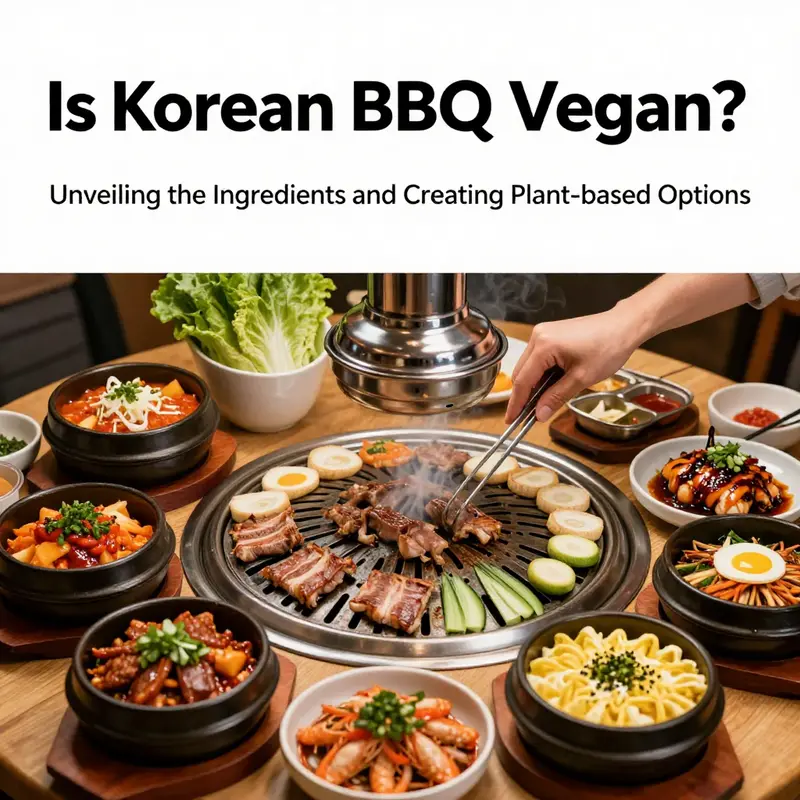
The rising trend of plant-based diets has led to increasing scrutiny of traditional culinary staples, including sauces. Korean BBQ sauce, a beloved accompaniment to grilled meats, often raises questions regarding its vegan status. This article delves into the ingredients that commonly define Korean BBQ sauce and their respective vegan status, showcasing how incorporation of animal-derived ingredients can alter its classification. By understanding these components, business owners can better cater to the growing demand for vegan options, enhance their offerings, and build a deeper connection with their customer base. The subsequent section will illustrate how to craft authentic vegan versions of Korean BBQ sauce, ensuring a perfect balance of flavors while meeting dietary preferences.
From Ferments to Flavor: Tracing Vegan Possibilities in Korean BBQ Sauce
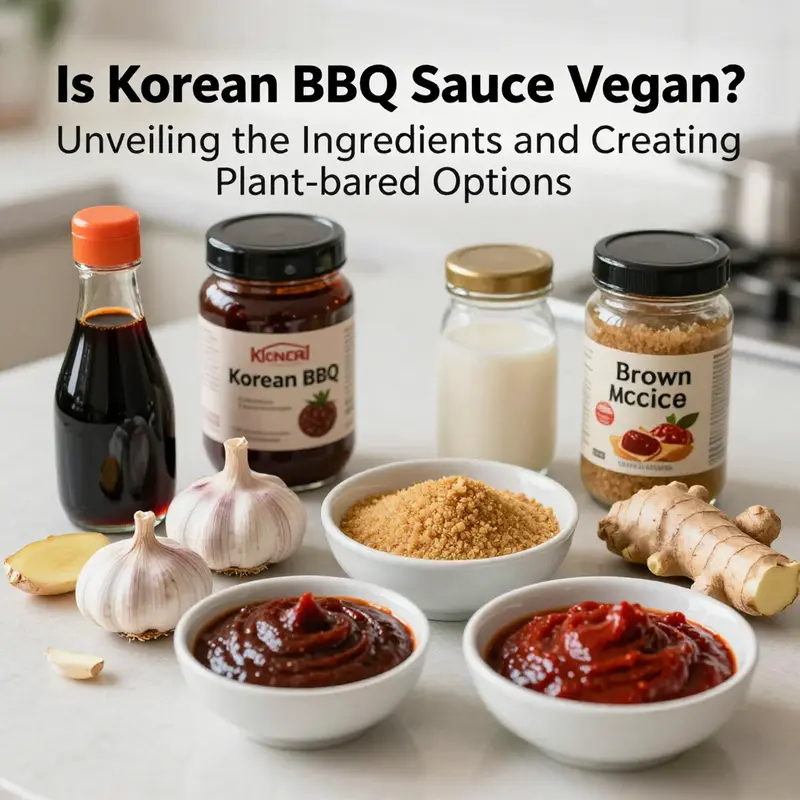
Korean BBQ sauce sits at a culinary crossroads where tradition and modern dietary choices meet. It is a tapestry woven from fermented beans, roasted grains, sweeteners, and a spectrum of aromatics, all tuned to deliver that characteristic balance of savory umami, gentle sweetness, and a hint of heat. In its most sincere form, the sauce is less a single recipe than a family of sauces, each region and cook adding their own twists. That very variability is what makes the question of vegan status both meaningful and sometimes tricky. The core idea, though, remains straightforward: many of the fundamental building blocks of Korean BBQ sauce are plant-based, and with careful selection, the sauce can be fully vegan without sacrificing its essential flavor profile.
The foundation of any Korean BBQ sauce is a curated ensemble of fermented, sweet, and savory elements. At the heart of this ensemble sits gochujang, a fermented red chili paste. Its depth comes from a blend of red chilies, fermented soybeans, glutinous rice, and salt. This combination creates a core umami and a complex, almost meaty savor that fans of the cuisine often describe as soulful. In practice, gochujang is often vegan by default, but the commercial landscape has grown more diverse. Some brands may incorporate fish or shellfish derivatives to intensify flavor, while others label their products as vegan or plant-based. The distinction is not merely academic; it translates directly to whether a sauce can be enjoyed on a vegan diet without second thoughts. For anyone who plans to make a vegan version, the safest move is to seek a gochujang that explicitly states it is vegan or clearly omits animal-derived ingredients on the label. The difference between a plant-based paste and a fish-enhanced paste can be a mouthful when tasting the final sauce, and it can be a moral anchor for someone who is choosing entirely plant-based meals.
Ganjang, the Korean soy sauce, functions as the backbone of the sauce’s salty, deeply savory note. Fermented soybeans, grains, salt, and water give ganjang its character—dark, aromatic, and capable of delivering a long, lingering finish. In theory, most traditional ganjang is vegan, since it is built from plant fermentation processes. In practice, a subset of premium or specialty versions may include additives or processes that introduce animal-derived components, whether consciously or through less transparent manufacturing practices. When aiming for a vegan result, choosing a ganjang that is labeled vegan or that is produced without animal byproducts helps ensure the sauce remains strict to a plant-based standard. This choice matters not merely for dietary adherence but for the way it harmonizes with the other elements in the sauce. A robust, plant-based soy sauce can anchor the recipe with a familiar, domestic umami that resonates with laksa-like complexity, miso-like warmth, and a gentle, lingering saltiness that makes the tongue smile.
Sesame oil, pressed from toasted sesame seeds, brings a distinct, uplifting aromatic layer. Its nutty aroma can evoke a sense of roasted warmth and depth that pairs beautifully with the peppery bite of gochugaru and the brightness of fresh garlic. Sesame oil is naturally vegan, but one should be mindful of processing methods that might inadvertently introduce non-vegan filtration biases—though such cases are rare. In a well-constructed vegan sauce, sesame oil is not simply a garnish but a structural note that rounds and binds the other flavors. It ties the tart brightness of a fruit-based tenderizer to the saltiness of the soy components, and it gives a final finish a delicate gloss that invites a second taste without shouting over the heat.
Sweeteners in Korean BBQ sauce are where many traditional preparations diverge most clearly from vegan standards. The older archetypes often call for honey as a natural sweetener, which is explicitly non-vegan. This is one of the simplest but most consequential distinctions for someone cooking vegan. A vegan approach substitutes honey with alternatives such as maple syrup, brown rice syrup, agave nectar, or date paste. Each of these has a different sweetness profile and viscosity, so a cook adjusts accordingly to maintain balance. An equally important point is the use of fruit-based sweetness. Asian pear and kiwi puree do more than simply sweeten; they bring natural tenderness to meat through enzymes that help break down proteins. In a plant-based sauce, these enzymes can mimic the mouthfeel and tenderness that would otherwise come from meat proteins, contributing to a perception of “chef’s tenderness” without any animal involvement.
Garlic and a chorus of aromatics—ginger, scallions, and peppery greens—form the backbone of aroma. Garlic offers a sharp bite that anchors the sauce in savory territory, while ginger adds warmth and a little zing. The aromatics are almost always vegan, provided one avoids any processing aids that rely on animal derivatives. The careful layering of these aromatics with the gochujang and ganjang creates a perfume that rises during cooking and remains present as the sauce cools, inviting fresh meats or plant-based proteins to absorb the character and carry it to the palate with confidence.
Gochugaru, the distinct Korean chili flakes, brings heat, color, and a sun-warmed earthiness that is unmistakable. It is inherently vegan, and it scales well from a whisper of warmth to a brighter, bolder note. The heat from gochugaru is not merely a sensation of spiciness; it is a component that helps balance sweetness and salt, resisting the sweetness’ temptation to drift into cloying territory. When used with respect, gochugaru ensures that the sauce remains vibrant and alive, even as it thickens and reduces during simmering. The careful calibration of gochugaru with the other ingredients determines how well the sauce remains balanced when it is brushed onto vegetables, tofu, tempeh, or mushrooms, or when it finds a home in a more traditional meat-forward grilling scenario.
If there is a wildcard in the discussion of vegan status, it is the occasional presence of fish sauce or anchovy extract in some plant-leaning or regional variations. The purpose of these non-vegan components is to deepen umami to levels some cooks associate with a “classic” finish. But in a vegan version, fish sauce is simply unnecessary. Modern vegan cooks often substitute with mushroom soy, miso, or a well-constructed blend of seaweed and miso to achieve a comparable savoriness without animal ingredients. This substitution is not about erasing tradition; it is about translating the same physics of flavor—depth, mouthfeel, and a lingering finish—into a vegan language that still pays homage to the original profile. When a recipe is designed with vegan goals in mind, such alternatives become essential tools rather than compromises.
The practical art of building a vegan Korean BBQ sauce lies less in following a rigid list and more in understanding how these ingredients respond when heated, combined, and reduced. Heat is a gentle sculptor here. The sugars caramelize, the gochujang loosens its tangy-resinous notes, and the soy-based saltiness expands in the mouth as the sauce thickens. The acids—whether from a splash of rice vinegar or from the natural brightness of fruit puree—pull the sweetness back toward balance, ensuring the sauce remains versatile enough to glaze vegetables, tofu, or tempeh as confidently as it would glaze grilled protein. A well-balanced vegan sauce doesn’t dominate a dish; it hugs it, allowing the other flavors to speak while lending a chorus of umami that lingers after each bite.
As cooks explore vegan adaptations, they frequently encounter two practical questions: how to adjust for gluten if needed, and how to maintain a glossy finish and a clingy mouthfeel that coats proteins without being heavy. Gluten can be a factor because soy sauce often contains wheat, and many traditional gochujang recipes rely on grains for fermentation. Those avoiding gluten can choose certified gluten-free vegan soy sauces and gochujang that does not rely on wheat-heavy formulations. In many kitchens, a simple workaround is to blend a gluten-free tamari with a touch of water or to use a gluten-free gochujang option. The goal remains uninterrupted umami and cohesion. Cling and gloss come from reduced sauces—gentle simmering to concentrate flavors—and from allowing the natural oils to emulsify with the soy base and fruit-derived tenderizers. A light brush of sesame oil at the end can amplify aroma and gleam, without turning the sauce into a heavy glaze that drowns the texture of what it coats.
The vegan path does not demand renouncing the cultural language of Korean barbecue. It invites a mindful re-translation of the same sentences, using plant-based lexicon to convey depth and memory. The core ingredients—gochujang, ganjang, sesame oil, sugar alternatives, garlic, fruit tenderizers, and gochugaru—are all consistent with a plant-based diet when chosen with transparency. The most reliable way to ensure vegan status is to read labels carefully, seek products that are explicitly vegan or plant-based, and remain alert to any listing of fish, shellfish, or other animal derivatives under obscure synonyms. This practice transforms a potential roadblock into a practical habit that enhances confidence in what ends up on the table.
In the years since the fusion of tradition with modern dietary preferences, the market has begun to reflect a broader spectrum of vegan-friendly options. Brands and home cooks alike are showing that a sauce can be deeply familiar and undeniably plant-based at the same time. This evolution matters not only for vegans but for anyone seeking to reduce animal products without sacrificing flavor complexity. It matters because it reveals that the essence of Korean BBQ—the balance of heat, sweetness, salt, and aroma—can be expressed in a vegetarian or vegan idiom without losing its essential identity. The vegan sauce honors the spirit of jungshik, the centered meal philosophy of Korea, where sauces are not mere condiments but partners that elevate the main dish through harmonized, measured seasoning and the careful choreography of fermentation and heat.
For readers who want to explore these ideas in a guided, tested format, a well-documented vegan approach exists in detailed home recipes that walk through substitutions and flavor balancing techniques. The emphasis is on clarity of labeling, thoughtful substitutions, and a disciplined approach to tasting as the sauce evolves during simmering. The guidance centers on reading ingredient lists with care and developing an instinct for when a sweet note has become too aggressive or when the salty edge needs rounding by a touch more acidity or a kiss of sesame aroma. The beauty of this method is that it remains flexible; it respects the integrity of the flavors while welcoming the expansive possibilities that come with plant-based cuisine.
In practice, a vegan Korean BBQ sauce can be both faithful to tradition and generous in its flexibility. It can be a marinade that transforms vegetables and mushrooms into a savor-rich centerpiece, a glaze that makes grilled tofu sing, or a sauce that brightens a bowl of noodles with a sultry, umami-rich finish. The ingredients are simple to procure, and with careful label-reading, a home cook can assemble a sauce that is entirely plant-based. The goal is not to erase the flavors of the classic but to render them in a language accessible to vegan diets—without compromising depth, balance, or the sense of home that Korean flavors evoke.
If the chapter ends with any single takeaway, it is this: vegan or not, the essence of Korean BBQ sauce lies in the artistry of choosing components that play well together. Gochujang provides heat and depth; ganjang lends salt and savor; sesame oil contributes aroma and a gentle gloss; the sweetener pairs with the fruit tenderizers to create brightness without cloying; garlic and aromatics frame the whole thing; and gochugaru delivers warmth and color. The moment a cook respects these relationships, the sauce becomes more than a recipe; it becomes a cultural conversation about how we honor tradition while embracing plant-based possibilities. The result is a sauce that tastes like a story told with plant-based ingredients—rich, warm, and distinctly alive.
For readers who want to deepen their confidence with vegan interpretation in Korean flavors, the path is practical and teachable: read labels, test and adjust, and remember that fermentation and balance reward patience. The same tenets that guide the selection of gochujang and ganjang also guide the choice of fruit tenderizers and sweeteners. When combined with a mindful approach to heat and aroma, these decisions yield a sauce that satisfies the most exacting appetites and invites experimentation. In a kitchen that values clarity and intention, vegan Korean BBQ sauce becomes not a workaround but a deliberate expression of flavor culture that respects both tradition and dietary choice.
External reference for further exploration and tested technique: https://www.seriouseats.com/korean-bbq-sauce-recipe
From Galbi to Garden: Crafting a Fully Vegan Korean BBQ Sauce
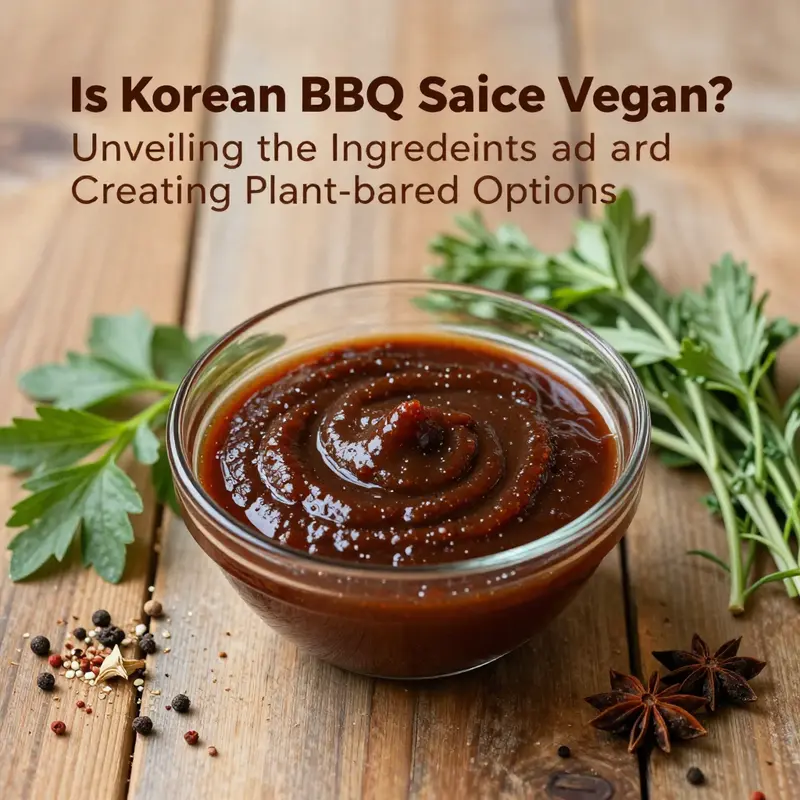
Veganizing Korean BBQ Sauce: Practical Guide
Korean BBQ sauce is prized for its bold balance of sweet, savory, spicy, and umami notes. That balance often relies on fermented, salty, and sweet ingredients. Many traditional recipes use animal-derived parts or seafood-based condiments. Yet the essential flavor architecture can be recreated with carefully chosen plant-based components. This chapter walks through the substitutions, techniques, and small details that turn a classic galbi or bulgogi-style sauce into a confident, fully vegan version. It explains why certain ingredients are avoided, which alternatives deliver the same depth, and how to use them so your sauce sings.
Start with the base: the fermented backbone. Gochujang, a Korean fermented chili paste, is often central. Most gochujang is plant-based, but formulations vary. Always check the label for added fish extracts or animal-derived additives. Doenjang, the fermented soybean paste, is another powerful umami source. Used sparingly, it lends savory complexity without overpowering sweetness. If you prefer a cleaner soy flavor, use a vegan-certified soy sauce or tamari. Tamari is a great gluten-free option, but verify it carries a vegan certification if cross-contamination is a concern.
Umami and savory heft often come from sources that are not vegan. Fish sauce and salted shrimp paste provide concentrated marine umami in many regional variations. A reliable plant-based stand-in is miso, especially darker miso, which offers fermented depth and salt. For an even more layered effect, combine miso with a rich vegetable stock that has been simmered with dried shiitake mushrooms and kombu. The dried mushrooms and kombu release glutamates that mimic the savory weight of seafood-based seasonings. If you want to push the flavor toward meatiness, simmer porcini or shiitake with onions and garlic, then reduce the stock to intensify it. A tablespoon or two of this stock, reduced and cooled, will lift the sauce in ways a simple water replacement cannot.
Sweetness in Korean BBQ varies by recipe. Traditional sweeteners sometimes include honey. For a vegan approach, choose brown sugar, maple syrup, rice syrup, or agave. Brown sugar adds molasses notes that complement char and caramelization. Maple syrup introduces a lighter vegetal sweetness and a hint of maple complexity. Rice syrup keeps flavors neutral while providing sticky gloss for glazes. When deciding which to use, think about the finish: use brown sugar for deeper, roasted flavor; pick rice syrup for a bright, clean sheen.
A classic texture and sheen in Korean BBQ glazes comes from reduction and caramelization. For marinades, add the sweetener directly and allow the sugar time to penetrate. For glazes, apply the sauce toward the end of grilling and let the sugars caramelize briefly. Keep heat moderate to avoid burning the sugars. If you plan to broil or sear, a little cornstarch blended with cold water can create a glossy, clingy finish. Mix a slurry and stir it in off heat to control thickness.
Clockwise from sweet and savory, aromatic elements define the profile. Fresh garlic and ginger are essential; mince or grate them finely so they release flavor quickly. Scallions provide a crisp, green note when added raw at the end of marination or as garnish. Toasted sesame oil supplies toasted, nutty aroma in small amounts. Because sesame oil is potent, use it sparingly at the end of cooking to preserve its fragrance.
Heat is controlled by gochujang and optional fresh chilies or chili flakes. Gochujang gives depth and fermented heat, rather than raw spiciness. If you want a milder sauce, lower the gochujang and add a pinch of smoked paprika or a dash of mild chili powder for color. For more predictable heat adjustments, use a neutral chili paste or powdered chile where heat levels are labeled.
Texture and body are important. Many Korean sauces use pear or apple puree to tenderize and thin the sauce while adding sweetness. Asian pear and kiwi are traditional tenderizers. Both contain enzymes that break down proteins; kiwi is more potent and can over-tenderize quickly. For vegan applications with tofu, tempeh, or mushrooms, tenderizing enzymes are less critical. Use pear puree for gentle sweetness and a silky texture. If you use fruit purees, strain larger fibers for a smooth glaze.
When recreating depth, consider a handful of nontraditional but effective additions. A spoonful of fermented black bean paste adds savory density. Nutritional yeast brings a lightly cheesy umami that reads as meaty in small doses. A drop or two of liquid smoke can evoke the grilled aroma found in meat-based preparations. Toasted sesame seeds, ground or whole, contribute both texture and aroma. Each addition should be measured; these elements are amplifiers, not the main stage.
Marinating versus glazing calls for different balances. A marinade should be salt-forward but balanced, to season deeply without overwhelming. If you marinate tofu, tempeh, or vegetables, allow at least 30 minutes, and up to overnight for dense items. For proteins that are delicate or porous, like thin slices of king oyster mushroom or tempeh, limit marination to prevent mushiness. For glazes applied during cooking, concentrate flavors and bump up the sugar slightly so the glaze reduces nicely. Save a portion of the sauce before adding raw proteins if you plan to use some as a finishing sauce, to keep it uncontaminated.
To mimic the texture and mouthfeel of meat, pairing the sauce with the right ingredient matters. Tofu benefits from pressing and quick searing before marinating. Tempeh responds to steam or blanching, which helps it better absorb the sauce. King oyster mushrooms, when sliced thinly and seared until golden, take on a meaty chew that pairs well with a robust, umami-forward sauce. Jackfruit makes an excellent pulled option when the sauce has sufficient body and acidity to cut through its richness.
Acidity acts as a counterpoint to sweet and umami flavors. Rice vinegar and apple cider vinegar are common options. Use them sparingly; a teaspoon or two brightens the sauce without turning it sour. Lemon juice or a touch of mirin-style sweet rice wine substitute provide both acidity and a gentle sweetness. Balance is crucial: a sauce that is too acidic will mask the fermented depth.
Salt alternatives deserve attention for specific diets. If someone avoids soy, coconut aminos can replace soy sauce. Coconut aminos are milder and sweeter, so reduce any other sweeteners accordingly. For gluten-free preparations, pick tamari or a certified gluten-free soy sauce. If sodium is a concern, dilute with mushroom broth and increase aromatic umami elements like roasted garlic or miso.
Production tips matter. Blend your sauce for an even texture, especially when using fruit purees or miso. Allow the mixture to rest at least 30 minutes if time permits. Resting helps ingredients integrate and mellow the raw bite of garlic and vinegar. When grilling or roasting, baste sparingly at first. A thick glaze applied too early will burn. Apply the final coat in the last minutes of cooking for a shiny, caramelized finish.
Taste regularly and adjust. If the sauce tastes flat, add a pinch of salt or a splash of concentrated mushroom broth. If it is too sweet, counterbalance with vinegar or a touch of miso. If it lacks heat, increase gochujang cautiously. Small adjustments are better than large ones; flavors intensify as the sauce sits.
There are regional variations and personal preferences to explore. Some cooks prefer a clean, bright sauce that complements lighter grilled vegetables. Others want a deep, heavy umami sauce for denser proteins. Either approach is valid. The vegan route simply requires awareness of which traditional components to replace and how those replacements change texture and flavor. You can create a versatile base sauce and then tailor it: add more gochujang for spice, more pear for sweetness, or extra miso for savoriness.
A practical note about everyday shopping: many supermarket items are plant-based, but formulations change over time. Check ingredient lists for hidden non-vegan items. Words to watch for include shrimp, fish, anchovy, honey, and certain animal-derived flavor enhancers. If labeling is unclear, reach out to manufacturers or choose clearly labeled vegan alternatives.
Finally, celebrate the flexibility of a vegan Korean BBQ sauce. Use it as a marinade, glaze, dipping sauce, or stir-fry finishing sauce. It broadens the reach of Korean flavors into plant-based kitchens. For those wanting a tested, step-by-step vegan recipe with substitution notes and technique guidance, consult this comprehensive resource from Serious Eats: https://www.seriouseats.com/korean-bbq-sauce-recipe
If you’re exploring a specific dish, such as a plant-based bulgogi-style preparation, you may also find inspiration in this related write-up on bul-gogi-korean-bbq. The case studies and menu ideas there help translate sauce technique into finished dishes: bul-gogi-korean-bbq.
With attention to fermented depth, balanced sweetness, and careful use of tenderizers, a vegan Korean BBQ sauce can honor tradition. It will add lush, complex flavor to plant-based proteins and vegetables. Small adjustments and mindful ingredient choices are all it takes to move from curious experiment to a signature sauce you reach for again and again.
Final thoughts
Korean BBQ sauce, an integral component of the dining experience, can be made vegan with thoughtful ingredient substitutions. Business owners should recognize the importance of catering to varied dietary preferences, especially as plant-based eating continues to rise in popularity. By understanding the typical ingredients, including their vegan and non-vegan classifications, you can navigate the market with confidence and creativity, offering a product that aligns with consumer values. Transitioning to vegan versions not only keeps your menu innovative but also attracts a loyal customer base that seeks sustainable and ethical dining options. Thus, embracing the plant-based movement is not just a trend; it’s an essential strategy in today’s culinary landscape.