
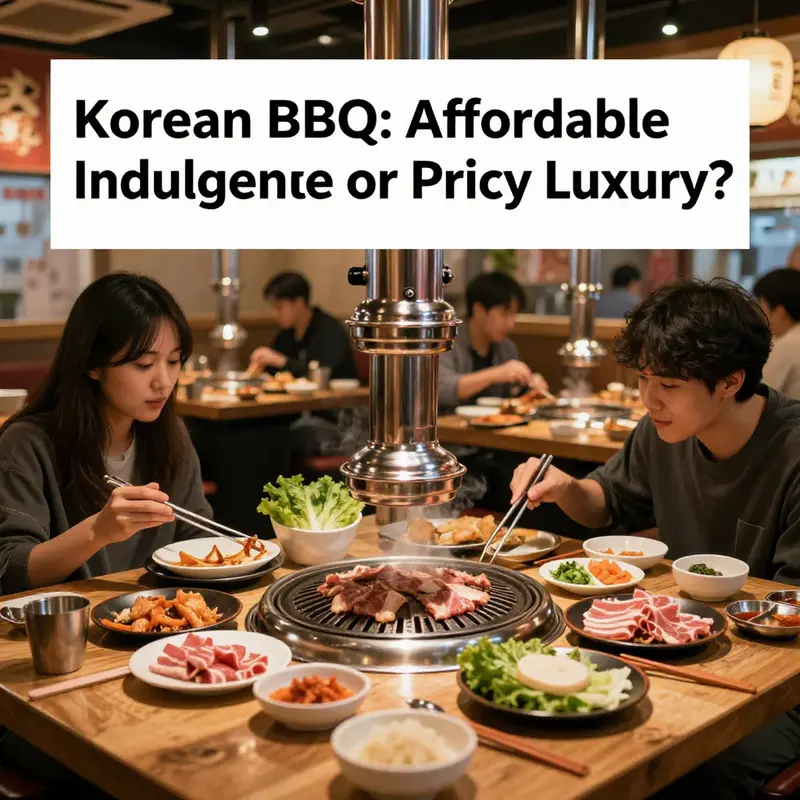
Korean BBQ has rapidly become a beloved dining experience across the globe, causing diners to consider its affordability. For business owners in the food industry, understanding whether Korean BBQ is expensive can help refine pricing strategies and appeal to various customer demographics. This article examines three key areas: affordable options for budget-conscious diners, premium experiences featuring high-quality meats, and how Korean BBQ compares in cost to other restaurants. By exploring these aspects, we will gain a clearer perspective on the pricing landscape of this popular cuisine.
Stretching Your Dollar at Korean BBQ: Practical Ways to Enjoy Without Overspending
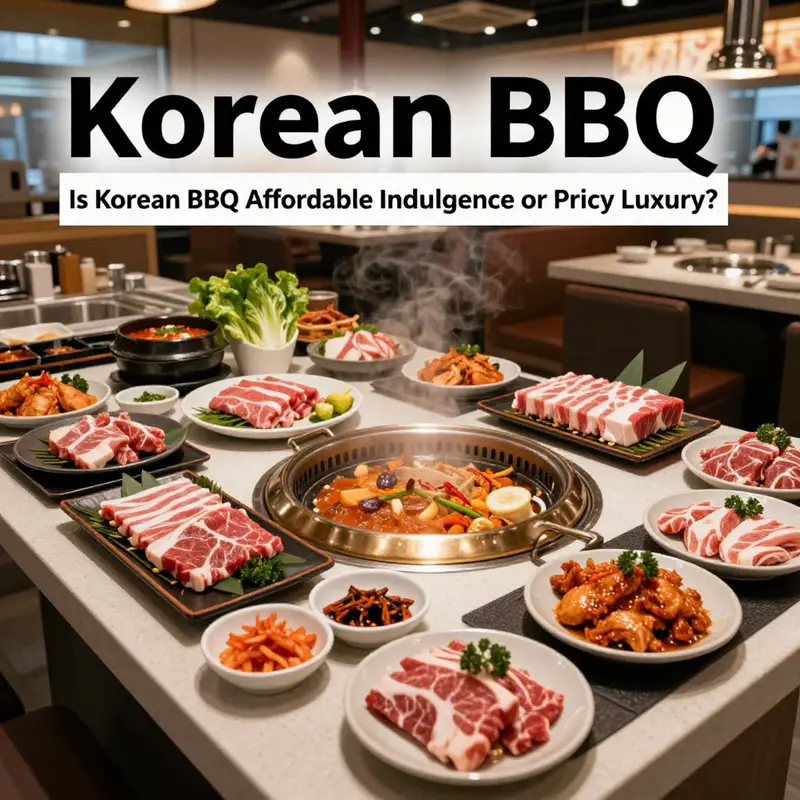
Korean BBQ can feel expensive at first glance, but cost varies widely. Location, cut of meat, dining format, and timing all shape the final bill. This chapter explains how those factors work together. It also shows concrete ways to enjoy a satisfying Korean BBQ experience without breaking the bank.
Start by accepting one simple fact: Korean BBQ is a spectrum. At one end are casual, budget-friendly buffets and weekday lunch specials. At the other are premium tasting menus featuring the highest-grade beef, which can cost hundreds per person. Between these extremes lie neighborhood spots, mid-range restaurants, and shared-plate versions that offer very good value. Knowing where you want to sit on that spectrum helps control cost from the moment you walk through the door.
The most powerful price driver is the meat. Premium beef, especially the best domestic breeds prized for marbling, commands a high price. These cuts are often served in small portions alongside other courses, and the dining experience is meant to be luxurious. Conversely, pork and chicken cuts cost much less. Marinated cuts and mixed platters let you sample variety at lower per-person prices. If budget matters, choose thinner slices, marinated options, or pork belly over premium beef. They grill quickly and deliver big flavor for a modest cost.
Dining format also matters. All-you-can-eat formats are typically the most economical for hungry diners. They convert a per-item price into a flat rate, which can make premium-seeming portions feel affordable. In some cities, all-you-can-eat lunches fall under a modest price. Buffet-style places often include a wide selection of meats, vegetables, and side dishes, making them great value for groups. If you want a local example of how all-you-can-eat options can vary by city and by market, look into regional listings for all-you-can-eat Korean BBQ Oakland for a sense of typical offerings and price points.
Timing your visit saves money. Lunch menus frequently discount the same dishes offered at dinner. Weekday promotions and early-dinner specials can be significantly cheaper. Avoid peak dinner hours and weekend prime times if you want the lowest price for similar food. Restaurants sometimes offer set menus at lunch that trim costs without sacrificing quantity or quality.
Group dynamics are another lever. Korean BBQ is inherently social, and sharing reduces cost per person. Order a few large platters to share, add a couple of side dishes, and the meal becomes communal and economical. Splitting the bill evenly works best when diners agree on a shared set of orders. The more people at the table, the more you can diversify plates without a dramatic increase in the individual cost.
Look beyond the grill for savings. Banchan, the small side dishes served with Korean meals, are often included free. A large bowl of rice or a steaming pot of soup shared across the table stretches the protein further. Choose items that pair well with rice and vegetables to balance the meal. Avoid add-ons that are charged per plate or per person, like premium seafood platters or alcohol, unless you specifically budget for them.
Location influences price in predictable ways. City centers and tourist-heavy neighborhoods are more expensive. Suburban and neighborhood joints often offer better prices and authentic flavors. If you are in a major metropolitan area, a short trip to a nearby enclave can reduce cost while improving authenticity. In other countries, local market conditions shift prices. For example, in some Southeast Asian cities, all-you-can-eat Korean BBQ options start at modest local rates, while in parts of North America, weekday lunch AYCE options can be quite affordable.
Ambiance and service level affect the check too. Upscale restaurants with table-side attendants, premium decor, and curated courses will charge more. Casual grill-it-yourself spots lower overhead and pass savings on to diners. Decide whether you value the service and presentation more than the food itself. For many diners, the fun of grilling together outweighs the need for polished service.
Smart ordering trims cost without cutting enjoyment. Combine a mid-range meat platter with a few vegetable-based side dishes. Order a shared stew or hot pot to accompany grilled items. Ask for recommendations on portion sizes to avoid waste. If you love a particular premium cut, order it as a small tasting portion and complement it with more economical choices. This approach satisfies cravings while keeping the bill manageable.
Promotions and loyalty programs help too. Many restaurants offer student deals, early-bird discounts, or group rates. Apps and mailing lists can alert you to special pricing before you dine. For occasional splurges, consider saving such offers for a celebratory meal. When dining with family or friends, coordinate so several people can take advantage of a promotional price or set menu.
Finally, think of Korean BBQ as a value proposition rather than a single price point. Shared plates, included sides, and the social element mean the meal delivers more than just meat. When you choose wisely, Korean BBQ becomes an economical, enjoyable dining option. If your budget is strict, focus on lunch specials, all-you-can-eat formats, pork and marinated cuts, and neighborhood spots outside high-rent districts. Once the basics are covered, occasional splurges on higher-grade beef will feel like a treat instead of a necessary expense.
For a useful external reference on how diners perceive value and quality at different price points, see this TripAdvisor listing for a Portland Korean BBQ experience: https://www.tripadvisor.com/RestaurantReview-g56902-d1082299-Reviews-KTownKoreanBbq-Portland_Oregon.html
Beyond the Sizzle: The Price, Prestige, and Pleasure of Premium Korean BBQ
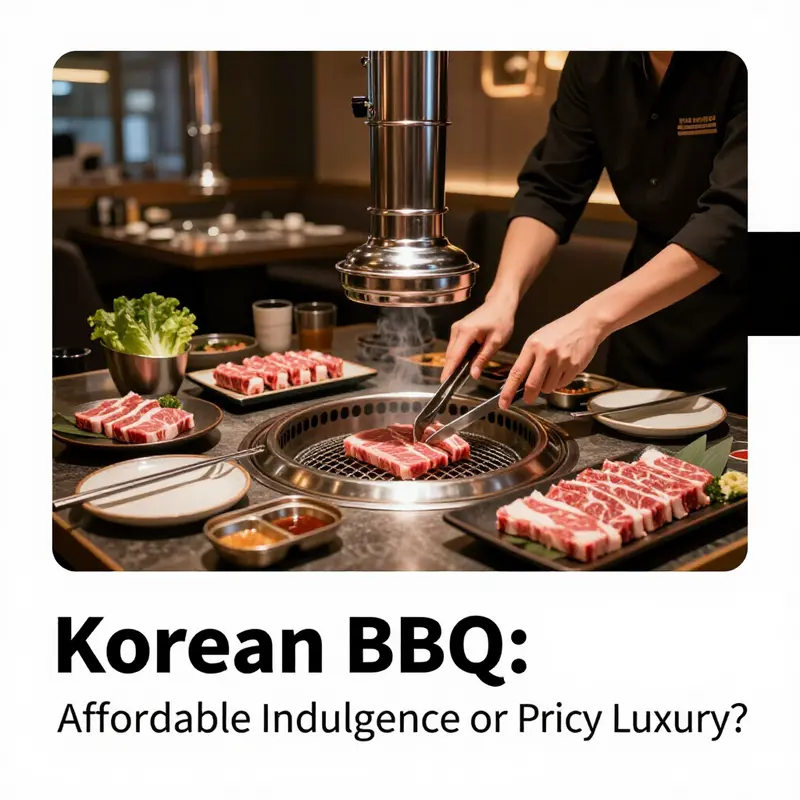
Korean BBQ exists on a spectrum where price roughly tracks the scale of experience as much as it does the quality of meat. A casual grill in a bustling neighborhood offers lively crowd energy and generous portions, while a high-end venue in a cosmopolitan district promises private rooms, flawless service, and meat that arrives with a story. When you ask whether Korean BBQ is expensive, you’re really asking what kind of meal you want to invest in. The answer isn’t a single number but a landscape of choices, where each tier has its own logic, its own value, and its own share of culinary theater. The distinction matters because the same cuisine can feel like a bargain one night and a splurge the next, depending on location, timing, and the cut you chase.
In practical terms, price bands carve out three broad experiences. At the budget end, you’ll find all-you-can-eat buffets and local chains that keep the meat, sides, and banchan flowing for well under a typical dinner in many Western cities. These options do more than feed you; they cultivate a social atmosphere where friends and colleagues lean in over sizzling griddles, swapping stories as shrimp turn pink and beef sears with a hiss. In places with a strong buffet culture, the math is straightforward: a fixed price covers a wide array of proteins, vegetables, and the little bowls of kimchi, pickles, and sauces that complete the meal. The value here is not so much restraint in the kitchen as abundance in the dining room—the kind of environment where a person can sample a little of everything without worrying about the bill at the end of the night.
The middle tier represents consistent quality at a fair price. These venues provide well-sourced meats and reliable service without the luxury embellishments. In many markets, that means a comfortable room, efficient grilling stations, a steady rotation of banchan, and a menu that leans toward familiar cuts: marbled ribeye, flavorful pork shoulder, and a few specialty items that rotate with the season. The everyday appeal is clear: you trade some extra bells and whistles for a generous portion and predictable taste that makes a satisfying meal without a second thought about the wallet. It’s the kind of dining that becomes a regular habit rather than a once-a-year treat, and for many people it hits the sweet spot between crave-worthiness and budget mindfulness.
Then there is the premium tier, the realm where the price tag climbs along with the sensory sophistication. In Seoul, the most acclaimed Korean BBQ restaurants—celebrated for top-tier meats and impeccable service—often price the experience per person in the higher ranges, especially when you pursue the era-defining Hanwoo or carefully aged beef cuts. The numbers reflect more than marbling alone. They account for private dining rooms, meticulously curated service, and an ambience that elevates every bite into a gourmet event. Diners at these places aren’t just paying for meat; they’re paying for an immersive, time-honored ritual that feels ceremonial and intimate at once. The focus shifts from simply eating to a curated dining journey where atmosphere, pacing, and the precision of each slice converge to create a memorable moment that lingers long after the check arrives.
The pricing logic behind premium Korean BBQ is deliberate. The meat itself commands a high price because of breed, age, and marbling. Hanwoo, in particular, is prized for its texture and depth of flavor, and it’s often marketed and priced as a luxury protein comparable to high-grade beef in other culinary traditions. The service model accompanies the meat: private rooms or semi-private nooks with subdued lighting, attentive but unobtrusive staff, and a dining tempo that makes room for conversation between courses. Even the included side dishes carry a sense of place and preparation. The banchan, often a parade of seasonal vegetables, fermented creations, and small riffs on Korean classics, becomes a crucial part of the tasting experience rather than a mere accompaniment. When you add refined beverages, a meticulously designed wine or soju pairing, and perhaps a chef’s tasting note on the provenance of the cut, the price ceases to be just a number and becomes a signal of the entire meal’s complexity.
Yet the landscape of premium Korean BBQ isn’t confined to one city or one format. Across the United States, upscale venues aim to reproduce the same disciplined emphasis on meat quality and service, translating the Seoul luxury model into local textures and preferences. The experience remains about more than the dinner plate; it’s a social ritual, a moment of shared indulgence, and a reflection of craftsmanship—from table-side searing to carved slices that arrive with the precise degree of pink you’ve requested. The same philosophy travels well, even when the ingredients adapt to regional markets. The result is a spectrum where a few bites of Hanwoo or similarly aged, marbled meat can feel worth the splurge, while the rest of the meal helps justify the decision through ambiance, service, and the overall rhythm of the evening.
For readers who yearn to glimpse this premium path without leaving home, the luxury spirit has also found a channel in curated meal kits. These kits, designed to echo the flavors of a high-end dining room, deliver the essential elements—succulent braised meats, delicate banchan, and traditional sides—so you can recreate a celebratory mood in your own kitchen. Dishes like Galbi Jjim, with its slow-braised richness, or Chestnut Bossam, a plush pork belly dish with a seasonal twist, offer a sense of theater that aligns with the premium dining mindset. The at-home format emphasizes precision and pacing, inviting you to plate with care and to savor the moments between courses, much like a chef-led tasting in a refined restaurant.
If you’re curious about the global dimension of price, it helps to remember that the premium category serves a dual purpose: it satisfies taste and signals a social experience. A meal that centers on top-tier meat, refined service, and a curated environment becomes a special occasion, whether that occasion is a milestone celebration or simply a night when time is set aside to linger around a hot grill and engage in conversation that feels richer for the moment. The value proposition hinges on more than the cut on the plate; it rests in the whole package—the invisibly woven network of hospitality, atmosphere, and anticipation that makes the dining event feel significant.
For readers who want a representative glimpse of this premium world in a local context, imagine a high-end dining room where the lighting is deliberate, the staff unobtrusive yet precise, and each course arrives with a small narrative about its provenance. The setting may be urban, perhaps in a district known for nightlife and gastronomy, where a quiet, private booth becomes a stage for the meal’s drama. The meat’s journey—from pasture to grill to plate—reads like a terroir story, a lineage of care that elevates the moment beyond mere sustenance. In such places, the price isn’t a barrier to enjoyment so much as a measure of the experience’s scope: the assurance that every detail—from the marbling of the beef to the choreography of the grill—has been calibrated to create a memorable evening.
If you want to explore the premium option further beyond the kitchen, you can consider how other markets interpret this same idea. In practice, the premium model travels well, with restaurants around the world translating this luxury concept into their own culinary vernacular, while still anchoring the dining experience in the shared ritual of grilling, tasting, and savoring in a social setting. And while the sticker price might give pause in some contexts, the overall value remains a function of how well the meal blends exceptional ingredients, thoughtful service, and the time set aside for genuine enjoyment. In the end, premium Korean BBQ, like any luxury per se, asks for a moment of indulgence—not as an indulgence for indulgence’s sake, but as a deliberate choice to celebrate quality, craft, and the social connection that makes a dinner unforgettable.
For a glimpse into premium dining in a major market, you can explore a representative high-end option through this resource: Gangnam-restaurant Las Vegas. This example illustrates how the premium Korean BBQ experience translates across continents, preserving the core appeal of superior meat, refined service, and an atmosphere that makes the meal feel like a special occasion. While the exact prices will vary by city and venue, the underlying principle remains consistent: the most expensive meals often offer a holistic experience where meat is the centerpiece, but service, ambiance, and storytelling surround it to create something greater than the sum of its parts.
If you crave a broader frame beyond the walls of a restaurant, a reputable external guide about Seoul’s price landscape provides a useful benchmark for what premium meat can cost in its native setting. This perspective helps anchor expectations for what “expensive” really means in the Korean BBQ world, reminding us that price reflects not only the cut but the ceremonial feel of dining at its finest.
Priced for Pleasure: How Korean BBQ Stacks Up Against Other Meals
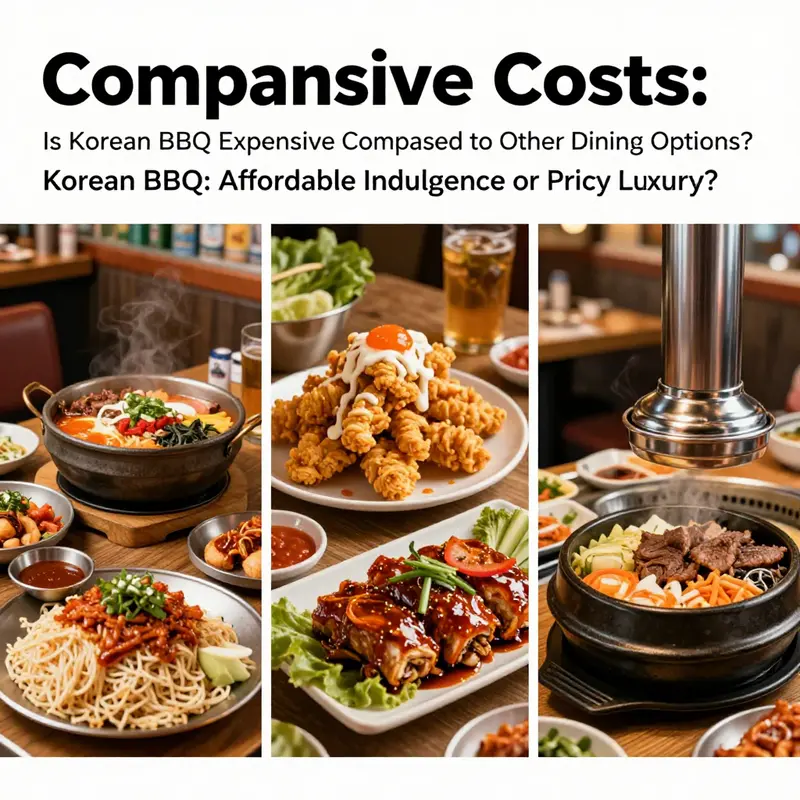
How Korean BBQ Compares to Other Meals
Korean barbecue sits in a curious spot on the dining spectrum. It is rarely the cheapest option on a street of restaurants, yet it is also not the most extravagant choice available. The price you pay reflects more than just the meat on your plate. It pays for time at the table, the interactive ritual of grilling, the variety of accompaniments, and the social experience. Compared with quick-service meals and basic sit-down options, Korean BBQ commonly commands a premium. But stacked against fine dining and specialty tasting menus, it often feels like reasonable indulgence.
When you compare Korean barbecue to fast, casual meals, the gap is clear. Fast food and low-cost cafes often deliver a single plate or combo for a low price. Korean BBQ usually starts higher because it offers multiple cuts, shared plates, and sometimes an unlimited selection. For many diners, the cost goes beyond calories and into atmosphere and participation. You are not just eating; you are cooking, sharing, and sampling. That difference explains why budgets rise from everyday levels to mid-range or higher when choosing Korean BBQ.
Compared to other ethnic restaurants at the higher end—sushi counters, quality Italian trattorias, or refined Mexican kitchens—Korean BBQ is competitive. A mid-range ethnic dinner can offer comparable price points once you factor in starters, drinks, and service. High-quality sushi or specialty meat dinners often match or exceed Korean BBQ prices. What sets Korean BBQ apart is the furniture of the meal: grills, communal plates of banchan, and the theatrical pace of cooking. That tangible, hands-on element increases perceived value. Many diners willingly pay a few extra dollars for that feeling of participation and discovery.
The type of Korean BBQ you choose has a huge effect on what you pay. All-you-can-eat buffets remain some of the most budget-friendly ways to enjoy Korean barbecue. They provide variety and volume for a single price, which makes them popular with groups and hungry diners. A buffet model spreads the cost across many items, so the per-item price drops. Conversely, à la carte and premium cut restaurants charge by the piece or by weight. Choosing high-marbled, top-grade beef pushes the bill into a luxury bracket. In some cities, premium domestic beef is treated like a specialty ingredient. That elevates the menu and the check.
Location matters as much as format. Urban centers with high rents drive menu prices up. A similar restaurant in a suburban strip can offer lower prices. Tourist districts and affluent neighborhoods also trend toward higher menus. Lunch services typically cost less than dinner. Weekday lunch deals and set menus often present the best value for those wanting the Korean BBQ experience without the evening price. If you are managing a budget, targeted timing is an easy lever to pull.
Group size and ordering habits shape the final cost too. Korean BBQ is inherently communal. When diners share plates and coordinate orders, the per-person cost often drops. Large platters of meat and side dishes scale well. But when individuals each order premium cuts and multiple drinks, costs can climb rapidly. Drinks matter more here than in many casual restaurants. Alcohol, specialty beverages, and elaborate cocktails can double a check. Even soft drinks and shared appetizers add to the total. If you prioritize meat variety and minimal drinks, you can keep the meal within a modest range.
Value is also about what you get per dollar. Many patrons equate Korean BBQ’s hands-on nature with better value than a basic sit-down dinner. The assortment of side dishes and condiments, the opportunity to cook to preference, and the leisurely pace of the meal all contribute to perceived worth. For special occasions, the communal, engaging quality often justifies spending more. For weekly dining, buffets and lunch specials can align the experience with stricter budgets without losing the essence of the cuisine.
Practical strategies reduce the pain of price points. Opt for lunchtime sets, share larger cuts, and limit alcohol to keep costs manageable. Choose places that charge by plate rather than by weight when you want predictable spending. Many restaurants offer packages for groups that lower the average price per person. When planning a celebratory meal, pick one or two premium cuts to highlight, and balance them with more economical meats and vegetables. These approaches allow diners to enjoy premium flavors without paying full luxury prices for every item.
The economics of Korean BBQ extend beyond the table. Restaurants invest in ventilation systems, specialized grills, and staff training. Those fixed costs influence menu pricing. High-end venues that source premium domestic beef or age cuts for flavor must add margin to sustain operations. Conversely, buffet-style operations offset those capital expenses through volume and turnover. Understanding this helps explain why two places in the same city can have sharply different price tags.
Ultimately, whether Korean BBQ feels expensive depends on expectations. If you seek quick, low-cost fuel, Korean BBQ will usually cost more. If you view dining as experience, Korean BBQ often delivers strong value compared to other mid-to-upscale options. Choosing the right format—buffet, lunch set, or premium à la carte—lets you control the price without sacrificing the meal’s core pleasures. For explorers seeking variety without a steep bill, all-you-can-eat options can be a sensible choice. For those celebrating with a few standout cuts, premium venues provide an elevated and memorable meal.
For local diners curious about buffet-style options that balance price and variety, a practical example can be found among listings for all-you-can-eat Korean barbecue venues. Exploring nearby choices helps match budget and appetite effectively; a useful reference is this page on all-you-can-eat Korean BBQ in Oakland.
When you need more context about price tiers and customer experiences at specialty Korean BBQ locations, this review thread offers real-world insights from diners and local ratings: https://www.tripadvisor.com/RestaurantReview-g293915-d12752588-Reviews-KoreanCharcoalBBQRestaurant-GoldCoastQueensland_Australia.html
Final thoughts
Understanding the cost dynamics of Korean BBQ is essential for business owners looking to operate within the vibrant dining landscape. With options tailored to both budget-conscious diners and those seeking luxury, Korean BBQ offers a versatile dining experience. By analyzing affordable buffets and premium meat selections alongside comparative dining costs, we concluded that Korean BBQ can be both an economical choice and an extravagant affair. This duality not only enhances its appeal to diverse customer segments but also highlights opportunities for businesses to strategically position their offerings in a competitive market.