
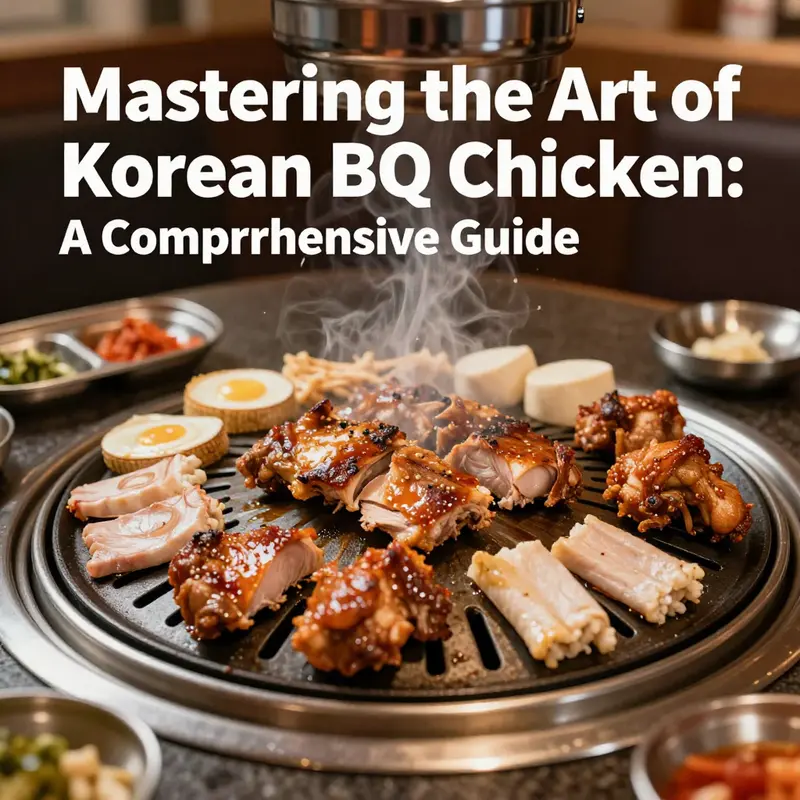
Korean BBQ chicken, specifically Chicken Bulgogi, has gained immense popularity among food enthusiasts due to its delectable fusion of spicy and sweet flavors. As a business owner in the culinary sector, understanding how to prepare this dish not only enhances your menu offerings but also satisfies the growing consumer demand for authentic international dishes. This guide will explore the essential techniques for preparation, dive into the key marinades and ingredients critical for an authentic taste, and examine various cooking methods and serving suggestions that will impress your customers and leave them craving more. Each chapter will build towards a holistic understanding of how to make Korean BBQ chicken effectively and successfully.
From Marinade to Grill: Mastering the Art of Korean BBQ Chicken

The key to Korean BBQ chicken is a conversation between meat and seasoning that begins long before fire touches the surface. It starts with choosing the right cut, since tenderness hinges on how the meat absorbs salt, sweetness, and aromatic heat. Boneless, skinless pieces can cook quickly, but thigh meat often yields a more forgiving, succulent bite. Cut the chicken into bite sized pieces so heat reaches the center quickly and the sugars glaze the surface into a glossy lacquer. The method matters less than the marinade that carries the flavor deep into every fiber of the meat. When the marinade is balanced, the grill simply enhances what is already there, letting smoke and sear do the final shaping of flavor.
The marinade itself is a careful blend, not a confusion of flavors. A traditional approach layers heat, salt, sweetness, and umami in a single cohesive paste. A bright base comes from gochujang, the Korean red chili paste, which supplies both heat and a complex sweetness. This is paired with soy sauce or tamari to anchor the mixture with salt and depth, while sesame oil contributes a nutty, toasty note that helps keep the chicken moist during cooking. Sugar plays two important roles: it softens the salt and promotes caramelization on the grill, creating that lacquer on the surface. A pinch of gochugaru adds color and a touch more warmth, and finely minced garlic plus grated fresh ginger infuse the meat with unmistakable aroma. A splash of rice wine or mirin can be added for extra mellow sweetness and a hint of fruitiness, though this is optional depending on your flavor goals.
The moment the marinade comes together, the chicken meets the sauce with a thorough coating, every piece enveloped by the glossy paste. This is not a quick dunk but a true coating, so the surface tightens and the flavors begin to fuse as the cold mingle with the salt and sugars. Refrigeration is essential here. A couple of hours lets the salt draw moisture from the meat, which then reabsorbs along with the aromatics. For a deeper integrated flavor, overnight marinating is ideal. The longer window allows the proteins to loosen and rebind with the seasoning, producing a more tender bite and a richer final glaze as the sugars melt and caramelize during cooking.
There are several paths to finish the dish, each with its own appeal. Grilling over medium high heat remains the most authentic, especially when you want those signature charred edges and grill marks that whisper of smoky evenings. Preheat the grill or a sturdy grill pan until it is hot, then brush the surface with a little oil to prevent sticking. The marinated chicken goes on in a single layer, and you can expect it to take about five to seven minutes per side, depending on the thickness. The aim is a cooked through center with a lacquered exterior that glints with glaze. Basting with the remaining marinade during the last few minutes can intensify the flavor, as long as you boil any marinade that has touched raw chicken before reapplying to avoid food safety concerns.
Pan frying on the stovetop offers a reliable alternative when outdoor cooking isn’t practical. A hot skillet or wok with a touch of oil creates a quick sear, while the marinade helps form a sauce like glaze in the pan. Turn the pieces to ensure even browning, and, if desired, pour in a portion of the marinade (after it has been boiled) to simmer gently into a richer sauce. The oven provides another option: a high heat bake that yields a slightly drier finish with a crisp exterior if you finish under the broiler for a minute or two. A typical bake at 375 f lasts about 20 to 25 minutes, with a halfway turn and an occasional baste to keep moisture and flavor in play.
No matter which method you choose, a short rest after cooking helps. Let the chicken sit for a few minutes; this pause allows the juices to redistribute, ensuring each bite is juicy rather than the sensation of a rush of hot meat. If you want to push the boundaries of technique, there is a modern controlled approach worth knowing: the vacuum sealed method. Marinade the chicken first, seal it in a vacuum bag, and gently cook in a water bath at 158 f for about three hours. Finish on the grill for a moment to reintroduce that coveted external crisp and smoky aroma. This method yields exceptionally tender meat with a consistent, even texture throughout.
Serving Korean BBQ chicken is a ritual in itself, inviting you to build flavor memories at the table. Serve hot with steamed white rice, which acts as a neutral counterpoint to the sauce’s heat and sweetness. Fresh lettuce leaves invite you to wrap a morsel with a small portion of rice, a leaf of crisp herb, and a dab of the sauce for balance. A variety of banchan offers bursts of crunch, tang, and heat, amplifying the main dish rather than competing with it. A simple bowl of soy sauce or a little extra gochujang for dipping can be a welcome addition for guests who want a deeper, more savory kick.
As you move through the kitchen and into the dining room, the process becomes more than a sequence of steps. It turns into a philosophy of balance. Each element—salt and sugar, heat and smoke, fat and acidity—has a voice that must be heard and a role that must be respected. The marinade is not merely a flavoring agent; it is a catalyst that unlocks the chicken’s natural savor while layering complexity that echoes the broader Korean culinary canon. The grill, whether backyard, stovetop, or oven, is not simply a heat source. It is a theater where the glaze tightens into a lacquer, the edges color, and the aroma draws every family member to the table. The final bite, a harmony of sweet heat, sesame, and a kiss of smoke, is more than comfort—it is a shared memory in edible form.
The Flavor Engine: Essential Marinades and Techniques for Korean BBQ Chicken
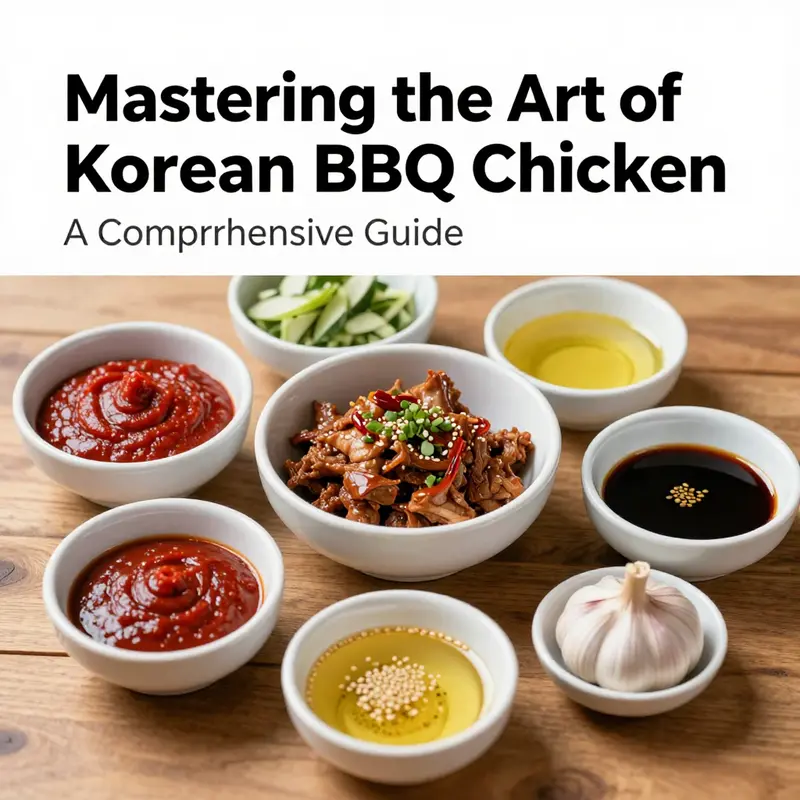
The heart of Korean BBQ chicken lies in the marinade, the flavor engine that drives every bite toward a bright balance of salt, sweetness, heat, and umami. This is where tradition meets technique, where a handful of core ingredients are coaxed into harmony through careful preparation and patient resting. The signature notes come from soy or a soy-like saltiness, the heat and depth of gochujang, and the instant aroma of garlic and ginger. Layered atop this foundation is the fruity, enzymatically tenderizing lift from Asian pear or apple, and the toasted, nutty scent of sesame oil that stays with you after the grill has cooled. The result is more than a sauce; it is a process that infuses the chicken with moisture, gloss, and complexity, turning ordinary cuts into something almost lacquered and restaurant-worthy, even in a home kitchen. The trick is not to overthink the mix but to respect the relationships between these elements and let heat do the rest of the work on a surface that can caramelize without burning.
A practical baseline for home cooks centers on a balanced wet marinade that embraces these relationships. Think of a formulation that delivers salt, umami, sweetness, and spice in a single, cohesive bite. A reliable starting point is 1/4 cup soy sauce for salt and umami, 2 tablespoons gochujang for heat and depth, 2 tablespoons sugar or rice syrup for sheen and body, and 3–4 cloves minced garlic for bright pungency. Add 1/2 cup grated Asian pear to supply moisture and gentle enzymatic tenderness, plus 1 tablespoon toasted sesame oil for a lasting nutty aroma. A pinch of black pepper helps to round out the profile. If you crave a touch more sweetness or a glossier finish, a splash of mirin can be introduced. The level of heat can be adjusted by the amount of gochujang and, if desired, a small pinch of gochugaru. The goal is a glaze that clings to meat and primes the surface for rapid caramelization, not a sauce that overwhelms the meat’s natural savor.
Prepare the chicken with care. Boneless, skinless pieces cut into bite-sized chunks ensure even cooking and maximum surface area for the marinade to work its magic. Thigh meat remains the preferred choice for juiciness and a deeper absorption of flavor, though breasts can be used when time is tight. Toss the chicken in the marinade until every piece is generously coated, then cover and refrigerate. The marination window matters. A minimum of 2–4 hours yields noticeable flavor penetration, while overnight or longer delivers deeper, more layered notes. The fruit puree acts as a gentle tenderizer, enabling the sugars and aromatics to permeate without drying the muscle. The marinade itself serves as a glaze during cooking, creating that glossy, lacquered surface that makes Korean BBQ visually appealing as well as deliciously sticky to the bite.
Cooking is where the marinade earns its keep. On the stovetop, a wide skillet or wok heated to medium-high with a light touch of oil creates a rapid sear. Add the marinated chicken in a single layer, letting excess marinade drain away so the pieces sear rather than steam. Cook for about 5–7 minutes, turning frequently, until the meat is cooked through and a caramelized glaze has formed on the edges. The alternative is grilling, which many find essential to a true Korean BBQ experience. Preheat the grill to medium-high and lightly oil the grates. Place the marinated pieces directly on the heat and grill for roughly 5–7 minutes per side, turning occasionally to ensure even charring. In both methods, a final brush of a little extra marinade during the last minutes can heighten the lacquered finish, but be mindful of sugars burning if the heat is too aggressive.
The way you serve completes the dish. Korean BBQ chicken shines hot off the heat, paired with steamed white rice, crisp lettuce leaves for wraps, and a spread of banchan that showcases the range of textures and flavors in Korean cooking. The leaf-wrapped bite—meat plus a small portion of rice inside a lettuce leaf with a dab of sauce—offers a refreshing contrast to the smoky meat and adds a satisfying crunch. A sprinkle of sesame seeds over the finished dish adds a final pop of nutty brightness. There is also a method for those who chase a more precise, restaurant-like texture: vacuum-sealing the marinated chicken and cooking it in a controlled bath at 158°F (70°C) for 3 hours before a quick finish on the grill. The result is incredibly tender, with a slightly concentrated glaze that still responds to heat with a snappy exterior.
Beyond the measurements, the technique hinges on balance and timing. The salt from soy must be countered by the sweetness of sugar and fruit, while the heat from gochujang should stay integrated rather than dominating. The aromatic trio of garlic, ginger, and sesame oil provides depth that lingers after the last bite. The Asian pear not only sweetens but also aids in tenderizing, letting the marinade penetrate into the meat rather than simply coating it. If you choose to broaden the flavor, a splash of lemon juice or a hint of mirin can add brightness or a touch more sweetness, but the essence remains a careful balance of four elements—salty, sweet, spicy, and savory—woven into the chicken before heat ever greets it. The marinade thus becomes both a flavor base and a glaze, a bridge from raw chicken to an elevated finish on the grill or stovetop.
For readers curious about how these flavors travel beyond one kitchen, the broader landscape of Korean BBQ offers regional interpretations and variations that can inform your technique. The idea is to observe how heat reveals the marinade’s character and how a careful layering of ingredients yields a harmonious final dish. If you want a sense of how these flavors translate in a real kitchen experience, you can explore regional variations at korean-bbq-in-moreno-valley. And for deeper technical guidance on sourcing ingredients and mastering technique, consult the authoritative guidance from Serious Eats: see How to Make Authentic Korean BBQ Chicken for a detailed, professional perspective on marinades, ratios, and finishing methods. External resource: https://www.seriouseats.com/korean-bbq-chicken-marination-guide
Choreography of Heat: Mastering Cooking Methods and Serving Korean BBQ Chicken at Home
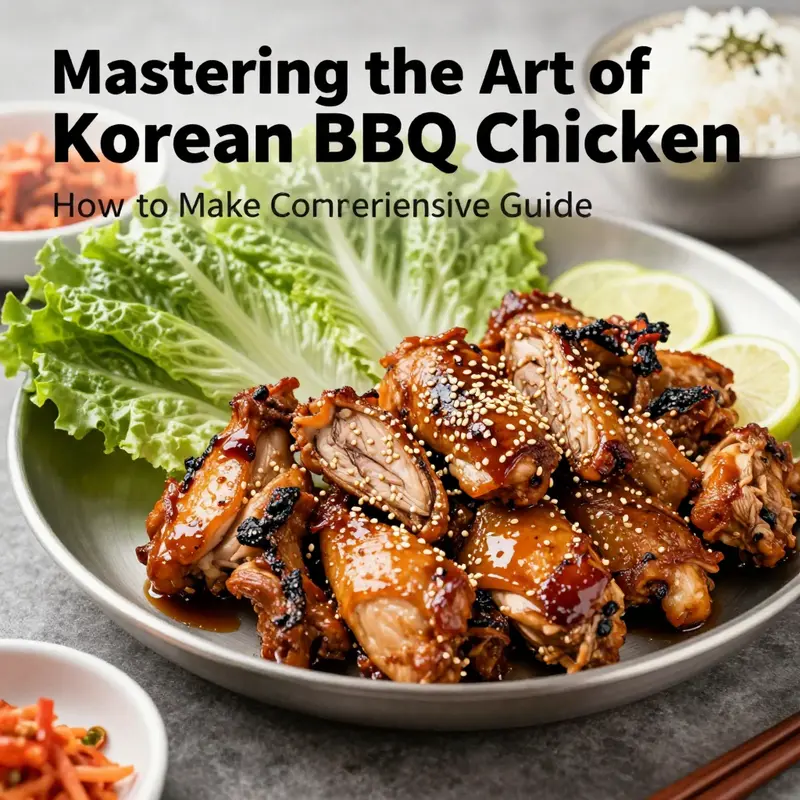
Korean BBQ chicken, when done at home, becomes a study in balance rather than a single technique. It begins with a bold, hot kiss of flavor in a glossy bulgogi-style sauce and ends with a glaze that clings to the meat as it charges from pan to grill and back again. The marinade is a careful chorus: gochujang brings warmth and a hint of sweetness, soy provides the salt and savor, oyster sauce lends depth, sesame oil adds a toasty aroma, and a touch of sugar or honey rounds the edges with caramel. Gochugaru adds both color and a gentle heat, while garlic and ginger carry the punch forward. A splash of rice wine or mirin can lift the entire mixture, giving the sauce a slight gloss and a whisper of sweetness that won’t overwhelm the meat. When the chicken meets this sauce, it doesn’t merely soak; it becomes part of a conversation with the heat, the sugar’s browning, and the sesame’s smoky perfume. The result is a bright, multi-layered profile that remains distinctly Korean in character, even as it adapts to different kitchen setups and equipment. The real trick is letting the marinade do its work, while planning a cooking route that preserves moisture, builds color, and ends with a lacquered finish that invites a second bite rather than a second guess. The chicken pieces, whether you choose lean breasts or juicier thighs, should be cut into bite-sized portions so the sauce can coat every surface evenly. This size also ensures quick, even cooking and the kind of caramelized edges that make bulgogi so memorable. Before any heat is applied, the surface of the meat should rest with the marinade long enough for the flavors to migrate inward. A minimum of 30 minutes is useful for a quick weeknight version, but several hours or overnight is ideal for deeper penetration. In this sense, the day’s plan for cooking is as important as the act of cooking itself: a patient marination lays the groundwork for a faster, more dramatic finish when heat arrives. The sauce then doubles as a glaze during cooking, a fact that elevates the dish beyond a simple stir-fry. As the heat tightens the surface, the marinade thickens, creating a lacquer that clings to every piece and yields a glossy sheen. It’s this glaze, built in stages, that makes the technique feel like a performance rather than a routine. When you’re ready to cook, two main paths emerge: grilling and indoor searing with a finishing bake. Both share the same core—high heat, frequent attention to the glaze, and a steady hand with timing—yet they deliver different textures. Grilling delivers that unmistakable smoky char and handsome grill marks, which intensify the sweetness of the glaze as sugars caramelize at the edges. Indoors, a skillet or grill pan achieves a quick sear that seals in juices, while a finishing bake in a hot oven guarantees the chicken rides out the heat evenly and remains tender inside. If you go the grill route, preheat to a sturdy medium-high and oil the grates lightly to prevent sticking. The marinated pieces are laid down and turned as the glaze begins to set, usually about 5 to 7 minutes per side, depending on thickness. The goal is a cooked-through interior with a caramelized exterior. Along the way, you can brush on a little extra marinade in the final minutes to intensify the glaze; this step helps build the sticky, glossy finish that makes bulgogi-inspired chicken so appealing. For indoor cooks, pan-searing over medium-high heat creates a similar caramelization on the outside, while preserving moisture inside. After a brisk sear, a brief finish in a hot oven—around 375°F (190°C)—helps ensure the chicken is cooked through without drying. In this scenario, the same glaze that flavors the meat also coats it in a satin-like layer that catches the light and invites another bite. The key is to monitor the sauce as it thickens; as it reduces, it will cling more securely, so you’ll want to remove the pan from heat just as the glaze becomes syrupy but not brittle. The preparation philosophy here emphasizes even coverage. The marinade should be stirred well so every piece gets coated evenly, and your hands are best for the task—warm and quick, transferring flavors while still gentle enough not to tear the meat. If you prefer indoor methods that mimic outdoor grilling, you can use a grill pan or a broiler to achieve the same char. In a pinch, you can even try a vacuum-sealed method: marinate the chicken, seal it, and cook in a water bath at a steady 158°F (70°C) for several hours; finish on the grill for a crisp exterior. This approach seals in moisture first and then builds the glaze with a last flicker of flame, an elegant sequence that highlights the sauce’s bold notes without losing the meat’s tenderness. As with any great bulgogi, serving matters as much as cooking. Place the hot chicken on a bed of steamed white rice, letting the grains absorb the flavorful juices. Offer lettuce leaves or perilla for wrapping, so diners build small, personal bites. The bitterness of fresh greens and the mild sweetness of the sauce create a refreshing contrast, while banchan—seasonal pickles and lightly dressed vegetables—provides crunch and acidity to balance the heat. A simple cucumber slaw or kimchi sit happily beside the plate, with slices of garlic and chili on the side for those who crave extra bite. When it comes to beverages, a traditional rice spirit or a crisp, citrusy fruit drink complements the dish without competing with its spice. The elegance of this meal lies in its versatility: you can assemble a quick weeknight dinner with rapid pan-searing and a shorter marinade, or you can plan a more elaborate feast with overnight marination, outdoors on a grill, and a dramatic glaze that finishes with a lacquer-like gloss. For a deeper dive into the glaze’s craft and how a sauce built on fermented bases can balance heat, sweetness, and umami, you can explore related techniques at the Korean Grilling guide, korean-grill-kensington. This reference point helps you see how the same sauce concept translates across different kitchens and equipment, reinforcing that the core of Korean BBQ chicken is not a single method but a flexible philosophy. The flip side of that philosophy is the insistence on restraint when adding heat and sugar. It’s tempting to overcook or oversweeten, but the best versions maintain a bright, peppery edge that clarifies the flavors rather than smothering them. When you finish, plate the chicken hot, with crisp lettuce, rice, and a modest array of greens to invite wraps. The dish’s truth remains in how well the glaze coats each piece and how the heat lingers in the mouth, leaving a pleasant glow rather than a heavy finish. If you’re curious to expand the technique further, consider how bulgogi-style chicken can meld with vegetables or noodles to form a comforting bowl, a fried rice plate, or a spicy-tangy taco riff. In all these forms, the heart of Korean BBQ chicken stays the same: marinate deeply, cook with control, glaze generously, and serve with the fresh, bright accompaniments that echo the dish’s origins. External resource: How to Make Spicy Korean-Style BBQ Sauce at Home: https://www.seriouseats.com/korean-bbq-sauce-recipe
Final thoughts
Understanding the key techniques and ingredients to make authentic Korean BBQ chicken can significantly enhance your business’s culinary reputation. From meticulous preparation methods to the importance of a robust marinade and proper cooking techniques, each element contributes to the dish’s ultimate success. By incorporating these insights into your menu, you not only meet the consumer demand for authentic flavors but also create memorable dining experiences that will keep customers returning. Embrace the vibrant world of Korean cuisine and let Korean BBQ chicken be your signature dish.