

Korean BBQ, a popular dining option, captivates many with its deliciously grilled meats and vibrant flavors. For business owners, understanding the nutritional implications, particularly caloric content, is essential. This knowledge not only shapes menu offerings but also addresses growing consumer demand for transparency regarding health. The upcoming chapters will delve into the specific caloric breakdown of traditional Korean BBQ dishes and offer strategies for managing portion sizes and making healthier choices. Gaining insights into these aspects can enhance customer satisfaction and promote responsible dining habits in your establishment.
Grill, Glaze, and Gauge: Understanding Calories in Korean BBQ Dishes
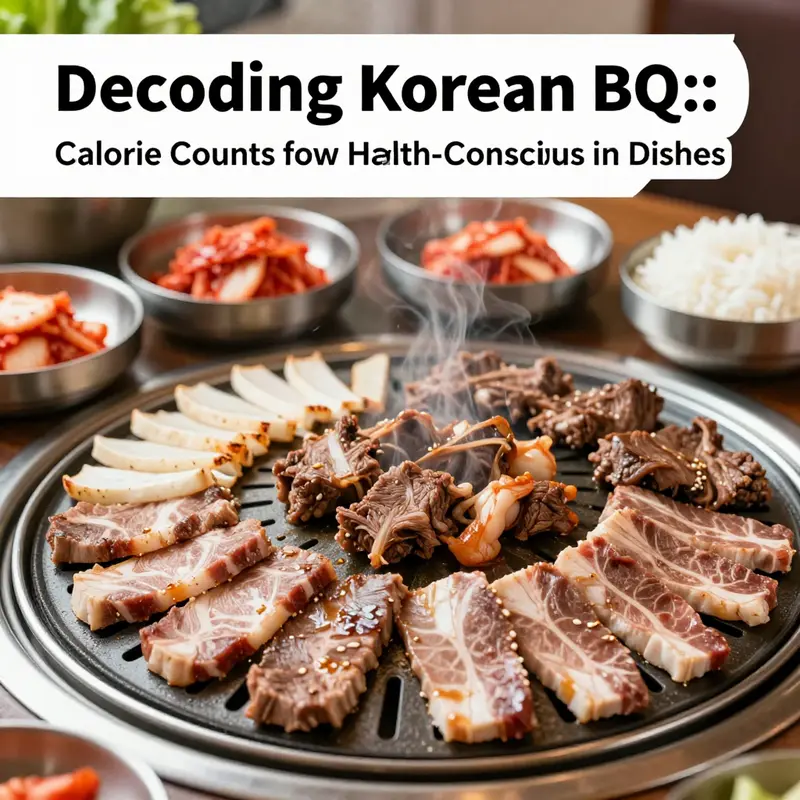
When you watch Korean BBQ sizzle, it’s natural to wonder how many calories ride on each plate. The answer isn’t a single figure but a range shaped by the cut of meat, the portion, and the way the grill and marinade work together. A typical serving of Korean BBQ beef, such as short rib or sirloin, can land around 250 to 400 calories per 3-ounce portion. That ballpark is a useful starting point, but it only scratches the surface. A proper meal at a restaurant often includes sides, sauces, and rice, which can push the total well beyond the meat’s base. In practical terms, a complete dining experience with grilled meat, banchan (side dishes), and perhaps a cold noodle or kimchi course can amount to roughly 600 to 1,000 calories, sometimes more, depending on the choices at the table. Consider a reference point like a full meal at a Korean BBQ restaurant in Bangkok, where the combination of grilled meat, side dishes, and additional bowls can vary widely but tends to land in that broader range. And when Bibimbap is ordered as part of the same meal, that single bowl can contribute about 546 calories and around 31.6 g of protein, highlighting how a single dish can shift the energy balance of the entire dining experience.
Beyond meat, plant-based options are increasingly common and deserve a closer look. A representative serving of Unlimeat Bulgogi, around 130 g, clocks in at roughly 420 calories. The macronutrient mix—approximately 28% carbohydrates, 44% fat, and 28% protein—reveals how fat content can drive calories even in plant-based versions. The marinade, often rich in sesame oil and other cooking fats, contributes to that higher fat share and, in turn, a notable energy load. This isn’t to say plant-based equals heavy in calories by default, but it underscores how preparation matters. The calorie story for traditional meat dishes follows a similar logic but scales with cut and fat. Beef short ribs, for example, generally fall in a wide band—from about 350 to 600 calories per serving—while pork belly often tracks in a similar range. These meats are frequently rich in saturated fat, which naturally bumps the calorie count and influences the nutritional profile beyond calories alone.
The sides and condiments that accompany Korean BBQ can tilt the overall energy balance in meaningful ways. Lettuce wraps, pickled radish, and perilla leaves offer low-calorie, high-flavor vehicle for meat and fillings. Yet the sauces—especially ssamjang and gochujang—can add calories and sodium if used liberally. The effect isn’t merely about adding calories; it’s about how each bite is composed. A small dollop of sauce can intensify flavor and reduce the need for extra meat portions to achieve satisfaction, which is one practical route to moderating energy intake. In practice, a meal built around vegetables and lean protein, complemented by modest sauce use, can deliver a robust flavor profile without tipping the scale toward excess energy.
Dietary planning around Korean BBQ benefits from understanding how the different elements combine. The social, interactive nature of the meal promotes mindful eating, but portion control remains the linchpin. A lean-cut protein paired with abundant vegetables and kimchi creates a pleasing density—dense in nutrients and fiber, yet not overwhelmingly high in calories per bite. The aroma and texture of a good sear, with the right balance of smoke and glaze, can satisfy the palate without requiring an oversized plate of rice to feel full. In other words, flavor and fullness can be achieved with thoughtful choices at the grill, not merely by piling on calories.
To translate these ideas into practice, consider a few straightforward guidelines. First, opt for leaner cuts when possible, such as sirloin or thinner slices of beef, and be selective about portions of higher-calorie items like pork belly or heavily marinated short ribs. Second, moderate the rice portion and lean on lettuce wraps or large quantities of vegetables to lower energy density without sacrificing fullness. Third, lean on kimchi, pickles, and steamed or lightly sautéed vegetables to add bulk and nutrition with relatively few calories per mouthful. Finally, approach sauces with restraint: a little goes a long way for depth of flavor, and the dish’s success doesn’t hinge on liberally ladling sauces. The combination of smaller meat portions, more vegetables, and careful sauce use can preserve the social, satisfying experience while keeping calories in check.
For those who want a practical frame of reference, precise tracking is best achieved by looking at the restaurant’s published nutrition information or by using a food-tracking app with a robust database for Korean cuisine. The numbers discussed here align with common references that show wide variation by cut and portion. A plant-based option at typical serving sizes may run around 420 calories, while meat-based dishes can range from the mid-300s to beyond 600 calories per serving depending on fat content and marinades. It’s also useful to recognize that a Bibimbap, if ordered with BBQ as part of the same meal, can contribute about 546 calories, illustrating how the energy drivers can vary across a single dining outing. With these patterns in mind, you can plan a meal that satisfies both appetite and nutrition goals.
If you’re curious about how these numbers translate to actual menus at nearby venues, a quick exploration can help you compare options without guesswork. For a sense of what’s offered at local spots, you can explore nearby options at korean-bbq-unlimited-near-me.
External resource: For a detailed nutrient profile of a plant-based Bulgogi serving, see the external nutrition facts at https://www.eatthismuch.com/foods/unlimeat-bulgogi-korean-bbq-nutrition-facts
Counting on the Grill: Reading Calories, Portions, and Balance in Korean BBQ

Korean BBQ is more than a meal; it’s a social ritual where conversation, aroma, and the sizzle of meat define the experience. Yet behind the shared plates lies a nutritional equation. Calories, portions, and the choices you make around sides and sauces combine to shape the total energy you consume in a single dining session. Understanding this math helps you savor the flavors without losing sight of your health goals. The numbers can vary widely, but they hover around a few guiding benchmarks that can be practical for home cooks, casual diners, and nutrition planners alike.
Caloric content in Korean BBQ depends on what you order and how you portion it. A typical serving of Korean-style beef is not a single preset number; it depends on the cut, thickness, and how long it sits on the grill. In standard menu data, a 3-ounce (85-gram) serving of grilled beef might range roughly from 250 to 400 calories. The range reflects differences in fat content, marbling, and how much trimming occurs before serving. Even within the same restaurant, a lean sirloin or a short rib can pull the average in different directions depending on the cut and marinade. When you add the grill’s sizzling atmosphere and the communal nature of the meal, it can be easy to underestimate how quickly calories accumulate, especially if you are balancing several courses and sauces.
The bigger picture emerges when you consider the full meal. A plate that includes meat along with kimchi, vegetables, rice, and a few fried or heavily sauced items often totals higher. Some restaurant experiences can push a meal into the 600–1,000 calorie range or more, simply through the combination of multiple meat portions, rice, and side dishes. A bibimbap bowl, which is frequently ordered alongside or as part of a BBQ meal, illustrates this point clearly. A single serving of bibimbap commonly lands around 546 calories and provides a solid amount of protein (about 31 grams) along with a mix of carbohydrates and fats from its vegetables, rice, and egg. These numbers show how a single choice can contribute a substantial amount to the day’s total without feeling overwhelming, especially when joined with other shared dishes on the table.
If you want a concrete example from a streamlined menu, a 4-ounce portion of Korean-style BBQ chicken has been reported as 160 calories in practical nutrition data from a contemporary source. This serving is noteworthy for its macro balance: roughly 53 percent of calories come from protein, 33 percent from carbohydrates, and 14 percent from fat. This distribution marks Korean BBQ chicken as a relatively lean and protein-rich option—useful when you are trying to plan a meal that supports muscle maintenance or weight management while still enjoying flavor and texture. The same data set emphasizes that the overall feel of the meal depends not only on the meat, but on what accompanies it. Sauces can dramatically alter the sugar and sodium load, while starchy sides can tilt the balance toward higher calories if portions are large.
So how should a mindful eater navigate a Korean BBQ meal without turning it into a calorie-heavy event? The practical approach starts with portion control. Aiming for a single serving of meat, around 4 ounces, is a straightforward rule of thumb that keeps energy intake more predictable. If you enjoy multiple grilled items, consider selecting two lean proteins rather than three higher-fat options, and keep portions modest for each. Leaner cuts—such as skinless poultry and lean beef cuts like sirloin—tend to be lower in calories per ounce and higher in protein per bite, which can help you feel full with fewer calories. Limiting high-calorie sauces is another cornerstone of healthier ordering. Many BBQ sauces, marinades, and dipping sauces carry concentrated sugars and sodium that can quickly raise energy intake and alter the flavor balance you crave. A light brush of sauce on the meat or dipping once or twice can preserve taste while preventing ballooning calories.
Vegetables and kimchi deserve more attention than they usually receive on a counting sheet. They contribute crucial volume, fiber, and micronutrients with relatively low energy density. When vegetables and kimchi crowd the plate, you enjoy the textures and flavors of the meal with less reliance on starches or fried items. This balance matters because a typical table often includes rice or fried items as standard sides. If you focus on vegetables and kimchi, you create space on the plate for nutrient-dense items without significantly increasing calories. It is also wise to avoid fried or heavily marinated items that add extra calories from fat and sugar without substantially increasing satiety.
Tracking calories in a restaurant setting can feel challenging, but it is increasingly feasible with modern food databases and menu nutrition information. When in doubt, start with a portion estimate and adjust based on how full you feel and how large the servings appear. If you know you will be dining out, you can prepare by choosing a lean protein, favoring vegetables, and reserving a modest amount of rice or other starches. For those who prefer a more data-driven approach, using a food tracking app with a robust database can help you map the actual intake more precisely, especially if your restaurant offers nutrition information or you can approximate portions from standard measurements. The goal is not to strip flavor from the experience but to pair it with choices that align with your daily targets for calories, protein, and overall wellness.
For readers seeking a tangible anchor within the broader menu landscape, consider a nearby guide to Korean BBQ options as a quick reference point. It offers a snapshot of how portion sizes and plate components are typically arranged in a casual dining context, helping you translate a menu’s words into real-eat decisions at the table. While this chapter centers on general principles and numbers drawn from representative data, the takeaway remains consistent: you shape the meal by choosing cuts, balancing sides, and moderating sauces.
Another practical layer is the external data that informs these examples. For precise numbers tied to a standard 4-ounce serving of chicken or other meats, many readers may find it helpful to consult established nutrition data from restaurants and food outlets. This external resource helps ground the discussion in concrete data and reinforces the idea that these numbers can guide everyday choices rather than being rigid constraints.
In the end, Korean BBQ can be enjoyed as part of a balanced diet when you pay attention to portions, favor leaner cuts, and intentionally pair meat with vegetables, kimchi, and mindful sauce use. The calories you consume in a single table service are not a fixed fate; they are a function of the choices you make at the grill, the size of your meat portions, and how much starch or fried accompaniment ends up on your plate. By recognizing the ranges, applying a few simple rules, and leaning into the abundant vegetable options, you can savor the experience with confidence about your energy intake. For those who want a precise, itemized reference, the external data source mentioned above offers a concrete data point that mirrors the real-world decisions diners make every day. As you continue this journey through Korean BBQ, remember that the flavors you love can harmonize with your health goals when you approach portions and sides with intention—and a little curiosity about the numbers on the plate.
Final thoughts
Understanding the caloric content of Korean BBQ enables business owners to create informed menus that cater to health-conscious diners. By analyzing the calorie counts of various dishes and focusing on portion control, you can elevate your dining experience while encouraging healthier eating habits. This proactive approach can ultimately enhance customer satisfaction and build loyalty, as patrons appreciate transparency in their dining choices. As the demand for healthy options continues to rise, staying informed will ensure your establishment remains competitive and appealing to diverse clientele.