
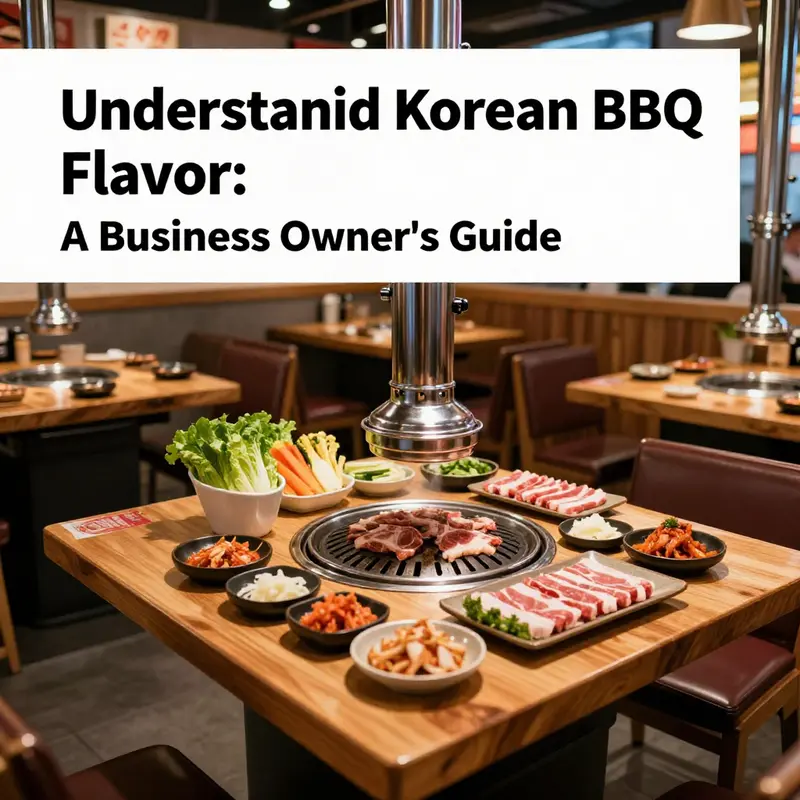
The flavor profile of Korean BBQ is a rich tapestry woven with sweet, salty, spicy, and umami notes that create a delightful experience. As a business owner, understanding these nuances is crucial—not only for menu development but also for marketing your offering to attract enthusiastic diners. This article will delve into the core components of Korean BBQ flavor, the art behind its marinades and sauces, and the cultural significance of this dining style, providing a comprehensive overview that can aid your business decisions.
Harmony by the Grill: The Architecture of Korean BBQ Flavor
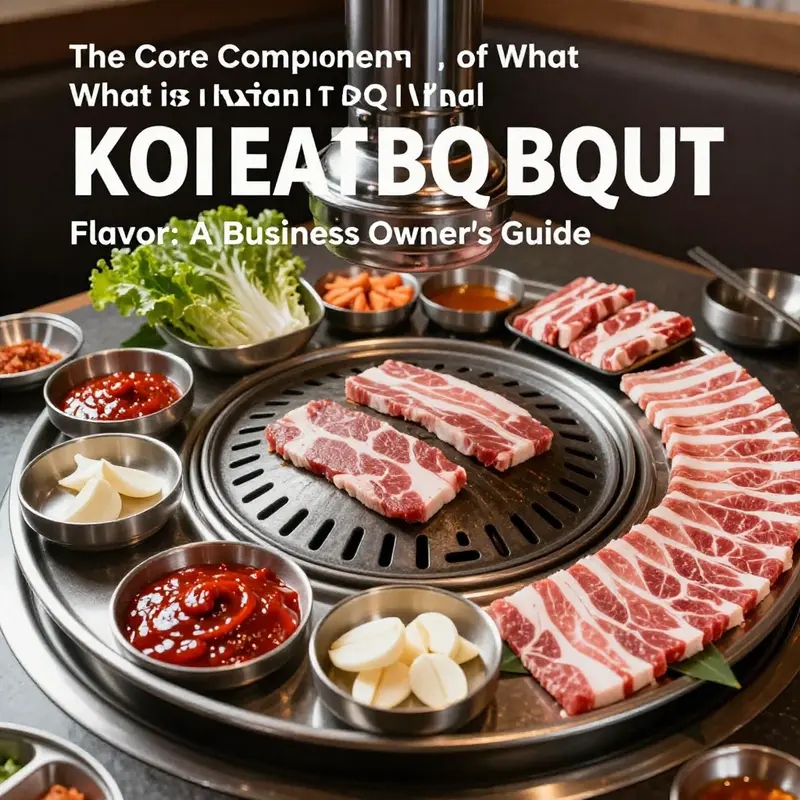
When a plate of Korean BBQ arrives at the table, flavor does more than linger. It invites a conversation. The magic is not a single note but a choreography: sweet, salty, spicy, and deeply savory tones moving in step with the meat’s own juices. The profile is layered, but its backbone rests on a few guiding ideas rather than a dominant sauce. You taste fermentation’s quiet depth, then the bright lift of fruit sweetness, followed by the aromatic warmth that comes from garlic and ginger. This is a flavor philosophy of balance, a steady push and pull that makes every bite feel earned, not pushed.
At the heart of Korean BBQ flavor are fermented soy products—ganjang and, where a richer depth is desired, doenjang. These ingredients do not merely season; they provide a sustained umami that soils the tongue with savory complexity. The saltiness comes from time as much as from salt, from tiny microbial acts that happened long before the grill was lit. The result is a sauce base that behaves like a culinary backbone, supporting other elements without shouting. In Western sauces, vinegar or tomato often drive the brightness; in this tradition, fermentation supplies the gravity that guides sweetness and heat into harmony.
Sweetness in this cuisine usually arrives from fruit purées or juices. Asian pear, kiwi, or even a splash of fruit puree is common, and the effect is twofold: it rounds sharp edges and it helps tenderize the meat through natural enzymes. Actinidin in kiwi, for example, begins to soften proteins, making bulgogi or galbi feel juicier and more responsive to heat. But the sweetness is never gratuitous. It is calibrated to balance salt and spice, creating a glaze that clings to the surface while letting the meat’s inherent flavor breathe through.
Aromatic elements—garlic and ginger—are the heartbeat of the marinade. They deliver warmth and bite, yet their strength is never overwhelming. Fresh minced garlic releases a pungent perfume as the meat sizzles, while ginger adds a peppery brightness that acts as a rein to the richness. Green onions lend a fleeting freshness, and toasted sesame oil contributes a nutty aroma that travels with the steam. Together, these aromatics contour the meat’s surface and invite you to lean in closer, as if the grill itself is a storyteller sharing the evening’s flavor.
Toasted sesame oil and sesame seeds are not mere garnish but texture and aroma anchors. The oil coats with a luxurious gloss and carries a toasty scent that lingers just long enough to influence the next bite. The seeds provide a whisper of crunch, a tiny counterpoint to the softness of the meat. This nutty note, often overlooked, helps the glaze feel cohesive rather than pasted on. It is a quiet reminder that Korean BBQ is as much about texture as about taste, a multi-sensory ritual that makes the finish feel complete.
Heat and depth come from gochujang and gochugaru. The fermented chili paste contributes a thick, savory heat with a fermented backbone, while the flakes offer bright, direct spice. The result is a controlled blaze—enough to wake the palate without masking the layers beneath. The chili components collaborate with soy and fruit to create a glaze that caramelizes on contact, forming a lacquer that seals in juices while adding a kiss of peppery warmth. This layered heat makes bulgogi and galbi feel vibrant yet approachable, never single-note, always evolving as the grill works its magic.
Balancing agents—sugar and honey—serve as the tuning fork. They refine sweetness, temper salt, and soften the edge of heat. The skill lies in altering the degree of sweetness to suit the meat and the occasion, allowing the glaze to cling and gloss rather than seep away. The best marinades invite the protein to drink the sauce, letting the flavor penetrate rather than puddle on the surface. In this sense, sugar is not a distraction but a precision tool that helps the other flavors breathe and mingle, a reminder that restraint often yields the most expressive taste.
Beyond the bottle and the grill, Korean BBQ flavor is a social texture. Diners grill at the table, wrap slices of meat in lettuce or perilla, dip into ssamjang, and contrast the meat with kimchi and pickled vegetables. The ritual matters as much as the glaze; it frames each bite as part of a shared meal rather than a private indulgence. And the dialogue between elements—sweet meets salt, fat meets heat, umami meets aroma—unfolds across multiple courses and conversations. For readers curious about related grill-and-broth traditions, see the linked discussion at kochi-korean-bbq-shabu-shabu. This is how flavor becomes memory, stored in the mouth and in the moment. As you explore, the next chapter will expand on how different cuts interact with this flavor framework, offering a sense of how widely the language of Korean BBQ flavor can be spoken.
For a broader context on Korean culinary traditions, see https://en.wikipedia.org/wiki/Korean_cuisine
The Alchemy of Korean BBQ Flavor: Marinades, Fermentation, and Fire
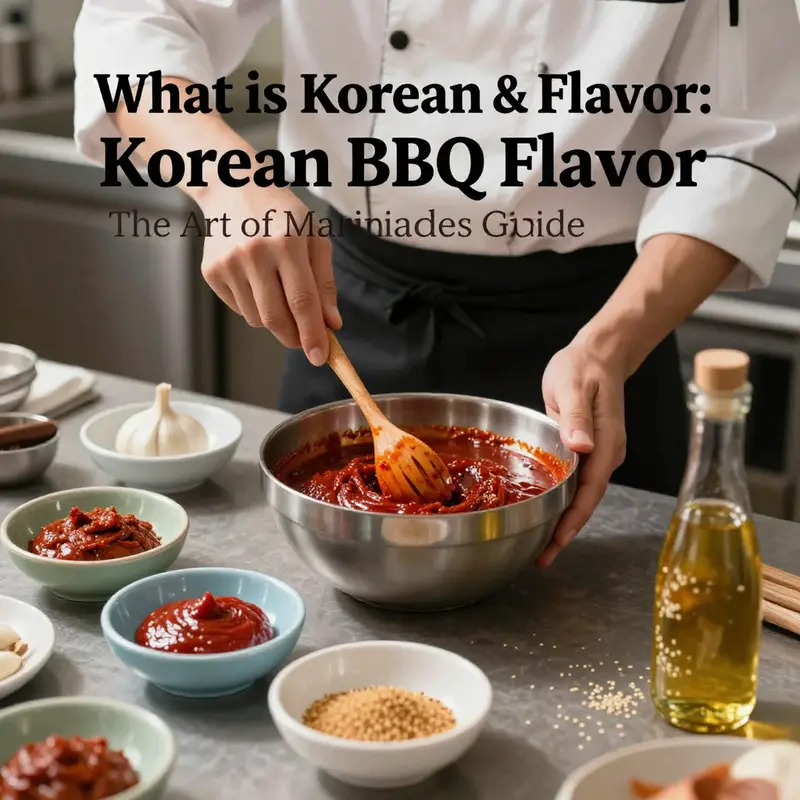
At its best, Korean BBQ flavor reads like a conversation among fire, fermentation, and the bite of fresh ingredients. It does not shout; it persuades. A glaze balances sweetness with salt and slides through the palate with a slow umami lift, finishing with a bright peppery zing that lingers without fogging the senses. This is not a single note but a carefully tuned ensemble where each element holds its own and agrees with the rest. Unlike some Western sauces that rely on tomato tang or vinegar sharpness, the approach builds on fermented soy products that provide depth. The core rests with gochujang and ganjang, two pillars that supply savory backbone and a slight sour-salt counterpoint, while warmth arrives from garlic and ginger and a toasty kiss of sesame.
Sweetness does not come from a lone splash; it arrives through fruit-forward ingredients like Asian pear, apple, or kiwi puree. These natural sugars carry enzymes that help tenderize muscle fibers, inviting deeper flavor as the meat rests in the marinade. The balance is deliberate: a whisper of sugar to temper heat, a touch of salt to pull moisture, and a measured heat from gochugaru that keeps the spice from domination. The sauce reads as a duet, with garlic and ginger providing warmth, toasted sesame oil adding a nutty glow, and sesame seeds lending a final crunch. The sauce acts in two acts: first, as a marinade that softens tougher cuts; second, as a glaze that clings to the surface and caramelizes under high heat, forming a glossy crust that sears quietly.
This culinary method traces deep roots into Korea’s traditional kitchen wisdom, where fermentation functioned as both preservation and flavor liberation. The fermentation-driven depth comes from lactic acids and enzyme activity that unlock savory notes in soy products, then harmonizes with the bright acidity of fruit sugars that remain when the mixture is cooked. The result is a glaze that is not a simple sweet-salty glaze but a layered envelope around the meat, inviting the palate to move from sweet to salty to smoky to tangy in a single bite. When the grill fire is high, the glaze caramelizes in seconds, creating a lacquered surface that crackles and, with a gentle breath of smoke, reinforces the aroma of garlic. Smoke, meanwhile, carries those scents into the dining space, turning the first whiff into memory. The glaze, meanwhile, acts as translator, turning strips of meat into a dish that feels bright and substantial long after the meal ends. On the grill, proteins meet heat and sugars in a careful dance. Maillard deepens color and unlocks roasted, nutty aromas that mingle with garlic. Memory, for many.
Historically, this culinary language grew from Jungshik, the royal and household kitchens that valued preservation, digestibility, and the social ritual of sharing a meal. The idea that food should be cooked at the table elevates flavor from sustenance to ceremony. Flanked by vegetables, wrapped in crisp leaves, the grilled meat becomes part of a larger text: ssamjang thick with chili, banchan like kimchi, and pickled radish that brighten the bite with acidity. The palate shifts as textures contrast—tender meat, crisp leaves, and a sesame crust—and these contrasts amplify aroma, heat, and freshness. The goal is balance: no single flavor should overwhelm, yet every layer must be perceptible, like a chorus in a well-tuned musical piece. In this sense, Korean BBQ flavor is a conversation between ingredients and flame, a dialogue that invites sharing, tasting, and memory. These gatherings teach younger cooks to respect timing and patience, to read glaze’s sheen, and trust the rhythm of the flame and aroma.
Diners often find that the same sauce works across different meats because its logic remains stable even as the protein changes. A lean beef or a fatty rib, a slice of pork or a joint of chicken, all embrace the glaze’s two-pace rhythm—marinade loosening the fibers first, glaze locking in moisture as heat intensifies. In practice, cooks watch the surface glisten and listen for the characteristic hiss as sugars caramelize and the edges darken to a lacquered brown. The technique rewards patience: longer marinades deepen the umami, shorter contact retains brighter fruit notes and sharper spice. Some cook with a light brush, others baste more aggressively, but the underlying aim stays constant—a glossy coat that clings to the meat and deepens with each turn on the grill. For enthusiasts seeking a showcase, a dish like bulgogi becomes a living lesson in how fermentation-driven depth and fruit-derived sweetness can transform everyday beef into something savory, aromatic, and memorable. See Bul-Gogi Korean BBQ.
Across continents, the flavor logic travels with adjustments that honor fermentation and balance. When cooks explore differently aged soy bases or vary the ratio of fruit puree to soy, the profile remains recognizably Korean: a layered depth built on patience, heat, and enzymes. The spice lingers without burning, the sweetness lifts the savor, and salt helps reveal the subtle notes. This is why the experience feels communal. The table becomes a shared canvas for tasting, where each bite invites appreciation and memory, and a simple glaze becomes a bridge from kitchen to global table.
External resource: https://www.seriouseats.com/korean-bbq-sauce-ingredients-origins
Flavor as Communal Craft: The Cultural Significance of Korean BBQ in Dining
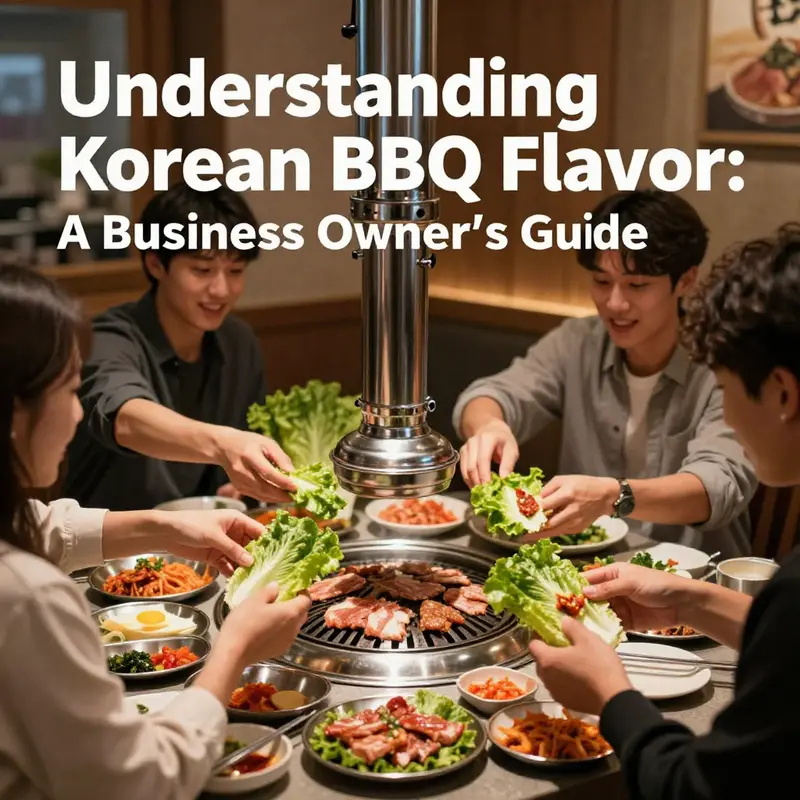
Flavor in Korean BBQ is more than taste. It is a social instrument that binds people through a shared ritual of flame and glaze. The moment the grill heats up, the air thick with aroma, diners become participants in a collaborative meal. Thin slices of marinated meat sear quickly, their edges curling into a lacquered gloss. The glaze carries a chorus of flavors—sweet, salty, fiery, and umami—each note listening to the others rather than shouting above them. This balance is the touchstone of Korean BBQ flavor: a composition in which no single element overwhelms the others, yet every element is essential to the whole. The base is often built on fermented soy products and pepper paste, where the depth of umami comes from age and time. From there, sweetness provides roundness and helps tenderness, while heat provides the spark that makes the feast feel alive. Aromatics like garlic, ginger, and sesame oil thread through the sauce, leaving a fragrant tail that lingers on the palate as the meat is enjoyed with banchan.
Gochujang and doenjang anchor the glaze with a savory backbone. Fermentation unlocks deep, earthy complexity, while the chili paste adds bright heat that carries across the table without masking the subtler elements. Enzymatic tenderness comes from the pear or apple often present in the marinade, and this is not merely to sweeten a dish but to help the proteins release their juices in harmony with the glaze. Soy sauce contributes salt that tightens flavors, and brown sugar or honey threads the sweetness into a glaze that caramelizes on contact with high heat. The result is a lacquered surface that crackles, releasing steam and perfume as it sears. The heat is bold but controlled; gochugaru or gochujang deliver a vibrant punch that stays in balance with the sauce’s other dimensions, so the bite remains lively without burning the taste buds.
The sauce does more than coat; it acts as a tool for texture and rhythm. Yet Korean BBQ flavor also owes its depth to the ceremony of banchan—the array of tiny side dishes that accompany the main event. Crunchy kimchi, crisp pickled radish, fresh greens, and sesame oil-dressed vegetables provide counterpoints to the warm richness of the meat. Diners roll leaves around slices of meat with a dab of ssamjang, a thick, spicy paste, and a dab of glaze, creating a compact bite that marries sweet, sour, and savory notes. The interplay of chew, bite, and bite-sized crunch becomes a choreography of textures as much as a symphony of flavors. This approach mirrors a philosophy of balance, or jeong, where harmony among disparate elements is celebrated as a culinary virtue rather than a decorative flourish.
The social dimension of gogi-gui is its own lesson in cultural significance. Rather than a solitary act of savoring, grilling at the table turns dining into a participatory event. Conversations flicker with laughter as meat is re-seared and sauce is brushed on with a small brush or tongs. The dining room becomes a stage where family, friends, and colleagues share responsibility for flavor, time, and course. In this context, the sauce is not simply a seasoning; it is a mnemonic device, linking generations through a familiar rhythm of searing and wrapping. In Seoul and other Korean cities, BBQ is both tradition and contemporary performance—a signal of care, hospitality, and quality that travelers remember as much for its atmosphere as for its taste.
Beyond borders, Korean BBQ flavor travels with a spirit of refinement that has resonated globally. The popularity of gochujang and related fermentation-based seasonings signals a culinary identity that embraces complexity without surrendering balance. The ritual of wrapping meat in leaves, dipping into dipping sauces, and sharing small plates around a central grill creates a dining experience that feels intimate even in a crowded room. The cultural narrative is inseparable from the flavor profile, because the same balance that defines a perfect glaze also defines how a meal is consumed, who shares it, and what it means to welcome someone to the table.
For home cooks seeking to recreate that magic, the key is understanding how the sauce supports both flavor and texture. Build a base of salty, umami-rich elements with soy and fermented paste, then fold in sweetness to encourage caramelization. Add minced garlic, a hint of ginger, and a touch of sesame oil to lift aromatics. Use a touch of fruit puree or enzymatic tenderizers to help with delicate cuts, and apply heat in stages to avoid burning the glaze before it sets. The technique mirrors centuries of fermentation craft and the modern kitchen’s hunger for communal experience. And if you can, invite friends to grill together; even without a table-top grill, the sense of shared ritual translates into the best kind of storytelling around a table.
As you explore these ideas in practice, you may seek a setting that echoes the spirit of a Korean grill in a neighborhood spot such as Korean grill Kensington. The atmosphere matters as much as the recipe, because flavor travels with people, not just with bowls and brushes.
In the end, Korean BBQ flavor stands for more than a punch of taste. It embodies a philosophy of community, balance, and craftsmanship. It invites diners to participate, to negotiate heat and sweetness in real time, and to recognize that sharing a meal is an act of trust and connection. That is the beating heart of the genre: flavor as a communal craft, a living tradition that continues to evolve while remaining rooted in centuries-old fermentation and a timeless belief in gathering around the grill.
External resource: For a broader perspective on Korean BBQ flavor, see this overview: The Spruce Eats overview
Final thoughts
Korean BBQ flavor embodies a complex interplay of taste and tradition that is harmoniously aligned with the communal dining experience. As a business owner, appreciating these elements can enhance your culinary offerings and strengthen your brand’s identity. By understanding the core components, mastering the art of sauces and marinades, and embracing the cultural significance behind the dining ritual, you can create a genuine and captivating Korean BBQ experience that resonates with customers and fosters loyalty.