

Korean BBQ is not just a meal; it’s a culinary experience that engages the senses and fosters social connections. For business owners in the food industry, understanding this unique style of dining can enhance customer satisfaction and loyalty. This guide provides comprehensive insights into selecting the right cuts of meat, preparing flavorful marinades, and employing the best cooking methods to recreate authentic Korean BBQ at home or in your establishment. Embrace the rich traditions of Korean barbecue to elevate your menu, attract more customers, and create memorable dining experiences.
Choosing the Perfect Cuts: Picking Meat for Authentic Korean BBQ
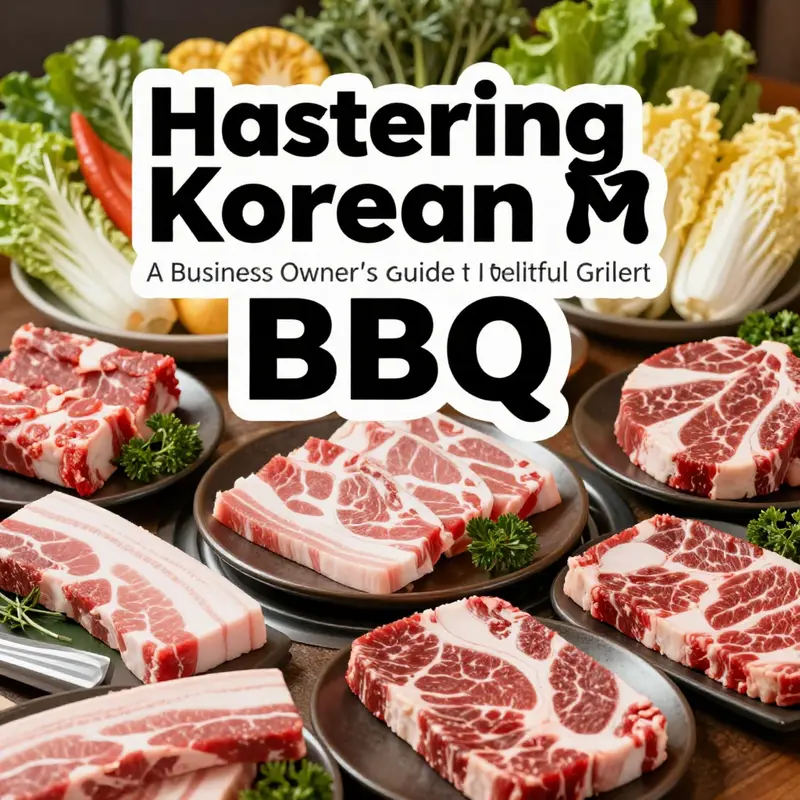
Choosing the Perfect Cuts: Picking Meat for Authentic Korean BBQ
Selecting the right meat shapes every part of a Korean BBQ night. The cut you choose determines texture, flavor, cooking time, marinade needs, and how you’ll serve each bite. Think of this as an exercise in balancing fat, muscle, and technique. A few smart choices at the butcher counter will pay off on the grill.
Start by thinking about the experience you want. Do you want quick, sizzling bites that char in seconds? Do you crave fatty, unadorned pork that crisps and melts? Or do you prefer richly marinated beef that sings with caramelized edges? Each choice calls for different cuts and preparation.
For a classic, crowd-pleasing foundation, samgyeopsal (pork belly) is hard to beat. Its alternating layers of fat and meat render into a silky, satisfying texture as it grills. When selecting pork belly, look for even layers of fat and lean. The slices should be uniform in thickness to cook consistently. In many kitchens, samgyeopsal is sliced between 2 and 5 mm depending on preference; thinner slices crisp faster, while slightly thicker pieces keep a juicier interior. Freshness matters: the meat should look bright with a clean smell. Avoid anything with a dull color or off aroma.
Beef short ribs, or galbi, offer a different pleasure. Galbi can be purchased bone-in or boneless. Bone-in cuts provide deeper flavor and dramatic presentation, while boneless versions are easier to manage on a home grill. Galbi for Korean BBQ is often cut across the bone in thin slices. Seek good marbling—fat woven through the meat adds tenderness and flavor as it renders. If you prefer marinated galbi, look for cuts that will absorb the sauce without becoming mushy. For a leaner, richly beefy option, consider premium marbled beef, often prized for its buttery mouthfeel.
Chadol-bagi (thinly sliced beef brisket) is paper-thin and cooks almost instantly. Its appeal lies in speed and the contrast between a quick sear and a tender interior. Because it is so thin, chadol-bagi needs minimal seasoning. A quick dip in salt and sesame oil after grilling highlights its natural beefiness. When choosing brisket for this use, ask your butcher to slice it very thin or briefly freeze the roast at home and slice against the grain with a sharp knife to the desired thinness.
Chicken for Korean BBQ, typically using thighs, brings moist richness and versatility. Thigh meat tolerates marinades and high heat far better than breast. Choose well-trimmed thigh cuts with intact skin when possible. Skin crisps beautifully on the grill, offering a textural counterpoint to tender meat beneath. If you plan to marinate chicken, aim for shorter times than beef—too long can break down proteins and change texture.
Beyond these staples, consider premium regional options for a special occasion. Locally raised or specialty beef can elevate a meal, but the core principles remain the same: balance, freshness, and appropriate slicing. Marbling is a friend for grilling; thin, uniform slices are essential for even cooking. When in doubt, prioritize cuts with a mix of lean muscle and rendered fat.
Practical shopping tips will save time and prevent disappointment. Buy from reputable suppliers or a trusted butcher when possible. Ask for slices made for Korean BBQ—many shops offer pre-cut options. If you must slice at home, briefly chill the meat in the freezer for 20 to 30 minutes; slightly firm meat slices much cleaner. Use a very sharp knife and cut against the grain for chewier cuts. For bone-in lengths, ask the butcher to cut across bones for galbi-style pieces.
Portioning matters. Plan roughly 200 to 300 grams (7 to 10 ounces) per person for a mixed-feast style where sides abound. If meat is the main focus, increase portions accordingly. Offer an assortment: one fatty pork option, one marinated beef, and a leaner slice to balance richness. Variety keeps the meal engaging and ensures every guest finds a favorite.
Decide early whether you’ll marinate. Some cuts, like galbi and many beef dishes, benefit from short marinades that add flavor and a touch of tenderizing. Others—samgyeopsal and chadol-bagi—are traditionally grilled unmarinated to showcase the meat’s natural character. If you do marinate, avoid over-marinating. Short windows, typically 30 minutes to a couple of hours depending on the recipe and enzymes used, preserve texture while adding depth.
Storage and handling are essential safety points. Keep meat cold until ready to cook. Thaw frozen cuts in the refrigerator overnight. If you bring meat to room temperature, do so briefly—no more than 20 to 30 minutes—so juices stay intact. Pat pieces dry before they hit the hot surface. Dry meat sears better and produces a more flavorful crust.
Finally, think about how meat interacts with accompaniments. Fatty cuts pair beautifully with pungent ssamjang and crisp lettuce wraps. Leaner slices shine when finished with a light dip of salt mixed with toasted sesame oil. The cut you choose also determines grill strategy: thinner pieces demand high heat and rapid flips; thicker or bone-in cuts need a bit more time and attention to avoid burning while ensuring doneness.
If you want to explore traditional recipes that spotlight specific cuts, this page about bul-gogi Korean BBQ offers useful context and examples for marinated meats: bul-gogi Korean BBQ.
For a deeper reference on Korean BBQ meat cuts and how they are traditionally used, consult the detailed guide here: https://www.creatrip.com/article/korean-bbq-meat-cuts/
null
null
Mastering the Grill: Practical Cooking Methods and Techniques for Korean BBQ at Home

Techniques and Setups for Home Korean BBQ
Korean BBQ is as much about technique as it is about ingredients. At its core it relies on quick, high-heat cooking, precise timing, and a communal rhythm where everyone takes part. Whether you use a tabletop grill, a cast-iron skillet, or an outdoor grill, the same principles apply: start with properly sliced meat, control the heat, and focus on short bursts of searing that lock in juices and add caramelized flavor.
Begin with the right cuts and thickness. Thin slices—around 2–3 millimeters—are ideal for pork belly and marinated beef. They cook quickly and give you that perfect contrast of crisp edges and tender centers. Thicker cuts, like short ribs or premium beef, benefit from a slightly longer sear and sometimes a brief rest after cooking. Always pat meat dry before it hits the heat. Excess surface moisture prevents good browning.
The grill you choose changes the rhythm of cooking but not the goal. Tabletop grills recreate the restaurant experience. They heat quickly and keep meat in front of diners. This encourages frequent flipping and sampling. If you use a built-in or portable tabletop unit, preheat it well so the surface is uniformly hot. Cast-iron griddles mimic this effect on a stovetop. Heat a heavy pan until it is smoking faintly, then add meat in a single layer. Avoid crowding the surface; overcrowding cools the metal and steams meat instead of searing it.
Outdoor charcoal or gas grills add a smoky note. With charcoal, wait until coals are covered in white ash. Arrange coals to create hotter and cooler zones. Sear meat over the hottest area for crust, then move to indirect heat to finish. Gas grills offer precise control and are great for thicker pieces. Use a thermometer if you need accuracy, but for most thin slices, rely on color and feel: a glossy, browned edge and a firm but yielding texture indicate readiness.
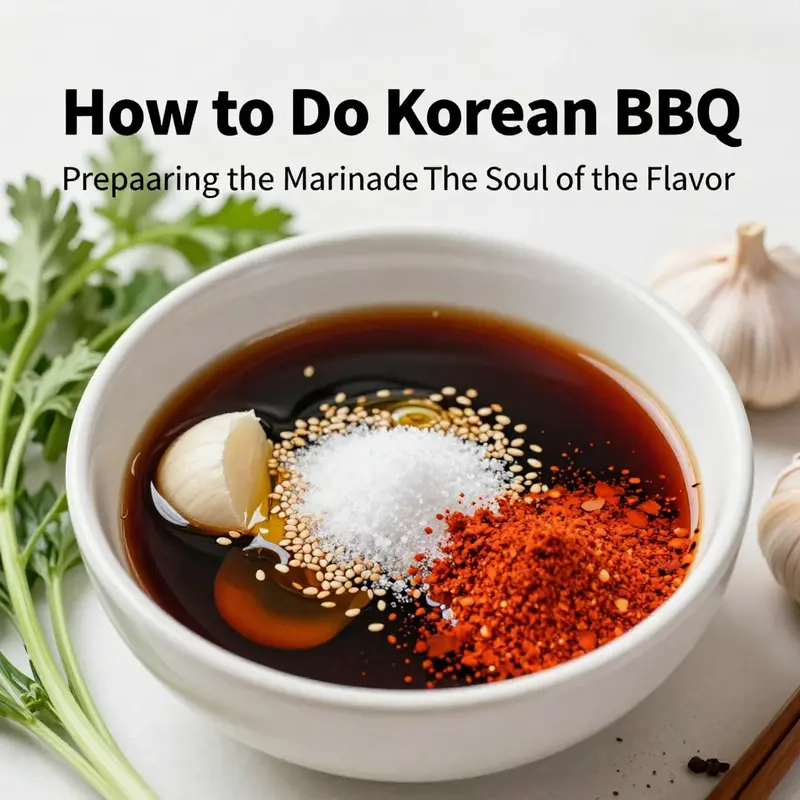
Marinade and timing are essential. A classic marinade balances soy sauce, sweetener, sesame oil, garlic, and chili for heat and color. Fruit juices like Asian pear or kiwi introduce natural enzymes that tenderize. However, do not marinate thin slices for too long; 30 minutes to two hours is usually enough. Over-marinating turns delicate meat mushy. For table-side grilling, you can marinate some pieces lightly and serve others unseasoned. This variety highlights texture and pure meat flavor.
Technique matters when you place meat on the hot surface. Lay slices down and let them sit without moving for 30 to 90 seconds. This stillness builds a stable sear. Flip often after the first crust forms, but don’t flip so much that the meat never develops color. Use tongs to turn pieces and kitchen shears to cut larger strips into bite-sized portions. Cutting on the grill speeds service and keeps the meat warm as diners assemble wraps.
Rendered fat is a signature element of Korean BBQ. Pork belly will shed fat as it cooks. Channel that fat to flavor vegetables on the griddle, like mushrooms or onions. Pour off excess grease into a safe container if it accumulates too much. If you cook indoors, manage smoke carefully. Run a hood fan and open a window. Use a splatter guard when pan-frying to reduce mess. Safety is simple: keep a clear area around any heat source and use long-tipped tongs.
Ssam, the wrap, turns grilled meat into a balanced bite. Provide a variety of leaves—lettuce, perilla, or cabbage—along with rice, ssamjang, raw garlic, and pickled vegetables. Encourage guests to build small, layered wraps. The interplay of hot meat, cool leaf, spicy paste, and crunchy banchan creates the familiar contrast that defines the meal. Offer a simple dipping oil of salt and toasted sesame oil as an alternate, especially for unseasoned grilled cuts.
Condiments and side dishes shape the meal’s pace. Ssamjang anchors each wrap, with gochujang and doenjang providing fermented depth. Gochugaru brings bright chili notes but leaves room for sweetness and acidity. Serve small plates of kimchi and pickles to cut richness between bites. These banchan also refresh the palate and invite continuous tasting.
Control of heat and timing keeps meat juicy. Aim for a quick sear and avoid overcooking. Thin cuts often need only one or two minutes per side. Watch for translucent center turning to opaque. For thicker pieces, sear then lower heat to finish. Let especially thick steaks rest briefly off the heat to allow juices to redistribute. Resting two to five minutes can make a big difference.
The social aspect matters as much as cooking. Share tongs and plates, swap flavors, and pace the cooking so small batches are always coming off the grille. If available, point guests to local examples for inspiration, such as Korean Grill Kensington, which showcases communal grilling in a casual setting.
Mastering Korean BBQ is a balance of high heat, short cook times, and flavorful accoutrements. Respect the meat, manage the flame, and let diners build their own wraps. With these techniques, your home setup will produce the same lively textures and layered flavors found in the best barbecue tables. For an extended guide to tabletop techniques and the philosophy behind quick, high-heat grilling, see the detailed technique overview in the chapter source.
Final thoughts
Korean BBQ represents more than just a meal; it embodies a vibrant culture and offers a unique opportunity for engagement and connection. As a business owner, mastering the art of Korean BBQ can elevate your offerings, attract new customers, and enhance loyalty. From selecting premium meats to perfecting marinades and employing adept cooking techniques, this guide provides the foundation for success. As you implement these insights into your culinary endeavors, the authentic flavors and interactive dining experience of Korean BBQ will undoubtedly delight your patrons and differentiate your establishment from the competition.