
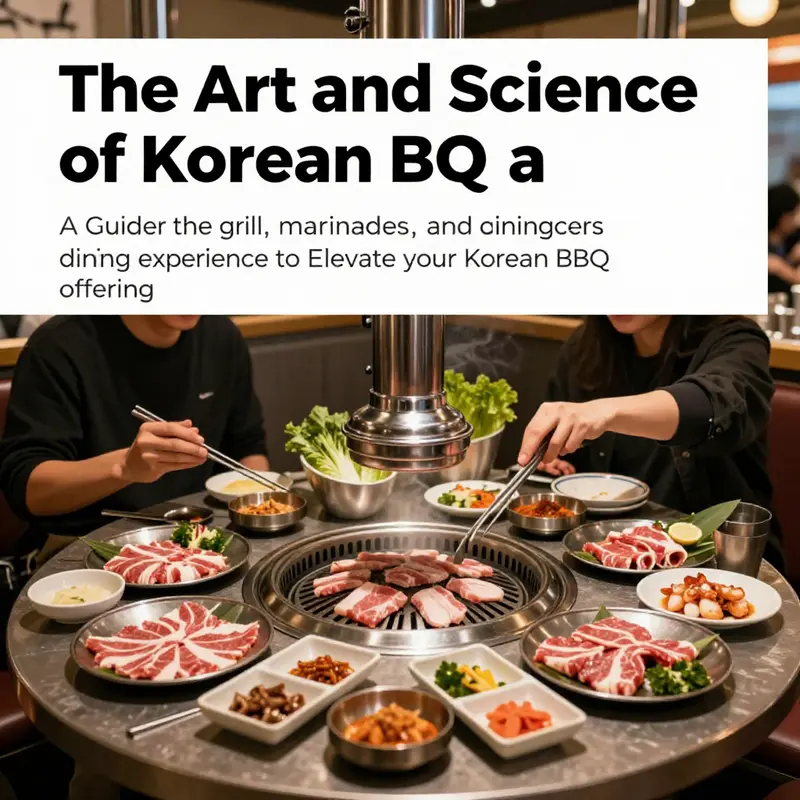
Korean BBQ is more than just a meal; it’s a cultural and culinary experience that invites interaction through grilling and flavors. For business owners in the food industry, understanding the intricacies of Korean BBQ can provide a unique selling proposition. This article will delve into how Korean BBQ works, exploring core concepts and fresh ingredients, the role that marinades play in flavor and texture, and the essential cooking techniques alongside the overall dining experience.
Searing Science and Shared Plates: How Korean BBQ Works in Your Kitchen and at the Table

Korean BBQ gives the impression of a bustling theater where heat, time, and texture perform in concert. The scene centers on freshly cut meat that risks nothing in its rawness when quality is high and the knife work precise. Yet the true genius lies in how fleeting moments of flame transform thin slices into bites that feel luminous and complete. This experience rests on a few enduring ideas: meat that is cut for quick cooking, a balance of bright, savory, and lightly sweet flavors, and a social rhythm that invites everyone at the table to participate in the choreography of searing, wrapping, and tasting. It is a method as much as a meal, one that can be replicated at home or enjoyed in a restaurant where the grill is built into the table and the flame is the centerpiece rather than a backdrop. The result is a compact, intense flavor profile where the meat’s own character—its fat, its tenderness, its aroma—meets a carefully designed glaze and a chorus of crisp, cool accompaniments. The approach works because it respects three core ideas that place Korean BBQ apart from other grilling traditions: the emphasis on fresh, high-quality cuts; a marinade that broadens flavor while tenderizing; and a listening-to-heat discipline that yields quick, precise cooking without sacrificing juiciness. As a culinary philosophy, it invites cooks to build complexity by adding layers rather than multiplying techniques, to balance sweet and salty with a touch of heat, and to keep the meat’s natural brightness intact. The anatomy of the experience begins with the cuts. Beef short ribs, pork belly, and delicate slices of chicken become the canvas that takes on flavor rapidly under hot, direct heat. The thinness of the slices is deliberate; it ensures a fast Maillard browning and a tender interior, avoiding long cooking that would dull the meat’s texture. Marinade then steps forward as the primary conductor. The variables—the soy-based saltiness, the fruity enzyme power from pear or apple juice, the garlic and ginger, a kiss of sesame oil, and the sugar for that glossy crust—work in harmony. The science here has a practical edge. Pear or kiwi juice is often cited for its natural enzymes that help break down proteins, a tenderizing effect that supports the quick sear. Soy sauce contributes salt and depth, while sugar caramelizes as heat builds, creating that characteristic lacquer and a spectrum of aroma. When the pieces are marinated, the flip side of flavor emerges: the importance of balance. A marinade that is too aggressive can overpower the meat’s inherent character; too little can leave it one-dimensional. The tested approach—roughly a ratio that blends 100 ml soy sauce with 80 ml fruit juice, 50 g onion paste, 15 g garlic, 10 ml sesame oil, and 30 g sugar—aims for a harmonious finish. The recommended marination window, four to twenty-four hours, is a careful guideline: shorter times preserve the meat’s bright core, while longer times deepen the savory notes but risk turning texture past the point of ideal tenderness. When it comes to cooking, two landscapes shape the technique: home kitchens with electric griddles or stovetop grills, and restaurants with built-in tabletop grills that emphasize safety and convenience. At home, preheating to about 200°C (390°F) sets the stage for instantaneous searing. The marinated slices go on the surface in quick, confident motions, and the cook’s posture becomes a dialogue with the heat: each sizzle a confirmation that the glaze is caramelizing and the interior is retaining moisture. In restaurant settings, the grill sits center stage, often with a grease trap and adjustable heat zones that allow rapid browning while preventing flare-ups. The principle remains the same: high heat, short time, and careful handling. The texture goal is precise: a crisp, bronzed exterior with a juicy center at a comfortable internal range. Fatty cuts like pork belly demand a moment of render and, if necessary, a quick blot with a napkin to control greasiness without losing the meat’s succulence. The moment it leaves the grill is not the end but the transition into the assembly line of flavor that defines Korean BBQ: the wrap. A crisp leaf—lettuce or perilla—acts as a bright, fresh plate for the grilled meat. Condiments arrive in a chorus: minced garlic, slices of green chili, kimchi for acidity and brightness, and a dollop of gochujang for warmth and heat. A small pour of ssamjang, a thick paste mixing fermented flavors with a little sweetness, rounds out the bundle. The bite becomes a careful balance of textures—crisp greens, tender meat, and the soft pliancy of a warm tortilla-like leaf—where each wrap delivers a small, complete package of savory, tangy, spicy, and cool. Side dishes—banchan—provide resistance and contrast: kimchi, pickled radish, bean sprouts, and seasoned spinach. A bowl of rice or noodles anchors the meal, and drinks such as soju or barley tea slip in as a refreshing counterpoint to the richness of the grilled meat. This entire practice extends beyond taste; it is a social ritual. The act of diners cooking, wrapping, and sharing encourages a communal spirit that enriches the dining experience with a sense of jeong—an emotional connection that makes a simple meal into a memory. Modern adaptations have broadened the appeal without losing the essence: the grill is still king, but the tools may be more accessible, the cleanup more manageable, and the cooking time more predictable. A key practical note remains universal: let the meat come to room temperature before it hits the grill. Cold meat can dampen the grill’s temperature and create uneven searing, undermining the moment when the Maillard reaction shines brightest. For readers who want to explore the science behind these flavors, a deeper dive into marinades and their impact on texture can offer illuminating detail. See the science behind Korean BBQ marinades and how enzymatic tenderization and browning develop in Serious Eats’ analysis. Internally, the broader landscape of Korean BBQ is not merely about technique but about the way a culture invites shared, hands-on cooking into everyday life; the grill becomes a social instrument, turning a meal into a dynamic conversation about temperature, time, and taste. When you step back from the plates, consider how the grill’s hum, the sizzle, and the inviting freshness of greens and sauces work together to create a complete, evocative dining experience. The where and how of hosting—at home, in a casual restaurant, or in a dedicated space with a built-in grill—matters less than the chemistry of heat and the balance of ingredients that makes each bite sing. The journey from marinated meat to that final, satisfying wrap is a compact narrative about how Korean BBQ works: freshness, science, technique, and shared pleasure all in one table-spanning moment. To see how a local venue mirrors these principles, explore a dedicated Korean BBQ destination and its menu structure as a practical illustration of the ideas discussed here.
Marinade Alchemy at the Table: How Flavor and Texture Are Built in Korean BBQ
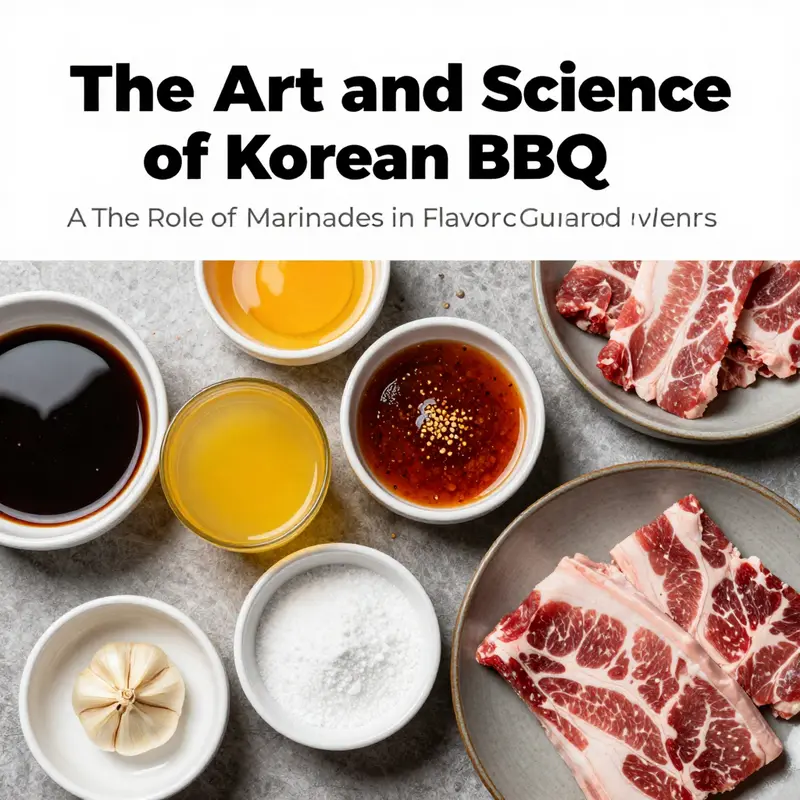
Korean barbecue invites diners into a ritual where fire, aroma, and conversation fuse around a tabletop grill. Yet the magic is not just in the act of cooking; it begins long before the meat touches the hot surface. The marinade is the quiet architect, shaping tenderness, guiding browning, and weaving a balanced chorus of sweet, salty, spicy, and savory notes. In this realm, flavor is not a single note but a harmony, and texture is the outcome of chemistry as much as technique. When you glimpse the science behind the marinade, you see why each element matters and how, together, they transform simple cuts into something lush, bright, and deeply satisfying. The principle at work—matsui, or taste harmony—finds its best expression in the way ingredients balance rather than overpower, inviting the meat to sing rather than shout.
Central to the marinade is a careful balance of core building blocks. A foundation of soy sauce provides salt and umami that deepen the meat’s natural savor. From there, fruit juice—often from pear or apple—introduces gentle enzymes that help soften muscle fibers and create a pliable texture. These enzymes, similar in intent to proteolytic agents found in other culinary fruits, do their work quietly as the meat rests, so the surface is primed for temperature-accurate browning later. Sugar, whether white or natural molasses-like in honey form, is the sweet conductor that caramelizes under high heat, yielding a glossy crust and a touch of sweetness that echoes through the finish. Garlic and sesame oil contribute aromatic complexity and a toasty depth that lingers as the grill does its work. In some formulations, a touch of gochujang or ginger may join in, adding a peppery warmth that broadens the flavor spectrum without masking the meat’s core character. Taken together, these elements do more than season; they modulate texture and aroma, weaving a tactile and olfactory map that guides the eater’s first bite to a balanced, multi-layered experience.
For cooks who crave precision, a rough marinade framework helps translate concept into practice. A representative ratio—roughly 100 milliliters of soy sauce to 80 milliliters of fruit juice, about 50 grams of onion paste, 15 grams of minced garlic, 10 milliliters of sesame oil, and 30 grams of sugar—offers a starting point that tends toward sedate saltiness with a moderate sweetness and a robust umami backbone. This composition encourages the meat to develop a glossy surface as it grills, while the interior remains tender but not mushy. The exact measurements may shift with the cut and the desired outcome, but the underlying balance remains constant: soy for depth, fruit juice for tenderness, sugar for crust, and aromatics for lift. The crowning principle is restraint—let the marinade illuminate the meat, not overwhelm it.
Marinating time matters because it determines how deeply flavors penetrate and how the texture adapts to the heat. Bulgogi, often marinated for several hours or even overnight, embraces a deep, pervasive aroma and a softened bite that still holds its shape on the grill. In contrast, thinner cuts like pork belly or chicken may benefit from shorter windows, perhaps 30 minutes to a few hours, focusing on surface flavor while preserving the bite and juiciness that define their character. Overdoing it risks extractive flavors and a texture that becomes too soft or even mushy, so patience is essential. The science here is intuitive: longer contact time increases flavor diffusion and proteolysis, but it also risks breaking down proteins to a point where the meat loses structure. Respect for the timeframe keeps the end result lively, with the meat still responding to the grill’s heat rather than dissolving into the marinade itself.
The marinade’s role extends beyond mere seasoning. It primes the surface for the Maillard reaction, the chemical ballet of sugars and amino acids meeting high heat to form complex, savory compounds and a lustrous crust. The glaze that forms during cooking is not merely decorative; it is a flavor amplifier that intensifies the aroma and heightens the perception of salt and sweetness in balance. The marinade’s fat, when present in sesame oil, carries aroma into the air, coating the palate as the meat is devoured. This is where technique intersects with science: care in temperature, time, and spacing on the grill ensures the surface browns evenly while the interior remains juicy. Do not overcrowd the pan; space between pieces allows the meat to sear with intention rather than steam timidly in a crowded pool of heat.
Intriguingly, the marinade also shapes the social and cultural experience of Korean BBQ. After grilling, the ensemble of leaves—lettuce or perilla—along with garlic slices, green chili, kimchi, and a dollop of gochujang invites a sequence of bites that alternates between fresh and charred, crisp and tender, cool and heat. Each wrap seals a microcosm of flavors: smoky meat against a crisp leaf, with a bright zing from raw toppings and a punch of chili paste. The enjoyment is in the assembly and the rhythm of eating, a tactile ritual that elevates the marinade from a sauce to a participatory experience. And for cooks who are in search of practical home guidance, a simple step toward authenticity is letting the meat come to room temperature before grilling. Cold meat drops the grill’s temperature, hindering searing and leading to uneven doneness—a small, crucial step that protects the integrity of the crust and the tenderness inside.
The flexibility of marinades in Korean BBQ is notable. Marinades serve as a stage on which different meats and preparations perform. Bulgogi may ride a longer, more penetrating flavor; samgyeopsal benefits from a lighter touch that emphasizes the fat’s melting texture while coaxing a subtle glaze. The same flavor profile can be repurposed across various dishes or even in contemporary contexts like burgers or tacos, where the same balance of sweet, salty, and spicy can anchor a fusion plate without losing its Korean essence. For readers seeking a practical, home-based touchstone, you might explore nearby options that echo Korean BBQ flavors and techniques, such as korean-bbq-in-moreno-valley.
As this chapter advances, the marinade emerges not as a single ingredient but as a crafted, dependent system. It invites us to taste with intention, consider the timing, and respect the heat that unlocks transformation. The science and the ritual are aligned: a well-made marinade tenderizes without dissolving, browns without scorching, and carries the eater from first bite to lingering aftertaste without fatigue. The next layer of understanding will explore the grilling mechanics themselves—the equipment, the heat zones, and the choreography of turning and resting—yet the marinade remains the quiet conductor, ensuring each bite is a memory of balance and depth.
External resource: Serious Eats provides a detailed analysis of authentic Korean BBQ marinades and their role in flavor development, texture, and technique. https://www.seriouseats.com/korean-bbq-marinate-recipe
null

null
Final thoughts
Understanding how Korean BBQ works involves appreciating its core concepts, the significance of fresh ingredients, and the transformative role of marinades. By mastering the cooking techniques and creating an engaging dining experience, business owners can attract customers seeking authentic and interactive culinary experiences. Embracing these elements not only enhances the dining experience but also positions your establishment as a premier destination in the competitive restaurant market.