
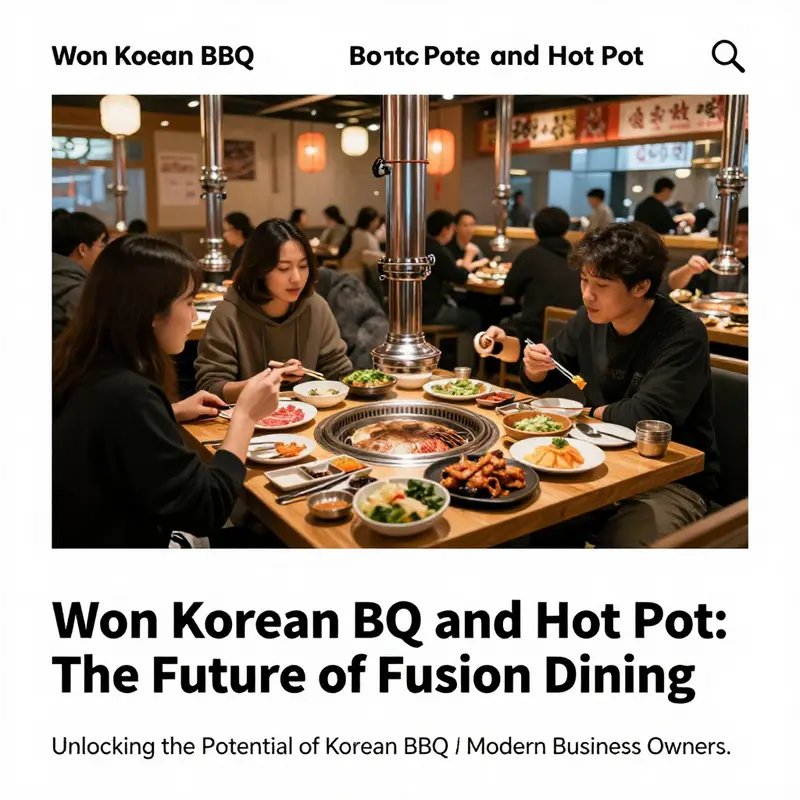
The fusion of Korean BBQ and hot pot dining has seen a meteoric rise, appealing to a diverse clientele eager for unique culinary experiences. This trend not only captivates food enthusiasts but also presents significant opportunities for business owners in the restaurant industry. In this exploration, we will delve into KPOT Korean BBQ and Hot Pot as a frontrunner in this vibrant dining style while examining the growing popularity and strategizing for business success in an ever-competitive market. Each chapter will unpack critical insights into the operational dynamics of such fusion dining establishments and provide actionable strategies for aspiring restaurant owners.
The Dual Ritual: Korean Tabletop BBQ Meets Hot Pot
A Shared Table, Two Traditions
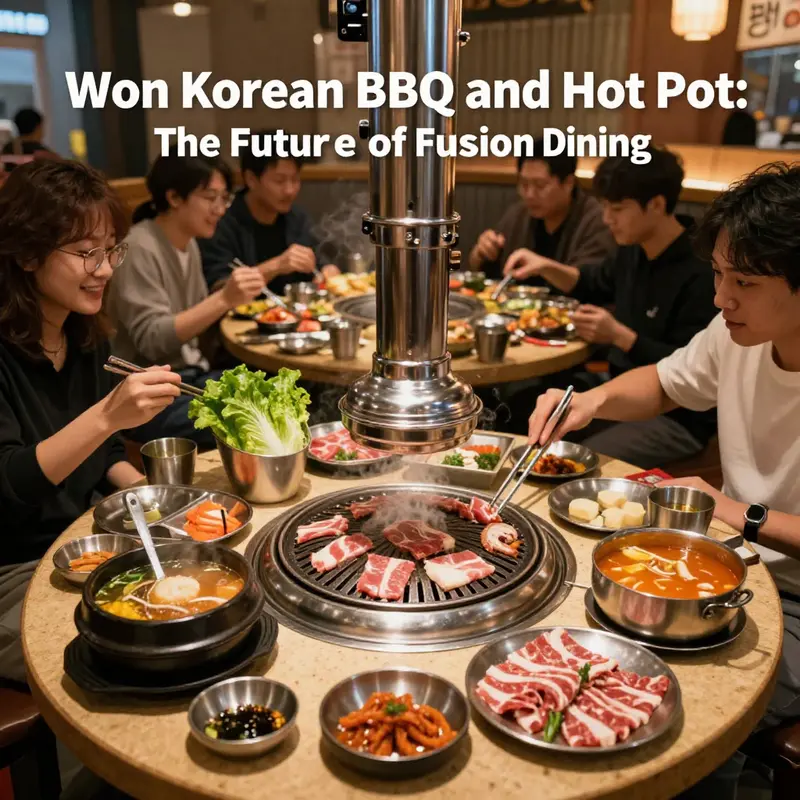
There is a particular pleasure in watching a meal change as you eat it. When tabletop grilling and communal simmering meet, that pleasure deepens. The dual ritual of Korean-style barbecue and hot pot folds two kinds of interaction together. One invites the ceremonial sizzle of marinated meat on a grill. The other asks you to stir, ladle, and share from a pot of simmering broth. Together they create a dining model that is equal parts theater and fellowship. It is tactile, social, and highly customizable.
This hybrid dining concept centers on participation. Each diner becomes a cook, a taster, and a curator of the table’s flavor. Plates of thinly sliced beef, marinated pork, and delicate seafood arrive raw and bright. Fresh vegetables and assorted noodles follow, along with dipping sauces and condiment stations. On the tabletop, a grill and a pot sit side by side. The grill delivers immediate transformation: raw fiber to caramelized crust in minutes. The pot offers a longer arc, coaxing flavor from bones, shells, and spices. The contrast is satisfying. You sear for texture and simmer for depth, sampling both in a single bite.
Ingredient quality matters here more than in many casual meals. Thin slices of ribeye or short rib must be well-marbled and cut for rapid grilling. Seafood—shrimp, squid, shellfish—benefits from freshness and gentle cooking. Vegetables act as both foil and companion, adding bright crunch to fatty meat, and soaking up broths with starches like rice cakes and noodles. Broths themselves become a signature element. From clear seaweed and anchovy-based stocks to boldly spiced, mala-style broths, each pot sets the table’s tone. Choosing one broth or two, mild or fiery, lets a group tailor the experience to varied tastes.
The menu structure reflects this flexibility. Most places present a broad selection of proteins, from marinated classics to simple, high-quality cuts. Seafood and vegetarian options broaden accessibility. A la carte choices coexist with combo platters and all-you-can-eat formats. Many diners enjoy the buffet-style freedom of unlimited options. Others prefer curated tasting experiences, picking premium items by the plate. Condiments and side dishes matter here. Crisp kimchi, savory pickled vegetables, and a well-balanced sesame-soy dipping sauce can elevate a simple piece of grilled pork into a memorable bite.
Service plays a distinctive role in the hybrid model. Staff guide novices through the mechanics of grilling and simmering. Some restaurants supply tongs, scissors, and recommended cook times. Others provide digital menus and self-serve ordering through tablets at the table, streamlining the process. Attentive teams clear spent plates and refill broths when needed. The presence of an open kitchen or visible preparation area can add theatricality, demonstrating that the dining experience is both collaborative and curated. In this setting, service becomes choreography: helping small acts of cookery feel effortless and communal.
Atmosphere often balances modernity with warmth. Interiors favor long tables and booths that accommodate groups. Lighting is practical and inviting. Sound levels tend to reflect the energy of the room. A lively dining floor hums with conversation and the cadence of sizzling meat. Spacious layouts allow for comfortable movement and avoid the cramped feeling of some competitive barbecue venues. The result is a space that fits celebrations, weekday dinners, and casual gatherings. It invites lingered meals and encourages the kind of slow conversation that pairs well with a pot that keeps gently bubbling.
Beyond the immediate pleasures of taste and ritual, the fusion of grill and pot appeals to practical diners. A shared table reduces decision stress, letting groups order a range of items to suit varied appetites. The model scales well for different party sizes—from couples wanting a modest spread to large groups seeking a festive banquet. Portioning is flexible: small plates for sampling, larger platters for communal cooking. For families, the interactive nature helps engage younger diners. For friends, the experience becomes an event. Even business lunches can take on a relaxed, team-building quality when colleagues grill and stir together.
Regional variations and local touches make each location distinct. Some kitchens emphasize bold, spicy broths inspired by regional Chinese or Sichuan flavors. Others lean into classic Korean stocks and marinades. Side dishes vary by chef, yielding different balances of acidity, pungency, and texture. The interplay of local produce and seafood availability can alter menus seasonally. These differences mean the same basic format offers new discoveries at every city and every meal. Anglophone diners often find this variety a major draw, discovering new ingredients and combinations with each visit.
Value perception is another reason the concept resonates. Many patrons praise the generous portions and the sense of abundance that comes with communal platters and refillable broths. All-you-can-eat options can amplify that feeling, making the restaurant a natural choice for hearty appetites. Yet even those on tighter budgets can find satisfaction by ordering small, high-quality items and sharing. This flexibility helps the format thrive across diverse customer bases, from families to late-night crowds to celebratory parties.
Safety and comfort are treated with care in well-run establishments. Proper ventilation and extraction systems keep smoke manageable. Clean table surfaces and clear instructions for safe handling of raw proteins reduce risk. Staff are trained to monitor grills and pots when necessary. For diners new to tabletop cooking, simple guidance goes a long way: recommended cook times, temperature cues, and suggestions for layering flavors prevent common mistakes. These practical supports ensure the experience feels empowering rather than intimidating.
The hybrid model also lends itself to experimentation. Diners can match broths with grilled items in unconventional ways. A lightly grilled scallop dipped in a deeply spiced broth makes an unexpected but memorable bite. Leftover grilled meat can be simmered briefly in the pot to absorb its aromatics. Noodles added at the meal’s end turn concentrated broth into a satisfying finale. These small experiments reward curiosity and make each outing a personal exploration of flavor.
As the format expands, so do service innovations. Digital ordering, modular menu bundles, and refined ingredient sourcing are common improvements. Some locations highlight single-origin cuts or seasonal seafood. Others refine broth bases to create house signatures that return customers seek out. These refinements help the casual theater of tabletop dining feel thoughtfully crafted and even culinary-driven.
For anyone who values interaction, variety, and the warmth of sharing a table, the combination of Korean-style barbecue and hot pot offers a compelling draw. It is more than a meal format; it is a social ritual updated for modern dining. Whether you favor the immediacy of a perfectly seared bite, the slow comfort of a simmered broth, or the joy of mixing both, the shared table invites participation, discovery, and conversation.
For a practical reference and recent guest reviews that capture the range of experiences at one prominent location, consult this TripAdvisor review page: https://www.tripadvisor.com/RestaurantReview-g147398-d1533973-Reviews-KPOTKoreanBBQHotPot-BrooklynNew_York.html. To explore similar all-you-can-eat formats and ideas for planning a mixed barbecue and hot pot meal, see this guide to all-you-can-eat Korean BBQ and hot pot.
all-you-can-eat-korean-bbq-and-hot-pot
Where the Grill Meets the Broth: The Rising Allure of Korean BBQ and Hot Pot Hybrids
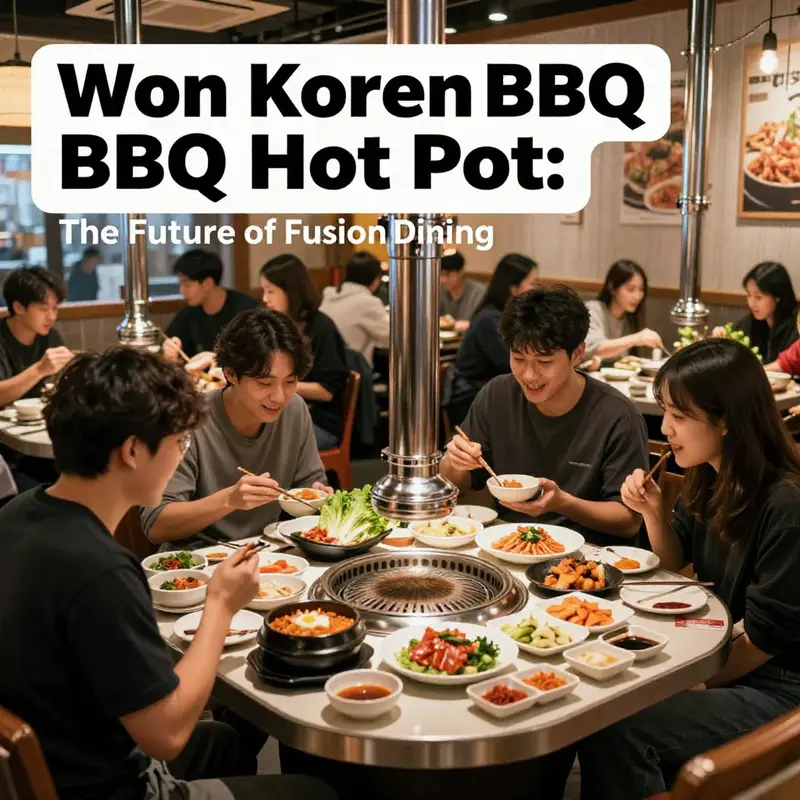
The dining landscape has grown restless for experiences that invite participation, conversation, and a shared sense of discovery. In recent years, a hybrid format that threads together the drama of Korean barbecue with the comfort of hot pot has risen to meet that demand. This is not merely a trend in a single city or a moment captured on social feeds; it is part of a broader shift toward interactive dining, where the table becomes a stage and the meal a collaborative performance. Guests gather around a single, dynamic experience that blends two beloved culinary traditions into one continuous conversation. The appeal rests less in the individual flavors than in the ritual of creation—the sizzle of meat hitting a hot grate, the gentle boil of a simmering broth, the chance to curate a plate by choice, and the shared improvisation that unfolds as everyone samples, compares, and negotiates between morsels and broths. In this sense, hybrid Korean barbecue and hot pot concepts are less about fusion and more about a social method of dining, a way to translate appetite into shared memory.
At the heart of the experience is the flexibility it offers. A typical evening invites diners to select premium proteins from a grill at the center of the table while simultaneously stocking a bubbling pot with a carefully chosen broth and a varied cast of ingredients. The two modalities complement each other: the grill delivers that caramelized, smoky depth that makes beef, pork, or seafood feel special, while the pot offers gentle, coaxing heat to tenderize, braid textures, and coax out the sweetness of vegetables, tofu, and seafood. The result is a meal that feels both celebratory and communal. Diners can plate a ribeye at the table, dip shreds of marbled meat into a fragrant sauce, and then switch gears to simmer slices of mushroom, delicate greens, or noodles in a communal broth. This rhythm—grill, simmer, taste, adjust—creates a loop of flavor that is kinetic, social, and deeply satisfying. The atmosphere that accompanies this rhythm is equally important. The space tends to be casual yet energetic, designed to accommodate groups celebrating birthdays, reunions, or simple weekend get-togethers. The environment supports relaxed pacing, generous sampling, and easy mingling, which in turn reinforces the social dimension of dining as a shared endeavor rather than a sequence of individual orders. The result is a setting that encourages lingered conversations, photo moments, and the kind of spontaneous toasts that mark a meal as a memory rather than merely a meal.
From a value perspective, the all-you-can-eat approach that characterizes many of these venues plays a central role in their appeal. The model typically centers on a fixed dinner price that unlocks access to a broad menu of proteins, vegetables, seafood, and broths, with the option to add layers of experience for a modest surcharge. In practice, diners pay one price for the AYCE experience and may face a small supplementary fee if they decide to engage fully with both core formats—the grill and the hot pot—throughout their visit. This pricing structure speaks to a broader market logic: it rewards generosity of appetite while maintaining a predictable cap on spending, making the meal feel substantial without becoming financially unbounded. Guests can appreciate the balance between breadth and depth—ample protein and produce, a diverse array of dipping sauces and seasonings, and an assortment of broths that can shift the tone of a single dish from comforting to exhilarating. And for many, the value is not just about calories; it is about choices offered, the ability to customize a plate to one’s taste, and the freedom to explore new textures without paying a premium for every single item.
A key driver of popularity is the social dimension that folds so naturally into this format. Sharing a grill and a pot transforms dining into an interactive event, a kind of culinary theater that invites spectators to become co-creators. Friends and family gather, negotiate pace, and cheer each other on as they chase the perfect sear or the most harmonious bite with broth. The table becomes a playground of texture and temperature, where the act of cooking becomes an activity everyone participates in rather than something performed by the kitchen alone. This sociality is reinforced by the presentation of the food itself: vibrant platters of marbled beef, glossy slices of pork belly, plump shrimp, and a rainbow of fresh vegetables sit alongside an array of sauces, pastes, and citrusy dips. The variety invites experimentation, from the crisp edge of a grilled slice to the silkiness of a long, slow-simmered noodle. It is a setting that rewards curiosity as much as appetite, inviting guests to switch between roles—cooker, taster, sauce-maker, and storyteller—throughout the course of the evening. The social value extends beyond the table. The concept naturally lends itself to photos, check-ins, and the kind of moments that people want to capture and share, further fueling its viral appeal in a media-rich culture.
The consumer response to this format has been shaped by a combination of menu design, pacing, and accessible price points. The menu typically showcases a broad, customizable selection that can be tailored to different appetites and dietary preferences. The AYCE structure means that guests can experiment with different combinations—pairing a lean cut with a strong-mum broth, or testing a spicy spicy-spicy broth with delicate greens to balance the heat. The freedom to tailor the experience is often what converts curious first-timers into repeat visitors. It is not only about quantity but the joy of curation: choosing what to cook, when to cook it, and how to orchestrate the flavors that emerge from the mingling of textures and temperatures. The flexibility extends to the pacing of the meal. Off-peak hours often present a more relaxed atmosphere, with quicker service and roomier tables, which in turn makes the experience more comfortable for families with children or larger groups. This ease of access helps sustain continued interest in off-peak periods, turning what could be a crowded dining hour into a welcoming, unrushed evening.
Beyond consumer sentiment, there are important signals from the industry that bolster the case for hybrid Korean BBQ and hot pot concepts. A broader trend in restaurant design and equipment demonstrates rising demand for specialized tables that can support both grilling and boiling in close proximity. In markets across North America, Europe, and Southeast Asia, operators are seeking durable, efficient solutions that facilitate quick heat responses and straightforward maintenance. These tables, often designed to balance weight, stability, and mobility, enable the rapid transitions between grilling and simmering that define the experience. The scalability of such setups is also notable: the same basic layout can be adapted to different space sizes, menus, and service models, making it easier for operators to expand or reconfigure rooms in response to demand. This logistical support—coupled with a focus on quality ingredients and thoughtfully designed sauces and broths—helps explain why the hybrid format has found traction in diverse dining cultures. It is not merely a culinary invention; it is a pragmatic response to how people want to eat together in a world that prizes immediacy, choice, and social connection.
For readers who want to trace the consumer journey in practical terms, the pattern often starts with the draw of variety and ends with the satisfaction of a well-timed, well-executed meal that feels both generous and personalized. Many guests discover this type of dining through word of mouth or social media, where tasting notes and plate photos illuminate the potential of a single evening to deliver multiple flavors, textures, and sensations. The experience invites experimentation: a bite of seared meat followed by a sip of a vivid, peppery broth; the freshness of greens dipped into a tangy sauce; a final bite of fruit to cleanse the palate after a long, savory course. The result is a sequence that feels balanced and complete, leaving a sense of fulfillment rather than heaviness. As families, friends, and colleagues share these meals, the concept becomes less about a single plate and more about the memory being created around the table—the conversations sparked by the act of cooking together and the mutual satisfaction of communal eating.
For those seeking a concrete path to explore the format further, the following resource analyzes the all-you-can-eat iteration in greater depth and offers practical insights into menu design, pricing, and flow. All-You-Can-Eat Korean BBQ and Hot Pot (https://kogikoreanbbq.net/all-you-can-eat-korean-bbq-and-hot-pot/) serves as a helpful touchstone for readers who want to understand how different components come together to form a cohesive, value-driven experience. This internal reference provides a sense of how operators balance breadth with depth, and how guests interpret the pacing and value proposition of the modular dining approach. While the specific name of the venue may vary by market, the underlying principles—flexibility, interactivity, and social dining—resonate across regions and cultural contexts, underscoring why hybrid Korean BBQ and hot pot concepts continue to attract attention from diners and industry professionals alike. The rise of these spaces also prompts a broader reflection on dining as a collaborative activity, where food becomes a catalyst for connection rather than a solitary indulgence, a trend that will likely shape consumer expectations for years to come. External resources that capture the consumer voice in this space provide additional color to the picture, illustrating how the dining public perceives value, taste, and the comfort of shared meals. External reference: https://www.yelp.com/biz/won-korean-bbq-hot-pot
Final thoughts
As the appetite for unique and interactive dining experiences continues to grow, the model of Korean BBQ and hot pot dining emerges not just as a culinary trend but as a viable business opportunity for restaurateurs. By understanding the operational, marketing, and service aspects exemplified by successful establishments like KPOT, business owners can better position themselves within this flourishing segment of the restaurant industry. In addition, discerning market trends and customer preferences will ensure that such businesses not only attract patrons but also foster a loyal customer base, leading to long-term success.