
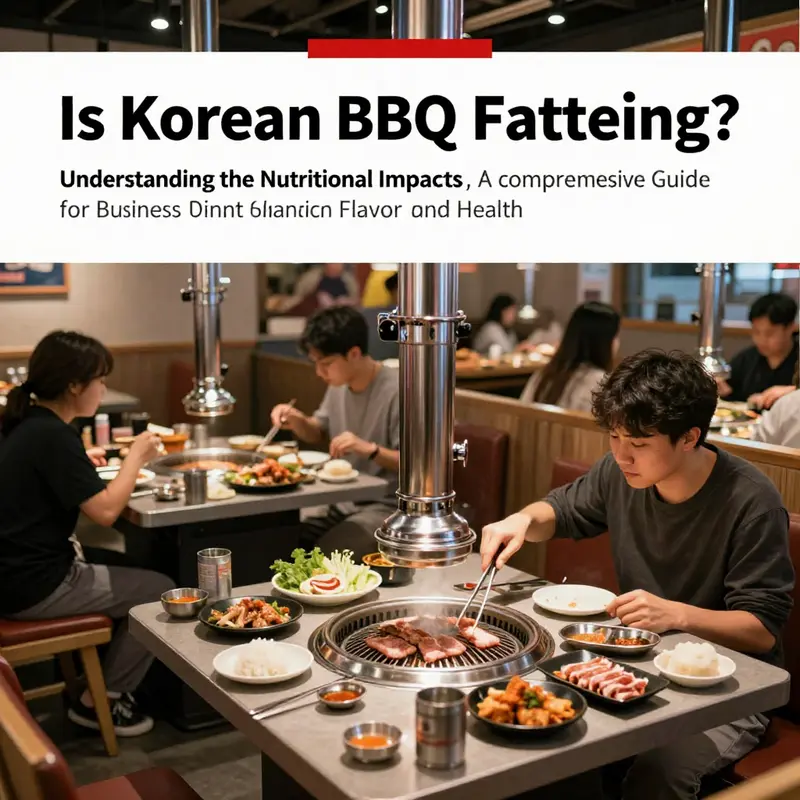
As Korean BBQ continues to soar in popularity, many business owners may wonder about its nutritional implications. Is it fattening? This question deserves a rigorous examination. This article delves into the nutritional composition of Korean BBQ, scrutinizes the role of marinades and sauces, and emphasizes the importance of portion control. By understanding these three chapters, you can make informed decisions that satisfy your customers’ cravings without compromising their health.
Sizzle with Purpose: Navigating Fat and Flavor in Korean BBQ
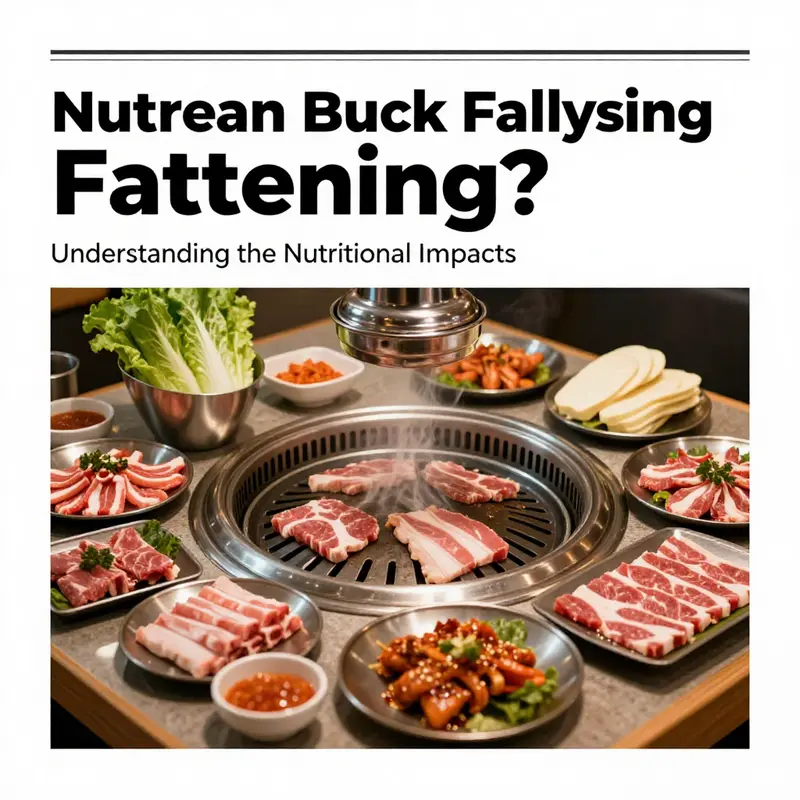
Korean barbecue is a social ritual as much as a meal. The table becomes a stage where meat meets flame, people trade bites and banter, and sauces and side dishes orbit around a shared plate. That dynamic often fuels the question at the heart of this chapter: is Korean BBQ fattening? The short answer is nuanced. Like many cuisines built around richly marinated proteins and a variety of accompaniments, Korean BBQ can be calorie-dense if consumed without attention. Yet the framework of the meal itself—protein-forward choices, deliberate portioning, and a generous embrace of vegetables—offers real potential to fit within a balanced diet. Understanding where the calories come from helps translate appetite-friendly dining into a sustainable habit rather than a recurring afterthought.\n\nThe backbone of any meal is the protein, and in Korean BBQ that backbone is the marinated meat that diners grill at the table. In a typical serving size—about three ounces, roughly 85 grams—the energy contribution can be modest, with around 120 calories recorded in some analyses. What makes that number meaningful is its macronutrient balance: a little over half of those calories come from protein, roughly one-third from carbohydrates, and the remainder from fat. This pattern underscores a key point: Korean BBQ can be protein-rich and relatively light on fat when you choose lean cuts and manage portions. It’s not the concept of grilling meat that sinks a diet; it’s what happens around the grill—the sauces, the sides, and the rhythm of eating—that can tilt the scale.\n\nMarinades and sauces, though, are a double-edged sword. They are the lifeblood of flavor, delivering sweet, salty, and nutty notes that define the dining experience. Yet many marinades rely on sugar, soy sauce, sesame oil, and a constellation of other ingredients that add calories and sodium. A dish can taste irresistibly savory, yet its caloric footprint climbs when those sauces cling to every slice and linger on the palate. In practice, this means the same meat available in a lean, simply seasoned form may double in calories if slathered with a heavy glaze. The takeaway is not to shy away from flavor, but to be mindful of the sauce’s composition—choosing portions of lean meat paired with lighter marinades or even making a homemade version with controlled sugar and salt. The difference can be substantial over the course of a week of meals.\n\nSide dishes expand the conversation beyond the grill. Kimchi and other pickled vegetables bring beneficial probiotics, crunch, and flavor contrast, yet portions matter. Rice, a common accompaniment, can add a noticeable dose of carbohydrates and calories, especially when served in generous portions or when it becomes the anchor of the plate rather than a small supporting role. Sodium is another factor to monitor; many traditional sides contribute to the meal’s overall salt load, which can affect thirst, water retention, and appetite. Taken together, the sides can either harmonize with a lean main or, when overused, turn a dinner into a higher-calorie event than intended. The art of a healthy Korean BBQ meal lies in balancing these elements so that flavor comes from the meat’s structure and the vegetables’ bright acidity, not solely from added sugars and starch.\n\nMindful eating is the practical bridge between enjoyment and nutrition. It starts with lean cuts, such as sirloin or chicken breast, which provide high-quality protein with less saturated fat. Portion control anchors the approach; it’s easy to underestimate how many bites accumulate when meat keeps coming back to the grill. A helpful rule is to think in smaller portions and to alternate meat with vegetables, mushrooms, and leafy greens that can be grilled or consumed raw as a refreshing contrast. When considering marinades, opting for lower-sodium and lower-sugar versions—or making them at home—empowers better control over calories without sacrificing taste. The palate rewards restraint with a more complex balance of sweet, sour, and savory notes rather than a single sugary punch. And embracing vegetables is not just about health; it refreshes the texture and pace of the meal, a feature especially valuable in a dining style designed for extended social time rather than rapid consumption.\n\nThe social tempo of Korean BBQ itself can be an ally or a challenge. The act of cooking at the table slows down the meal, inviting pacing and conversation that naturally curbs overeating. Sharing dishes and offering a mix of lighter and heavier items creates a natural balance. Visual cues—seeing the plate empty and the grill busy—often encourage taking smaller portions at a time and savoring each bite. In practice, diners who lean into this rhythm frequently end up eating less in a single sitting but feel equally satisfied. If a table includes people with a strong penchant for certain rich marinades or heavy fried sides, it can tilt the overall energy intake. Awareness of this dynamic helps the group maintain a diet-friendly pace without stifling the communal joy of the experience.\n\nThere is also a regional and menu-context dimension to consider. Restaurants and casual dining spots vary widely in how they present Korean BBQ. Some focus on a broad array of marinated meats and sides, while others lean into all-you-can-eat formats that can tempt excess. In this broader landscape, a conscious approach—planning ahead, choosing lean proteins, sharing plates, and filling the plate with vegetables—helps ensure that the meal remains a source of nourishment and pleasure rather than a default path to surplus calories. For readers who want a tangible sense of how a single restaurant can shape the experience, a regional snapshot of options and menus can be insightful. Explore a nearby example like this: Korean BBQ Chambersburg. It offers a sense of how the dining format can be tailored to balance flavor with portion control, highlighting the practical choices that translate the theory of a healthy meal into real-world dining.\n\nIf you step back and look at the bigger picture, Korean BBQ does not inherently fatten a person. It becomes fattening only when energy intake consistently outstrips energy expenditure, or when meals lean heavily on sugary sauces and calorie-dense sides without adequate vegetables. The nutrition picture is not a verdict against the cuisine but a guide to making it work within a balanced diet. The science behind this, including detailed nutritional analyses and practical recommendations, supports the idea that you can savor the cuisine while maintaining a calorie budget. It’s about choosing lean proteins, mindful marinades, generous vegetable portions, and strategic use of rice or noodles. It’s about the pace of eating and the social context as much as the plate’s contents.\n\nFor readers seeking a more formal nutritional lens, sources like the Harvard Health Publishing nutrition analysis provide a structured examination of Korean BBQ and offer insights into healthier choices while enjoying the cuisine. The key takeaway is not just about counting calories but about cultivating a dining approach that centers flavor, balance, and mindful portions. In this light, Korean BBQ becomes a flexible, culturally rich option rather than a dietary obstacle. The sizzle on the grill can signal opportunity—an invitation to savor protein, celebrate vegetables, and speak with intention about how much and how often to eat. With that mindset, the meal becomes less about fear of fat and more about stewardship of appetite and health.\n\nExternal reading: Harvard Health Publishing, Korean BBQ nutritional analysis, offers a detailed perspective on how to navigate flavors and portions for healthier enjoyment: https://www.health.harvard.edu/blog/korean-bbq-nutritional-analysis-202310192867
Sauces as the Slow-Burn Fattening Factor: How Marinades Elevate the Calorie Footprint of Korean BBQ

Marinades and sauces are not mere garnish on a Korean BBQ plate; they are the quiet architect of its energy profile. They carry a flavor punch that makes lean cuts feel indulgent, and they do so largely through an intimate blend of sugars, fats, and sodium. The signature boldness of the dish comes not only from the meat itself but from the way it is bathed, brushed, and caramelized in a sauce that seeps into every fiber. When you pull a bite, you’re tasting a coalition: a protein that supplies the bulk of the calories, and a sauce matrix that can add a substantial amount of energy density with every splash and each glossy crust that forms on the grill.
At the heart of most Korean BBQ marinades and sauces are a handful of building blocks that work in concert to tenderize, glaze, and intensify flavor. Soy sauce, or ganjang, contributes salt and savoriness, heightening the perception of fullness and making even modest portions feel satisfying. Gochujang, a fermented red chili paste, contributes heat, acidity, and a faint sweetness that lingers on the palate. Garlic provides aroma and depth, while sesame oil delivers a nutty richness that coats the tongue and amplifies perception of juiciness. Sweeteners—honey, brown sugar, or maltose syrup—are the secret weapon that turns a savory glaze into a candy-like crust that clings to the meat during grilling. Fruit purees, such as pear or apple juice, introduce enzymatic action that helps tenderize meat and creates a glossy exterior when the surface cooks at high heat. All of these elements are a recipe for flavor, but they also add calories and fat in ways that diners may not notice at the moment of plating.
The caloric math behind these sauces is straightforward but often overlooked. Sesame oil, even in small amounts, is calorie-dense. A tablespoon of sesame oil can bring roughly 80 to 90 calories, mostly from fat, though those fats include healthy poly- and monounsaturated fats that many consider part of a balanced diet when used in moderation. Sweeteners contribute carbohydrates and calories that are “empty” in the sense that they deliver energy without essential nutrients; they also raise the energy density of the sauce and, by extension, the marinated meat. Soy sauce and gochujang, while not fat themselves, add substantial sodium. Sodium can influence water retention and bloating, and in turn affect how heavy a meal feels long after the plate has been emptied. This is not to say that sodium causes fat gain directly, but it can influence the body’s short-term perception of heaviness and fullness, which in turn can sway appetite and portion decisions.
The absorption of these components into meat during marination magnifies the overall caloric load. Enzymes present in fruit purées begin to break down muscle fibers, tenderizing the cut, while sugars and oils penetrate the surface. When the meat hits the grill, sugars caramelize and fats render, creating a crust that seals in moisture and adds a concentrated flavor. The texture that emerges from this process is a key part of the experience: that glossy, slightly sticky surface that carries flavor deep into the meat and, with it, some of the sauce’s calories. This isn’t inherently bad—protein remains a strong ally for satiety, and a well-balanced plate can include vegetables and lean cuts. Yet the same coating that makes the dish crave-worthy can quietly lift the energy density of a serving if the marinade is rich, and portions are large.
In practice, the dining ritual around Korean BBQ amplifies this effect. Diners grill their own meat, often brushing on extra sauce as they cook, which compounds the calorie and fat load. The experience is interactive and communal, which can promote generous use of condiments like ssamjang—a thick, spicy paste that blends gochujang with sesame paste and other oils. Even without explicitly fatty ingredients, this asset of the meal becomes a multiplier: more sauce equals more calories, and more crust equals more caramelized sugars that cling to the surface. The challenge then is not whether sauces can be delicious, but how to balance their role with the rest of the meal so that they enhance healthfulness rather than undermine it.
From a broader nutrition perspective, it’s helpful to view marinades and sauces as a double-edged sword. They open receptors of flavor and increase satisfaction with smaller portions of lean meat, but they can also create a sense of indulgence that encourages eating beyond hunger. A lean cut, marinated and grilled with restraint, can deliver high protein with relatively modest fat and carbohydrate content. For example, a modest portion of lean beef or chicken breast, when complemented by vegetables and minimal sugary sauces, can fit into a balanced pattern. The danger lies in two directions: choosing fattier cuts and accepting heavy sauces as a given, and then letting the social and sensory cues drive overconsumption. In other words, fat gain is less about the meat’s biology and more about the eating behavior the dish invites.
That behavioral dynamic is where a simple set of strategies can make a meaningful difference. Opting for leaner cuts and trimming visible fat reduces the baseline fat content. Lightly brushing sauces rather than dunking meat can curb added calories while preserving flavor. Emphasizing vegetables and salads as the primary accompaniment introduces high-volume, low-energy-dense foods that help with fullness without tipping the energy balance. When sauces are used, favor those with lower sugar density and moderate sesame oil content, and be mindful of portion size. It’s not about banning flavor; it’s about moderating how much of it you invite onto each bite. For diners curious about how to translate these ideas into a local kitchen or dining room experience, a nearby establishment’s menu like https://kogikoreanbbq.net/korean-bbq-chambersburg/ can offer a practical reference point for how sauces are integrated into a balanced plate and how choices around sides and preparation influence the overall meal profile.
Ultimately, the question of whether Korean BBQ is fattening hinges less on a single element and more on the whole plate—the ingredients, the cooking method, and, crucially, the eater’s portion decisions. Marinades and sauces undeniably raise the energy density of the dish, thanks to oils, sugars, and concentrated flavors that linger after the grill goes quiet. But they also provide a powerful tool for enhancing satisfaction and keeping portions in check when used thoughtfully. The aim is not to demonize these flavor catalysts but to understand their role in the caloric equation. By selecting lean proteins, loading up on vegetables, and moderating sugary or oil-rich sauces, a Korean BBQ meal can be both flavorful and compatible with a balanced diet.
External resource: For a deeper breakdown of how sauce ingredients influence flavor and nutrition, see the detailed analysis at https://www.seriouseats.com/korean-bbq-sauce-ingredients. This resource explains how oils, sugars, and sodium adjust energy density and how cooks leverage these components to build crust and aroma without tipping the scale excessively.
Mindful Portions, Balanced Plates: Keeping Korean BBQ Healthy
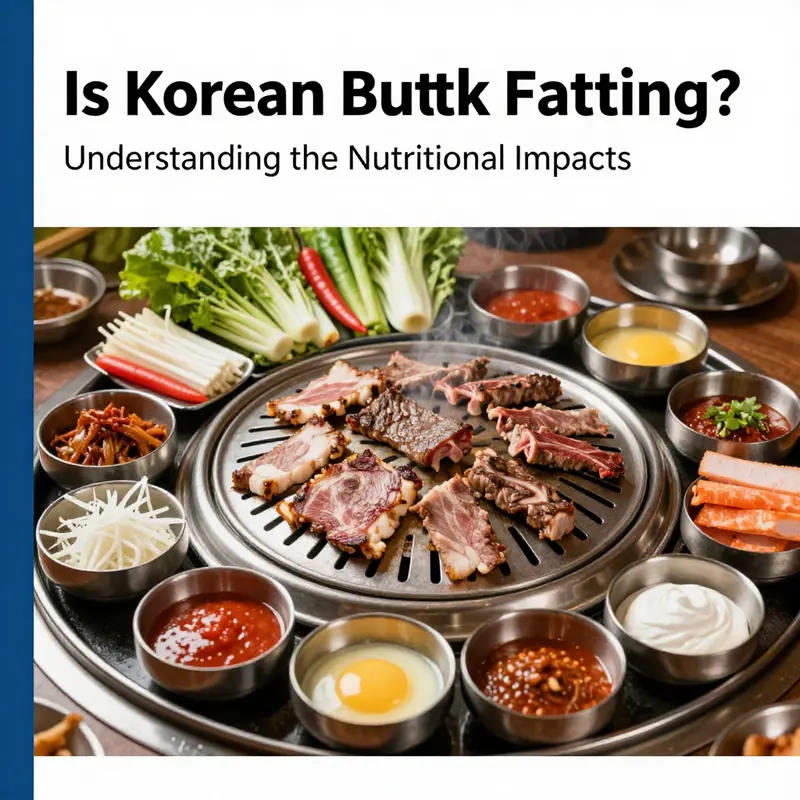
Korean BBQ presents a tempting paradox. The experience centers on grilling meats and layering flavors, yet the most persuasive benefits come from what you choose to eat alongside them. When you prioritize protein and vegetables, the meal can feel substantial without overloading your day with calories. The science behind this balance is straightforward: a lean cut of meat provides high-quality protein with relatively modest fat, and when the plate includes plenty of non-starchy vegetables, it adds volume, fiber, and micronutrients without a heavy calorie punch. This is especially true when you avoid heavy sauces and sugary marinades, which can tilt the energy balance in the wrong direction. In other words, Korean BBQ itself is not inherently fattening; it becomes so only when portions swell, fats accumulate from cooking methods, or carbohydrate-rich sides and sauces pile up on the plate. The practical question becomes how to enjoy the experience while keeping portions reasonable and the overall meal aligned with your body’s needs. This is where portion control and dietary balance play their most important roles, acting as a bridge between savoring a beloved dining style and sustaining a long-term health plan.
To approach Korean BBQ with this mindset, a few core principles can guide decisions at the table. First and foremost, lean proteins deserve a central place. Cuts like sirloin, tenderloin, or chicken breast deliver a satisfying amount of protein with less saturated fat than liver, rib, or belly cuts. While enjoying pork belly or richly marbled beef can be part of a celebratory meal, those choices should be balanced by smaller portions and more vegetables to keep the meal’s energy density in check. The goal is to craft a plate that delivers flavor without tipping the scale. In a practical dining scenario, you might order a modest portion of a lean meat and then fill the rest of the plate with colorful vegetables, mushrooms, and leafy greens that complement the grilled proteins while keeping calories in a healthier range.
A balanced plate approach is another simple, reliable framework. It’s not about hard rules but about proportion and texture. Picture a plate that follows a gentle ratio: half of it should be vegetables—kimchi, lettuce wraps, mushrooms, bean sprouts, and other low-calorie options add bulk and nutrients without piling on calories. A quarter of the plate can be lean protein, which provides essential amino acids for muscle maintenance and satiety. The final quarter can be a wholesome carbohydrate source, such as brown rice or barley, which offers fiber and steady energy rather than quick spikes. This composition helps ensure you’re getting fiber and micronutrients, which support fullness and metabolic balance, while keeping overall energy intake more controllable. In a social dining setting, this plate model can feel natural rather than rigid, letting you enjoy the communal aspect of Korean BBQ without sacrificing health goals.
Another helpful technique is the wrap method. Using lettuce leaves or perilla leaves to wrap grilled meat and vegetables creates a light but satisfying bite that slows down the pace of eating. Slower eating has a proven effect on fullness cues, often leading to lower overall intake. The wrap also adds texture and freshness, which can reduce the temptation to reach for extra portions of sauce or fried sides. This approach aligns well with the communal, wrap-and-share nature of many Korean BBQ experiences, turning a meal into a sequence of mindful bites rather than a single, untracked binge. It’s a small change with a meaningful impact on how much you end up consuming.
Mindful selection of side dishes—banchan—further reinforces this balance. Many banchan options are lightly seasoned or steamed, offering vitamins, minerals, and fiber without excessive sodium or oil. On the other hand, some sides can be high in sodium and fat, especially fried items and sweetened sauces. Choosing lighter banchan and limiting refined starch staples helps maintain a favorable calorie and nutrient profile. The key is to treat banchan as a complement, not a driver of the meal’s energy load. This is particularly important in restaurants where portions and sauces can be generous; mindful choices here prevent a single meal from becoming a disproportionate source of daily calories.
Cooking methods at home or in certain restaurants can influence fat content as well. Grills that allow fat to drain away from the meat reduce the amount absorbed during cooking, which can make a noticeable difference over time. In particular, electric Korean BBQ grills often feature grease trays and precise temperature control, helping to minimize charring and the formation of potentially harmful compounds associated with overcooking. Temperature control is more than just a safety feature; it shapes the flavor and texture in ways that can help you avoid overcooking meat to the point where you lose moisture and end up with tougher bites. By selecting equipment and cooking practices that favor lean outcomes, you support a meal that feels indulgent without being heavy in fat or calories.
Hydration, too, has a place in this balance. Pairing a Korean BBQ feast with water or unsweetened herbal tea helps maintain hydration and supports a sense of fullness between bites. Sugary beverages, even those that taste refreshing, can add unnecessary calories and quick energy rises that may later translate into greater hunger or later cravings. In this context, choosing beverages that complement the meal rather than compete with it becomes part of the mindful equation. Social dining often involves shared plates and a festive atmosphere, but hydration choices can still be deliberate and supportive of metabolic balance rather than a hidden caloric load.
When these elements come together—lean protein emphasis, a plate that balances vegetables, protein, and whole grains, the wrap technique to slow eating, mindful selection of banchan, thoughtful cooking methods, temperature control, and prudent hydration—the result is a Korean BBQ experience that can align with a balanced dietary pattern. It is not a matter of avoiding the cuisine or counting every calorie in isolation, but of recognizing where calories accumulate and choosing strategies that modulate intake without diminishing enjoyment. This perspective helps transform Korean BBQ from a potential pitfall into a sustainable dining practice.
For readers seeking practical confirmation beyond personal experience, a broader resource highlights how portion control and dietary balance underpin the healthfulness of this cuisine. The guidance emphasizes lean proteins, plant-forward sides, and mindful cooking methods as central to keeping meals within reasonable energy limits while preserving flavor and satisfaction. If you’re curious about specific plate guidelines or want to explore related strategies, you can consider a nearby resource like Korean BBQ near Las Vegas, which can offer locally tailored options that reflect these principles in real-world settings. Korean BBQ near Las Vegas.
As you plan future meals, remember that the core idea is simple: enjoy the grill, but let portion size and choice lead the way. If you steer toward lean proteins, vegetables as the main feature, and whole-grain sides, you’ll find that Korean BBQ can be both satisfying and aligned with health goals. It becomes a pattern you can repeat, not a one-off indulgence that derails progress. And if you’re looking for deeper reading on how to balance portions and dietary composition, a respected external resource provides a thorough exploration of the topic. For a broader dive into portion control and dietary balance within this culinary context, see Healthline’s detailed discussion on the Korean BBQ diet. Healthline: Portion-Control and Dietary Balance.
Final thoughts
Understanding whether Korean BBQ is fattening requires a nuanced approach that considers ingredients, preparation methods, and portion sizes. By selecting healthier cuts of meat, being mindful of marinades, and practicing proper portion control, business owners can promote a balanced dining experience. Ultimately, Korean BBQ can remain a beloved choice that satisfies both the palate and health-conscious diners. As a restaurant owner, embrace these principles to enhance your menu offerings and cater to diverse customer needs.