
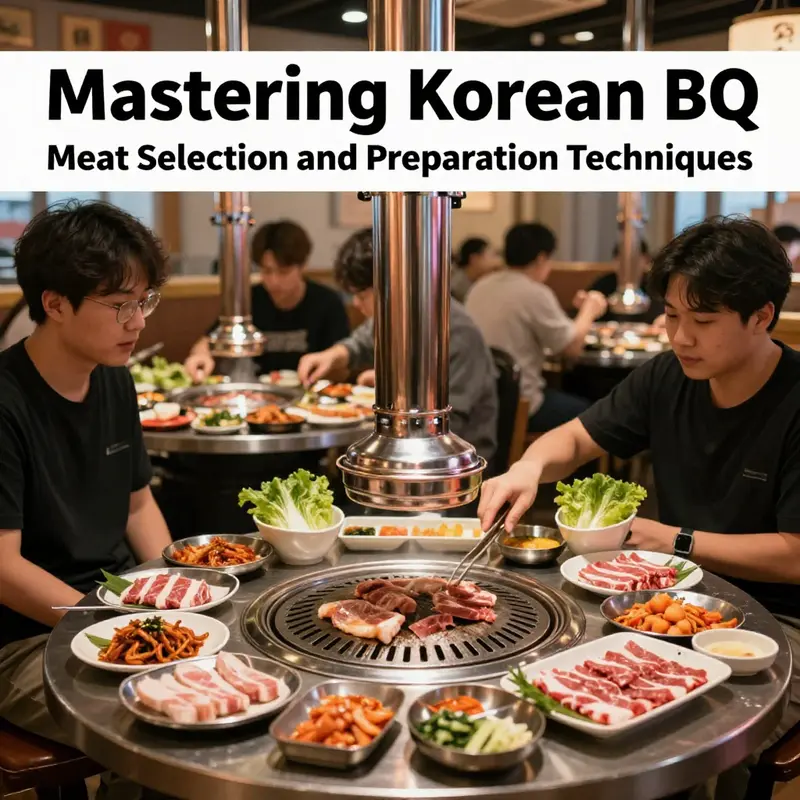
Korean BBQ offers a vibrant and interactive dining experience that captivates food enthusiasts. For business owners looking to tap into the growing popularity of this culinary trend, understanding the nuances of meat selection and ingredient preparation is essential. This guide delves into two pivotal chapters: first, how to choose the right meats that serve as the backbone of a successful Korean BBQ; second, the intricacies of preparing marinades and sauces that elevate the flavors. Mastering these elements will empower you to deliver an unmatched dining experience, attracting customers and enhancing your culinary offerings.
Picking and Preparing Meat for Authentic Korean BBQ: Cuts, Texture, and Techniques
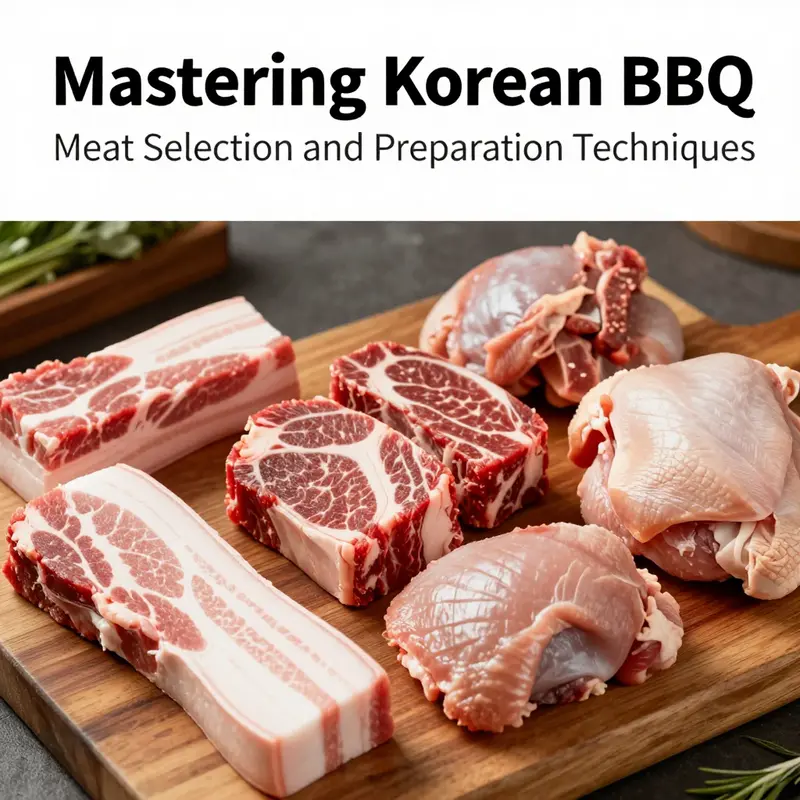
Picking the right meat defines your Korean BBQ. The cut you choose determines texture, fat content, flavor, and how you cook. It also shapes the social rhythm of the meal. Some meats are best unmarinated and grilled quickly at the table. Others benefit from a long soak in sweet, savory marinades. Knowing which cut does what helps you plan, shop, and cook with confidence.
Start with the classics. Samgyeopsal, or pork belly, is the showstopper for many. It has three distinct layers of meat and fat. When sliced about 2–3 mm thick, it sizzles, renders fat, and crisps at the edges. Samgyeopsal is usually served unmarinated. That allows its fatty richness to stand on its own. Grill it over medium heat until the edges brown and the fat is translucent. Cut into bite-sized pieces and serve with ssamjang, garlic, and a leaf. The contrast of hot, fatty meat with cool lettuce is central to the experience.
If you prefer beef, short ribs, known as galbi, are indispensable. Galbi is often cut across the bone in a flanken style, with thin strips that cook quickly. It is usually marinated in a mixture of soy, sugar, garlic, fruit juice, and sesame oil. The sugars caramelize on the grill, creating a glossy, deeply flavored crust. For galbi, marinating for at least four hours is good. Overnight gives the best tenderness and depth. If you are short on time, a quicker 30–60 minute soak still adds flavor while preserving texture.
Bulgogi offers another beef option. Thinly sliced ribeye or sirloin is marinated in a sauce similar to galbi. The thinness allows meat to absorb flavor fast. It also cooks almost instantly on a hot surface. Bulgogi is ideal when you want tender, slightly sweet slices suitable for wraps and rice. Because the pieces are thin, keep your heat high and watch the meat closely. Overcooking removes juiciness.
For a cleaner, leaner beef, choose deungshim, or sirloin. This cut is usually unmarinated. It presents a subtle beef flavor that benefits from a light finishing salt, a dab of sesame oil, or a quick grill to medium rare. Sirloin works well for people who prefer less fat and a more delicate mouthfeel. Slice deungshim against the grain to keep each bite tender.
Beyond these staples, Korean BBQ embraces variety. Chicken thighs with skin deliver juicy, savory bites when grilled slowly. Duck and lamb appear on many menus too, offering unique flavors. When you pick these, think about cooking time and heat control. Thicker, fattier pieces need lower heat and more time. Thin or lean cuts need a hot surface and short exposure.
Shopping tips save time at the grill. Buy meat from a reputable butcher or market with fresh-handling practices. For samgyeopsal and pork, look for bright color and even marbling. Avoid pale or overly dark pork. For beef, inspect marbling depending on your preference. More marbling equals more butter-like flavor. If you can source Hanwoo or a premium local equivalent, expect a richer mouthfeel and quicker melt-in-the-mouth texture.
Portion planning matters for social grilling. Plan roughly 200–300 grams per person for a mixed spread. If you focus on one star cut, like galbi, plan toward the higher end. For all-you-can-eat style nights, adjust accordingly. Keep some extra on hand; table grilling is social. People like to snack and sample repeatedly.
Preparation before the grill makes a real difference. If marinating, use a non-reactive container or resealable bag. Add aromatics like garlic and a sweetener such as pear or apple to help tenderize. Those fruits contain enzymes that break down muscle fibers gently. Avoid over-tenderizing with strong acids for long periods; they can turn meat mushy. For unmarinated cuts, a light scoring across the surface helps render fat and reduce curling. Score skin-on chicken or thick pork lightly so heat penetrates and fat renders evenly.
Cutting technique matters. For samgyeopsal, uniform thickness ensures consistent cooking. For galbi and bulgogi, cut thin and against the grain to maximize tenderness. If you’re making your own galbi-style ribs from bone-in short ribs, ask your butcher to cut them flanken-style for you. If you prefer family-style slices for bulgogi, freeze the meat slightly. Partially frozen meat slices more thinly and cleanly.
Match the cut to the cooking method. Thick samgyeopsal slices do well on cast iron or a tabletop grill that can handle moderate heat. Thin bulgogi and galbi prefer a hot surface and quick sear. For whole chicken or large pieces, consider indirect heat to avoid a burnt exterior and undercooked interior. Always avoid overcrowding the pan or grill. Overcrowding reduces contact and prevents proper searing, which is crucial for flavor.
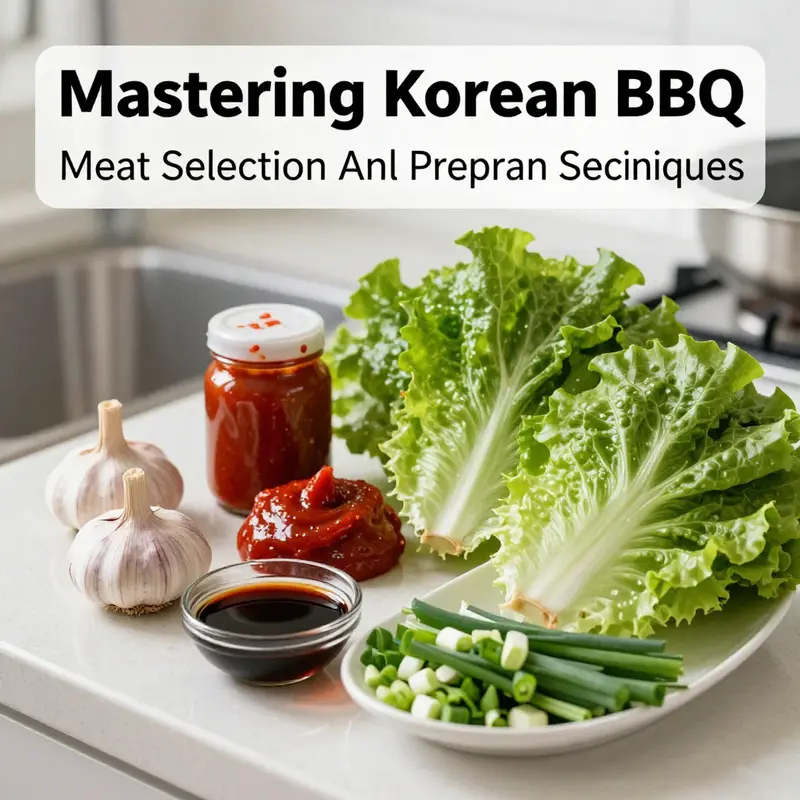
Serve meat with purpose. Korean BBQ centers on balance. Bold, fatty meats call for crisp, acidic banchan like kimchi and pickled radish. Leaner cuts pair well with richer dipping sauces and a bit of oil and salt. Provide fresh leaves for wrapping, sliced garlic, and green peppers. Encourage guests to construct each bite: rice, a piece of meat, a smear of sauce, and a crunchy pickled element. Repetition of this ritual brings variety and keeps flavors vibrant.
Finally, respect food safety and leftovers. Cook pork fully and check chicken with a thermometer when needed. If you use leftover marinade as a sauce, bring it to a boil to kill any raw juices. Store cooked meat in the fridge and reheat gently to preserve texture. Leftover grilled meats make excellent fried rice or quick noodle toppings.
For a deeper visual guide to specific cuts and their roles, this external resource offers a helpful reference: https://www.thrillist.com/food/nation/korean-bbq-meats. Explore further cooking guides and restaurant examples for inspiration, including a local take on bulgogi-style offerings at bul-gogi-korean-bbq.
null
null
Final thoughts
Successfully mastering Korean BBQ hinges on two fundamentals: selecting the right meat and preparing delectable sides and sauces. By prioritizing quality cuts and authentic flavors, businesses can elevate their offerings and ensure an unforgettable experience for patrons. This not only solidifies a loyal customer base but also enhances your establishment’s reputation for exceptional cuisine. Investing in these foundational elements will give you the tools to stand out in the competitive restaurant landscape.