

Korean BBQ sauce is not just a marinade; it’s a key ingredient that enhances the flavor of grilled meats, making it a staple in culinary traditions around the globe. For business owners in the food industry, mastering the art of crafting authentic Korean BBQ sauce can set your establishment apart, offering your clients an authentic taste experience that supports increased sales and customer loyalty. In the following chapters, we’ll explore the essential ingredients needed to create a robust Korean BBQ sauce, outline the step-by-step method of making it, and provide tips and variations that can be tailored to your unique business needs.
Essential Ingredients and Flavor Building Blocks for Korean BBQ Sauce
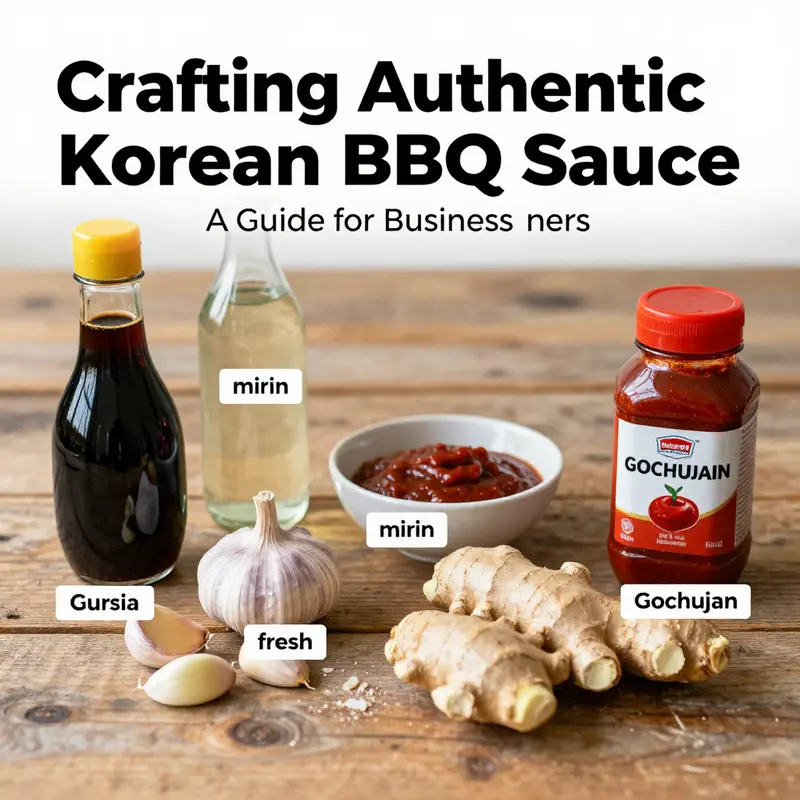
Making authentic Korean BBQ sauce starts with understanding each ingredient’s job. When you know how components interact, you can balance salty, sweet, sour, spicy, and umami with confidence. The list below outlines core elements, what they bring to the sauce, and sensible swaps when pantry or dietary needs demand flexibility.
At the heart of the sauce is gochujang, the fermented red chili paste that anchors flavor. Gochujang provides heat and a deep, savory fermentation character that no single spice can mimic. It supplies umami, a touch of sweetness, and that characteristic reddish hue. Use 1 to 2 tablespoons for a standard batch and adjust to taste. For a milder sauce, reduce the amount and add a pinch of gochugaru for color without overwhelming heat.
Soy sauce is the second backbone ingredient. It lends salt and layered umami. Korean-style soy sauce (ganjang) is ideal for authenticity, but regular soy sauce works in a pinch. For gluten-free diets, tamari is an excellent substitute. A standard starting measure is about 1 cup. If you use a particularly salty soy sauce, reduce the quantity slightly and re-taste before final seasoning.
Sweeteners create the signature savory-sweet profile and help form a sticky, caramelized crust on grilled meat. Brown sugar is common and easy to measure. Honey, rice syrup, or maple syrup can deepen flavor and alter texture. Some recipes call for fruit purees—Asian pear or apple are traditional choices. These provide natural sweetness and enzymatic tenderizing, courtesy of proteases that gently break down muscle fibers. Use about one-third cup of sugar or equivalent, or half a cup of fruit puree if you prefer tenderizing benefits.
Acidity is subtle but essential. A splash of rice vinegar or apple cider vinegar brightens the sauce and prevents it from tasting flat. Two tablespoons is a good starting point. For a nuanced twist, umeboshi plum vinegar can add gentle fruitiness and complexity without overt tartness.
Aromatics transform a collection of pantry items into a unified sauce. Fresh garlic, finely minced or grated, gives sharp pungency and savory lift. Five to seven cloves balance a standard batch well. Fresh ginger adds warmth and a clean counterpoint to garlic; a small knob grated into the mix is enough. Green onions or scallions, thinly sliced, supply freshness and color, and they work especially well if the sauce will double as a marinade.
Mirin or sweet rice wine is optional but valuable. It adds sweetness plus a glossy finish and helps balance salt and heat. If you use mirin, reduce added sugar accordingly. For a hint of fermented soybean complexity, a small spoonful of doenjang can deepen umami, but use it sparingly to avoid overshadowing gochujang.
Sesame elements finish the sauce. Toasted sesame oil, used in small quantity (about 1/3 teaspoon), lends a fragrant, nutty top note. Black sesame oil is sometimes used for aroma; toasted sesame oil is more common. Toasted sesame seeds add texture and visual appeal when sprinkled on the finished sauce.
Adjusting heat and color often involves gochugaru or chili powder. Gochugaru provides a bright red color and pleasant heat without bitterness. If you prefer a smoky touch, a mild smoked chili powder works, but avoid overpowering the fermented flavors.
Beyond these essentials, a few optional add-ins help you tailor the sauce. Coffee or a pinch of unsweetened cocoa can add surprising depth in fusion-style variations. A spoonful of fruit preserves smoothes texture and enriches flavor. Black pepper is a quiet, flexible seasoning. Use these sparingly; the goal is balance.
Practical proportions ensure a reliable base. For a standard batch try: 1 cup soy sauce, 2/3 cup mirin, 1/3 cup sugar, 2 tablespoons vinegar, 1–2 tablespoons gochujang, 7 cloves garlic, a small knob of grated ginger, and 1/3 teaspoon toasted sesame oil. Simmering these ingredients briefly will meld flavors and thicken the mixture into a glossy sauce ready for marinating, glazing, or dipping.
Substitutions and dietary notes matter for everyday cooking. For vegetarians and vegans, confirm that your gochujang contains no animal-derived sweeteners. Use tamari for gluten-free needs and maple syrup or rice syrup instead of honey. If you skip cooking the sauce, blend the ingredients well and rest the mixture so flavors marry. Cooking deepens and concentrates flavor, but raw versions are bright and fast.
Finally, think of the ingredients as a toolkit rather than a rigid recipe. The fermented complexity of gochujang and soy sauce, the sweet-tang counterpoint from sugar and vinegar, and the aromatic lift from garlic, ginger, and sesame oil are the pillars. When you understand each pillar, you can modify spice, sweetness, acidity, and umami to suit cuts of meat, grilling conditions, and personal taste. For an example of authentic pairings and regional uses, see a practical take on bul-gogi preparations at https://kogikoreanbbq.net/bul-gogi-korean-bbq/.
For a tested, step-by-step formulation that includes cooking tips and exact measurements, a trusted external guide is available from Bon Appétit: https://www.bonappetit.com/recipe/korean-bbq-sauce.
null

null
Flavor Harmony and Regional Variations: Mastering Korean BBQ Sauce at Home

The sauce that accompanies Korean barbecue is more than a mixture of sweet, salty, and spicy. It is a living map of flavor harmony, a balance of elements that, when tuned, makes the meat sing on the grill. In Korean cooking, this balance is often described as matsui, a concept that invites each component to contribute without any single note overpowering the others. A well-made sauce should taste complete in itself, yet sharpen the appetite for the next bite of charred meat. When you work with the components—savory soy, gentle sweetness, bright acidity, warmth from garlic and ginger, and the kiss of heat from gochujang—the overall result becomes greater than the sum of its parts. Start from a precise base, then learn to tune it with confidence as you grill. The following approach borrows from established ratios, but it is designed to be flexible, forgiving, and deeply flavorful for home cooks exploring Korean barbecue.
Begin with a solid base that carries both sweetness and salt. A standard batch might use 235g of soy sauce for the salty backbone, 160g of mirin to introduce a honeyed sweetness and depth, and 65g of sugar to level the salt and lift the glaze with a caramel sheen. A modest 25g of white or apple cider vinegar adds bright tang that keeps richness from leaning heavy. Mince seven cloves of garlic and grate a small knob (about 5g) of fresh ginger to provide aromatic bite that wakes up as the sauce simmers. The signature heat and color come from gochujang, typically 1–2 tablespoons, which contributes fermented warmth and a dusky red tone. A whisper of black sesame oil—about 1/3 teaspoon—adds a nutty aroma that rounds the edge of sweetness and heat. If you like, a pinch of black pepper or a few sesame seeds can finish with extra nuance and texture.
The preparation is simple but worth savoring as a small ritual. In a medium saucepan, combine the base ingredients: soy sauce, mirin, sugar, vinegar, garlic, ginger, and gochujang or a chili powder alternative. Stir until the sugar dissolves fully, which ensures a glossy finish rather than a dull, sugary glaze. Bring the mixture to a gentle boil, then reduce to a simmer. Let it cook slowly for about ten minutes, stirring every so often. The goal is a sauce that thickens just enough to coat a spoon and cling to meat without tearing it off the grill. When the aroma turns deeply savory and the color deepens, it has melded into a cohesive glaze. Remove it from heat and cool completely before transferring to an airtight jar. In the fridge, it will keep for up to three months.
Tasting before storage is crucial. Many home cooks discover that a slight adjustment makes a world of difference: a touch more sugar for a sweeter glaze, extra soy for saltiness, or an extra spoonful of gochujang to boost heat and depth. Fresh garlic and ginger yield brighter flavor than their pre-minced counterparts, and the contrast between raw aromatics and the mellowed glaze after cooking often surprises. If you prefer a quicker route, you can mix all ingredients together without cooking; however, simmering pulls the flavors into a more integrated, syrupy finish that clings to meat with a lacquer-like sheen. A faster, store-bought-sauce-inspired method exists too, but it cannot match the depth you achieve when the ingredients are allowed to meld slowly through heat.
For cooks who want to explore the regional language of Korean barbecue, variations emerge naturally from how the sauce is built and used. Seoul-style sweetness tends to tilt toward more sugar or honey and more pear or apple juice, creating a caramelized glaze that clings to galbi and short ribs with a lush, glossy finish. Busan-style boldness leans into robust garlic and a stronger punch from gochujang or gochugaru, producing a pungent, fiery glaze that shines on pork and fatty cuts. A gochujang-dominant sauce relies on the fermented depth of the paste itself, offering a deep red hue and a slightly sweeter, more complex heat profile that suits dishes where the chili presence should be unmistakable.
If you crave brightness without overwhelming richness, a lighter, citrusy version is ideal. Substituting some pear or apple juice with citrus juice—orange or yuzu, for example—along with a splash of rice vinegar can cut through the richness while keeping the glaze’s balance intact. This approach is particularly appealing when pairing with leaner cuts or when you want a contemporary, vibrant glaze that still nods to tradition. A vegetarian or vegan adaptation is straightforward: replace fish sauce with a dash of tamari or a small amount of mushroom broth for umami, and ensure any bottled soy products are vegan-certified. The core technique remains the same—build a harmonious, balanced sauce and respect the glow of the sugars as they reduce.
Beyond the recipe, the practice of using the sauce during cooking matters as much as the ingredients. Brush the glaze on during the final minutes of grilling to avoid scorching the sugars. The glaze should kiss the meat while it sears, not burn. Marinating depths come from time; two to four hours is ample for most cuts, while overnight marination can help tougher proteins but may risk friable textures if a fruit-based element is used. If you’re incorporating a fruit puree, keep marination shorter to preserve texture. Allow the meat to rest after cooking to let juices redistribute, then finish with a light kiss of the sauce for a lacquered finish on the surface. This approach preserves texture, aroma, and the layered heat that makes Korean barbecue so iconic.
For readers exploring linked resources and broader flavor libraries, consider visiting related kitchen guides that expand regional styles and pairing ideas. A resource on Korean BBQ in Eugene, Oregon, offers a practical case study of how these flavor fundamentals translate across kitchens and menus: Korean BBQ in Eugene, Oregon. This dialogue between home-style technique and regional application helps anchor the sauce in a living tradition, rather than a static recipe. You can also consult a foundational external reference that delves into the science of these sauces. External resource: Serious Eats Korean BBQ Sauce Recipe—an authoritative exploration of flavor balance, fermentation, and historical context: https://www.seriouseats.com/korean-bbq-sauce-recipe
The truth about great Korean BBQ sauce is that it invites experimentation without losing its core identity. Start with the precise base, then let your palate guide adjustments. Use fresh ingredients for brightness, respect the transformative power of sesame oil, and keep the temperature gentle so the glaze develops rather than scorches. Whether you are marinating, brushing, or dipping, the final glaze should feel cohesive—an edible harmony that enhances the meat and elevates the whole experience of Korean barbecue at home.
Final thoughts
Mastering the craft of making Korean BBQ sauce can significantly enhance your culinary repertoire as a business owner. A well-prepared sauce not only adds depth of flavor to your dishes but also resonates with customers who crave authenticity. By utilizing the right ingredients, following a precise method, and experimenting with variations, you can develop a signature BBQ sauce that stands out in a competitive market. Embrace these techniques, adapt them to your culinary style, and enjoy the rewards of satisfied customers and increased sales.